


Starlink Installed on Presidential Air Force One | KeepTrack X Report
SpaceX Starlink connectivity equips Trump's $400M interim Air Force One as Falcon 9 prepares to orbit 24 more satellites on mission 17-28.


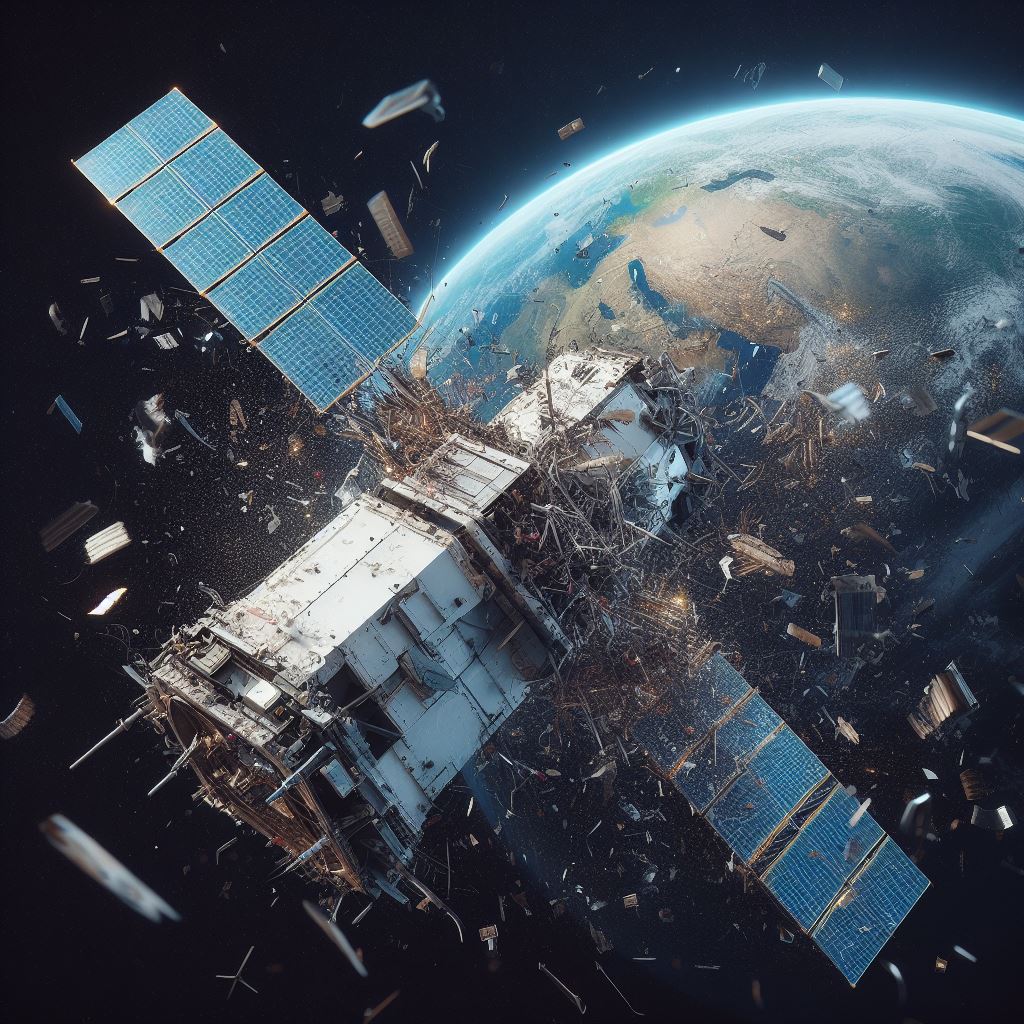
Launch Date
May 10, 1999
Launch Site
TAISC
Launch Pad
LC7
Launch Vehicle
Chang Zheng 4B
NORAD ID
30992
International Designator
1999-025BCJ
Epoch
Thu, 28 Jun 2007 21:50:59 GMT
Apogee
Calculating...
Perigee
Calculating...
Inclination
99.38°
Right Ascension
172.71°
Eccentricity
Calculating...
Argument of Perigee
49.97°
Period
102.76 min
Mean Motion
14.01 rev/day
Latitude
Calculating...
Longitude
Calculating...
Altitude
Calculating...
Velocity
Calculating...
Name
FENGYUN 1C DEB
Alternative Name
deb FY-1C
Type
Status
Owner
CASC
Country
China
Constellation
N/A
Related Satellites
Major Events
N/A
1 30992U 99025BCJ 07178.91040632 +.00005813 +00000-0 +38522-2 0 9995
2 30992 099.3813 172.7135 0043609 049.9749 357.5594 14.01363265015429
Source: Celestrak
Length
0
Diameter
0
Span
0
Dry Mass
0
Launch Mass
0
Shape
N/A
Radar Cross Section
0.0026
Visual Magnitude
Unknown
Color
Unknown
Material Composition
Unknown
Payload
Unknown
Purpose
Unknown
Mission
Unknown
Manufacturer
Unknown
Life Expectancy
Unknown
Bus
Unknown
Configuration
Unknown
Motor
Unknown
Equipment
Unknown
Power System
Unknown
ADCS
Unknown
Transmitter Frequency
Unknown
Learn more about satellites and other related topics.
SpaceX Starlink connectivity equips Trump's $400M interim Air Force One as Falcon 9 prepares to orbit 24 more satellites on mission 17-28.
Fifty-five years ago, a revolutionary spacecraft launched from California carrying technology that would transform how we explore the solar system

ESA-China SMILE spacecraft successfully launched from Kourou to image Earth's magnetosphere. First continuous global views of solar wind interaction now in orbit.
As the International Space Station nears retirement, private companies are stepping up to fill the void with their own space stations. Discover the key players and the potential impact on space exploration.
Artemis 2's four astronauts entered lunar sphere of influence April 6, first crewed arrival since Apollo 17. NASA simultaneously proposed 25% budget cut for FY2027.
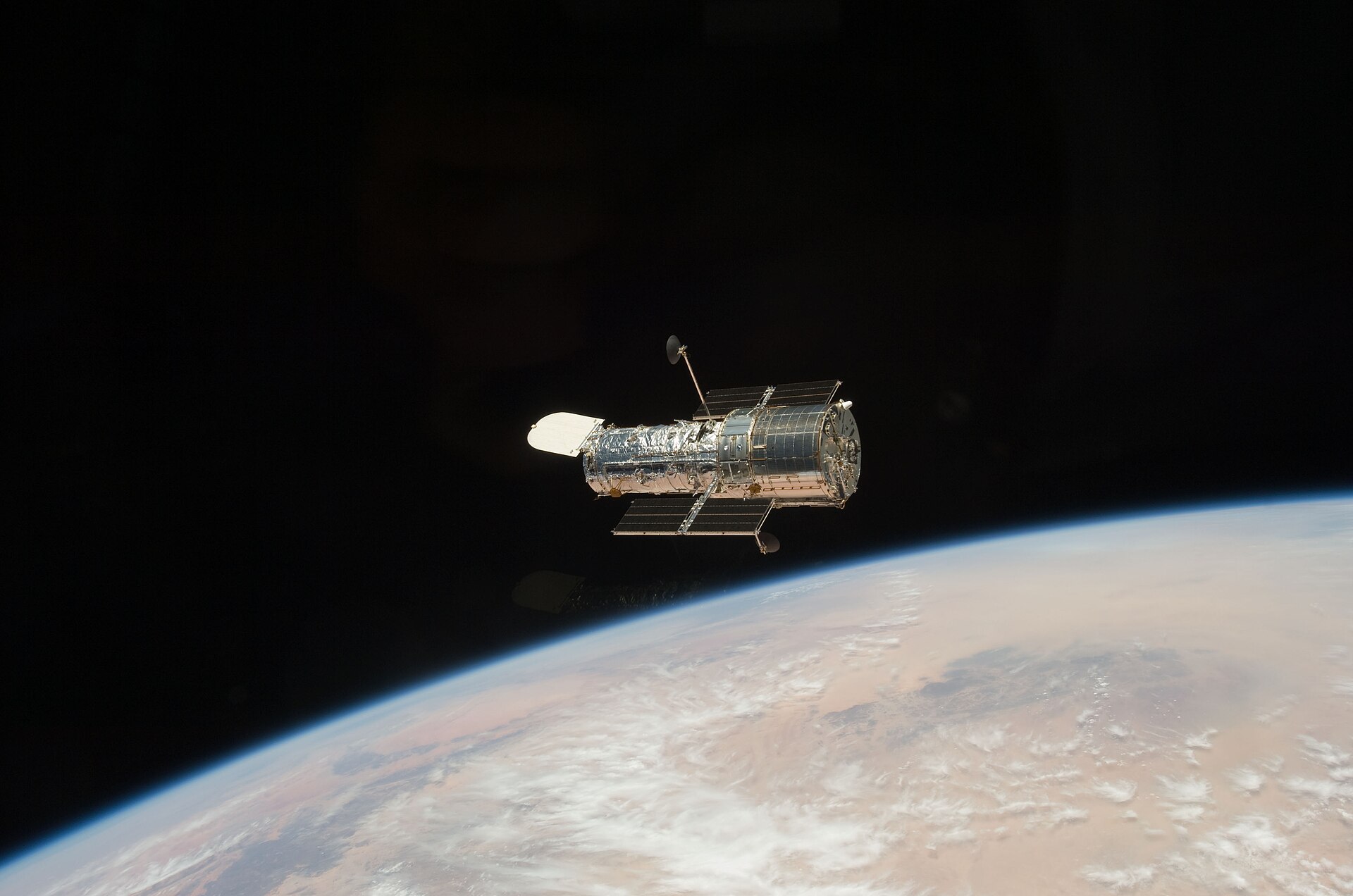
On April 25, 1990, the Space Shuttle Discovery's robotic arm lifted a 11,110-kilogram barrel of mirrors and instruments out of the payload bay and released it into orbit. Six weeks later, the first images came back badly out of focus. The Hubble Space Telescope had been ground to the wrong prescription, and America had just spent $2.5 billion on what the press was calling a 'technoturkey.'
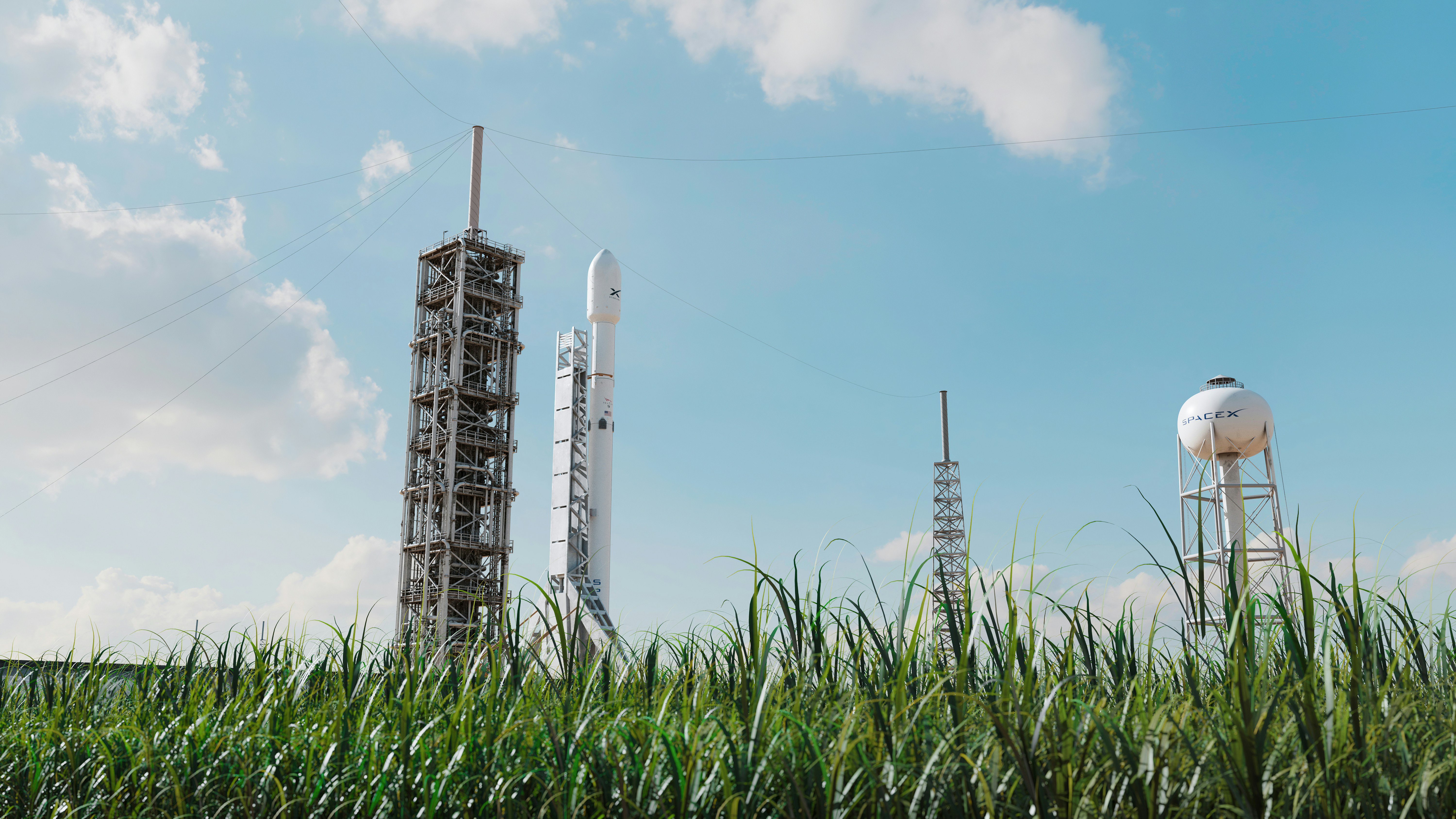
SpaceX launches 28 Starlink satellites and discusses upcoming business strategies, while T-Mobile slashes Starlink cellular prices.
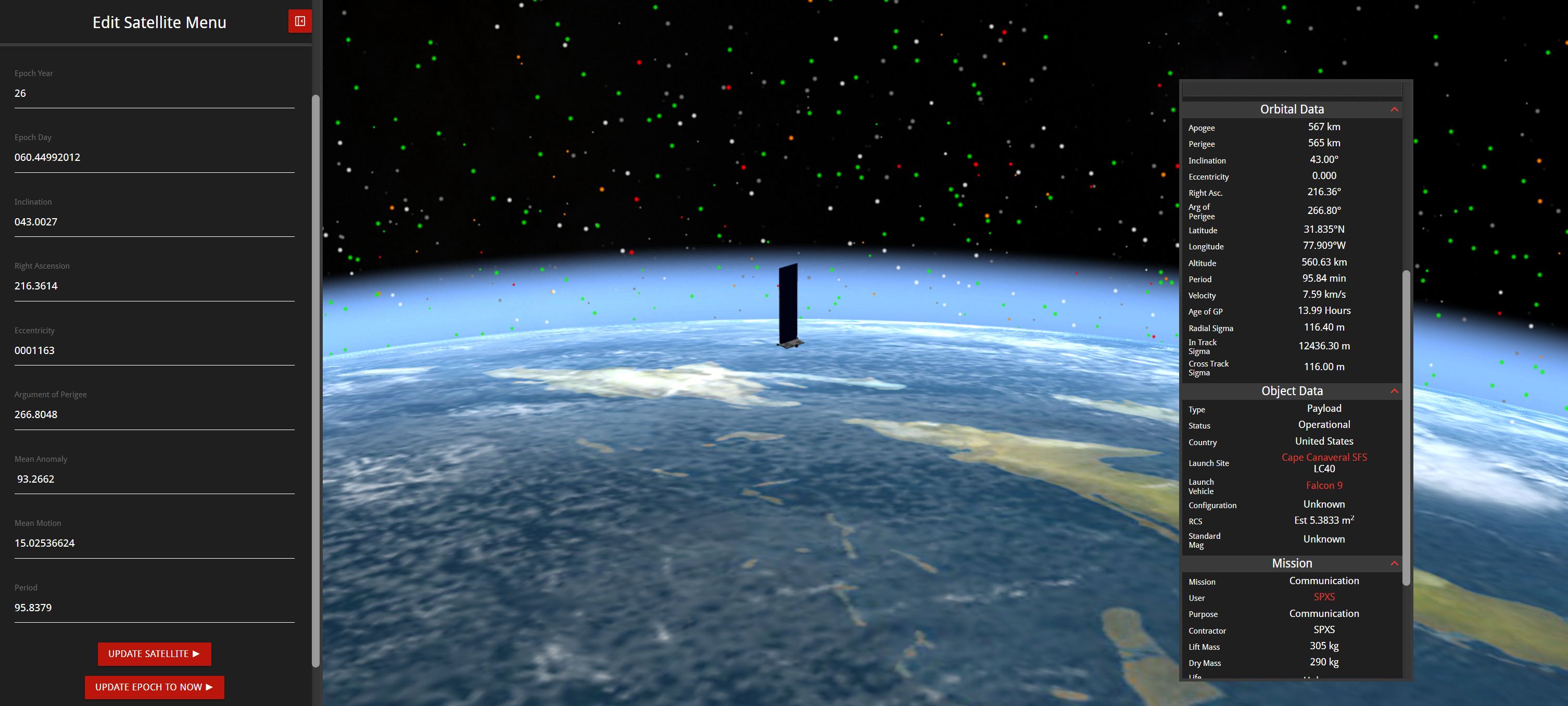
The compact data format that describes every tracked satellite orbit in just two lines of text, and how to read it