FENGYUN 1C DEB (30815)

COSPAR: 1999-025AUZ | Alt Name: deb FY-1C

Image
FENGYUN 1C DEB Satellite Image
Additional Sources
Launch Details

Launch Date

May 10, 1999

Launch Site

TAISC

Launch Pad

LC7

Launch Vehicle

Chang Zheng 4B

Orbital Elements

NORAD ID

30815

International Designator

1999-025AUZ

Epoch

Fri, 03 Jul 2026 12:01:17 GMT

Apogee

Calculating...

Perigee

Calculating...

Inclination

99.30°

Right Ascension

17.08°

Eccentricity

Calculating...

Argument of Perigee

52.02°

Period

97.00 min

Mean Motion

14.85 rev/day

Latitude

Calculating...

Longitude

Calculating...

Altitude

Calculating...

Velocity

Calculating...

Polar Plot
3D Visualization
Basic Satellite Info

Name

FENGYUN 1C DEB

Alternative Name

deb FY-1C

Type

Debris

Status

Space Junk

Owner

CASC

Country

China

Constellation

N/A

Related Satellites

Major Events

N/A

Latest TLEs
1 30815U 99025AUZ 26184.50089185  .00027050  00000-0  32042-2 0  9996
2 30815  99.3027  17.0758 0000684  52.0152   3.2629 14.84523370  7433

Source: Celestrak

Summary
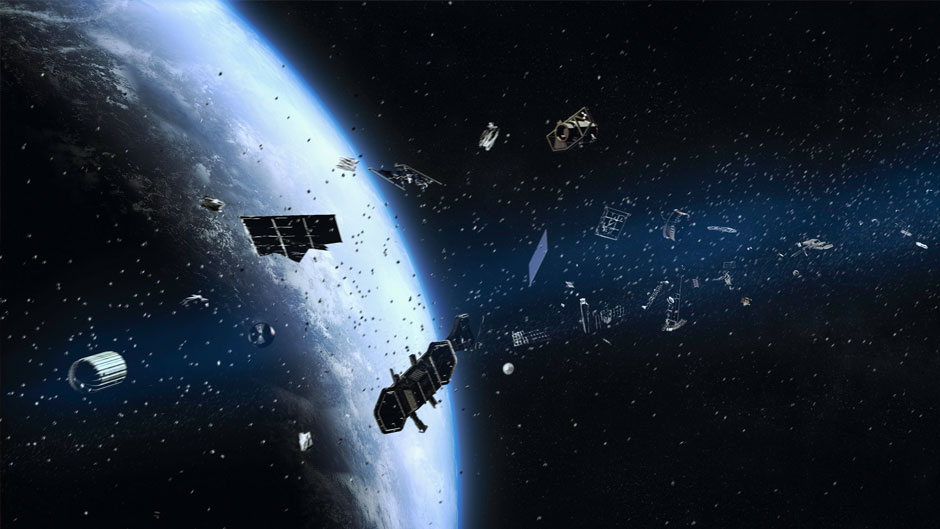
Space debris, also known as space junk, encompasses all non-functional objects orbiting Earth such as defunct satellites, spent rocket stages, and fragments from collisions or disintegrations. Over time, this debris can accumulate and create an increasingly hazardous environment in orbit. Even tiny fragments, traveling at extremely high velocities, can inflict significant damage on operational satellites and spacecraft. If left unmanaged, the density of debris raises the risk of catastrophic collisions and further fragmentation, compounding the problem and threatening the safety and sustainability of space activities.
Physical Characteristics

Length

0

Diameter

0

Span

0

Dry Mass

0

Launch Mass

0

Shape

N/A

Radar Cross Section

0.0032

Visual Magnitude

Unknown

Color

Unknown

Material Composition

Unknown

Technical Details

Payload

Unknown

Purpose

Unknown

Mission

Unknown

Manufacturer

Unknown

Life Expectancy

Unknown

Bus

Unknown

Configuration

Unknown

Motor

Unknown

Equipment

Unknown

Power System

Unknown

ADCS

Unknown

Transmitter Frequency

Unknown

Map
This tool will help you track the satellite's position and predict its upcoming passes over your location. Simply input the coordinates or click the geolocation button to get started.
Next Pass
Azimuth Elevation Time (Local)
Start Azimuth
Max Elevation
Stop Azimuth
Time Until
Pass Duration

Satellite Articles

View All Posts »

Learn more about satellites and other related topics.

X Report 6 Sep 2025

X Report 6 Sep 2025

SpaceX successfully launched 28 Starlink satellites, marking a significant milestone with its 500th Falcon rocket landing. Meanwhile, the Starship program reflects on its journey through ten flights, and competition with Amazon's Project Kuiper heats up as JetBlue opts for their in-flight Wi-Fi service.
Space Brief 21 Aug 2024

Space Brief 21 Aug 2024

Recent Starlink launches, autonomous navigation for satellite swarms, major funding for asteroid mining, and insights into NASA's various projects and developments.

X Report 10 Sep 2025

X Report 10 Sep 2025

SpaceX makes strides with United States national security satellites, securing substantial spectrum for Starlink's direct-to-cell services, and preparing for future Starship developments.

X Report 3 Sep 2025

X Report 3 Sep 2025

SpaceX successfully launched 24 Starlink satellites aboard a brand-new Falcon 9 rocket. The company aims for five missions this week, bolstering its satellite internet constellation.

X Report 8 Jun 2025

X Report 8 Jun 2025

SpaceX has seen a flurry of activity with successful launches, static-fire tests for Starship, and ongoing preparations for future objectives, marking an exciting time for the aerospace company.

X Report 7 Apr 2025

X Report 7 Apr 2025

SpaceX prepares for another Starlink launch today, following a successful deployment over the weekend from Florida's Space Coast.

Aurora 7 and the Day NASA Almost Lost Scott Carpenter

Aurora 7 and the Day NASA Almost Lost Scott Carpenter

Exactly 64 years ago today, Scott Carpenter became the fourth American to orbit the Earth aboard Aurora 7. His five-hour flight produced new science, a tense reentry, and 39 minutes of silence in which the country wondered if it had just lost its astronaut.

Gunter's Space Page

Gunter's Space Page

Why this unassuming website has become the backbone of space research for enthusiasts and professionals alike