


Starlink Constellation Size Nears 10,000, X Report 16 Mar 2026
Starlink constellation size in March 2026: 9,996 satellites in orbit and 9,986 working from 11,504 launched, as SpaceX deorbits legacy V1.0 hardware.


Launch Date
December 9, 1967
Launch Site
AFWTR
Launch Pad
SLC1W
Launch Vehicle
Thorad SLV-2G Agena D
NORAD ID
03063
International Designator
1967-122A
Decay Date
12/25/1967
Name
OPS 1001
Alternative Name
OPS 1001
Type
Status
Owner
NRO/CIA
Country
United States
Constellation
N/A
Related Satellites
Major Events
N/A
Apologies, there is no summary for this satellite yet. I am working to generate these for every object in the catalog, but it is going to take time.
Length
2.3
Diameter
1.5
Span
2.3
Dry Mass
345
Launch Mass
345
Shape
Cyl
Radar Cross Section
Unknown
Visual Magnitude
Unknown
Color
Unknown
Material Composition
Unknown
Payload
CORONA CR-2
Purpose
Unknown
Mission
Unknown
Manufacturer
LMSC
Life Expectancy
Unknown
Bus
CORONA KH-4B
Configuration
Unknown
Motor
Unknown
Equipment
Unknown
Power System
Unknown
ADCS
Unknown
Transmitter Frequency
Unknown
Learn more about satellites and other related topics.
Starlink constellation size in March 2026: 9,996 satellites in orbit and 9,986 working from 11,504 launched, as SpaceX deorbits legacy V1.0 hardware.
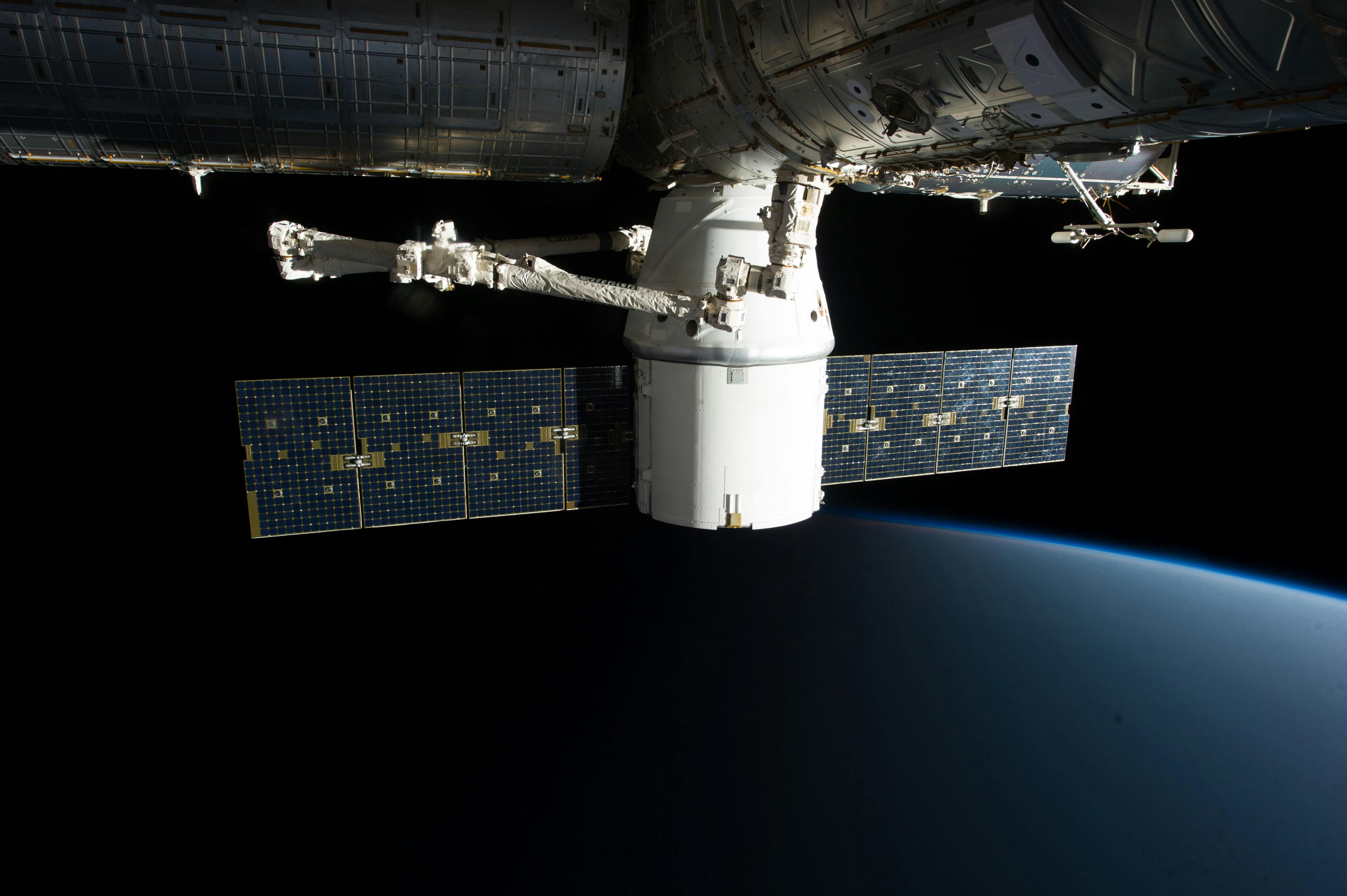
SpaceX gears up for another busy week with a Falcon 9 launch to the ISS while Vast Space expands its Haven-1 payload roster.

Thirty-five years ago, NASA's Galileo spacecraft made a crucial flyby of Venus, pioneering a complex path through the inner solar system that would revolutionize planetary exploration

Explore the dynamic realms of Earth's orbits, from LEO to GEO, unraveling the crucial roles they play in global communication, navigation, and surveillance.
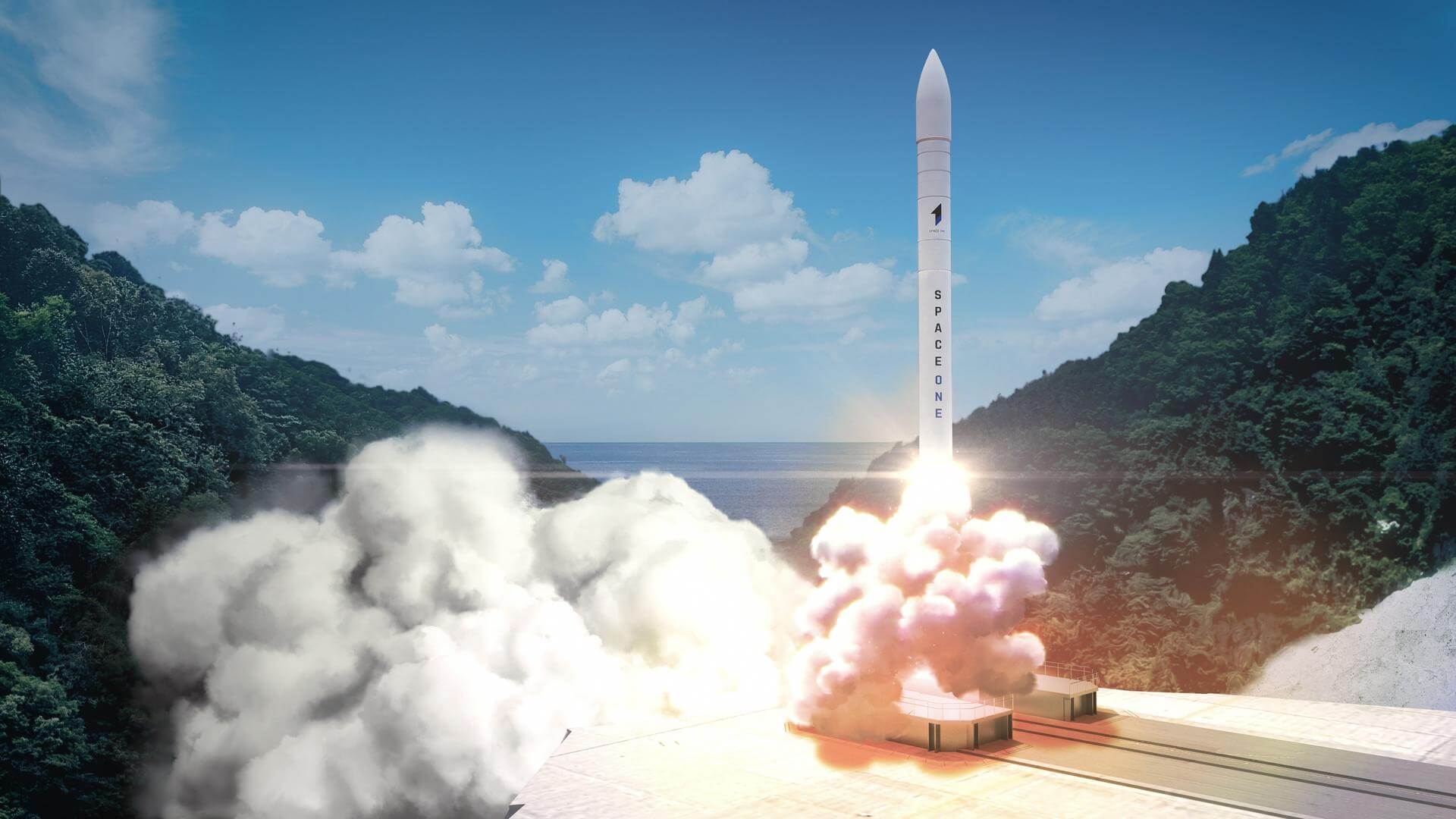
Today's brief covers significant advancements in materials technology for space applications, a U.S. Navy contract for rocket production facilities, and NATO's upcoming classified cloud system.

Today's Space Brief covers Blue Origin's historic all-female spaceflight, the selection of companies for nuclear microreactor development by DIU, and NATO's adoption of AI technology for military planning.
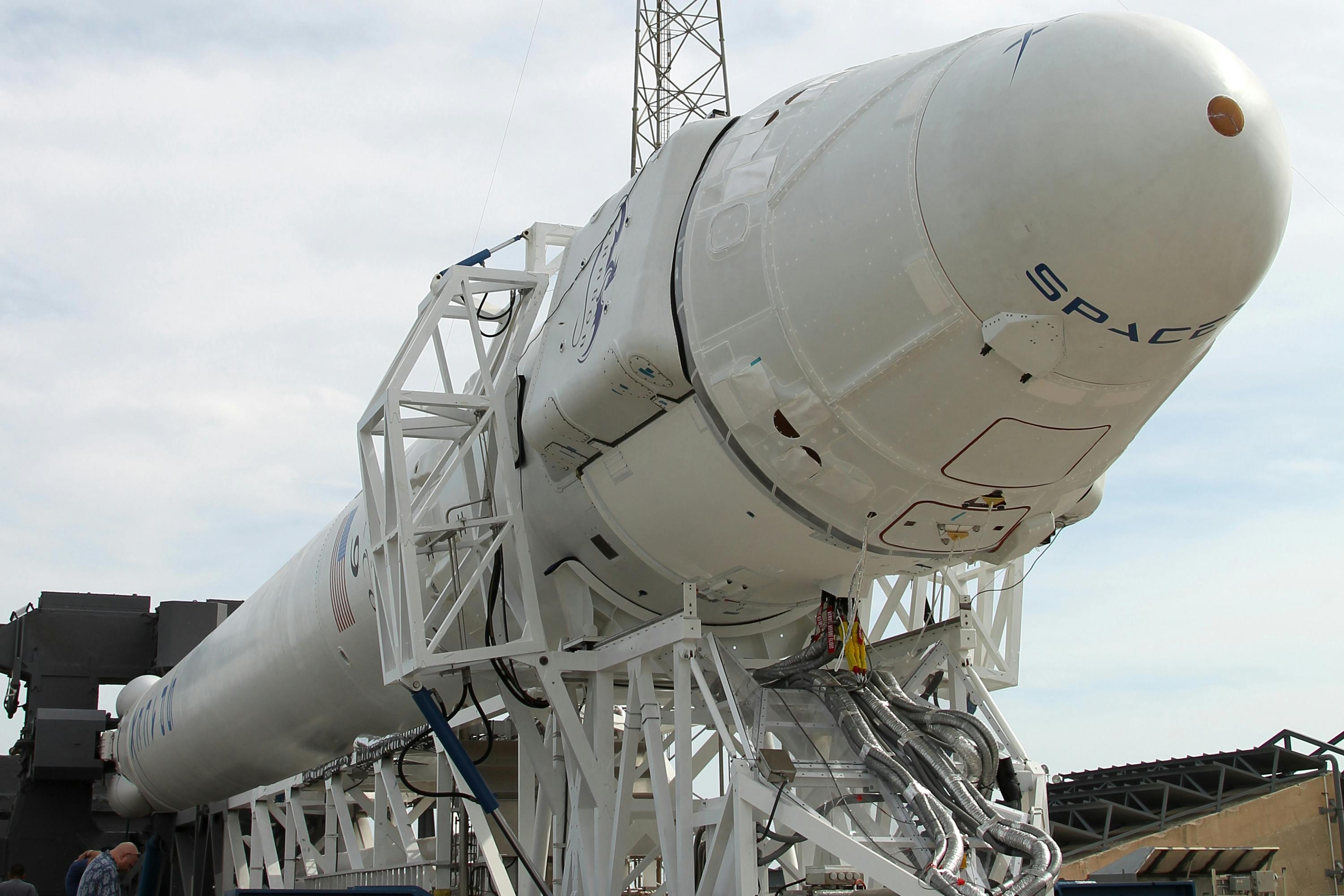
SpaceX progresses on Starship testing while Rocket Lab delays its Neutron rocket debut, potentially impacting the competitive landscape in space launches.
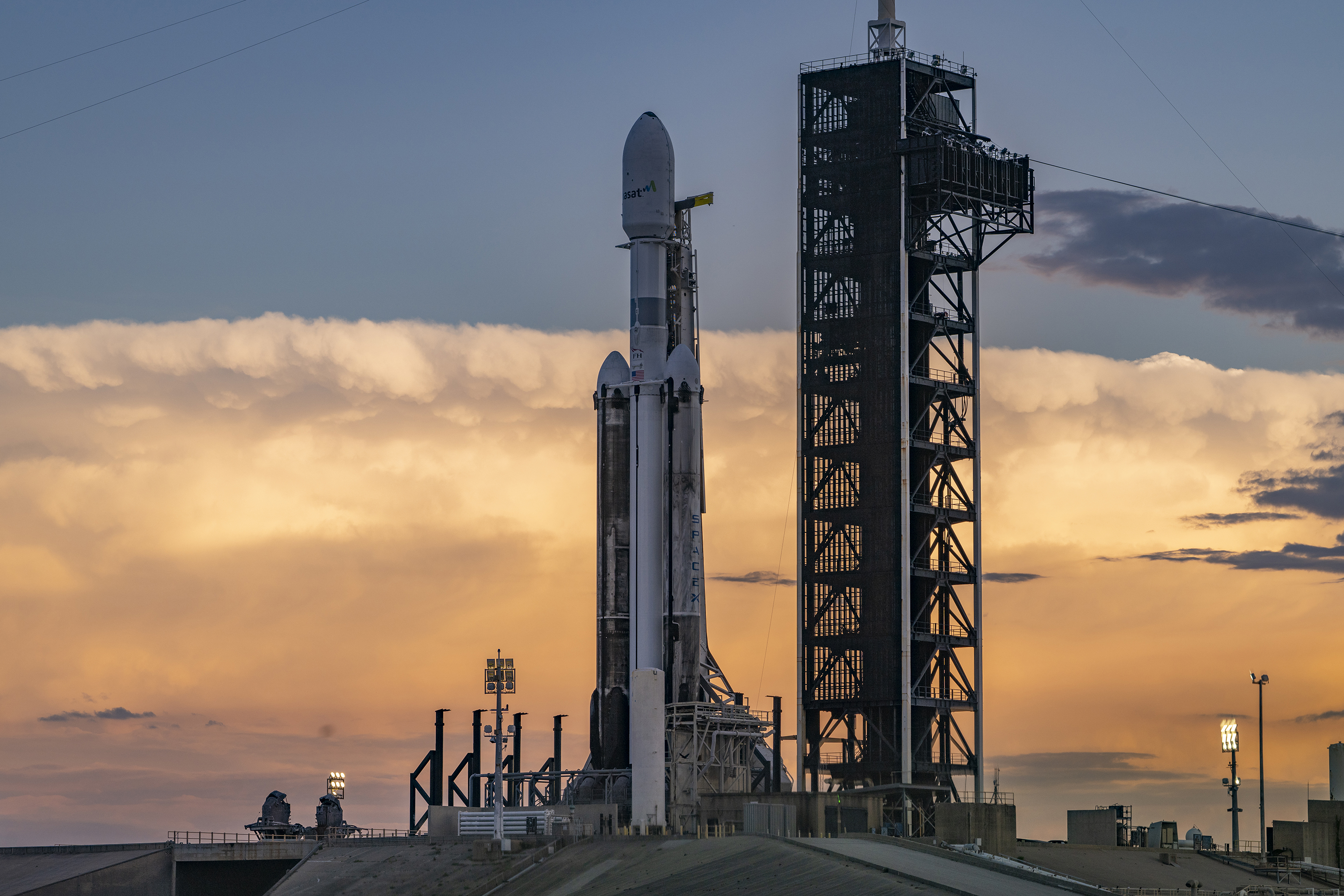
ULA's Atlas V deployed 29 Amazon Kuiper LEO satellites on April 27. Falcon Heavy returns this week with ViaSat-3 F3. Six orbital launches scheduled across three continents.