


Space Brief 28 Nov 2024
Today's briefing covers China's announcement of the Beidou system upgrade, launch updates for Vega C, challenges to global GPS reliability, and delays in the VERITAS Venus mission.


Launch Date
May 10, 1999
Launch Site
TAISC
Launch Pad
LC7
Launch Vehicle
Chang Zheng 4B
NORAD ID
30431
International Designator
1999-025AES
Decay Date
5/10/2017
Name
FENGYUN 1C DEB
Alternative Name
deb FY-1C
Type
Status
Owner
CASC
Country
China
Constellation
N/A
Related Satellites
Major Events
N/A
Length
0
Diameter
0
Span
0
Dry Mass
0
Launch Mass
0
Shape
N/A
Radar Cross Section
0.0259
Visual Magnitude
Unknown
Color
Unknown
Material Composition
Unknown
Payload
Unknown
Purpose
Unknown
Mission
Unknown
Manufacturer
Unknown
Life Expectancy
Unknown
Bus
Unknown
Configuration
Unknown
Motor
Unknown
Equipment
Unknown
Power System
Unknown
ADCS
Unknown
Transmitter Frequency
Unknown
Learn more about satellites and other related topics.
Today's briefing covers China's announcement of the Beidou system upgrade, launch updates for Vega C, challenges to global GPS reliability, and delays in the VERITAS Venus mission.

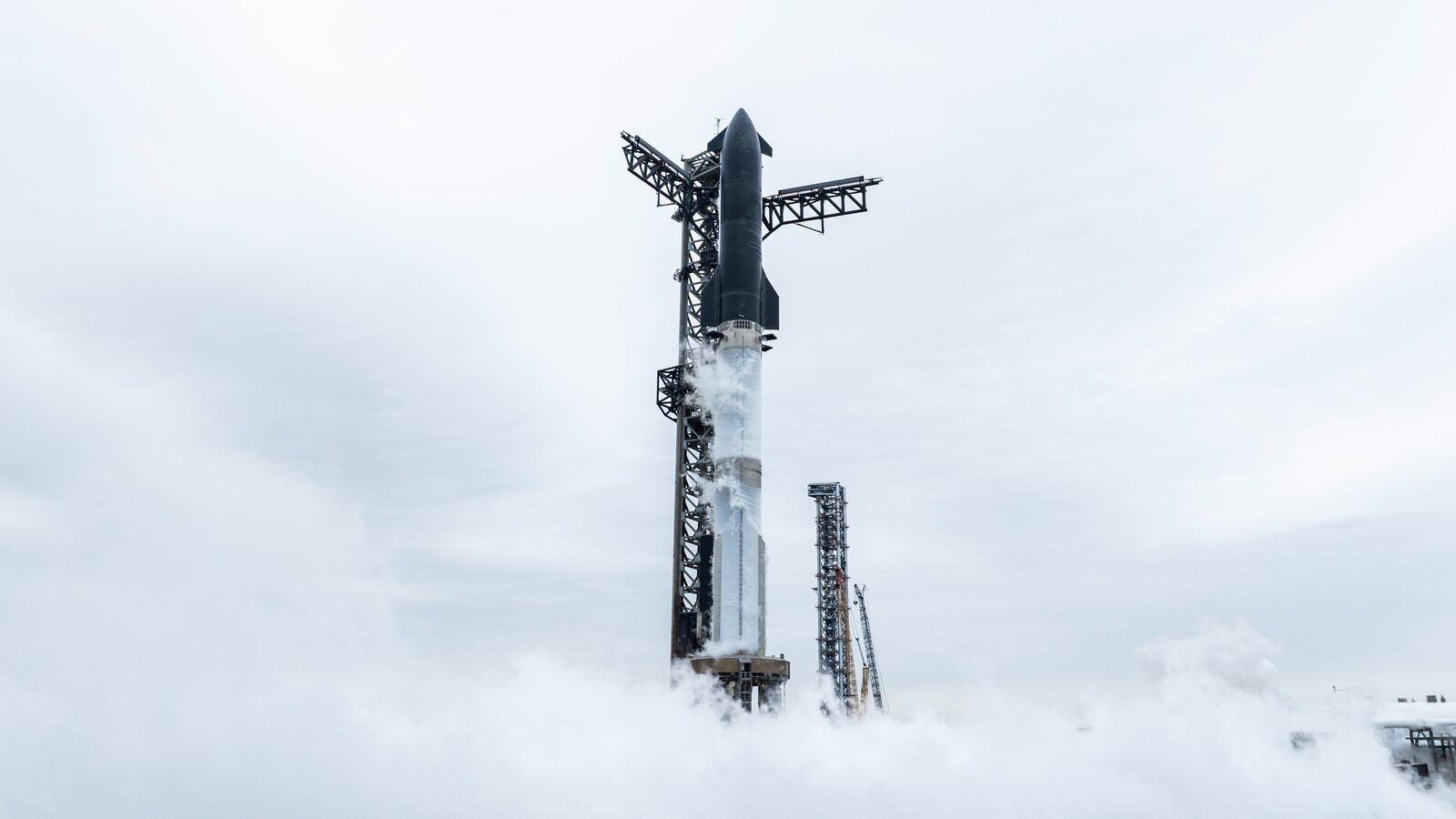
SpaceX faces setbacks with Starship Flight 7 as FAA launches an investigation, while future transportation policies might impact SpaceX operations. Meanwhile, the Starlink constellation continues strong.
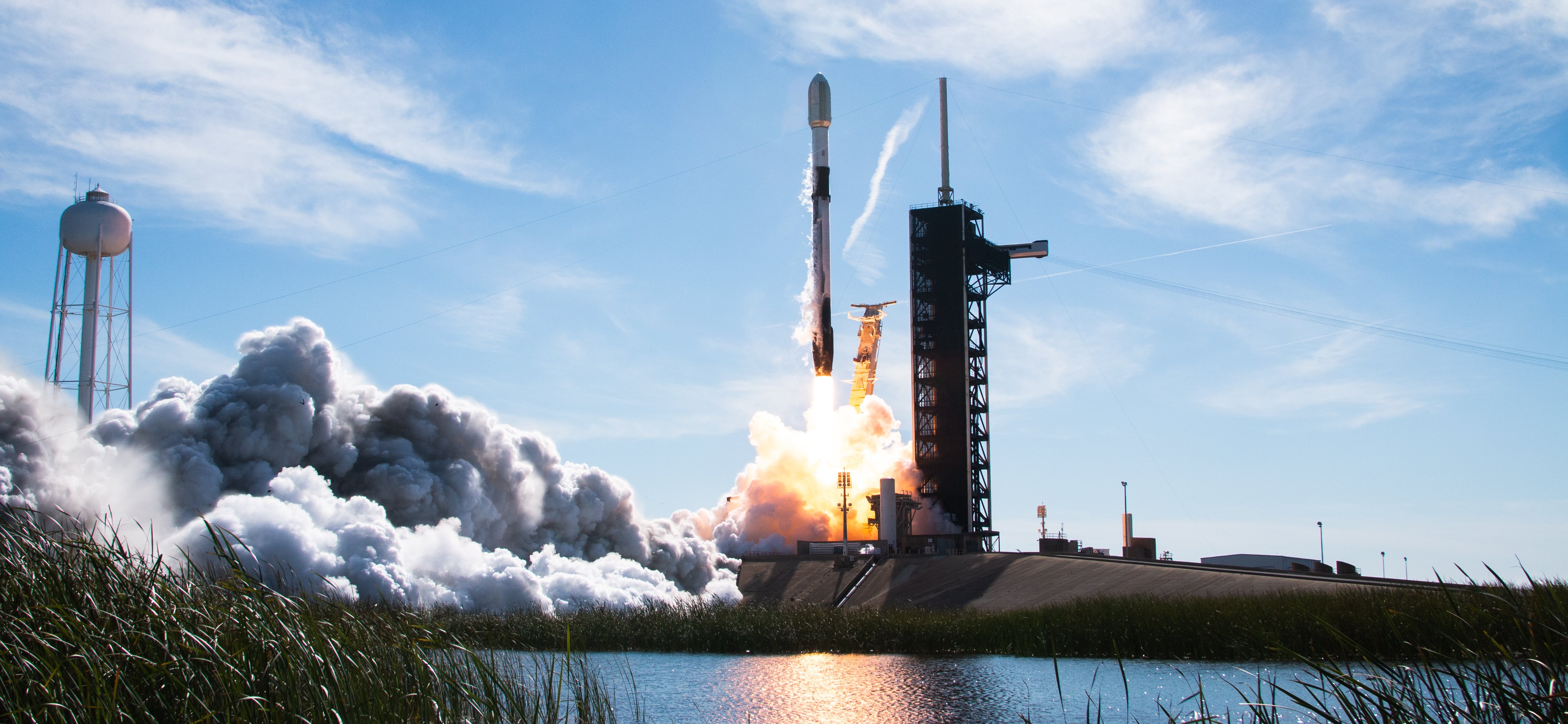
L3Harris and Sierra Space awarded $1.75 billion to build 36 missile-tracking satellites for SDA's Tracking Layer constellation. Hypersonic and ballistic missile detection from low Earth orbit.
Today's highlights include China's lunar collaboration with Russia, new insights from Magellan's Venus mission, and stunning 8K images of the sun.

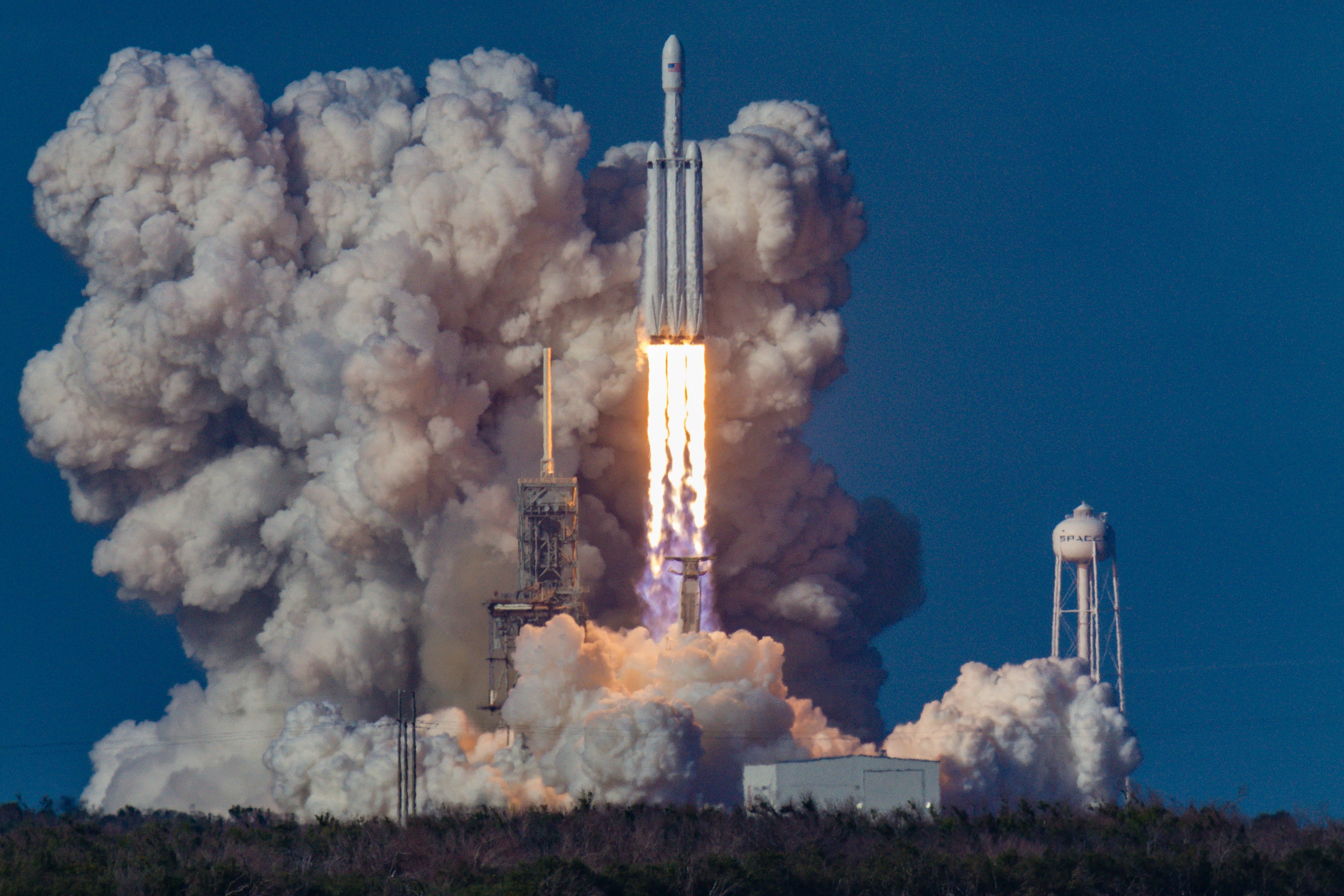
SpaceX's Falcon Heavy lifts off for the 12th time after 18 months grounded, delivering the final ViaSat-3 satellite from LC-39A at 10:21 a.m. EDT.
SpaceX gears up for an exciting July with a doubleheader launch planned for the east coast and ongoing advancements in Starlink technology.
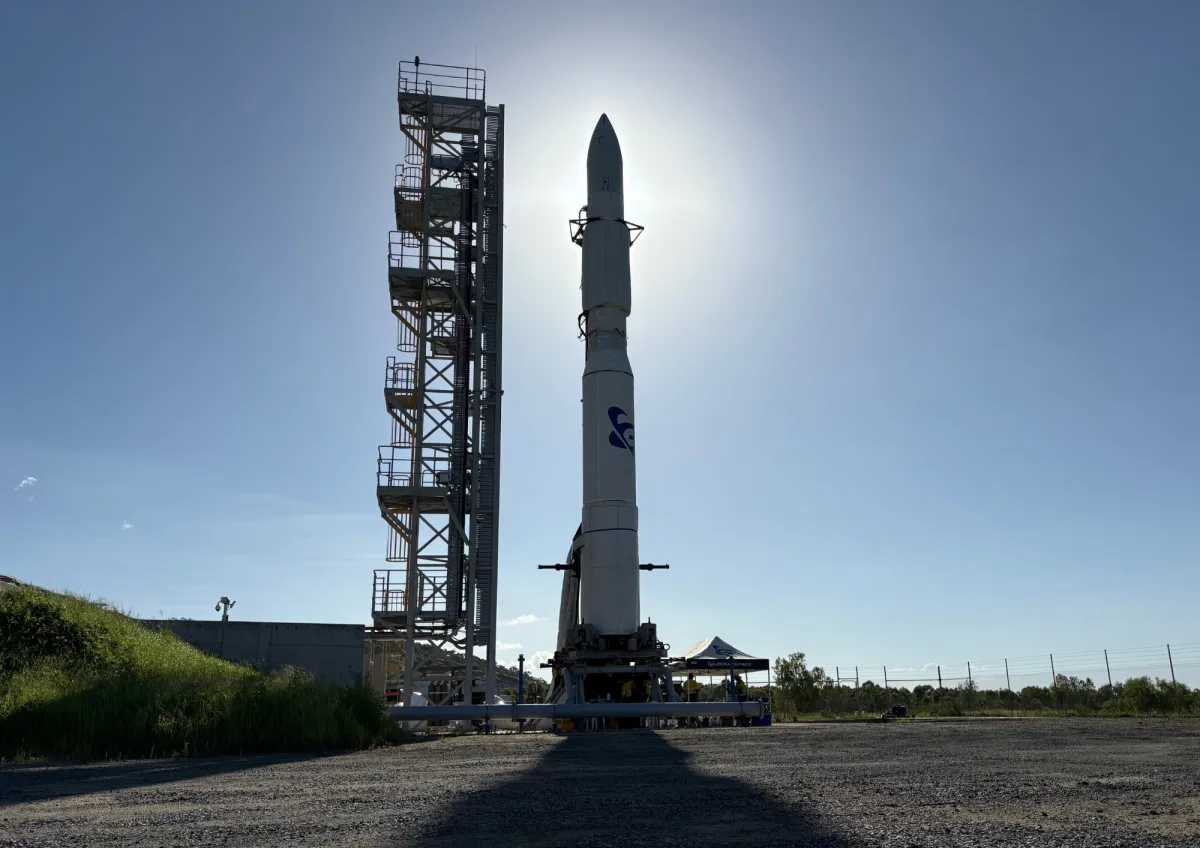
Today's briefing highlights SpaceX's recent launch of spy satellites, a US Space Force contract for deep space tracking, and advancements in quantum communications in space.

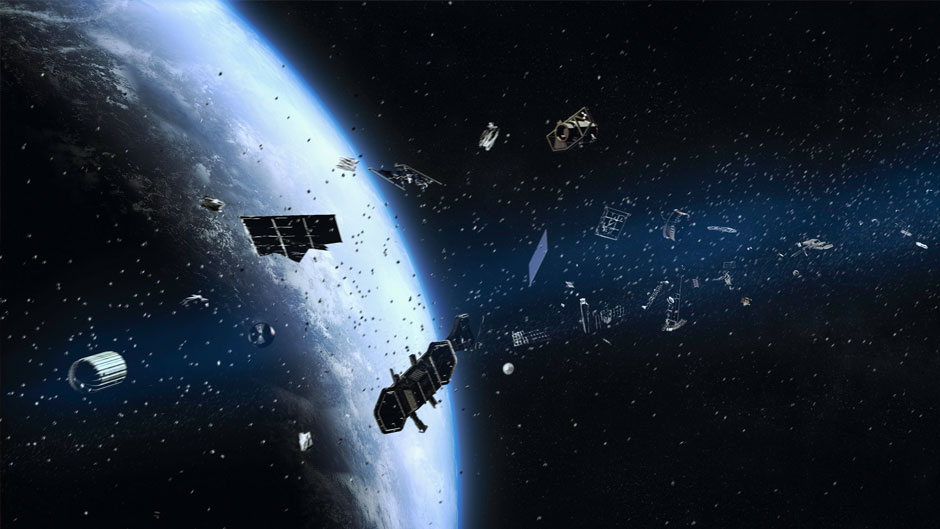
The Kessler Syndrome threatens humanity's future in space as cascading satellite collisions create exponential debris growth. With 36,000+ tracked objects and recent incidents accelerating risks, we face a critical juncture: implement solutions now or potentially lose access to low Earth orbit forever.