



Space Brief 21 Jul 2025
Today's brief covers SpaceX's latest Starlink launch, fascinating exoplanet discoveries, and strategic lunar developments by China and South Korea.


Launch Date
December 8, 2006
Launch Site
XICLF
Launch Pad
LC2
Launch Vehicle
Chang Zheng 3A
NORAD ID
29640
International Designator
2006-053A
Epoch
Fri, 03 Jul 2026 23:57:41 GMT
Apogee
Calculating...
Perigee
Calculating...
Inclination
11.02°
Right Ascension
40.90°
Eccentricity
Calculating...
Argument of Perigee
36.84°
Period
1466.49 min
Mean Motion
0.98 rev/day
Latitude
Calculating...
Longitude
Calculating...
Altitude
Calculating...
Velocity
Calculating...
Name
FENGYUN 2D
Alternative Name
Feng Yun 2D
Type
Status
Owner
NSMC
Country
China
Constellation
N/A
Related Satellites
Major Events
N/A
1 29640U 06053A 26184.99839807 -.00000131 00000-0 00000-0 0 9995
2 29640 11.0190 40.8977 0009484 36.8363 153.6973 0.98193812 71164
Source: Celestrak
Length
3
Diameter
2.1
Span
3
Dry Mass
600
Launch Mass
651
Shape
Cyl
Radar Cross Section
27.6307
Visual Magnitude
Unknown
Color
Unknown
Material Composition
Unknown
Payload
FY-2 03 xing
Purpose
Meteorology
Mission
Meteorology
Manufacturer
SISE
Life Expectancy
Unknown
Bus
FY-2
Configuration
Unknown
Motor
Shanxi AKM
Equipment
Unknown
Power System
Solar cells, batteries
ADCS
Unknown
Transmitter Frequency
Unknown
Learn more about satellites and other related topics.
Today's brief covers SpaceX's latest Starlink launch, fascinating exoplanet discoveries, and strategic lunar developments by China and South Korea.

SpaceX achieved significant milestones with the launch of its 500th Falcon 9 rocket and the deployment of a European weather satellite, showcasing its ongoing impact in space exploration and satellite technology.

SpaceX successfully launched the SXM-10 satellite for SiriusXM and prepares for the Ax-4 mission to the ISS amid political tensions involving Elon Musk and President Trump.
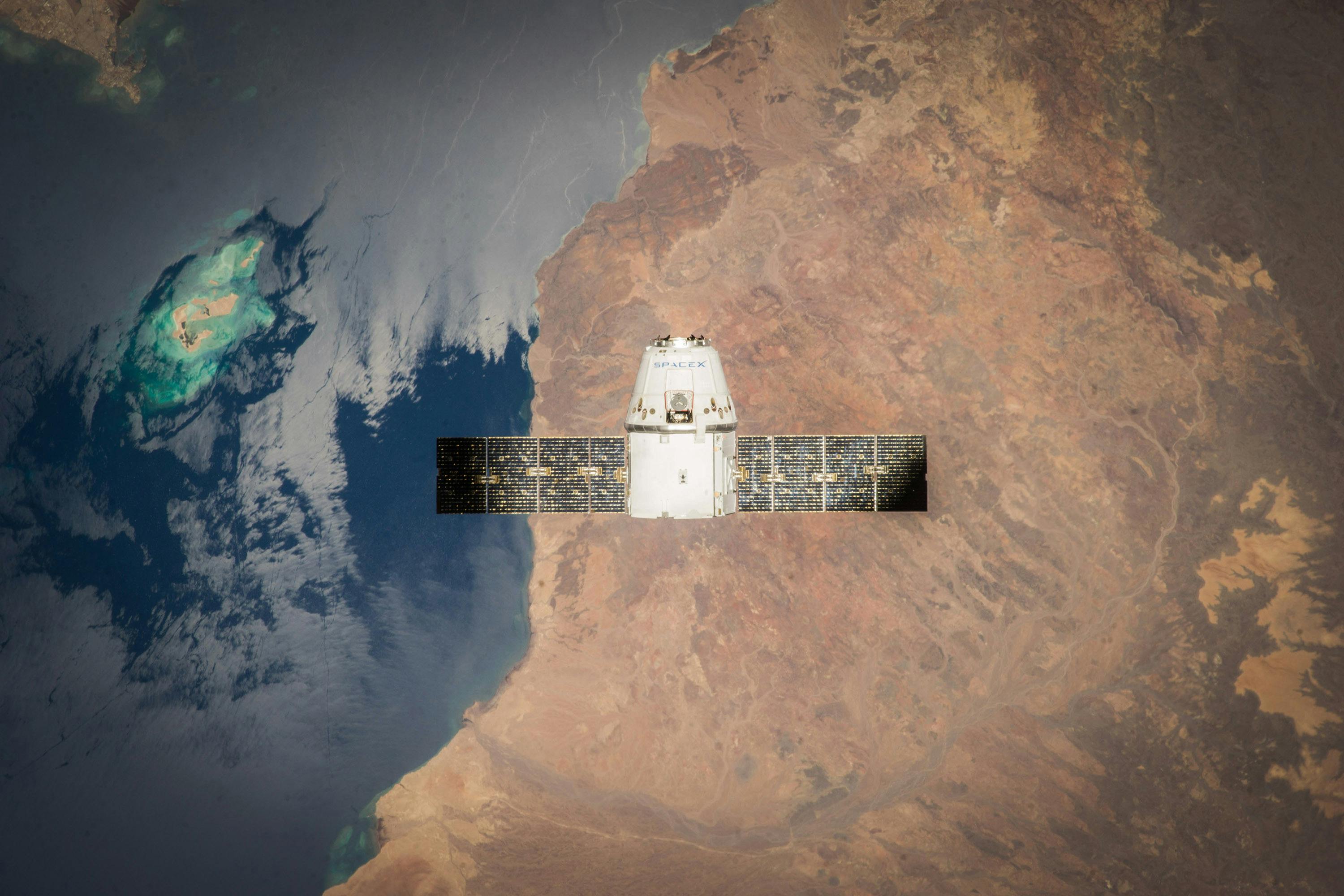
SpaceX gears up for its next Starship flight while recent Falcon 9 missions make headlines with spectacular launches, bringing fresh Starlink satellites into orbit.
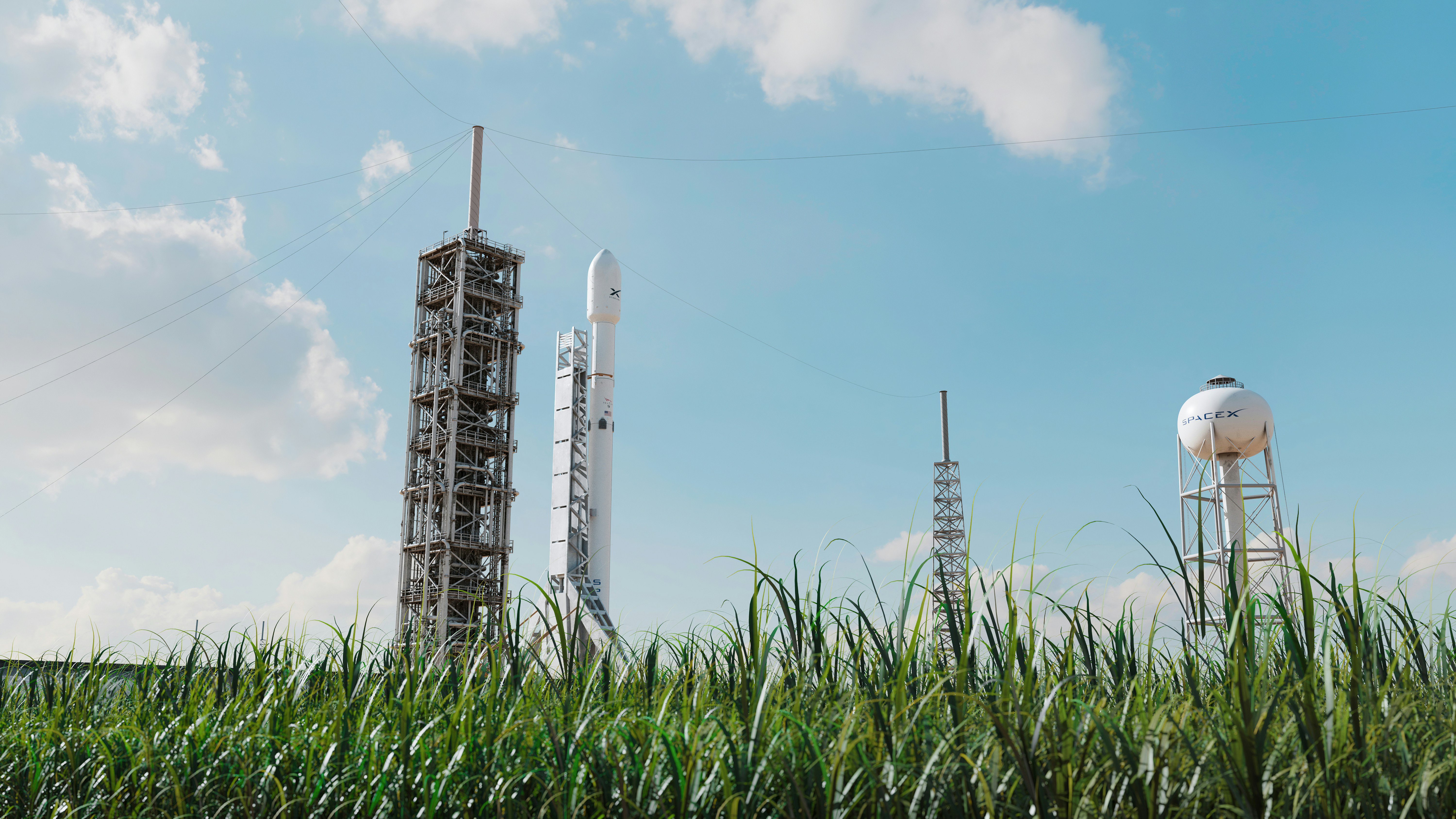
Starlink mobile service is planned for the US as SpaceX fires Ship 40's single Raptor in a prelaunch test, with 10,689 Starlink satellites working.
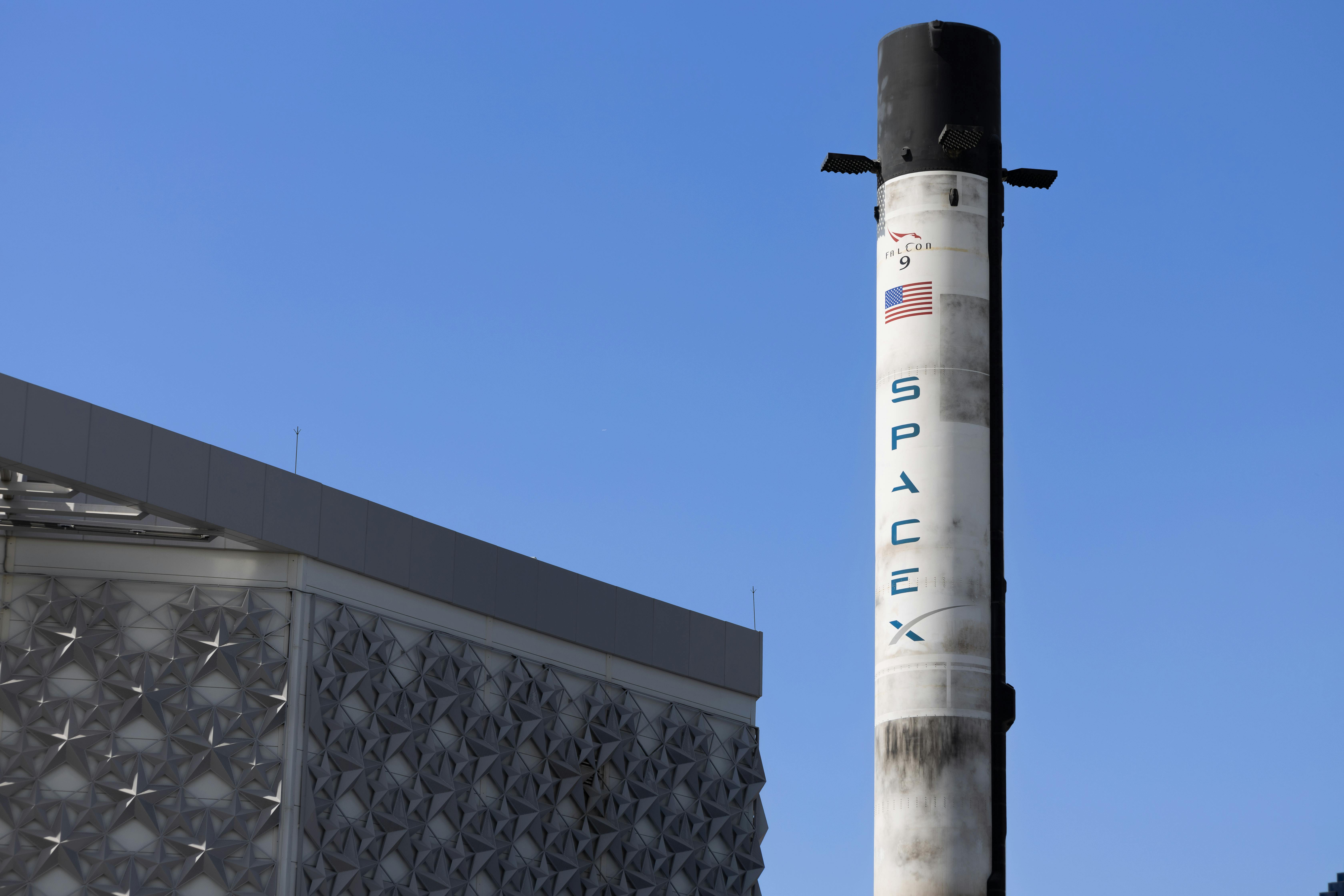
SpaceX faces regulatory review for Bahamian rocket landings, positions itself for a major government contract, and a new Star Wars Lego set adds to the fun!
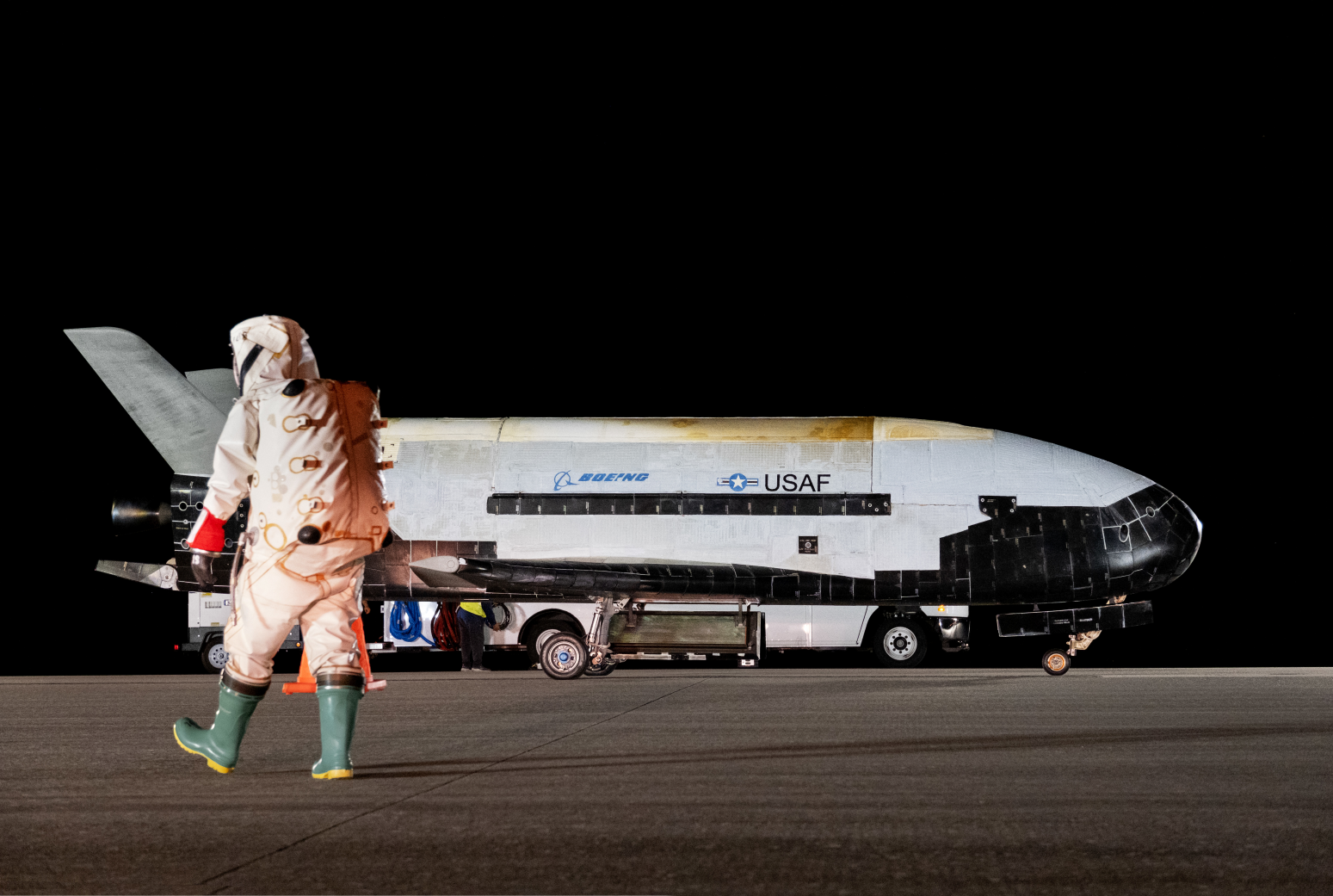
On April 22, 2010, an Atlas V lifted off from Cape Canaveral carrying a reusable robotic spaceplane so secret that the Air Force would not even confirm its mission duration. It came back 224 days later, lighter, quieter, and more operational than anyone outside Washington had expected. Fifteen years later, the X-37B is still flying, and the military still will not say what it does.

Thirty-five years ago, NASA's Galileo spacecraft made a crucial flyby of Venus, pioneering a complex path through the inner solar system that would revolutionize planetary exploration