


Space Brief 27 Feb 2025
Today's highlights include Rocket Lab's progress on the Space Force's VICTUS HAZE mission, BlackSky's new government contract, and AEI's policy recommendations for Space Force restructuring.


Launch Date
August 3, 2004
Launch Site
Launch Pad
SLC17B
Launch Vehicle
Delta 7925H
NORAD ID
28392
International Designator
2004-030C
Decay Date
Unknown
Name
DELTA 2 R/B(2)
Alternative Name
Delta 307 Stage 3
Type
Status
Owner
BOHB
Country
United States
Constellation
N/A
Related Satellites
Major Events
N/A
Length
2.3
Diameter
1.1
Span
2.3
Dry Mass
132
Launch Mass
2141
Shape
Sphere + Cone
Radar Cross Section
Unknown
Visual Magnitude
Unknown
Color
Unknown
Material Composition
Unknown
Payload
Star 48B
Purpose
Unknown
Mission
Unknown
Manufacturer
ATKE
Life Expectancy
Unknown
Bus
Star 48
Configuration
Unknown
Motor
Unknown
Equipment
Unknown
Power System
Unknown
ADCS
Unknown
Transmitter Frequency
Unknown
Learn more about satellites and other related topics.
Today's highlights include Rocket Lab's progress on the Space Force's VICTUS HAZE mission, BlackSky's new government contract, and AEI's policy recommendations for Space Force restructuring.

Today's Space Brief covers the reentry of Firefly's Blue Ghost moon lander, a compelling study on space debris exacerbated by climate change, and new advancements from the Vera Rubin Observatory.

SpaceX surpassed 10,000 simultaneous Starlink satellites in orbit after Starlink 17-24 deployed 25 satellites from California. Milestone reached in under 7 years.

Trump's interim Air Force One—a $400M Boeing 747-8—equipped with Starlink for presidential communications. First confirmed LEO constellation use for White House comms.
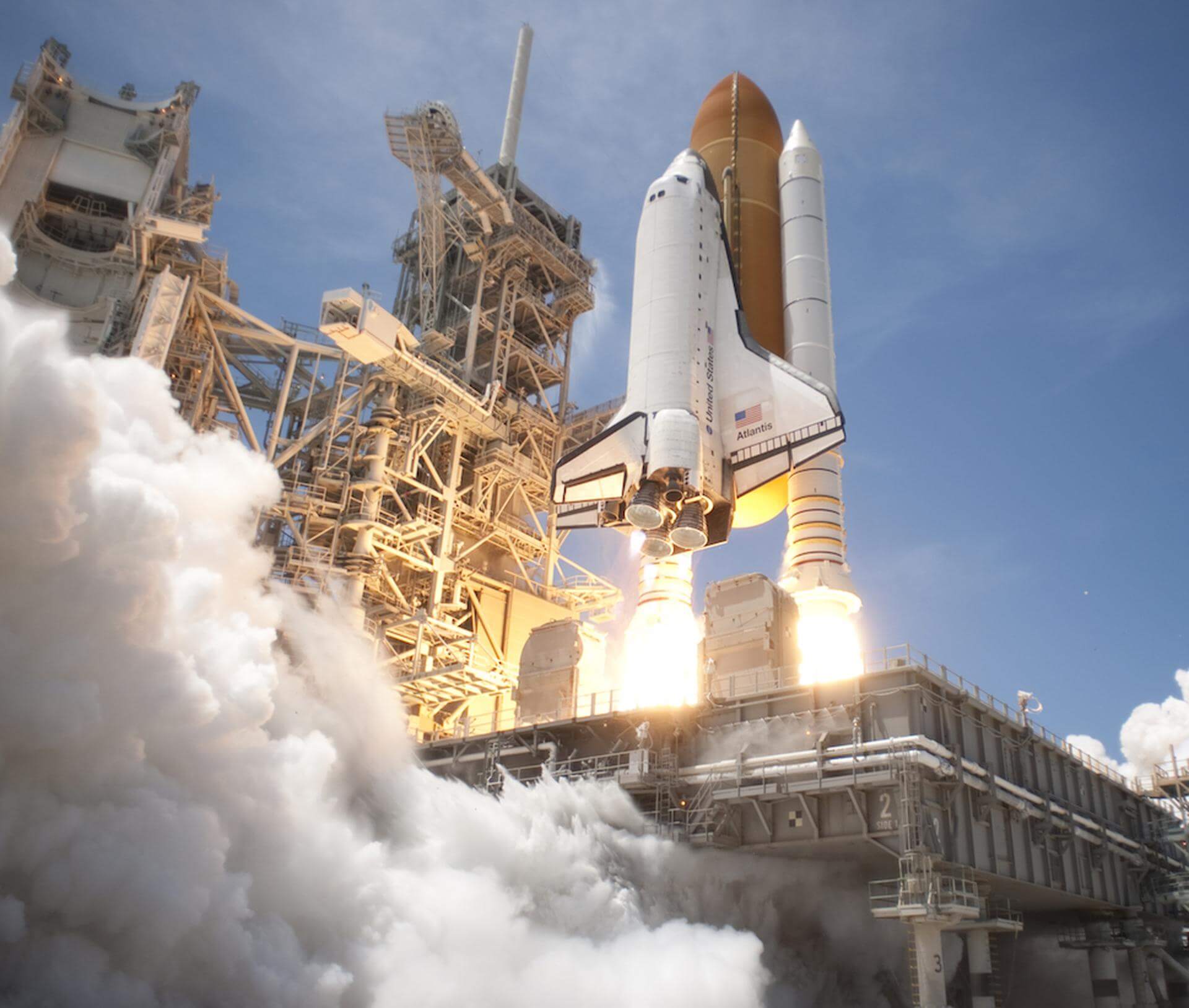
Boeing CST-100 Starliner faces up to one year delay before return-to-flight. NASA safety panel cites unresolved technical problems since mid-2024 crewed test.
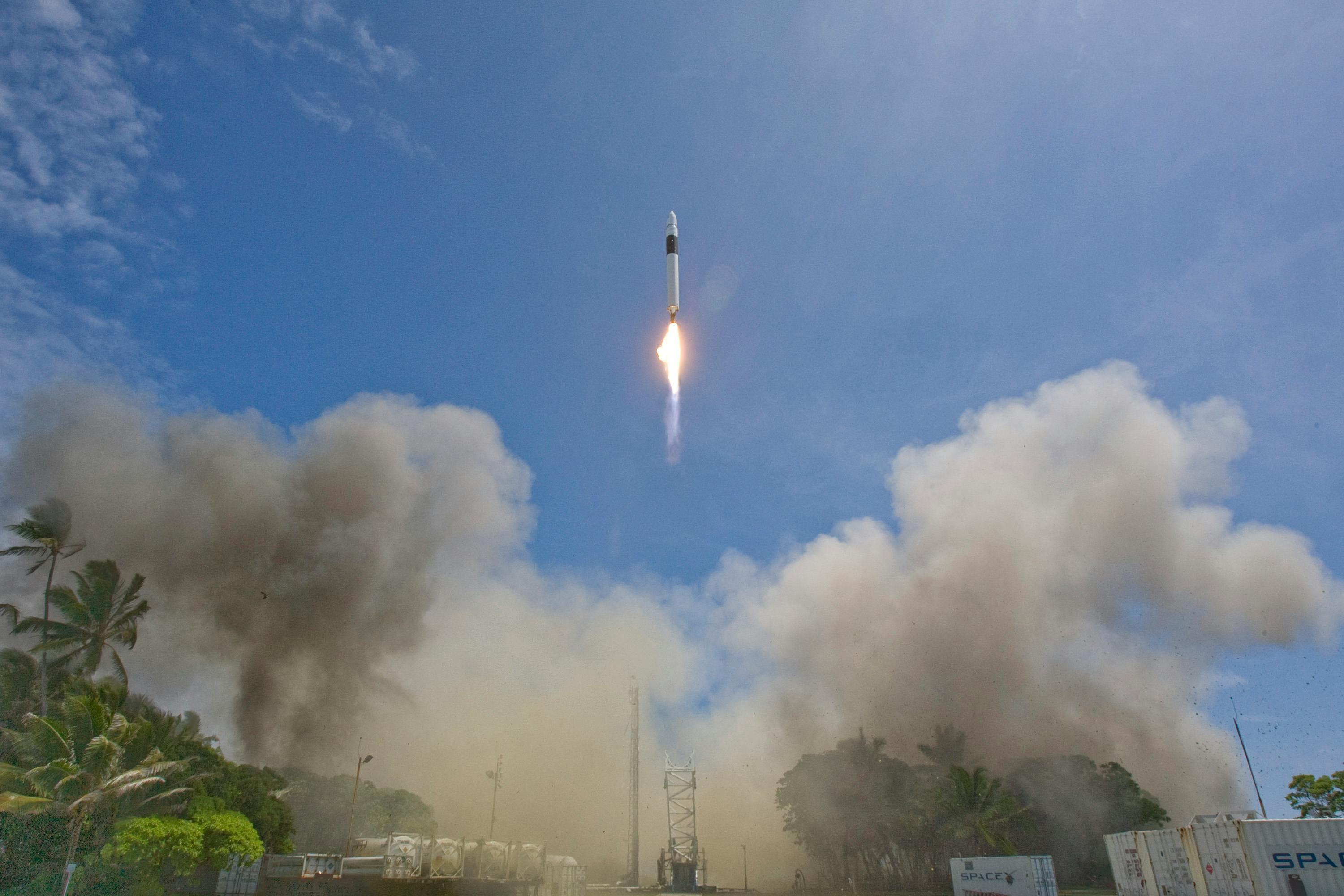
Today's brief highlights the successful launch of 29 Starlink satellites, progress on the Starship fleet, and ongoing adjustments in SpaceX's launch schedules.
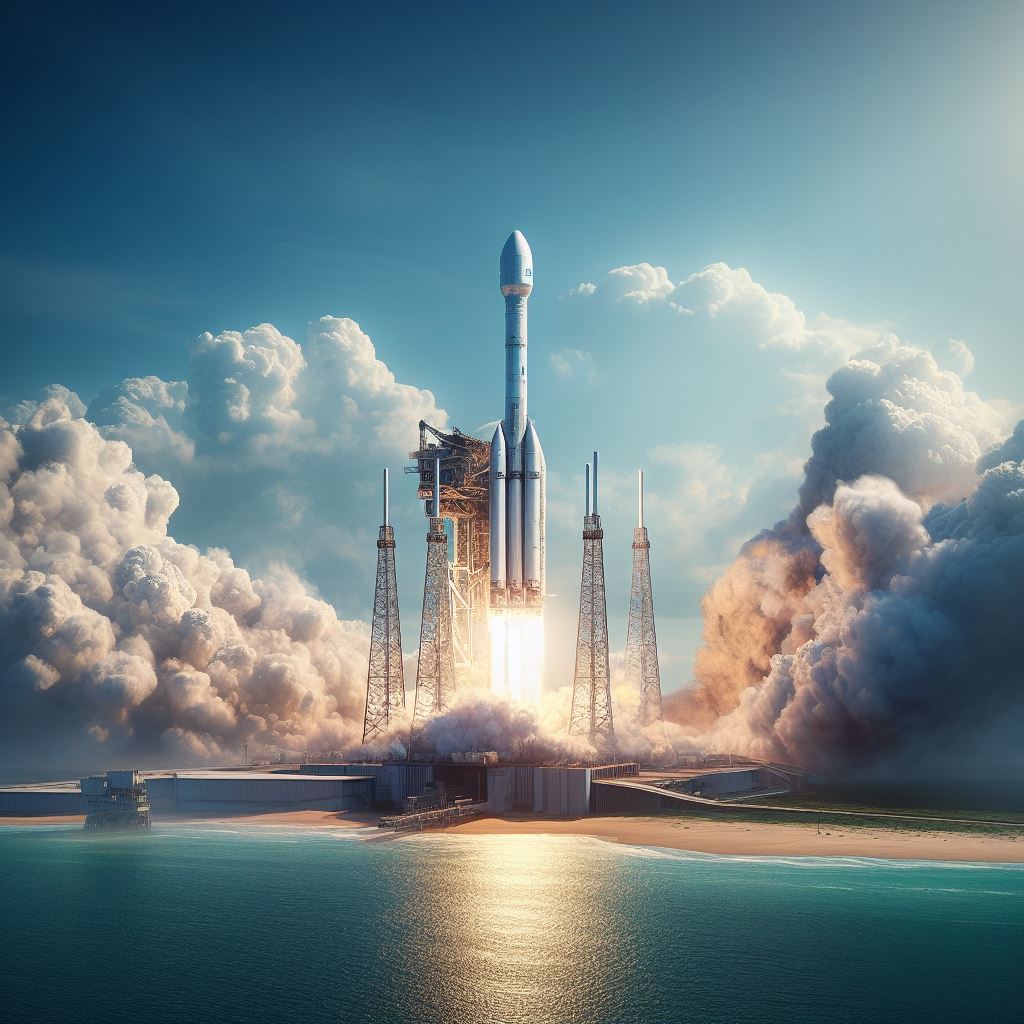
Super heavy-lift rockets are the most powerful launch vehicles ever built. They can send humans and cargo to the Moon, Mars, and beyond. But what are they, and why are they so important?
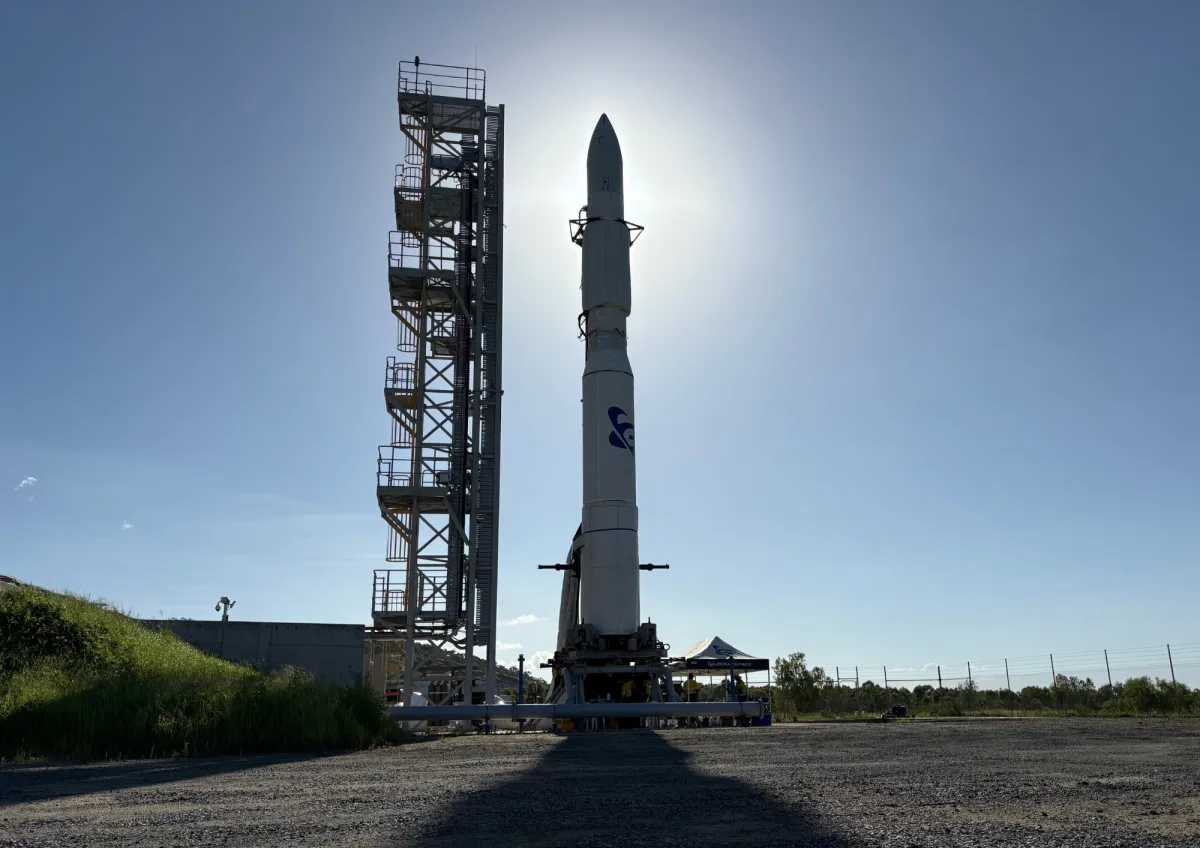
Key highlights include the launch of a Navy SEAL astronaut to the ISS, multi-billion dollar contracts awarded by the US Space Force, advancements in secure GPS technology, and a strategic ISR arrangement.