


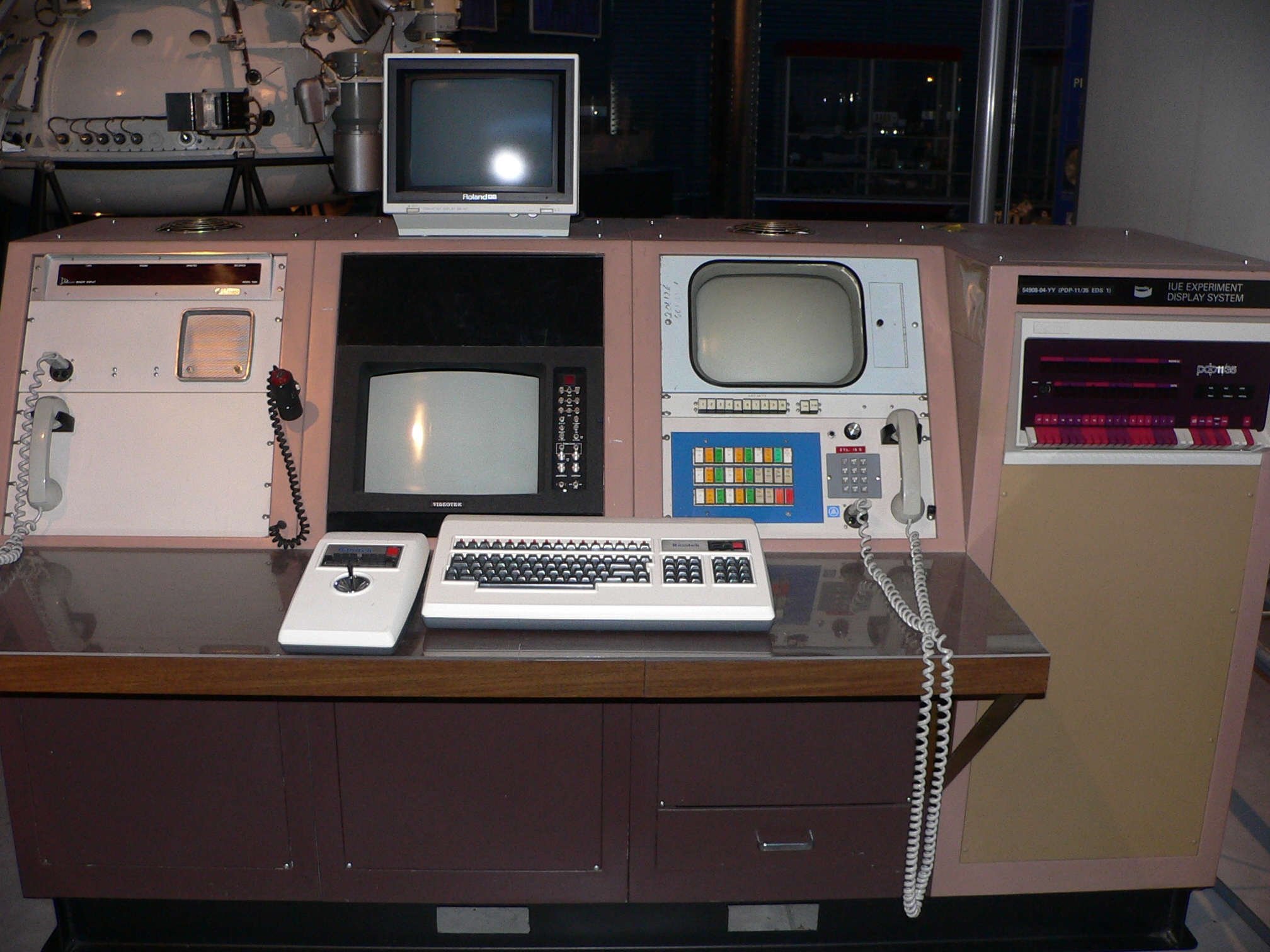
The Day Humanity Gained New Eyes on the Universe
Forty-seven years ago, a revolutionary space telescope changed our view of the cosmos, pioneering international cooperation in space-based astronomy



Launch Date
May 8, 2000
Launch Site
Launch Pad
LC40
Launch Vehicle
Titan 402B/IUS
NORAD ID
28156
International Designator
2000-024E
Epoch
Wed, 08 Apr 2026 10:20:38 GMT
Apogee
Calculating...
Perigee
Calculating...
Inclination
13.67°
Right Ascension
12.00°
Eccentricity
Calculating...
Argument of Perigee
347.07°
Period
1443.54 min
Mean Motion
1.00 rev/day
Latitude
Calculating...
Longitude
Calculating...
Altitude
Calculating...
Velocity
Calculating...
Name
USA 149 DEB
Alternative Name
DSP F20 Aperture Cover
Type
Status
Owner
AFSMC
Country
United States
Constellation
N/A
Related Satellites
Major Events
N/A
1 28156U 00024E 26097.43100446 -.00000008 00000-0 00000-0 0 9993
2 28156 13.6658 12.0000 0166245 347.0654 12.4831 0.99754675 23959
Source: Celestrak
Length
0.1
Diameter
0.6
Span
0.6
Dry Mass
1
Launch Mass
1
Shape
Disk
Radar Cross Section
Unknown
Visual Magnitude
Unknown
Color
Unknown
Material Composition
Unknown
Payload
Unknown
Purpose
Unknown
Mission
Unknown
Manufacturer
Unknown
Life Expectancy
Unknown
Bus
Unknown
Configuration
Unknown
Motor
Unknown
Equipment
Unknown
Power System
Unknown
ADCS
Unknown
Transmitter Frequency
Unknown
Learn more about satellites and other related topics.
Forty-seven years ago, a revolutionary space telescope changed our view of the cosmos, pioneering international cooperation in space-based astronomy
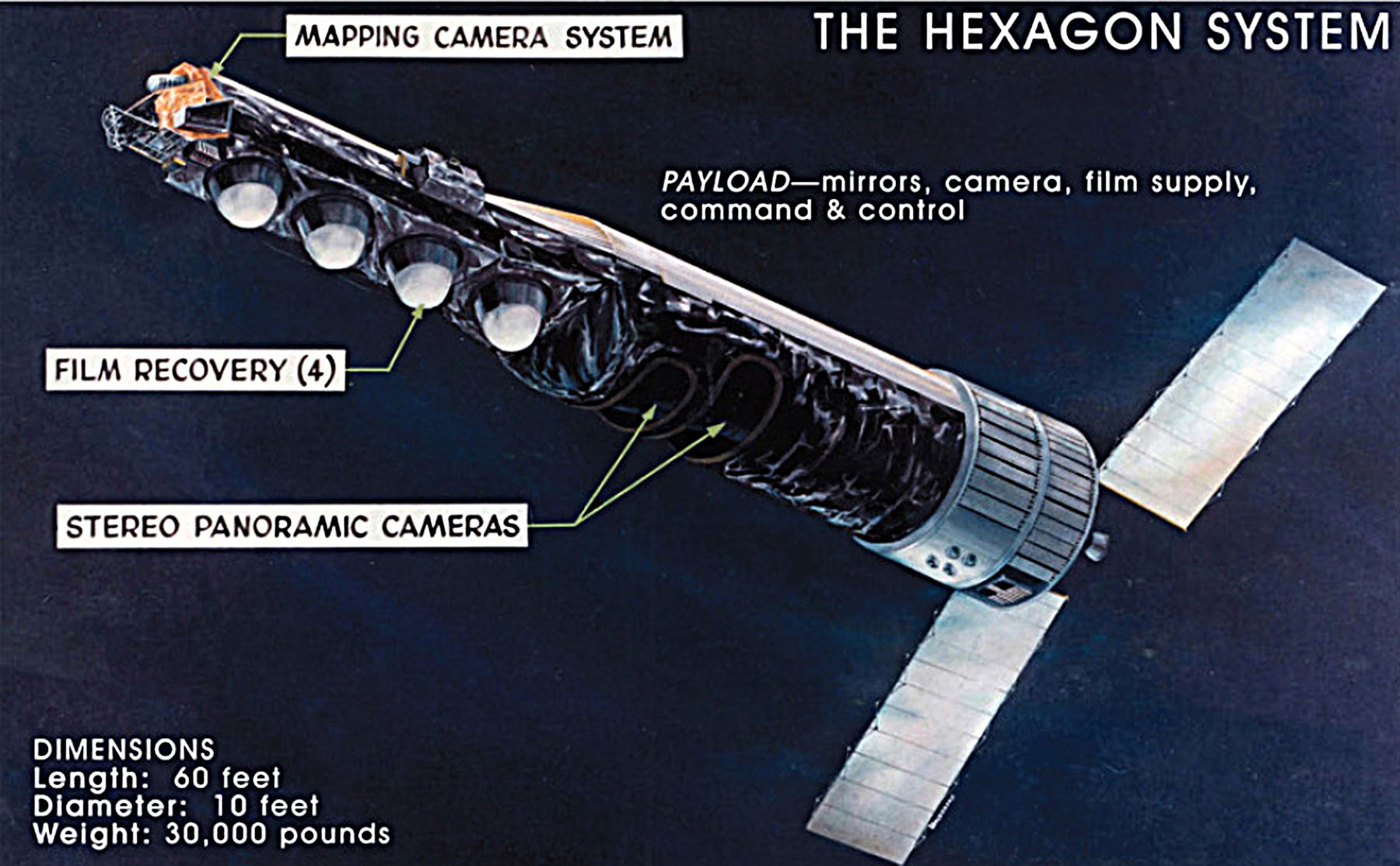
On January 20, 1972, the second KH-9 HEXAGON lifted off from Vandenberg - carrying the most sophisticated reconnaissance system ever built by engineers who weren't allowed to say 'film,' 'camera,' or even talk to each other about what they were doing.
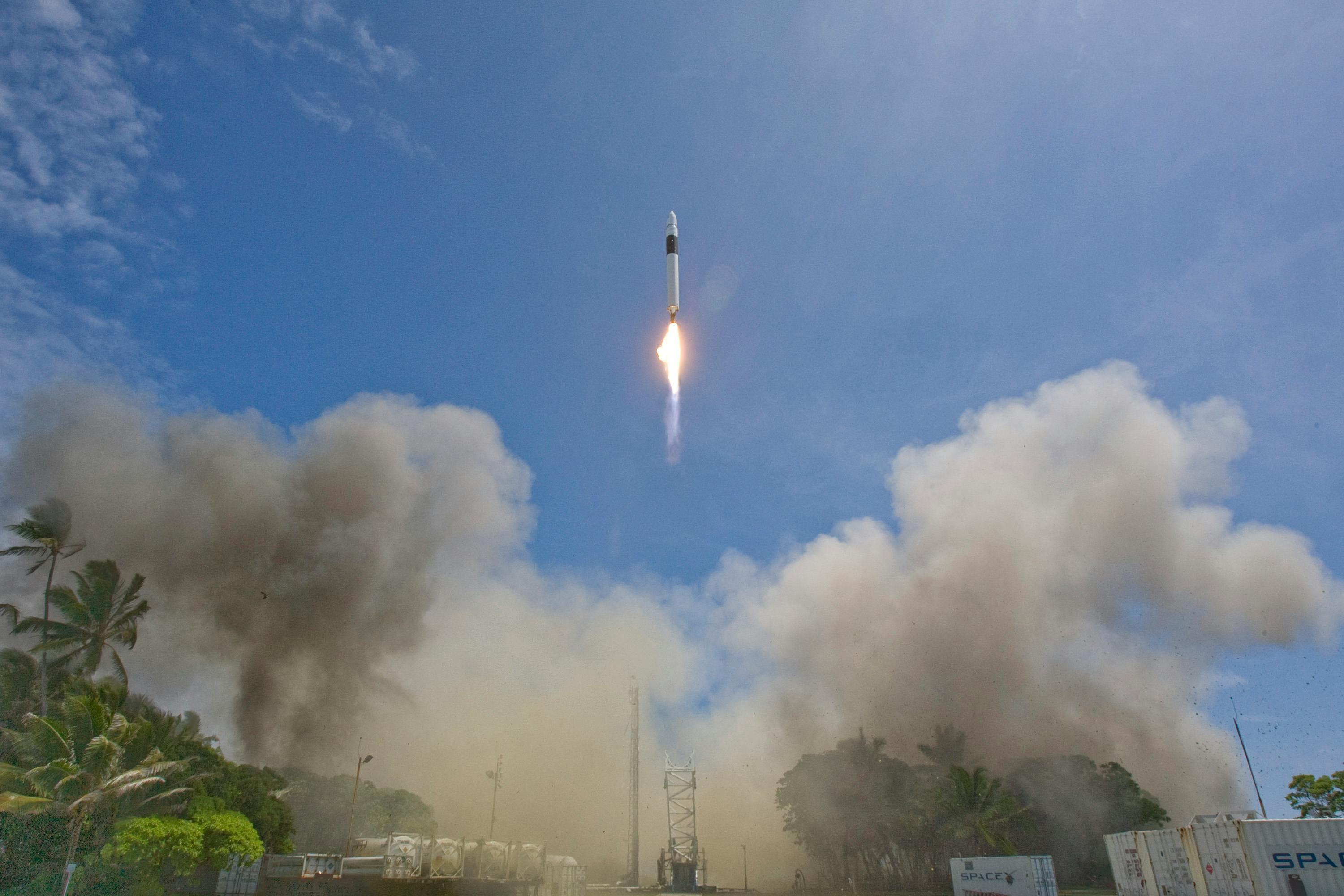
SpaceX celebrates significant milestones with its Starship preparations, approaches a landmark Falcon booster landing, and enhances the ISS orbit with Dragon technology.
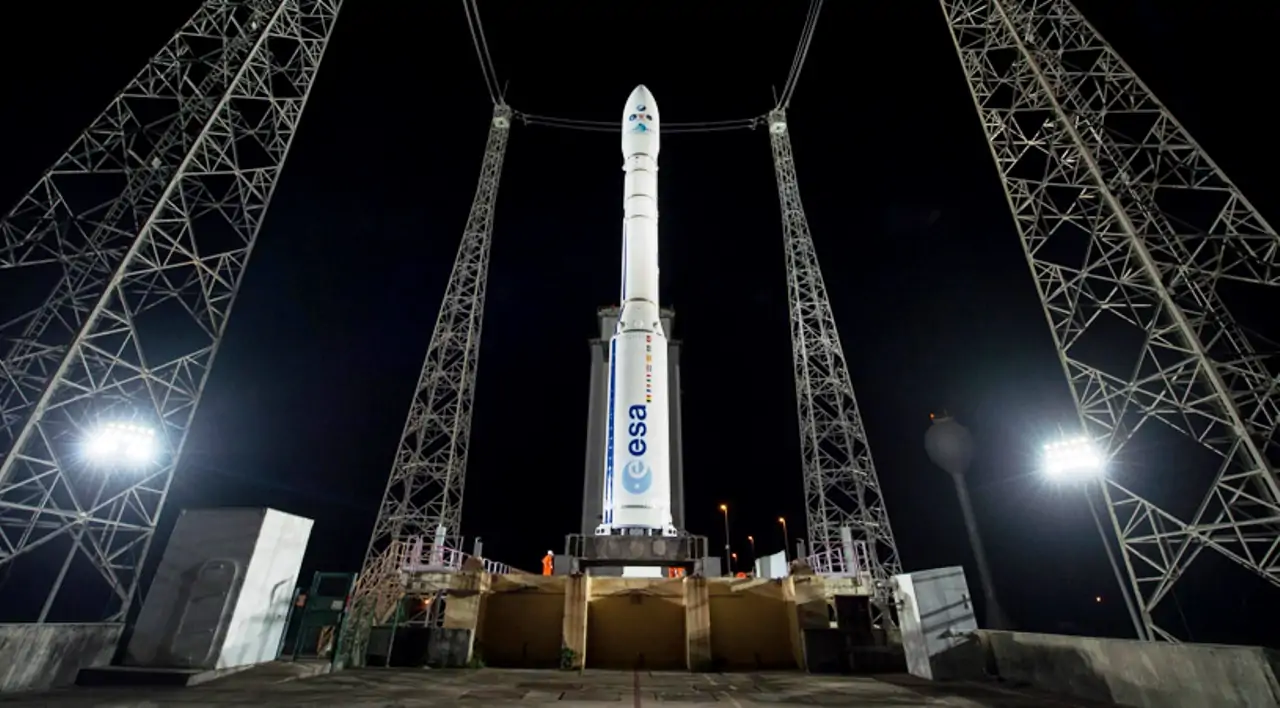
Thirteen years ago, a new rocket lifted off from the edge of the Amazon rainforest, marking Europe's entry into the small satellite launch market and carrying the dreams of university students across a continent
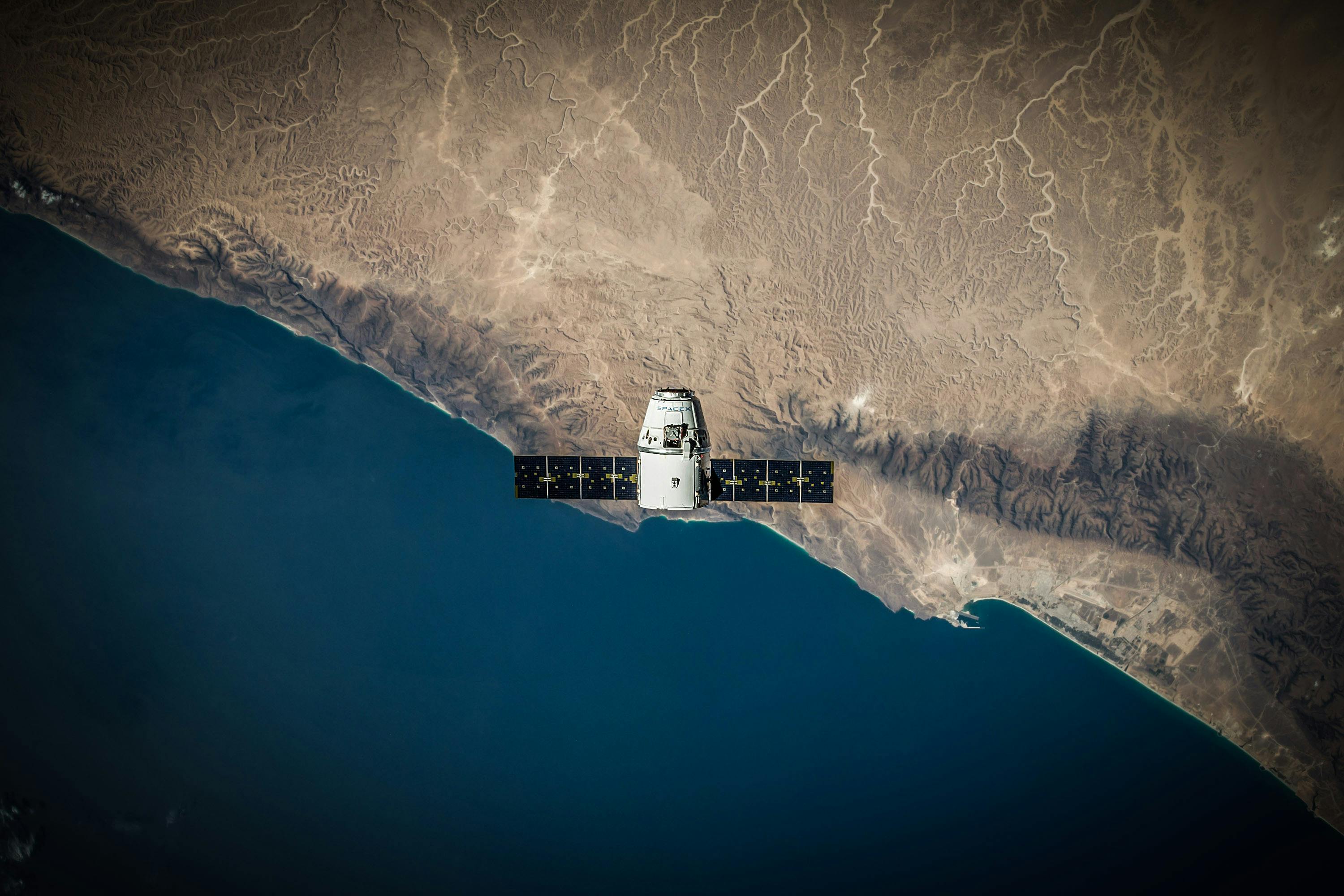
DIU explores SpaceX Starship's in-space refueling; Investors advise startups against competing or emulating SpaceX.

Space Force selects 14 companies for $1.8 billion Andromeda program to replace GSSAP geosynchronous surveillance satellites with commercial alternatives through 2036.

Explore the dynamic realms of Earth's orbits, from LEO to GEO, unraveling the crucial roles they play in global communication, navigation, and surveillance.
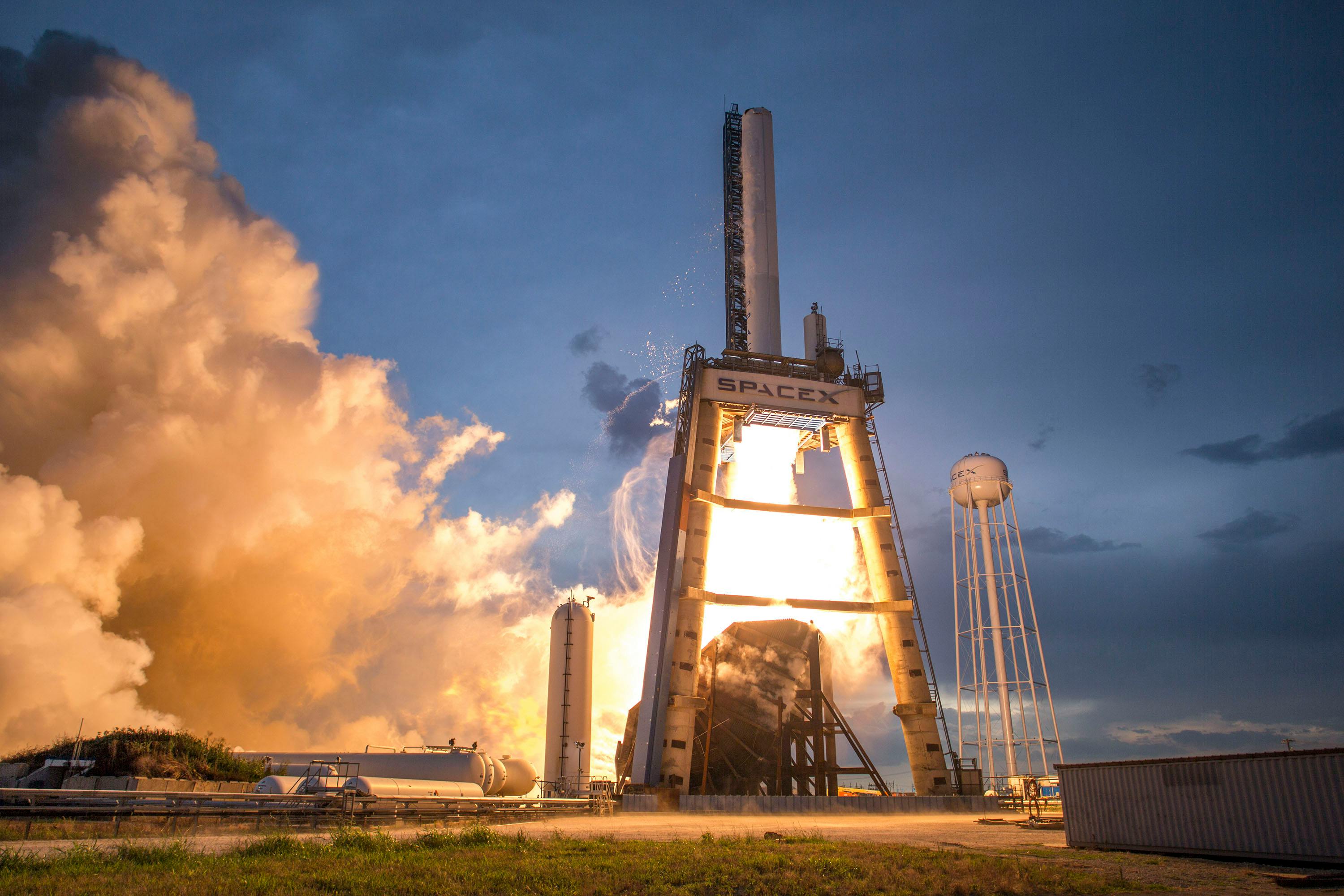
SpaceX wins a $4.16B Pentagon contract for missile-tracking satellites, while hitting its 50th Starlink launch of 2026 in a landmark May.