


Musk Locks In SpaceX Control With Trillion-Dollar Stake | KeepTrack X Report
Elon Musk moves to make himself unfireable at SpaceX as AT&T, T-Mobile, and Verizon back a rival D2D joint venture challenging Starlink Mobile.



Launch Date
October 22, 2001
Launch Site
SRILR
Launch Pad
FLP
Launch Vehicle
PSLV
NORAD ID
27164
International Designator
2001-049DL
Decay Date
5/28/2002
Name
PSLV DEB
Alternative Name
deb PSLV-C3 PS4
Type
Status
Owner
ISRO
Country
India
Constellation
N/A
Related Satellites
Major Events
N/A
Length
0
Diameter
0
Span
0
Dry Mass
0
Launch Mass
0
Shape
N/A
Radar Cross Section
0.0236
Visual Magnitude
Unknown
Color
Unknown
Material Composition
Unknown
Payload
Unknown
Purpose
Unknown
Mission
Unknown
Manufacturer
LPSC
Life Expectancy
Unknown
Bus
Unknown
Configuration
Unknown
Motor
Unknown
Equipment
Unknown
Power System
Unknown
ADCS
Unknown
Transmitter Frequency
Unknown
Learn more about satellites and other related topics.
Elon Musk moves to make himself unfireable at SpaceX as AT&T, T-Mobile, and Verizon back a rival D2D joint venture challenging Starlink Mobile.
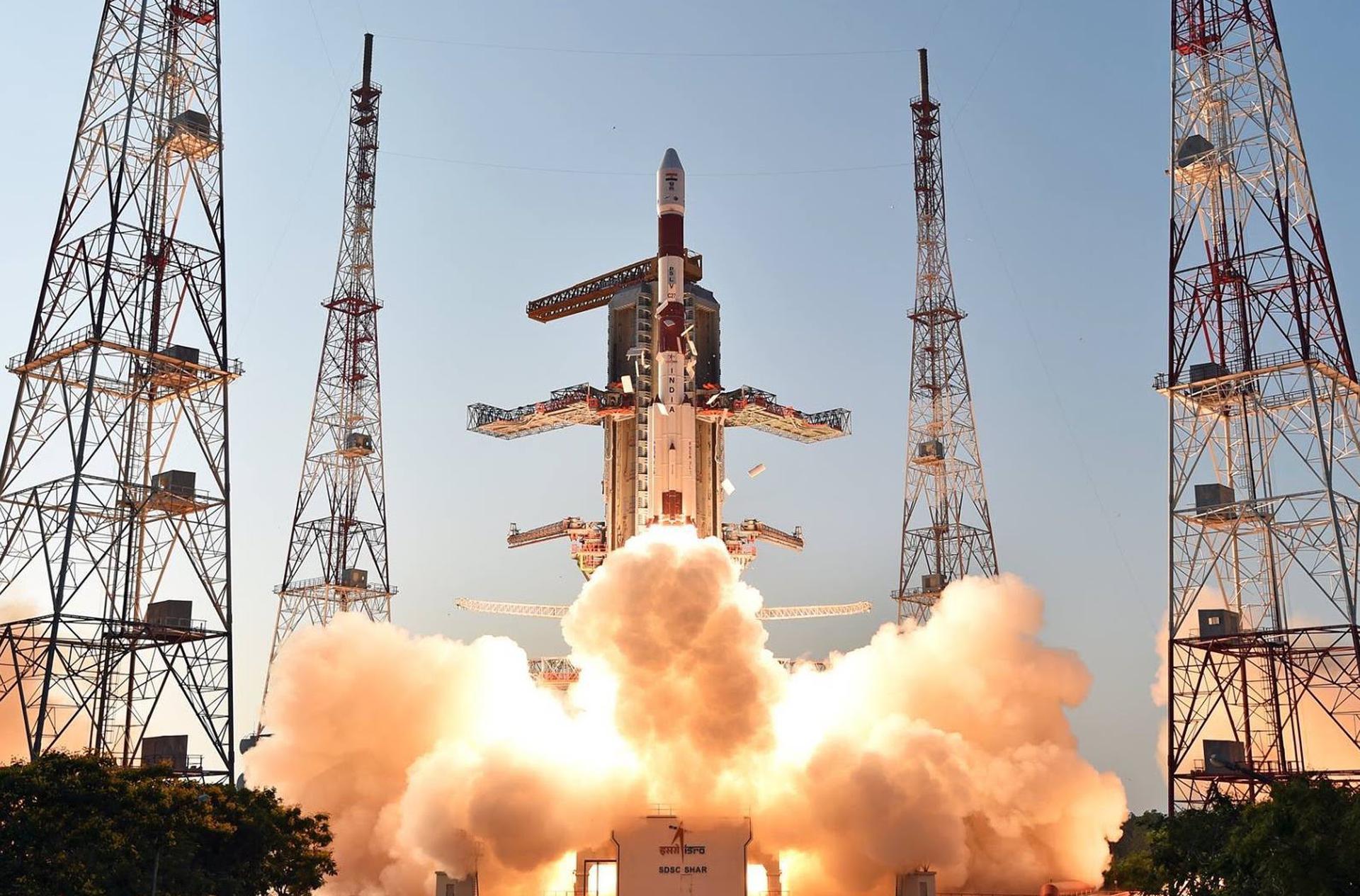
Today's highlights include China's latest satellite launches, Blue Origin's expansion plans, and Purdue University's groundbreaking suborbital mission with Virgin Galactic.
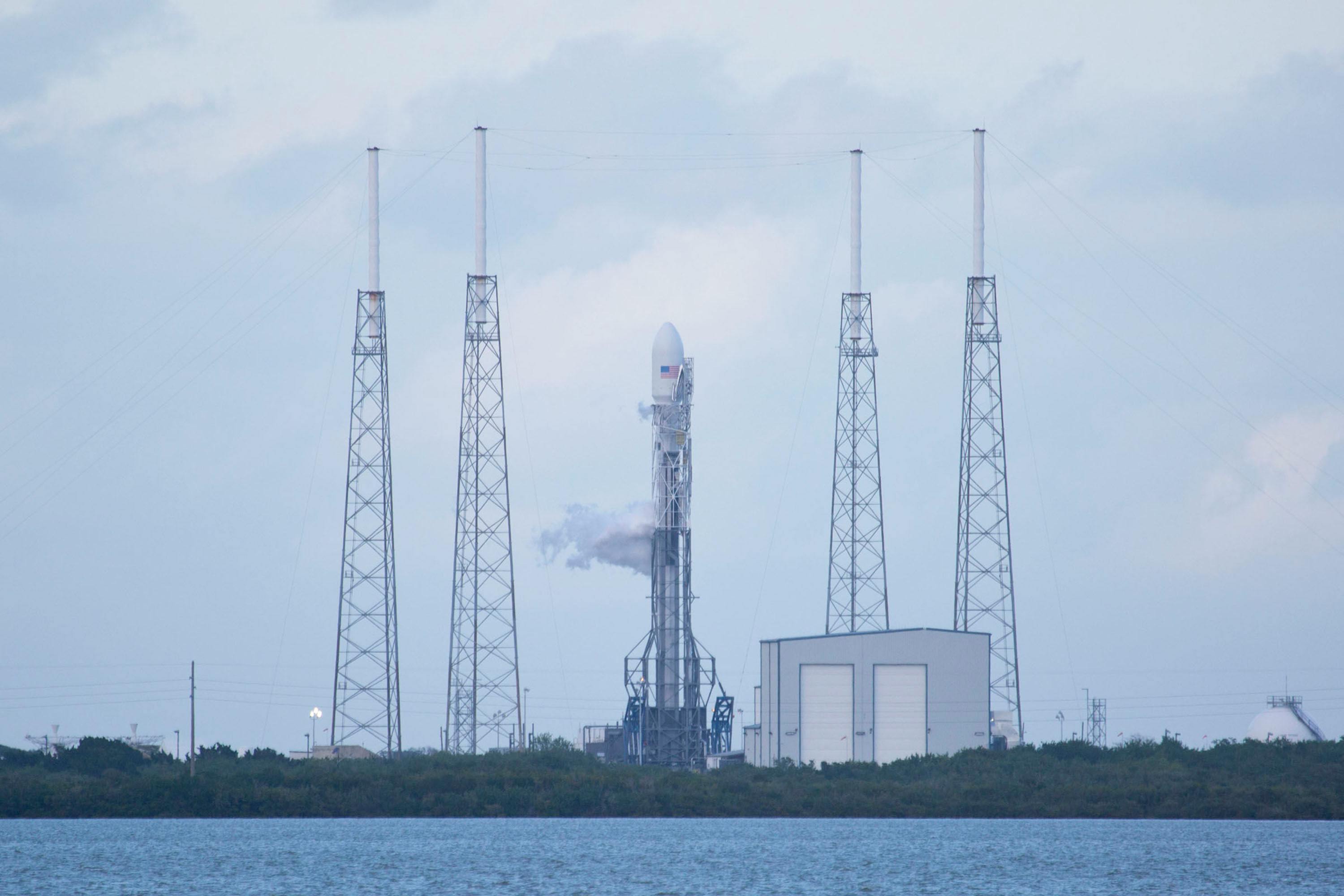
SpaceX prepares to launch 27 Starlink satellites in its first mission since the recent Starship explosion, while the FAA investigates debris reports from the failed test flight.
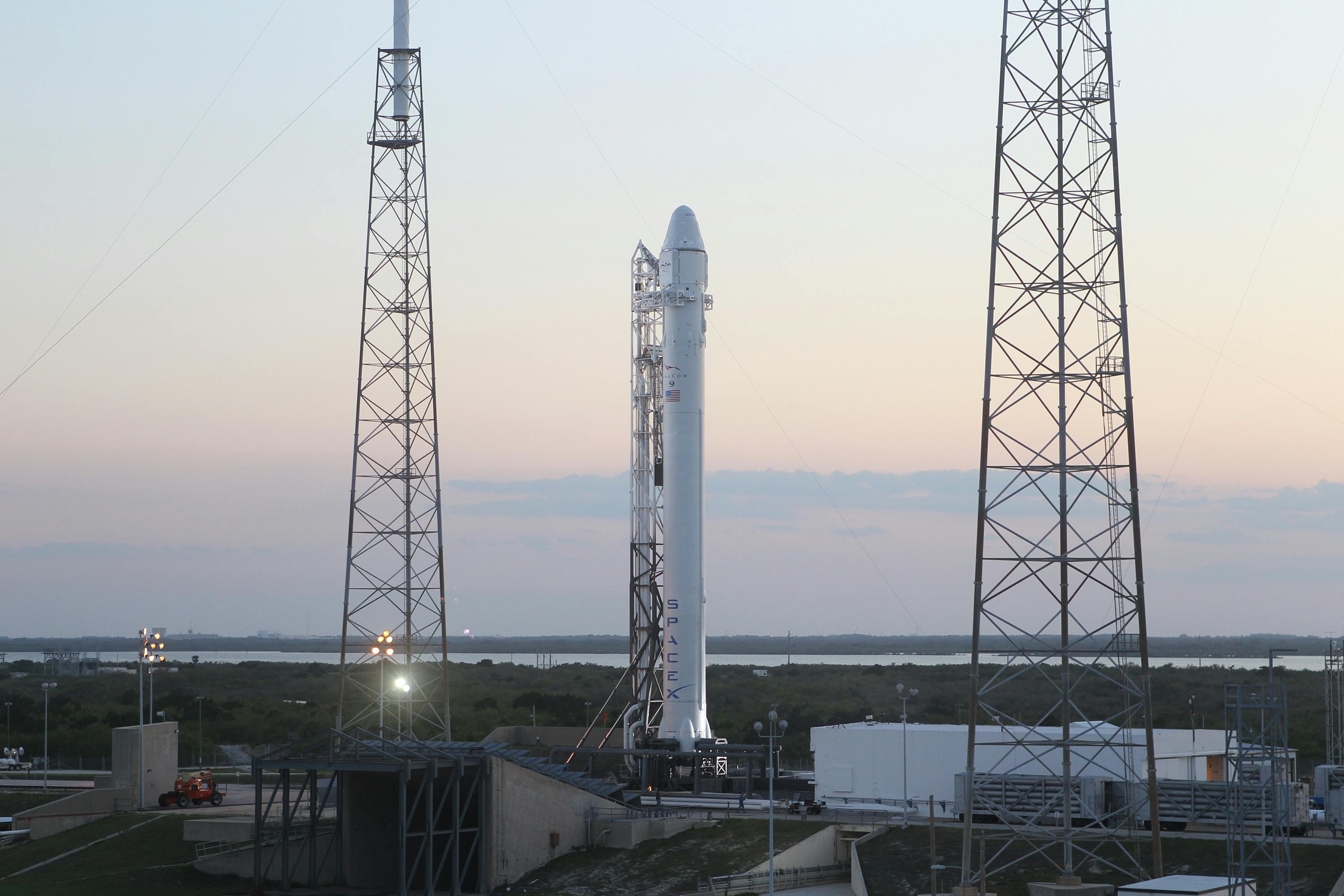
NASA's Inspector General warns of crew survival analysis gaps in Starship lunar lander program as Falcon 9 prepares to lead 8 global launches this week.
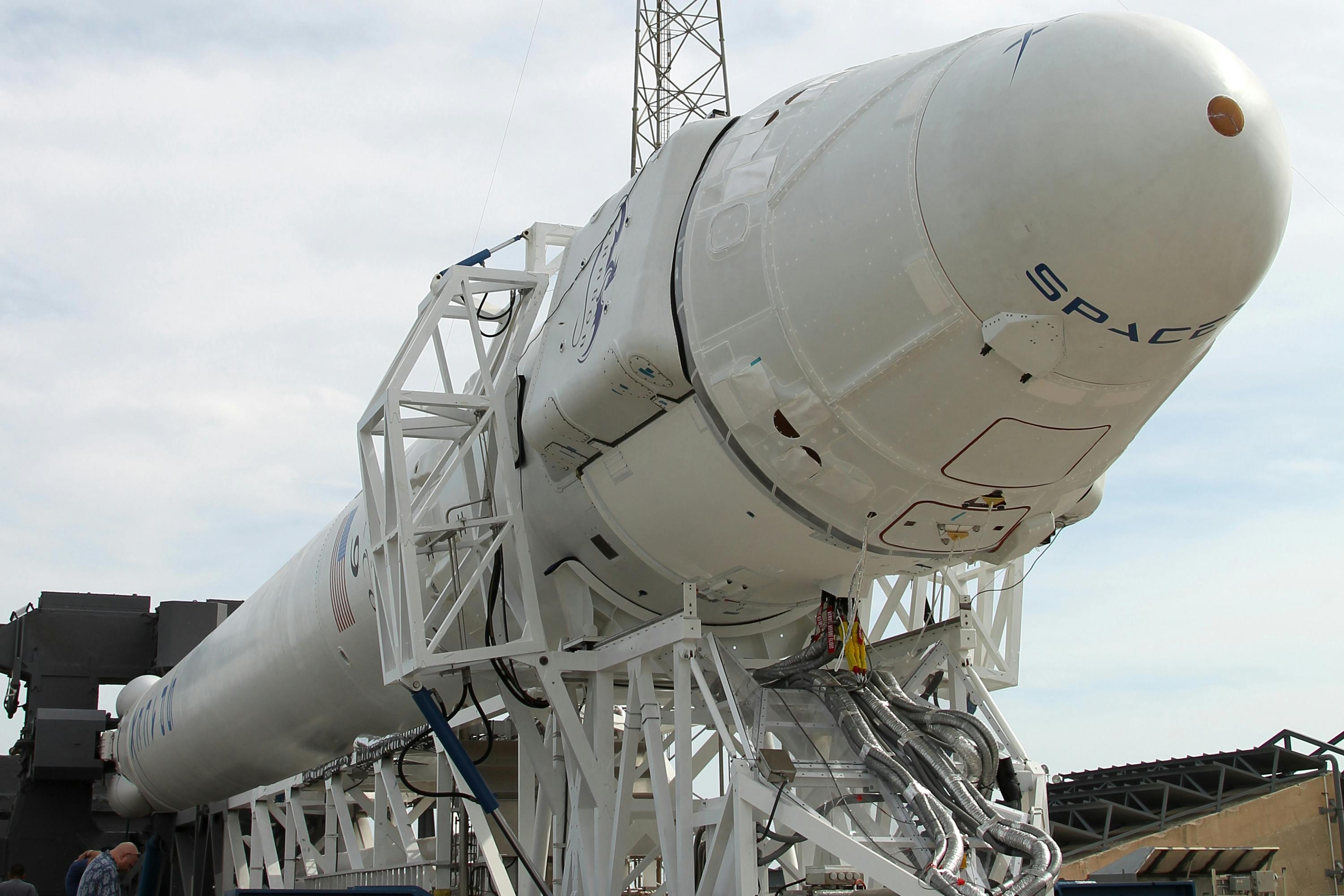
SpaceX targets July 16 for Starship Flight 13 from Starbase, aiming to fix Flight 12 issues and deploy working Starlink satellites.

GPS III SV10 launched April 21 on a SpaceX Falcon 9 with 3x better accuracy and 8x anti-jamming. Starlink stands at 10,263 working satellites.

Today's brief covers significant advancements in space satellite launches, military spending impacts on space, and notable developments from the Space Force and SpaceX.

On May 4, 1989, Space Shuttle Atlantis lifted off from LC-39B carrying Magellan, NASA's first interplanetary mission since 1978. The eleven-year drought ended in a payload bay, and the radar that emerged would map ninety-eight percent of Venus through clouds that no camera could ever see through.