

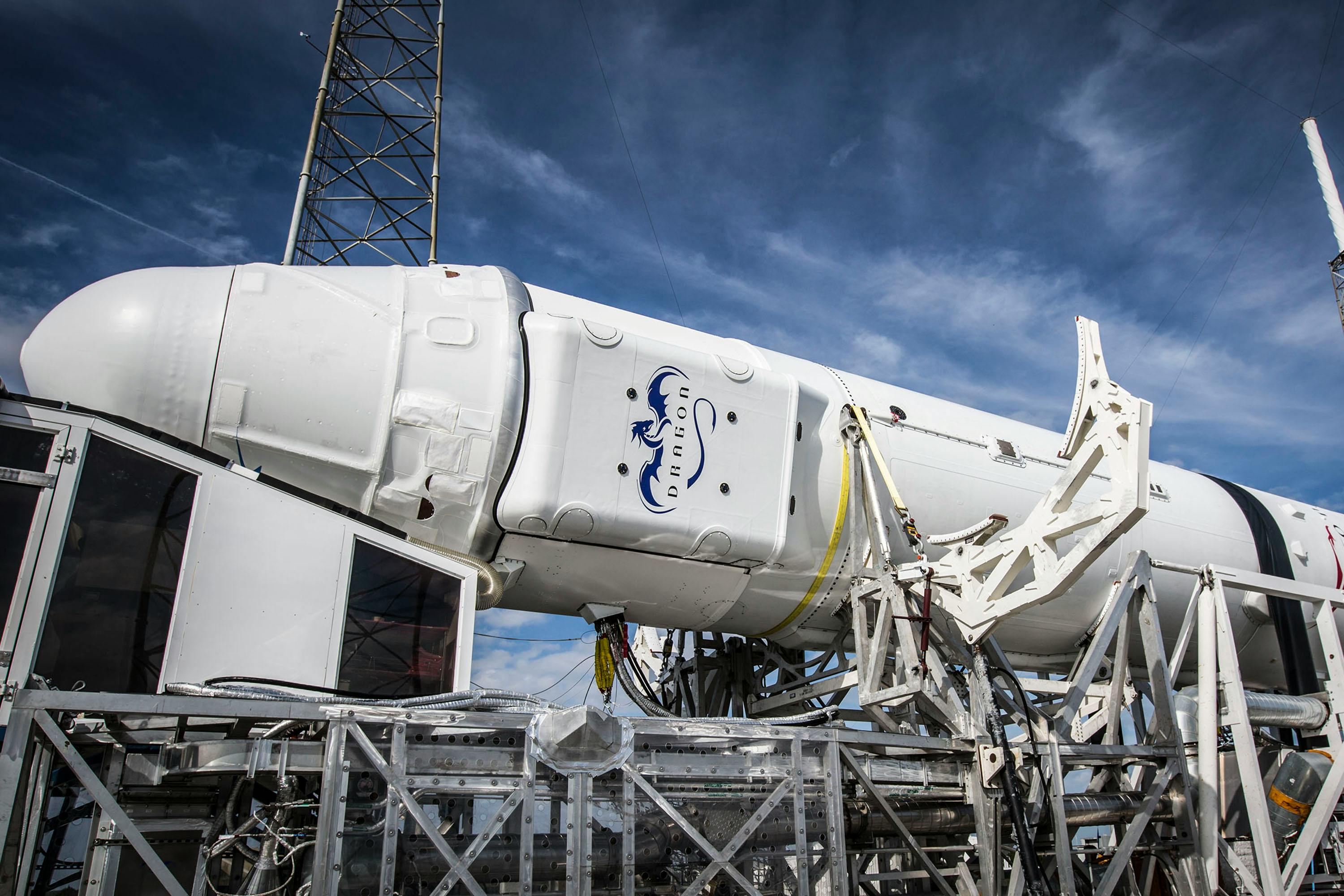
Second Starlink Debris Anomaly in 3 Months | KeepTrack X Report
A second Starlink satellite malfunction in just over three months has generated on-orbit debris, raising fresh questions about SpaceX's 10,151-strong working constellation.


Launch Date
August 10, 2001
Launch Site
Launch Pad
LC39A
Launch Vehicle
Space Shuttle
NORAD ID
26889
International Designator
2001-035B
Decay Date
1/30/2002
Name
SIMPLESAT 1
Alternative Name
Simplesat
Type
Status
Owner
GSFC
Country
United States
Constellation
N/A
Related Satellites
Major Events
N/A
Length
0.7
Diameter
0.5
Span
0.7
Dry Mass
52
Launch Mass
52
Shape
Oct Cyl
Radar Cross Section
0.1784
Visual Magnitude
Unknown
Color
Unknown
Material Composition
Unknown
Payload
Simplesat
Purpose
Astronomy, technology
Mission
Astronomy, technology
Manufacturer
GSFC
Life Expectancy
Unknown
Bus
Simplesat
Configuration
66 cm tall, 50 cm diameter octagonal prism, 3-axis stabilized, inertial pointing
Motor
None
Equipment
30 cm diameter optics, commercial CCD camera detector
Power System
Solar cells, batteries
ADCS
Unknown
Transmitter Frequency
Unknown
Learn more about satellites and other related topics.
A second Starlink satellite malfunction in just over three months has generated on-orbit debris, raising fresh questions about SpaceX's 10,151-strong working constellation.

DARPA's robotic satellite servicing mission targets GEO orbit by summer 2026. NASA adds six SpaceX crew missions as Boeing Starliner remains uncertified.
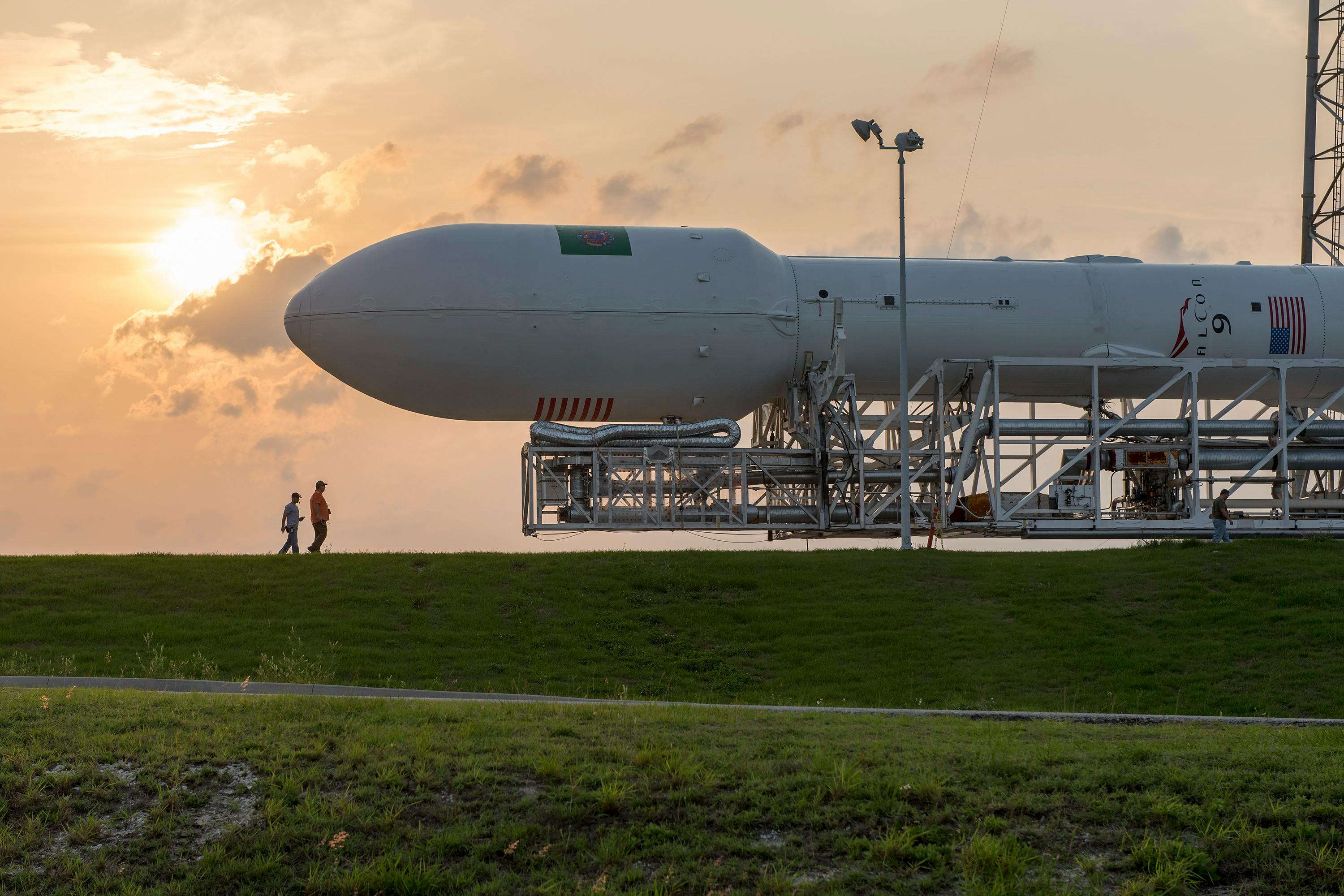
SpaceX debuted on Nasdaq as SPCX at $135/share, raising a record $75B and pushing Elon Musk's net worth past $1 trillion for the first time.
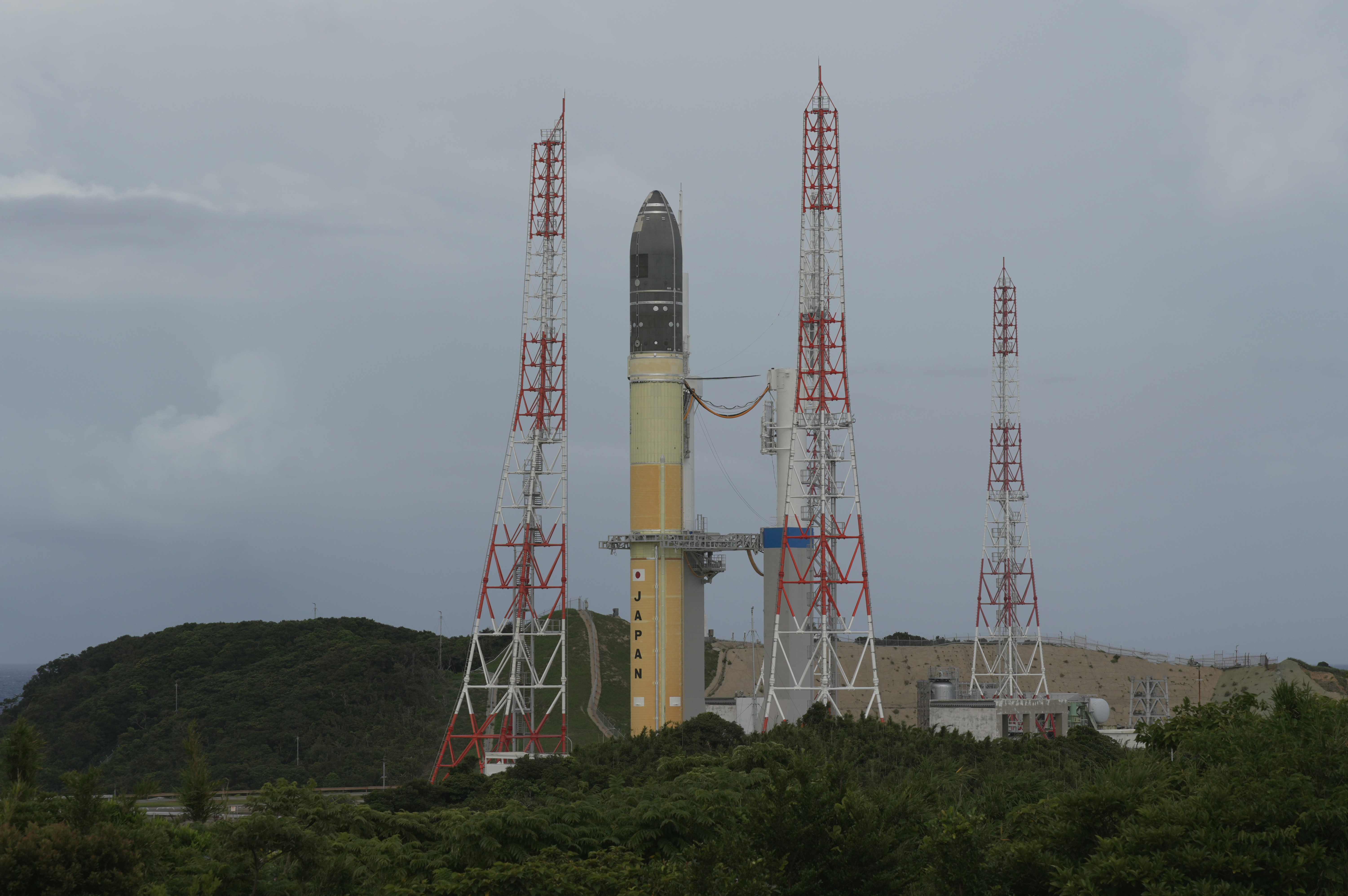
NASA demands Blue Origin find alternate launcher for Artemis moon landers after New Glenn test explosion damaged Cape Canaveral LC-36. Schedule risk to lunar missions.
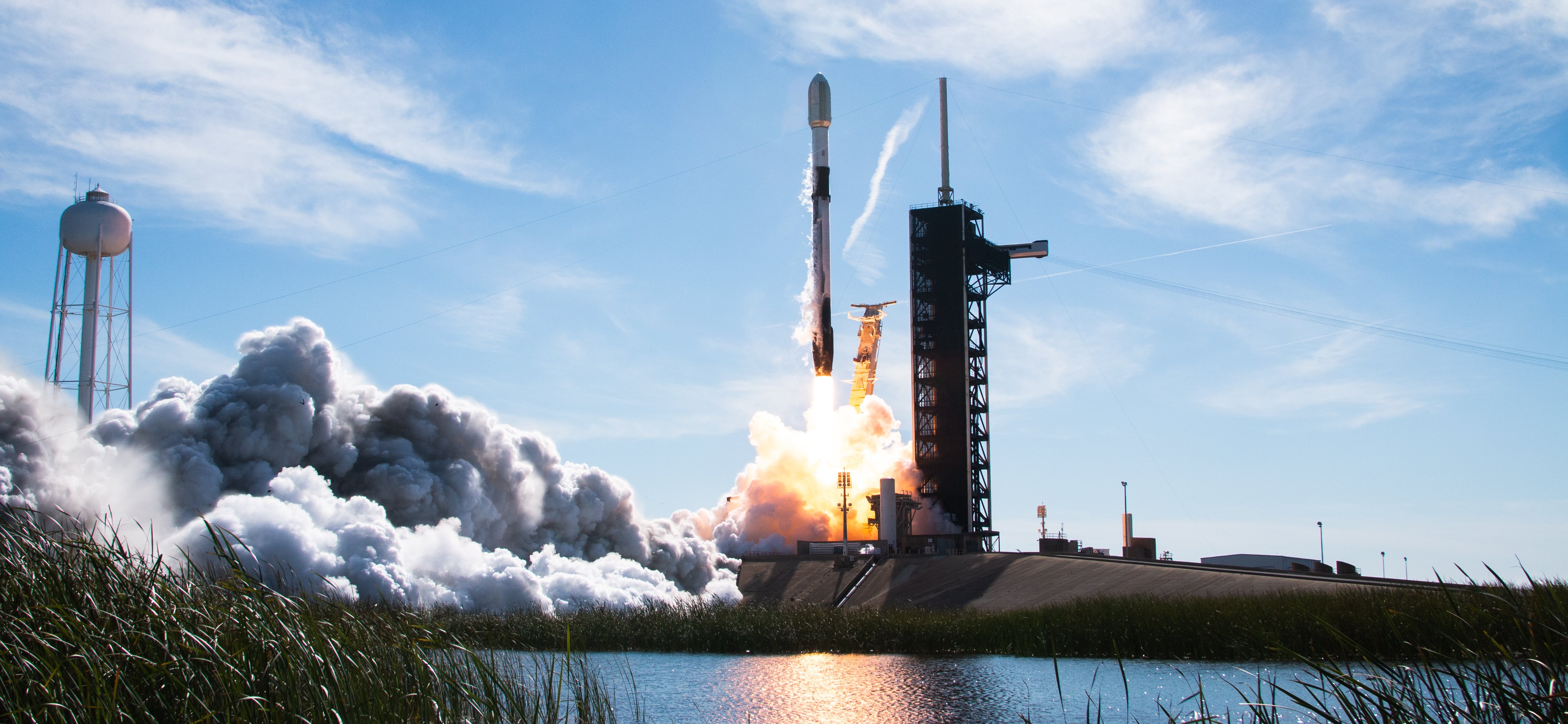
Today's highlights include China's lunar collaboration with Russia, new insights from Magellan's Venus mission, and stunning 8K images of the sun.

Today's brief covers China's latest classified satellite launch, breakups in orbital refueling experiments, exciting advancements in microsatellites, and SpaceX's remarkable strides in spaceflight.
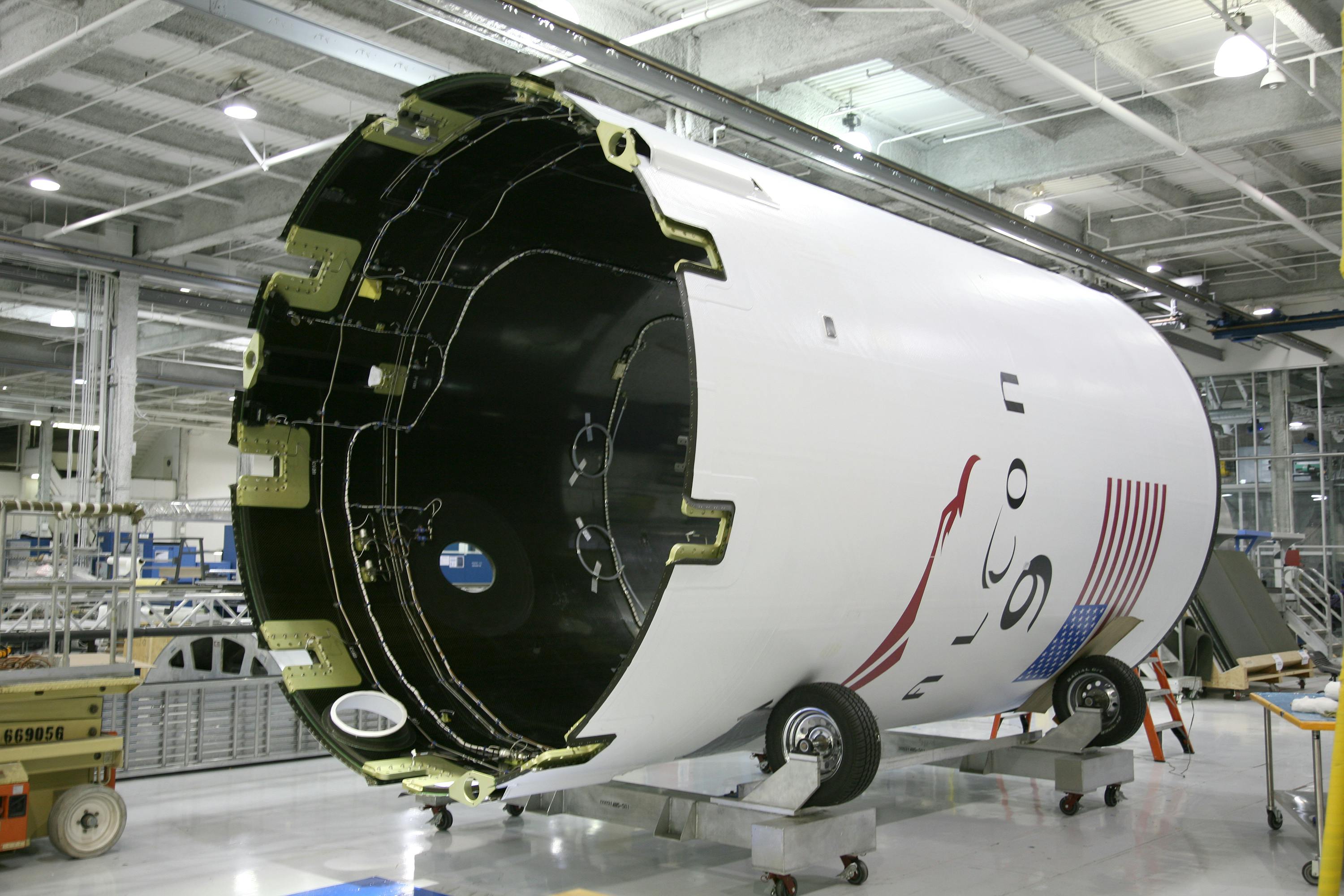
SpaceX prepares for a monumental sixth Starship test flight while achieving a historic Falcon 9 booster landing. Meanwhile, a Starlink satellite lights up the night sky as it reenters Earth's atmosphere.
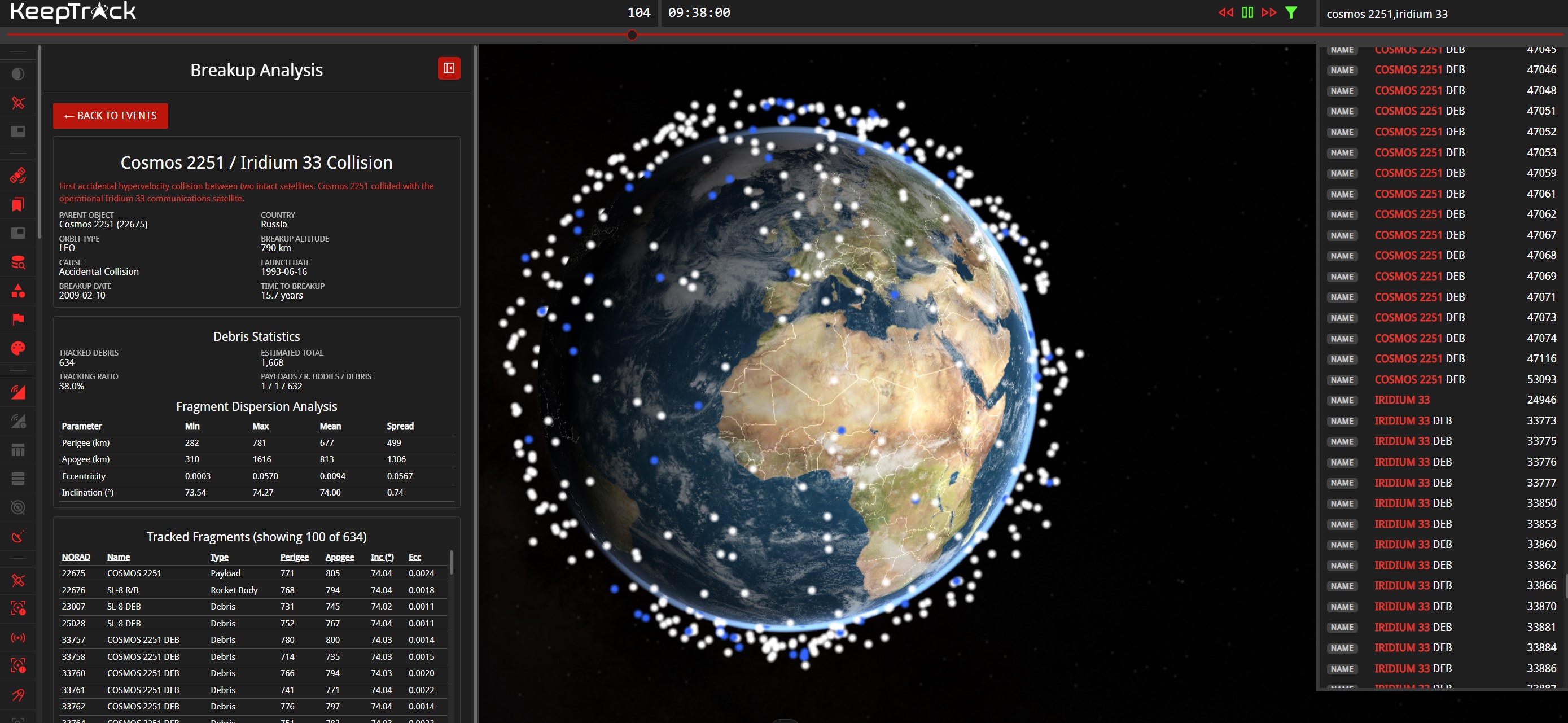
On February 10, 2009, an active Iridium communications satellite and a derelict Soviet military spacecraft slammed into each other 789 kilometers above Siberia. The collision produced more than 2,300 pieces of trackable debris that are still up there. Seventeen years later, the Iridium-Cosmos collision remains the event that made space debris a policy problem the world could no longer ignore.