

Boeing Starliner Grounded Until Mid-2027, NASA Warns | KeepTrack Space Brief
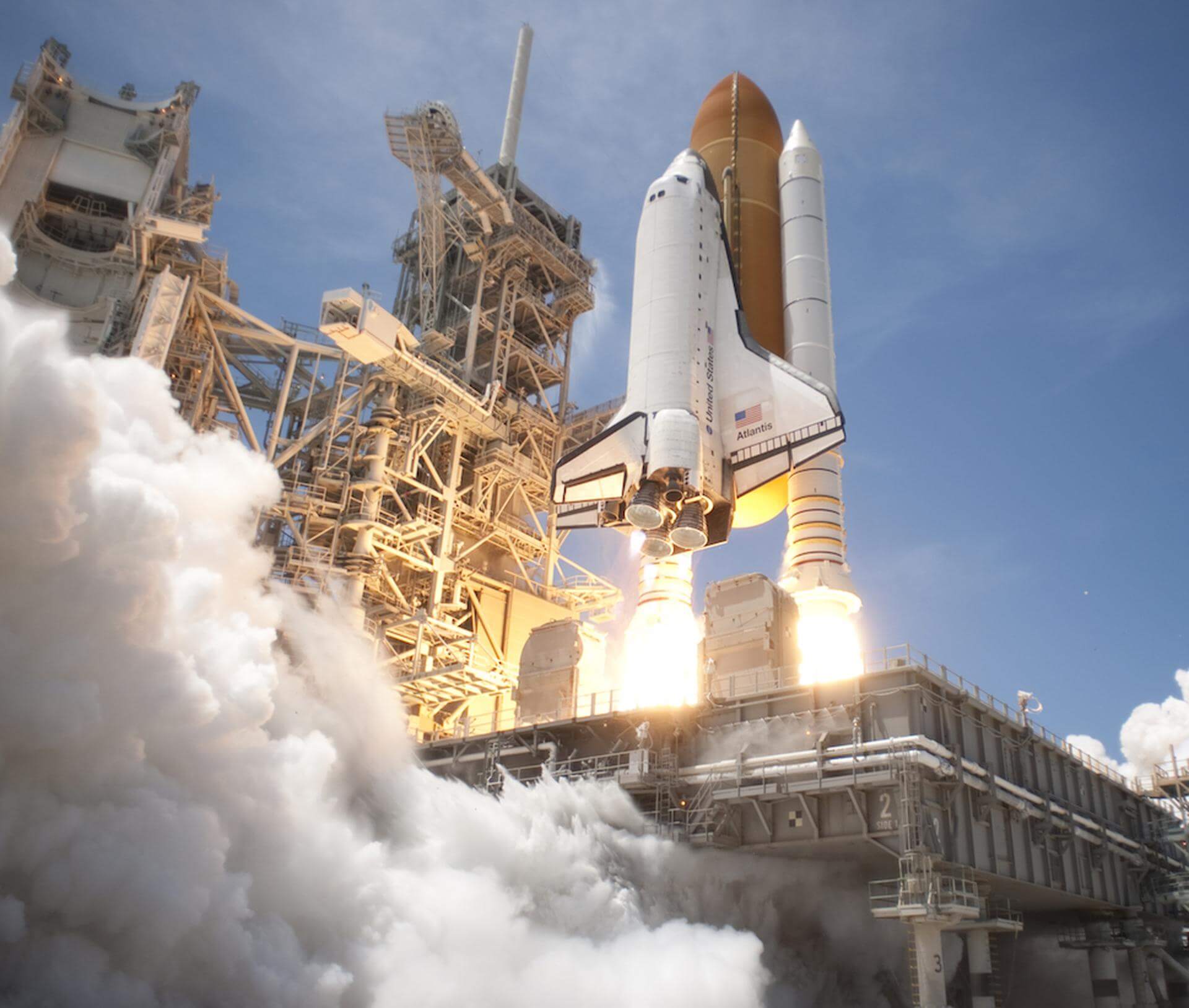
Boeing CST-100 Starliner faces up to one year delay before return-to-flight. NASA safety panel cites unresolved technical problems since mid-2024 crewed test.


Launch Date
July 31, 2001
Launch Site
PLMSC
Launch Pad
LC32/2
Launch Vehicle
Tsiklon-3
NORAD ID
26873
International Designator
2001-032A
Decay Date
12/6/2005
Name
CORONAS F
Alternative Name
Koronas F
Type
Status
Owner
IKI/YUZHUA
Country
Russia
Constellation
N/A
Related Satellites
Major Events
N/A
Length
5
Diameter
2.3
Span
12
Dry Mass
2260
Launch Mass
2260
Shape
Cyl + 2 Pan
Radar Cross Section
15.5277
Visual Magnitude
Unknown
Color
Unknown
Material Composition
Unknown
Payload
AUOS-SM-KF No. 701
Purpose
Science, solar
Mission
Science, solar
Manufacturer
YUZHUA
Life Expectancy
Unknown
Bus
AUOS
Configuration
AUOS-SM
Motor
Unknown
Equipment
Unknown
Power System
8 deployable fixed solar arrays, batteries
ADCS
Unknown
Transmitter Frequency
Unknown
Learn more about satellites and other related topics.
Boeing CST-100 Starliner faces up to one year delay before return-to-flight. NASA safety panel cites unresolved technical problems since mid-2024 crewed test.
Highlights of today's Space Brief include advancements in missile defense systems, a historic lunar project by NASA, and strategic military investments in satellite technology.

SpaceX delays the much-anticipated Falcon Heavy launch of the secretive X-37B military spaceplane, marking a significant moment in space exploration and military technology.

SpaceX secured a $60B option to acquire Cursor AI while launching its 40th Falcon 9 mission of 2026, deploying 24 more Starlink satellites from Vandenberg.

Today's briefing covers strategic military developments including missile defense proposals and board realignments, intertwined with rising space defense exports and autonomous launcher progress.
SpaceX prepares for a historic Falcon 9 landing attempt in The Bahamas, while also contributing to FAA air traffic control modernization.

Missile strike damages SES teleport facility in Israel amid military operations. Anduril acquires ExoAnalytic's 130-person space tracking team, integrating satellite/missile surveillance into defense portfolio.
Today's briefing highlights major advancements in tactical satellite communications for military applications, the expansion of an IoT satellite constellation by China's Geespace, and significant developments in lunar communications and surveillance systems.