



White House Orders Space Nuclear Power by 2028 | KeepTrack Space Brief
White House directs NASA and Pentagon to field space nuclear power systems by 2028, with DoD demonstration required by 2031. Game-changer for military satellite power budgets.



Launch Date
December 21, 1965
Launch Site
Launch Pad
LC41
Launch Vehicle
Titan IIIC
NORAD ID
26781
International Designator
1965-108AZ
Epoch
Fri, 03 Jul 2026 11:42:56 GMT
Apogee
Calculating...
Perigee
Calculating...
Inclination
27.35°
Right Ascension
289.07°
Eccentricity
Calculating...
Argument of Perigee
192.22°
Period
416.63 min
Mean Motion
3.46 rev/day
Latitude
Calculating...
Longitude
Calculating...
Altitude
Calculating...
Velocity
Calculating...
Name
TITAN 3C TRANSTAGE DEB
Alternative Name
deb Transtage 8
Type
Status
Owner
AFSSD
Country
United States
Constellation
N/A
Related Satellites
Major Events
N/A
1 26781U 65108AZ 26184.48814902 .00010537 00000-0 24791-1 0 9991
2 26781 27.3506 289.0699 6299138 192.2238 139.3780 3.45628995 83426
Source: Celestrak
Length
0
Diameter
0
Span
0
Dry Mass
0
Launch Mass
0
Shape
N/A
Radar Cross Section
0.1542
Visual Magnitude
Unknown
Color
Unknown
Material Composition
Unknown
Payload
Unknown
Purpose
Unknown
Mission
Unknown
Manufacturer
Unknown
Life Expectancy
Unknown
Bus
Unknown
Configuration
Unknown
Motor
Unknown
Equipment
Unknown
Power System
Unknown
ADCS
Unknown
Transmitter Frequency
Unknown
Learn more about satellites and other related topics.
White House directs NASA and Pentagon to field space nuclear power systems by 2028, with DoD demonstration required by 2031. Game-changer for military satellite power budgets.

Today's Space Brief covers crucial satellite events including upcoming launches, military space developments, and exceptional celestial sightings.
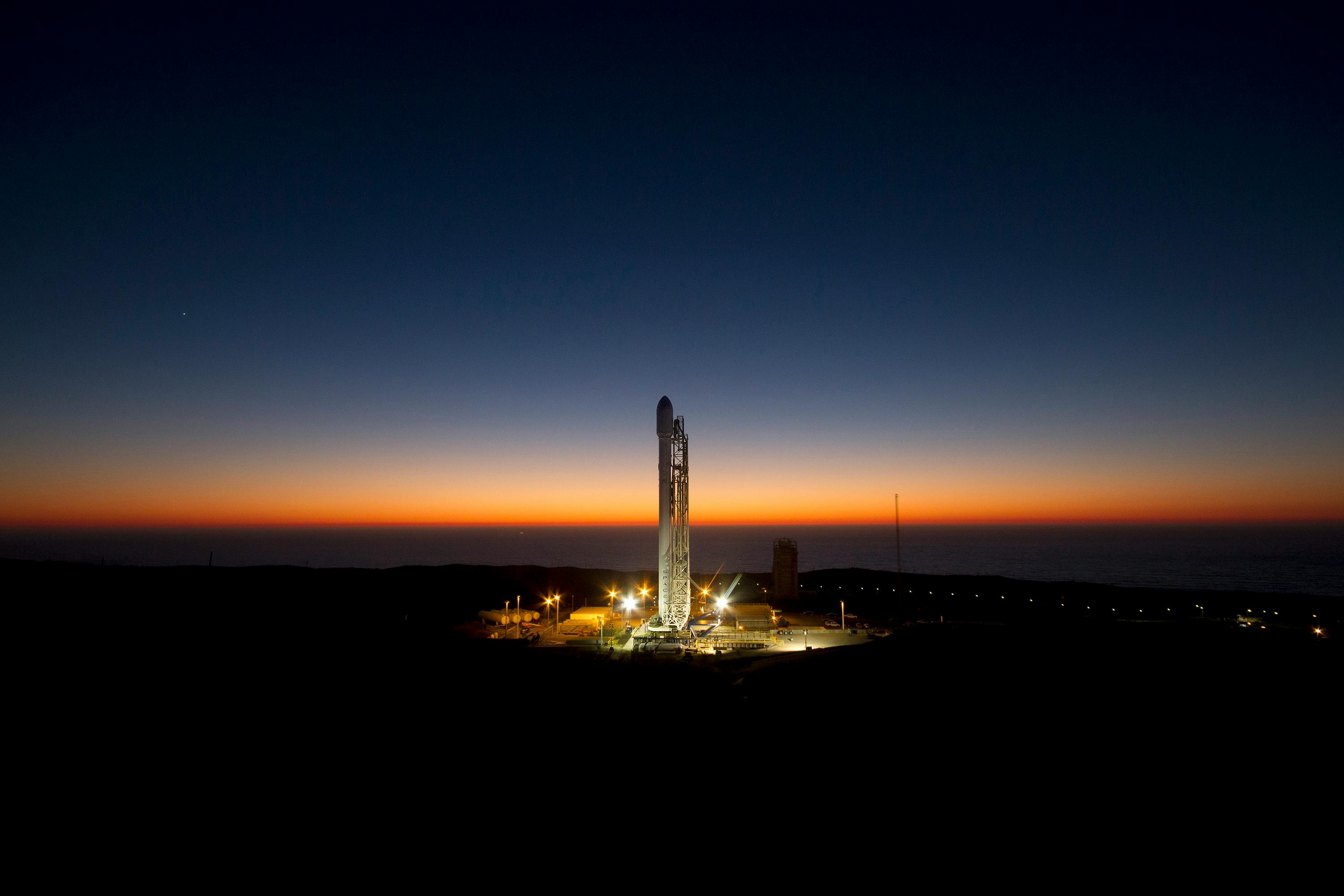
SpaceX successfully launches 21 Starlink satellites, marking their return post-Starship explosion. Starship's recent test flight leaves debris washing ashore, while Blue Origin's New Glenn debut sparks discussion.
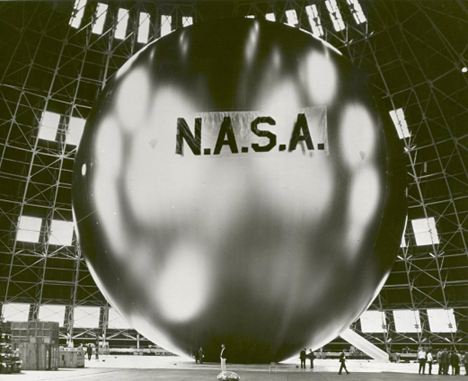
When a 135-foot inflatable mirror bounced a radio signal from England to Russia, it became the first joint US-Soviet space venture - and changed how we think about satellite communication.
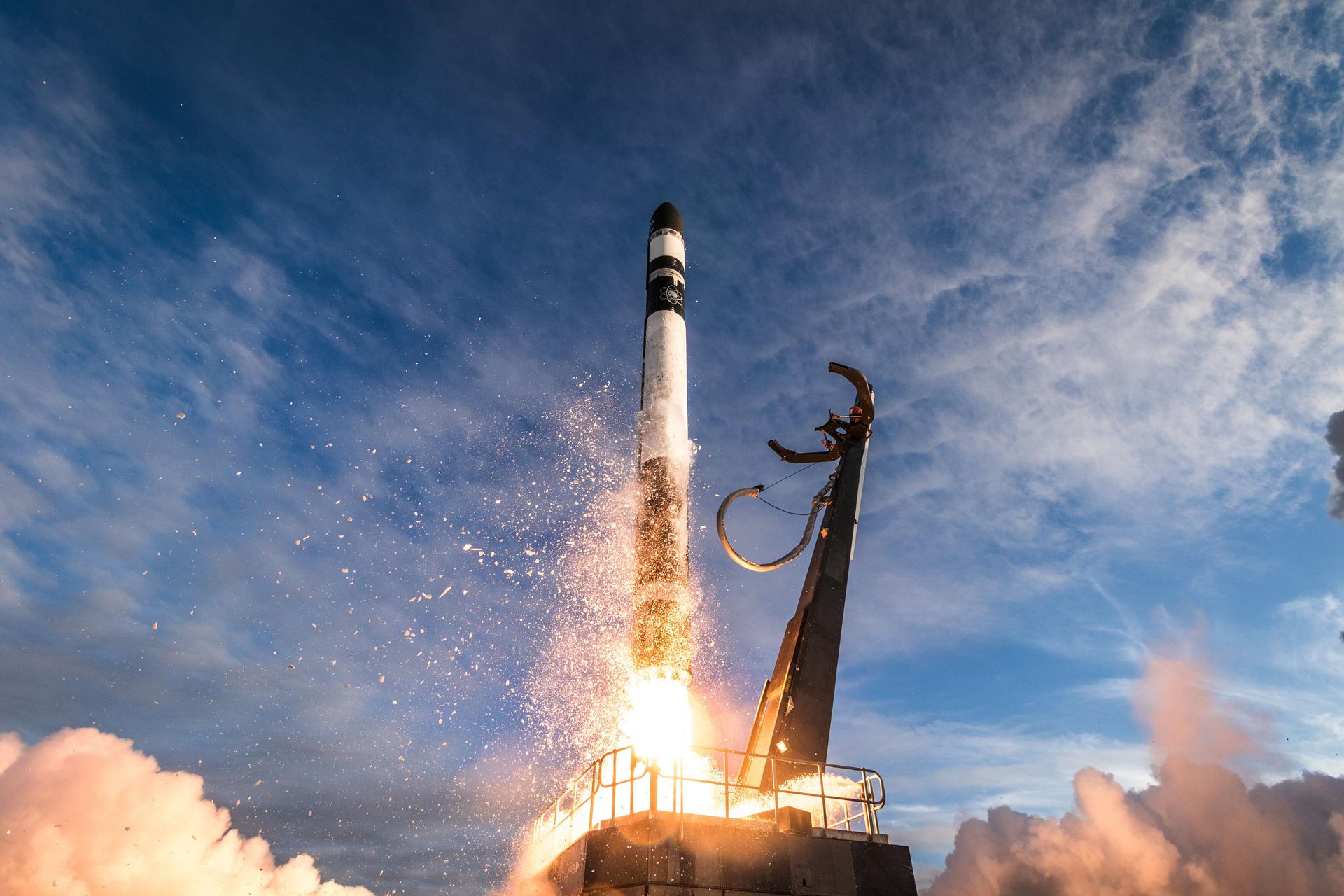
Discover the latest innovations from Rocket Lab, new developments in hypersonic flight, and significant advances in satellite technology with BlackSky. Gain insights into the Space Force's mission and MIT physicists' breakthroughs in observing atoms.

Today's brief covers a new Space Force contract for advanced tracking systems, innovative debris removal strategies, pivotal new satellite launches, and significant updates in air quality tracking from orbit.

Today's highlights include the cancellation of Starship landing plans, Planet Labs' defense expansion, and cutting-edge radiation-hardened tech for space and defense.

What happens when space objects come home: the fiery physics of returning from orbit and why predicting where debris lands is so difficult