

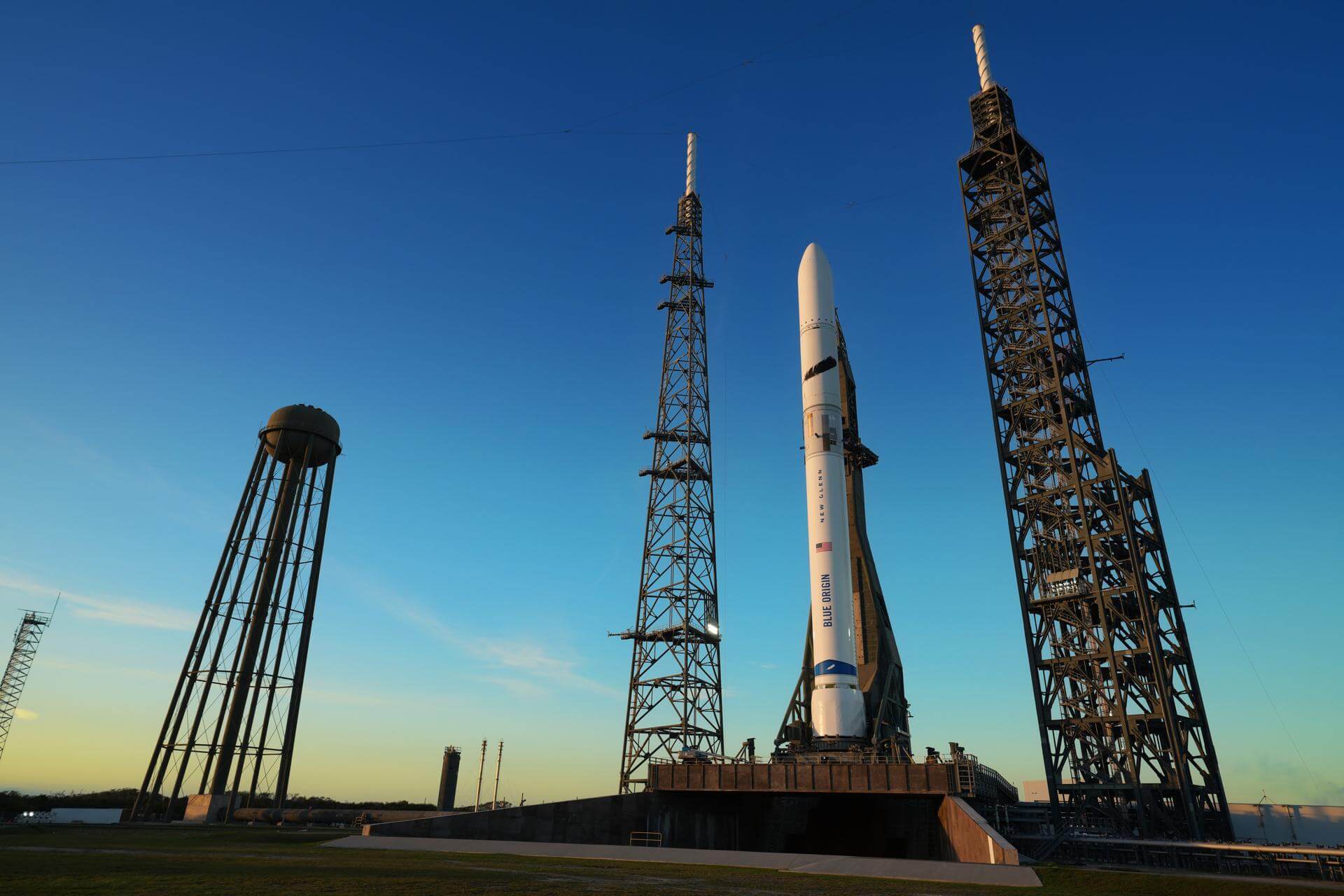
Planet Delays Iran Imagery 14 Days Amid Regional Conflict | KeepTrack Space Brief
Planet Labs institutes 14-day delay on imagery covering Iran and Gulf States. Commercial remote sensing faces new operational security pressures as conflict escalates.


Launch Date
September 29, 2000
Launch Site
Launch Pad
LC31
Launch Vehicle
Soyuz-U-PVB
NORAD ID
26552
International Designator
2000-058A
Decay Date
11/14/2000
Name
COSMOS 2373
Alternative Name
Kosmos-2373
Type
Status
Owner
VTSR
Country
Russia
Constellation
N/A
Related Satellites
Major Events
N/A
Length
6.5
Diameter
2.4
Span
6.5
Dry Mass
2720
Launch Mass
2720
Shape
Sphere + DCone
Radar Cross Section
13.2519
Visual Magnitude
Unknown
Color
Unknown
Material Composition
Unknown
Payload
Kometa No. 20L
Purpose
Area Reconnaissance, photo (film return type)
Mission
Area Reconnaissance, photo (film return type)
Manufacturer
PROGT
Life Expectancy
Unknown
Bus
Yantar'-1KFT
Configuration
Yantar Bus, Zenit reentry module
Motor
Unknown
Equipment
Unknown
Power System
2 deployable solar arrays, batteries
ADCS
Unknown
Transmitter Frequency
Unknown
Learn more about satellites and other related topics.
Planet Labs institutes 14-day delay on imagery covering Iran and Gulf States. Commercial remote sensing faces new operational security pressures as conflict escalates.
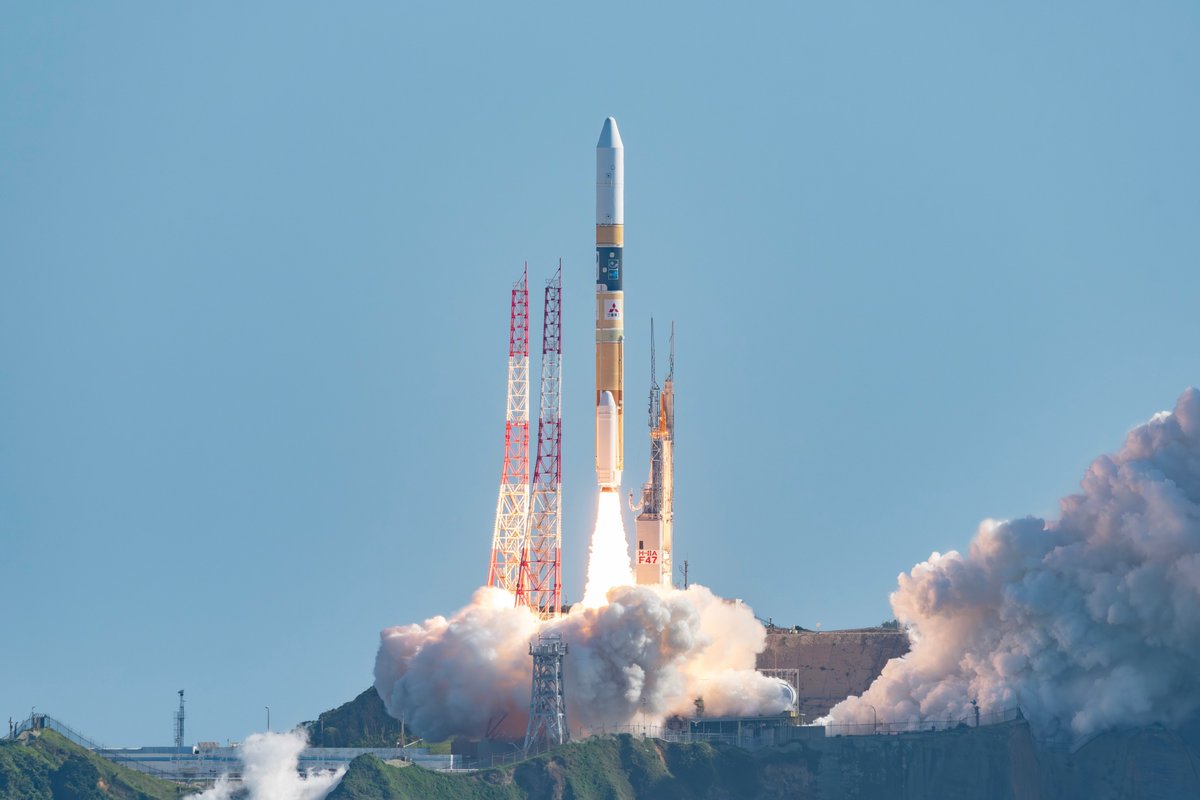
Today’s highlights focus on the launch preparations for the Dragoon Mission, China’s seismo-electromagnetic satellite launch, NASA budget cut impacts, and a major expansion by American Pacific Corporation.
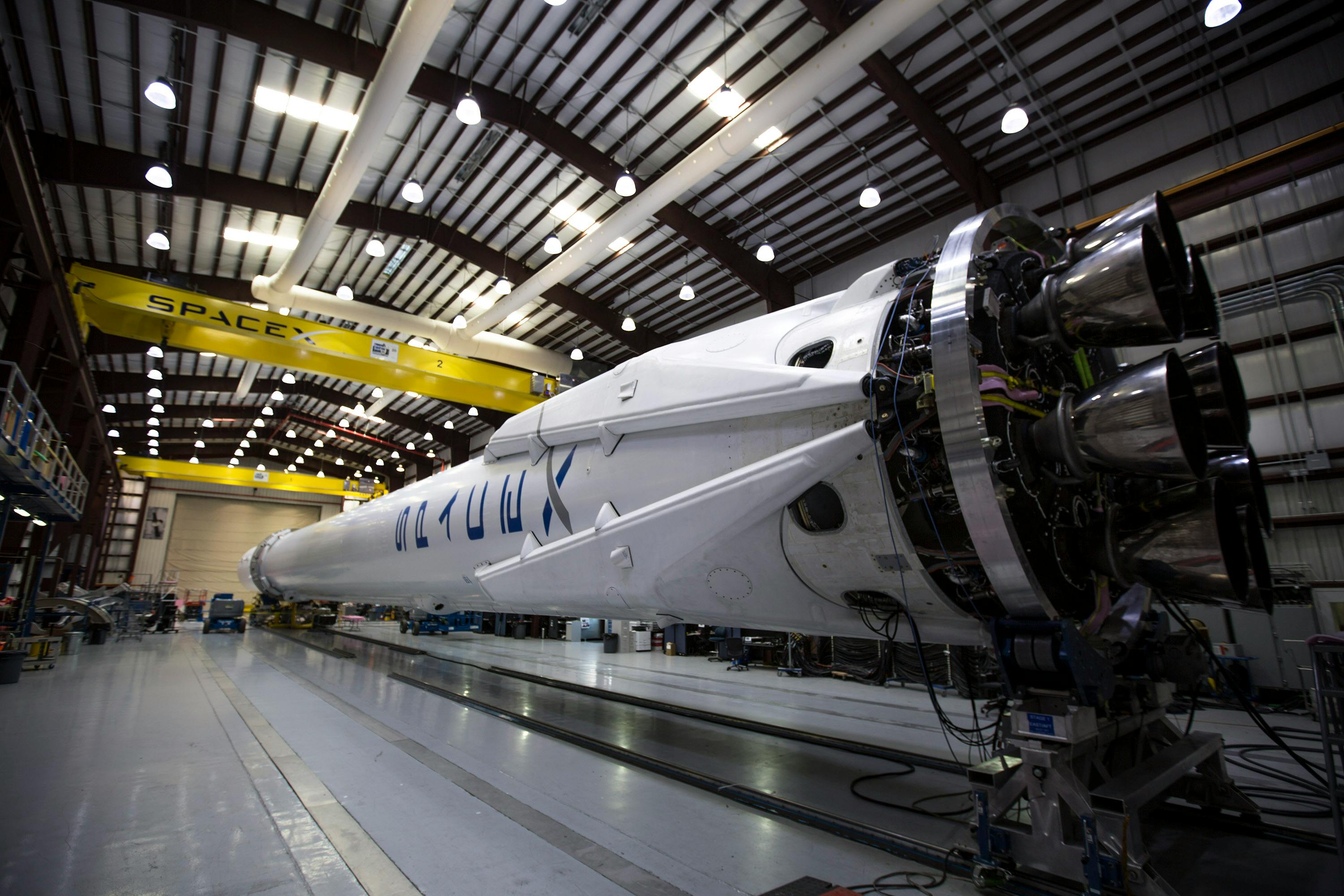
SpaceX advances with Starship readiness, scrubs mysterious RRT-1 launch, and successfully deploys more Starlink satellites.
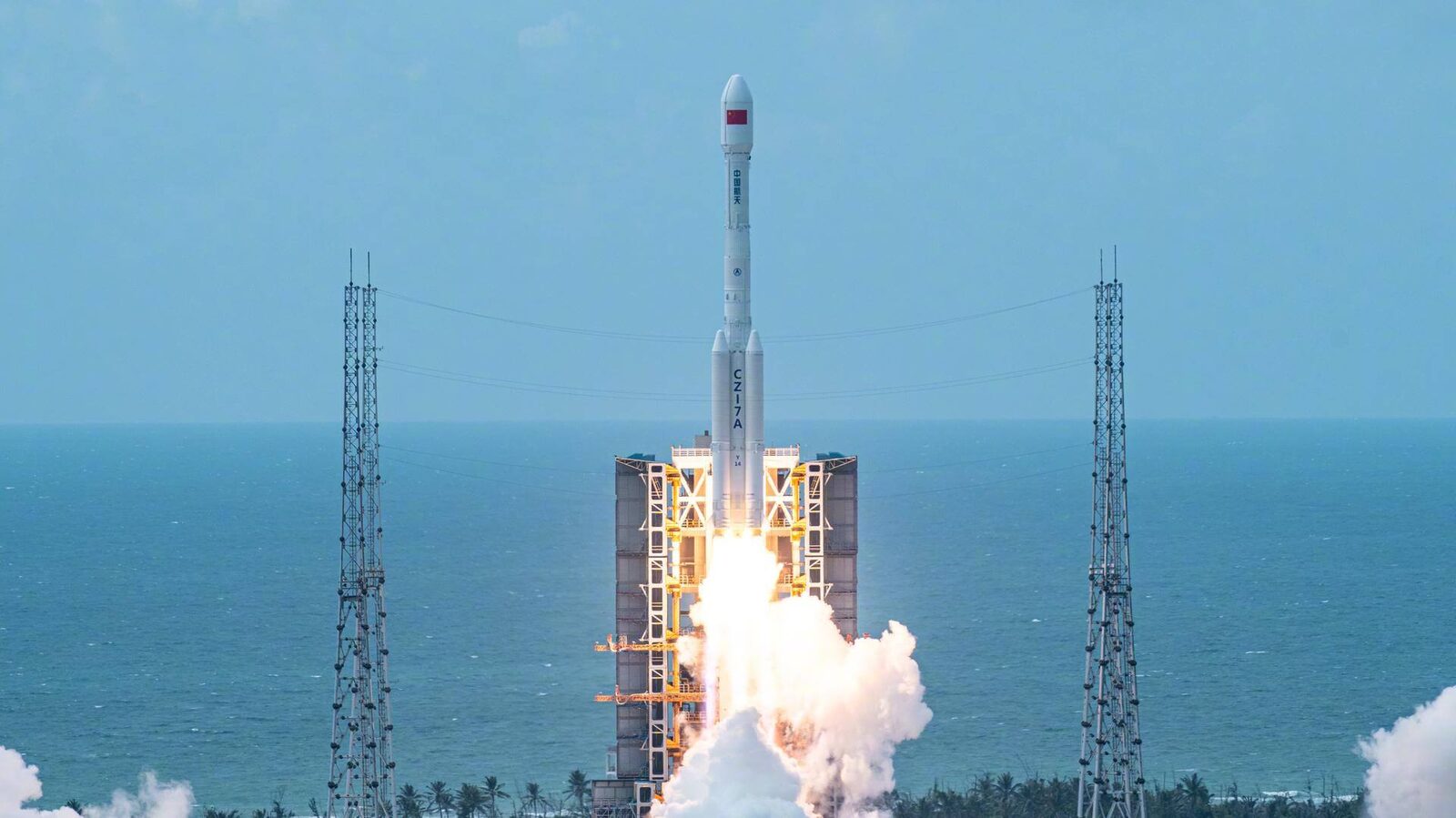
Gen. Chance Saltzman warns of impending space conflict as SpaceX launches 21 SDA satellites from Vandenberg. Space Force shifts from support role to core deterrent.
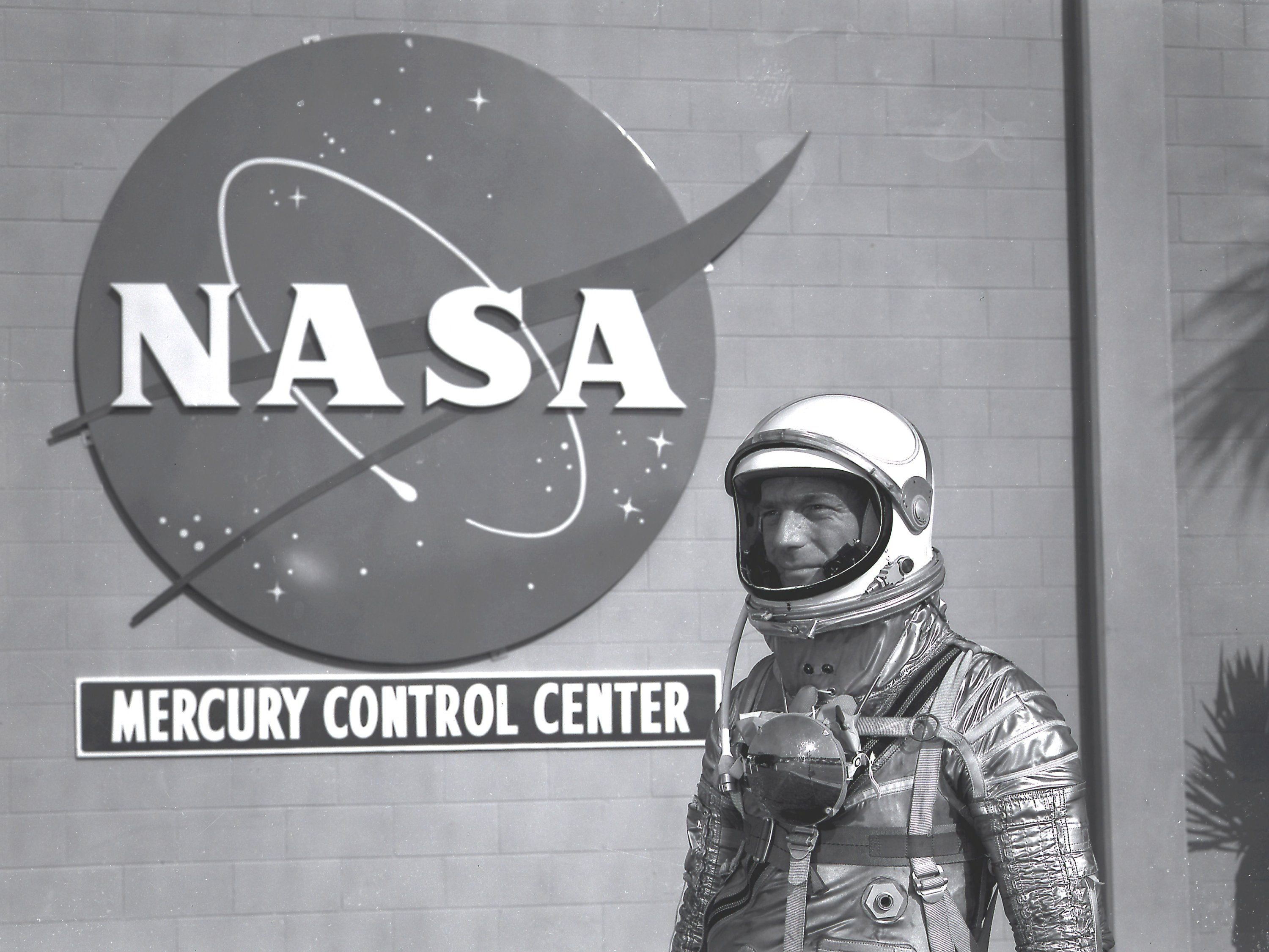
Exactly 64 years ago today, Scott Carpenter became the fourth American to orbit the Earth aboard Aurora 7. His five-hour flight produced new science, a tense reentry, and 39 minutes of silence in which the country wondered if it had just lost its astronaut.
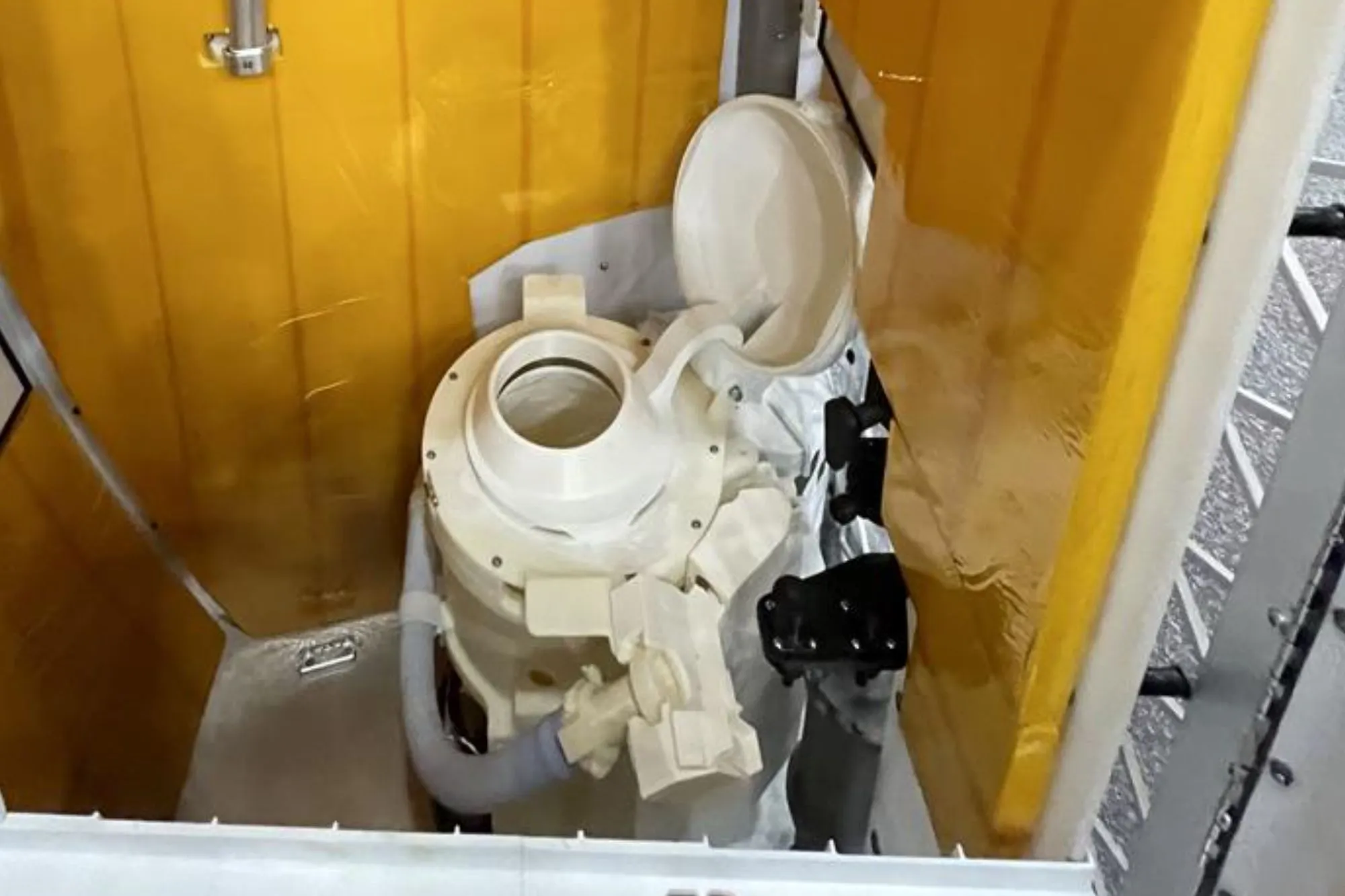
Sixty years of space toilet engineering, a decade of development, and a $30 million contract - and the Artemis II crew still had to pee in bags on Day 1.
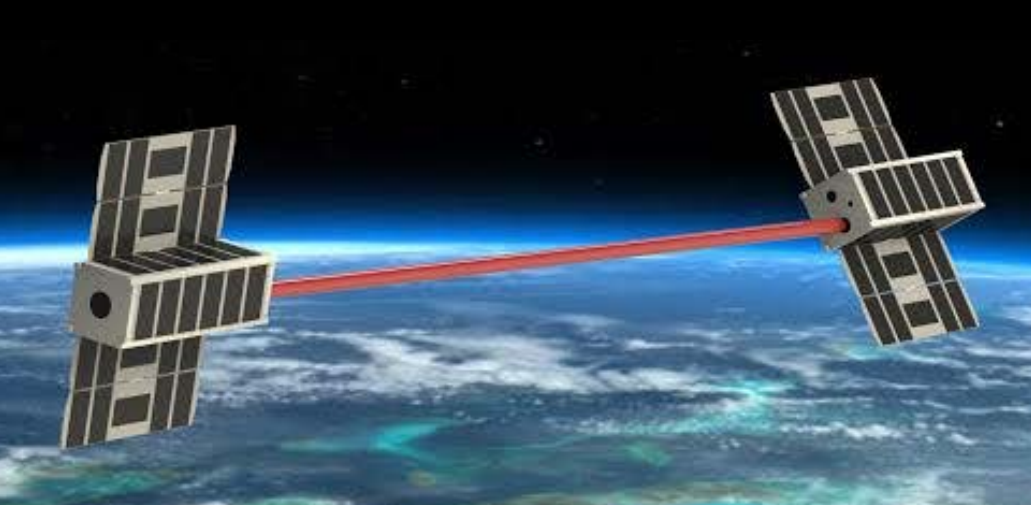
The satellite industry's biggest operators are betting on multi-orbit architectures that combine LEO, MEO, and GEO into unified networks. A San Francisco startup called Contrivian thinks they've overcomplicated the problem, and the physics might be on its side.
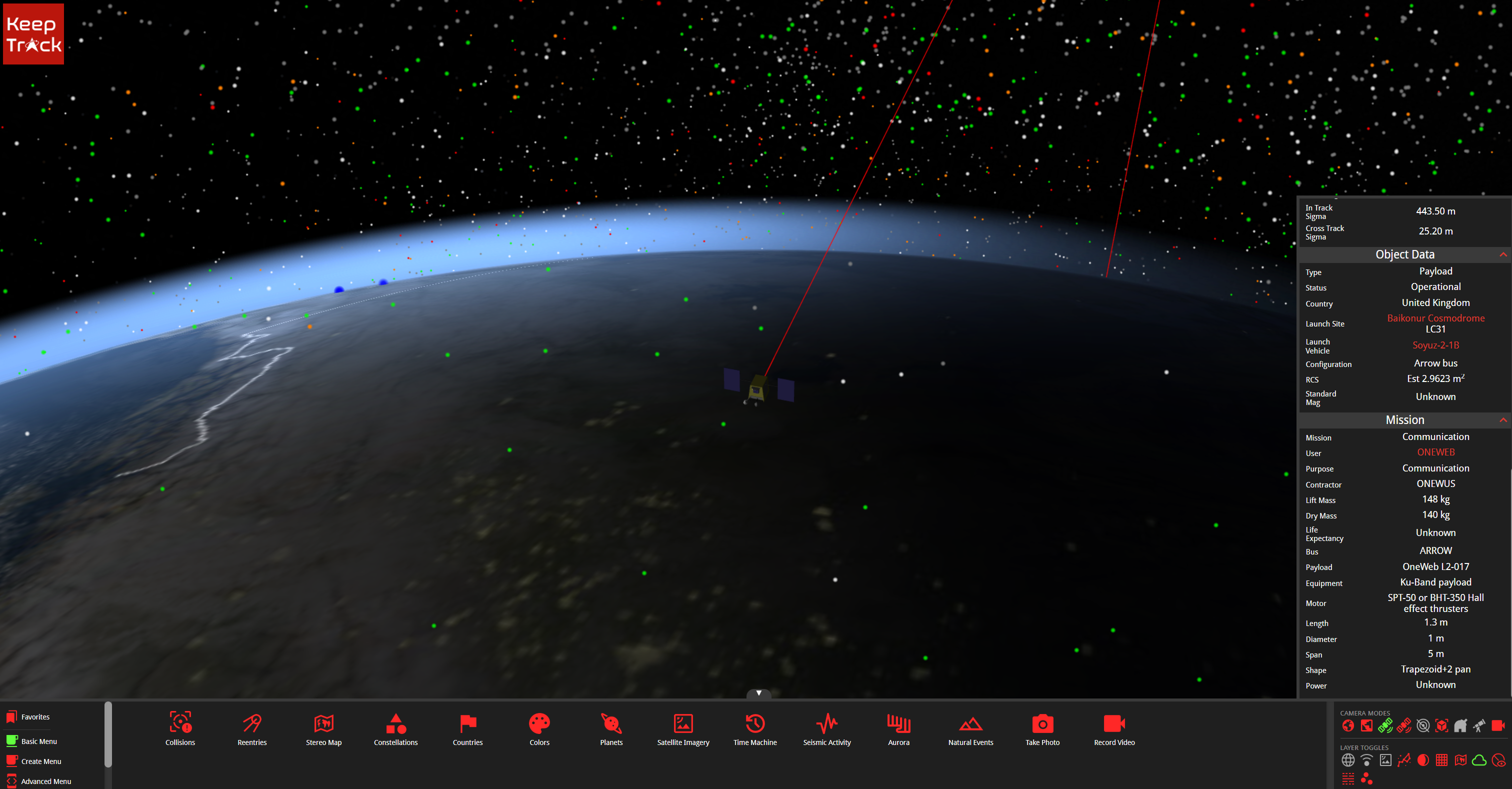
The evolution from simply tracking objects in orbit to understanding the full strategic picture of who is doing what in space, and why