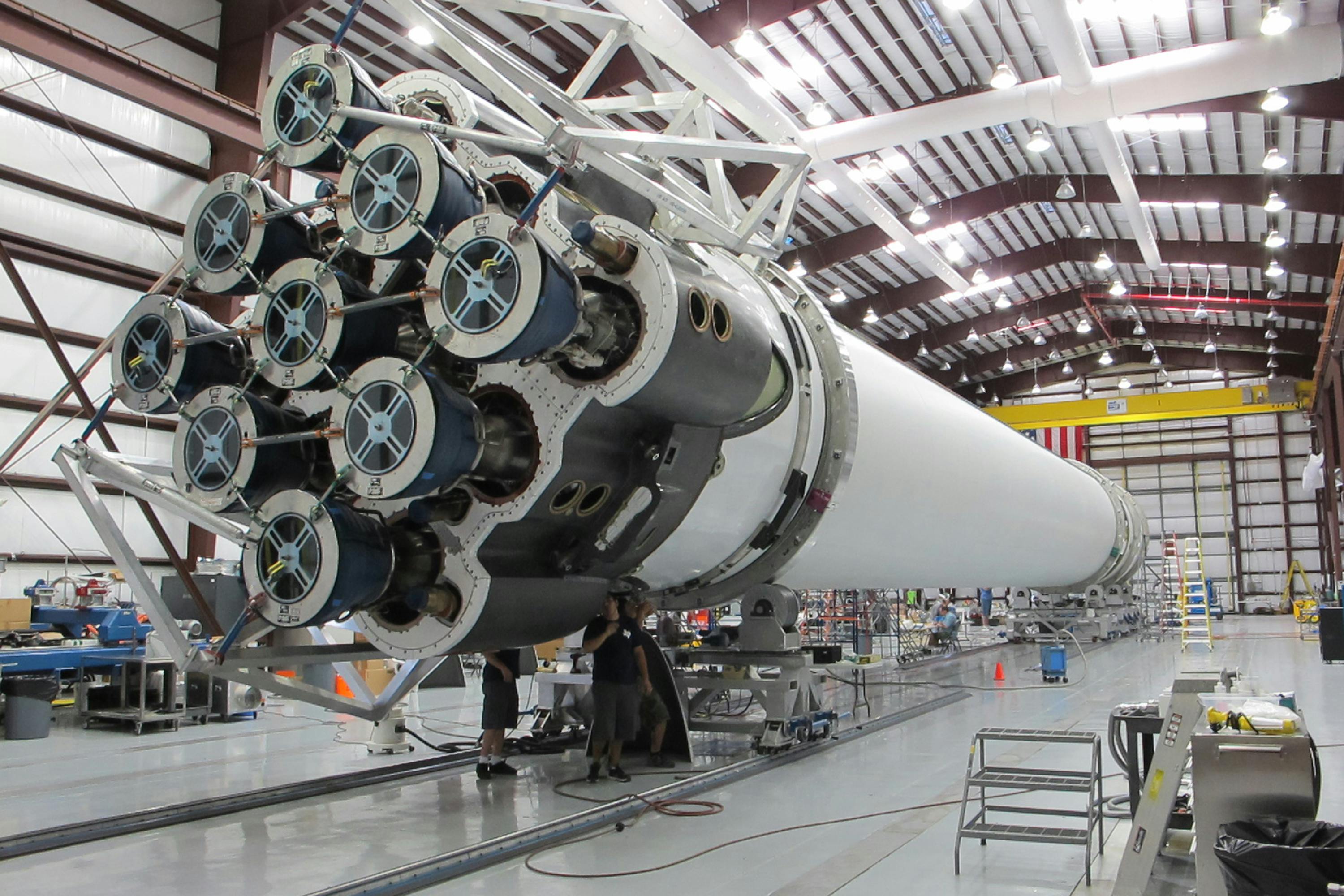
ARIANE 42P R/B (25895)

COSPAR: 1999-046B | Alt Name: Ariane H10-3 V120
DECAYED

Image
ARIANE 42P R/B Satellite Image
Additional Sources
Launch Details

Launch Date

September 4, 1999

Launch Site

FRGUI

Launch Pad

ELA2

Launch Vehicle

Ariane 42P

Orbital Elements

NORAD ID

25895

International Designator

1999-046B

Decay Date

6/6/2003

Basic Satellite Info

Name

ARIANE 42P R/B

Alternative Name

Ariane H10-3 V120

Type

Rocket Body

Status

Space Junk

Owner

AE

Country

France

Constellation

N/A

Related Satellites

Major Events

N/A

Summary
A rocket body, also commonly referred to as an upper stage or spent rocket stage, is the structural shell left behind after a rocket has delivered its payload to orbit. These large and often heavy pieces of space hardware can remain in orbit for years, posing significant collision hazards as part of the growing space debris problem. If left uncontrolled, rocket bodies have the potential to reenter Earth's atmosphere unpredictably, which can lead to falling debris in populated areas. Additionally, they risk colliding with operational satellites or the International Space Station, creating more debris and putting human life at risk.
Physical Characteristics

Length

12.1

Diameter

2.6

Span

12.1

Dry Mass

1820

Launch Mass

2000

Shape

Cyl

Radar Cross Section

10

Visual Magnitude

Unknown

Color

Unknown

Material Composition

Unknown

Technical Details

Payload

Ariane H10-3 S/N T488

Purpose

Unknown

Mission

Unknown

Manufacturer

AEML

Life Expectancy

Unknown

Bus

Ariane H10-3

Configuration

Unknown

Motor

HM-7B

Equipment

Unknown

Power System

Unknown

ADCS

Unknown

Transmitter Frequency

Unknown

Satellite Articles

View All Posts »

Learn more about satellites and other related topics.

Space Brief 27 May 2025

Space Brief 27 May 2025

Today's Space Brief highlights advances in satellite communication for defense, regulatory changes for Starlink in South Africa, SpaceX's ongoing Starlink launches, and a significant contract for a Chinese satellite constellation.

Space Brief 10 Jun 2025

Space Brief 10 Jun 2025

Today's brief covers increased Space Force funding, a renewed focus on nuclear power in space, a proposed US missile defense system, new defense budget revelations, and NATO's call for increased air defenses.

SpaceX IPO Day 1: Falcon 9 Flies, Musk Eyes $1T | KeepTrack X Report

SpaceX IPO Day 1: Falcon 9 Flies, Musk Eyes $1T | KeepTrack X Report

SpaceX surged 19% on Nasdaq debut as Falcon 9 B1093 deployed 24 Starlink satellites — the 1,500th launched in 2026 — while Dragon CRS-34 heads home.

SaxaVord Spaceport

SaxaVord Spaceport

The UK's orbital ambitions rest on a remote Shetland island. How SaxaVord became Europe's first fully licensed vertical launch spaceport - and why, despite being ready for years, it's still waiting for a rocket that works.

The Day Japan Joined the Geostationary Club

The Day Japan Joined the Geostationary Club

Forty-eight years ago, a pioneering satellite named Kiku 2 propelled Japan into the exclusive group of nations capable of operating satellites in geostationary orbit

The Day Two Satellites Hit Each Other at 26,000 MPH

The Day Two Satellites Hit Each Other at 26,000 MPH

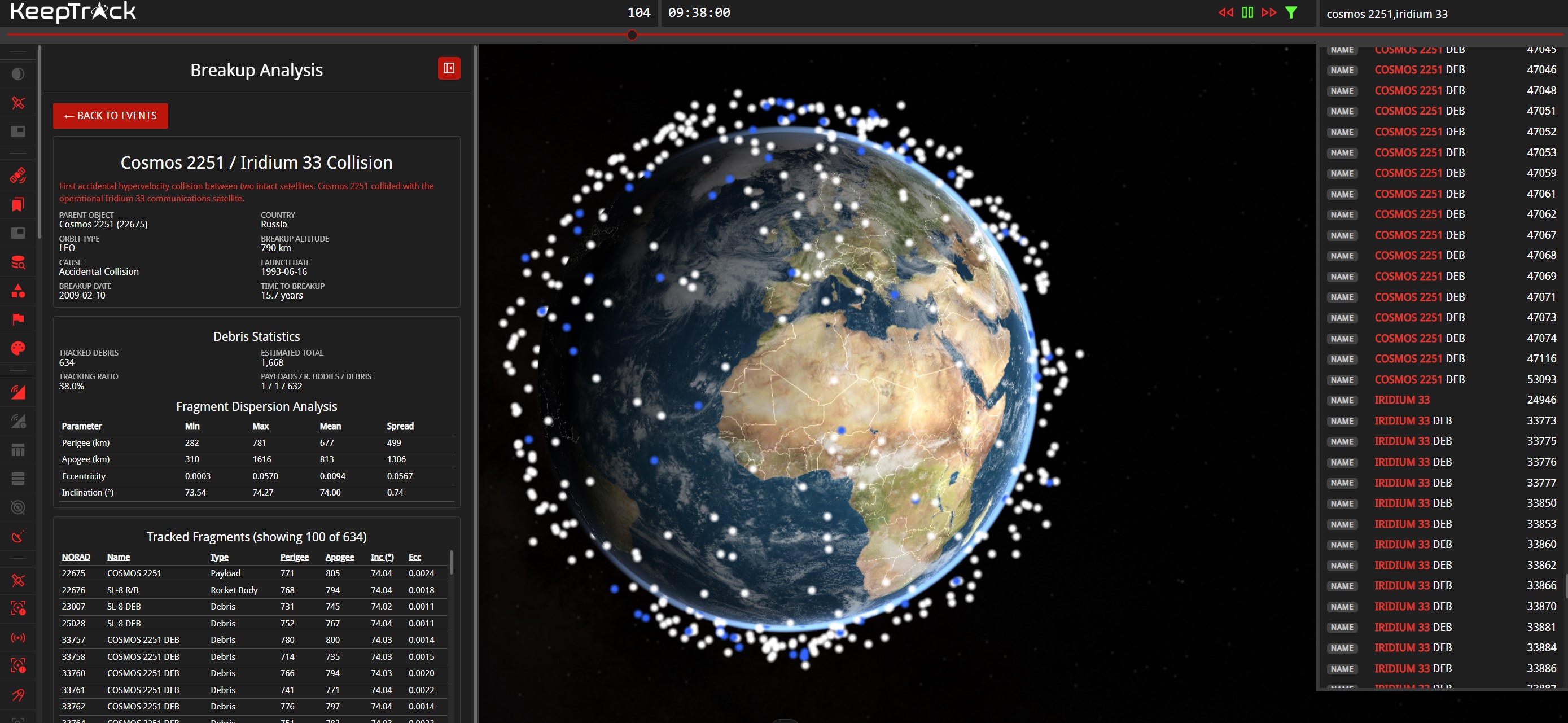
On February 10, 2009, an active Iridium communications satellite and a derelict Soviet military spacecraft slammed into each other 789 kilometers above Siberia. The collision produced more than 2,300 pieces of trackable debris that are still up there. Seventeen years later, the Iridium-Cosmos collision remains the event that made space debris a policy problem the world could no longer ignore.

Starlink 17-40 Adds 24 Sats from Vandenberg | KeepTrack X Report

Starlink 17-40 Adds 24 Sats from Vandenberg | KeepTrack X Report

SpaceX's Starlink 17-40 mission launches 24 satellites from Vandenberg SFB at 7:36 a.m. PDT, expanding the 10,705-satellite constellation.

SpaceX Opens 2026 With 29 Starlink Satellites, X Report 5 Jan 2026

SpaceX Opens 2026 With 29 Starlink Satellites, X Report 5 Jan 2026

SpaceX Starlink updates for 2026 open with Starlink 6-88: 29 satellites from Cape Canaveral on Jan 4, after a record 165-launch 2025.