TITAN 2 R/B (25790)

COSPAR: 1999-034B | Alt Name: Titan 23G Stage 2
DECAYED

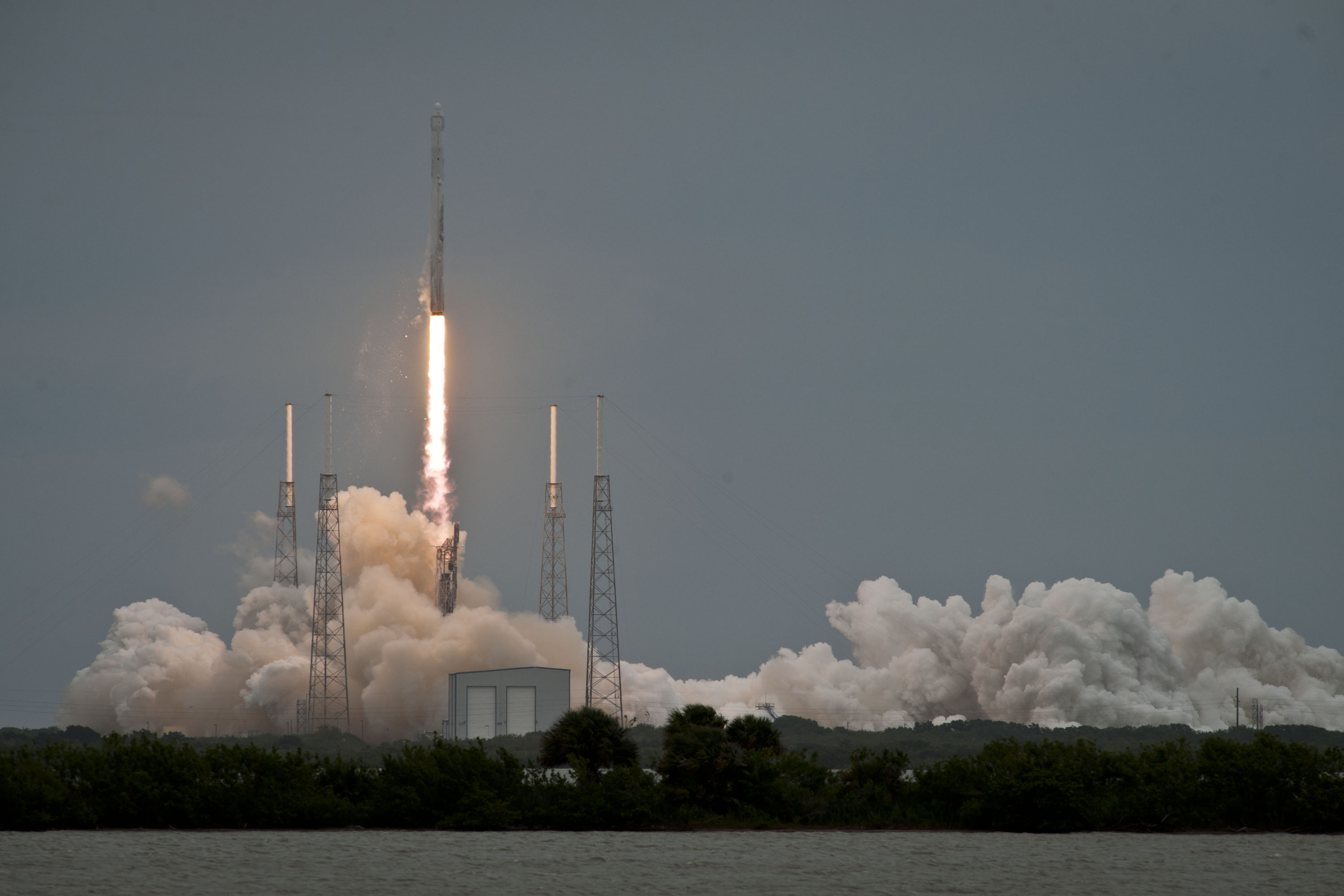
Image
TITAN 2 R/B Satellite Image
Additional Sources
Launch Details

Launch Date

June 20, 1999

Launch Site

AFWTR

Launch Pad

SLC4W

Launch Vehicle

Titan II SLV

Orbital Elements

NORAD ID

25790

International Designator

1999-034B

Decay Date

12/20/1999

Basic Satellite Info

Name

TITAN 2 R/B

Alternative Name

Titan 23G Stage 2

Type

Rocket Body

Status

Space Junk

Owner

AFSMC

Country

United States

Constellation

N/A

Related Satellites

Major Events

N/A

Summary
A rocket body, also commonly referred to as an upper stage or spent rocket stage, is the structural shell left behind after a rocket has delivered its payload to orbit. These large and often heavy pieces of space hardware can remain in orbit for years, posing significant collision hazards as part of the growing space debris problem. If left uncontrolled, rocket bodies have the potential to reenter Earth's atmosphere unpredictably, which can lead to falling debris in populated areas. Additionally, they risk colliding with operational satellites or the International Space Station, creating more debris and putting human life at risk.
Physical Characteristics

Length

12.2

Diameter

3.1

Span

12.2

Dry Mass

2860

Launch Mass

30000

Shape

Cyl

Radar Cross Section

11.3973

Visual Magnitude

Unknown

Color

Unknown

Material Composition

Unknown

Technical Details

Payload

LR91AJ5 23G-12

Purpose

Unknown

Mission

Unknown

Manufacturer

LMA

Life Expectancy

Unknown

Bus

Titan 2 Stage 2

Configuration

Unknown

Motor

Unknown

Equipment

Unknown

Power System

Unknown

ADCS

Unknown

Transmitter Frequency

Unknown

Satellite Articles

View All Posts »

Learn more about satellites and other related topics.

Blue Origin's New Glenn Gantry Damaged; SpaceX Wins $4.16B Space Force Contract | KeepTrack Space Brief

Blue Origin's New Glenn Gantry Damaged; SpaceX Wins $4.16B Space Force Contract | KeepTrack Space Brief

Blue Origin's LC-36 gantry damaged in blast; CEO targets end-2026 return. SpaceX awarded $4.16B Space Force contract for airborne threat tracking satellites.

Falcon Heavy Attempts ViaSat-3 F3 Launch After Weather Scrub | KeepTrack X Report

Falcon Heavy Attempts ViaSat-3 F3 Launch After Weather Scrub | KeepTrack X Report

SpaceX's Falcon Heavy targets a second launch attempt for ViaSat-3 F3, while Artemis III slips to late 2027 and Musk earns a Mars milestone bonus.

The Day Humanity Got Its First Close-up of the Future Apollo Landing Site

The Day Humanity Got Its First Close-up of the Future Apollo Landing Site

Sixty years ago, a pioneering spacecraft called Ranger 8 captured thousands of detailed photographs of the lunar surface before intentionally crashing into the Moon, helping pave the way for humanity's first steps on another world

The Space Station Space Race

The Space Station Space Race

As the International Space Station nears retirement, private companies are stepping up to fill the void with their own space stations. Discover the key players and the potential impact on space exploration.

Space Brief 13 Dec 2024

Space Brief 13 Dec 2024

Today's brief highlights the U.S. Space Force's upcoming modular satellite mission, increased military reliance on commercial space intelligence, and the demand for expanded commercial reserve support. Learn more about these advancements alongside our Satellite Spotlight on Yaogan-30 B.

Space Brief 3 Mar 2025

Space Brief 3 Mar 2025

Historic moon landing by Firefly Aerospace, Spanish Air and Space Force advances with new simulator, and spotlight on OneWeb's communication satellite.

Space Brief 22 Apr 2025

Space Brief 22 Apr 2025

Today's brief highlights key advancements in space technology and innovative military initiatives. Featuring deep space tracking system upgrades, a push towards quantum communications in orbit, and critical radar developments.

The Rocket That Refused to Sink

The Rocket That Refused to Sink

On April 18, 2014, a Falcon 9 first stage did something no orbital rocket had ever done before. It fired its engines on the way down, steered itself through the atmosphere using grid fins that did not yet exist, and touched the Atlantic Ocean softly enough to survive the impact. Nobody recovered it. The data was the whole point.