

X Report 11 Nov 2025
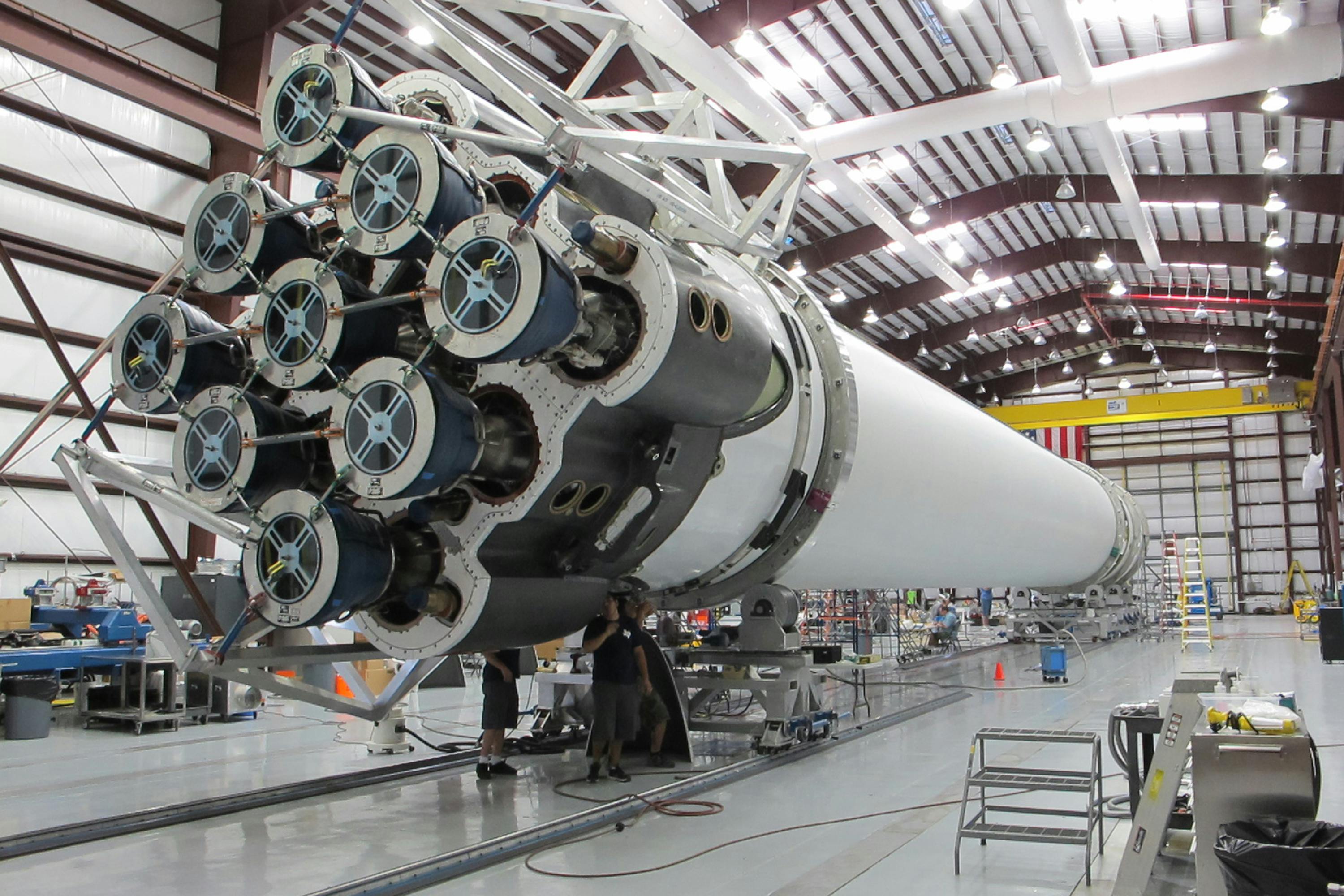
SpaceX continues to dominate the space launch market with a new Starlink mission, breaking Florida's annual launch record. The latest batch of satellites enhances global broadband coverage.


Launch Date
October 25, 1998
Launch Site
Launch Pad
LC1
Launch Vehicle
Soyuz-U-PVB
NORAD ID
25533
International Designator
1998-062C
Decay Date
1/11/1999
Name
SPUTNIK 41
Alternative Name
Spoutnik-41
Type
Status
Owner
ACF/RUAF
Country
France
Constellation
N/A
Related Satellites
Major Events
N/A
Length
0.2
Diameter
0.2
Span
1
Dry Mass
4
Launch Mass
4
Shape
Sphere + Ant
Radar Cross Section
0.175
Visual Magnitude
Unknown
Color
Unknown
Material Composition
Unknown
Payload
RS-18
Purpose
Amateur radio communication
Mission
Amateur radio communication
Manufacturer
ACF/RUAF
Life Expectancy
Unknown
Bus
Sputnik-40
Configuration
23 cm sphere
Motor
None
Equipment
Unknown
Power System
Batteries
ADCS
Unknown
Transmitter Frequency
Unknown
Learn more about satellites and other related topics.
SpaceX continues to dominate the space launch market with a new Starlink mission, breaking Florida's annual launch record. The latest batch of satellites enhances global broadband coverage.

Today's brief covers launches by SpaceX and mysterious Space Force missions, along with updates on Japan's moon lander and US-UAE defense deals.

Falcon Heavy flew for the first time in eighteen months on April 29, 2026, expending its center core to push Viasat's final ViaSat-3 satellite toward geostationary orbit. The mission is a flagship rocket doing what only it can still do, for an operator betting six tons of high-throughput hardware on a market Starlink is rapidly redefining.

GAO flags growing cost problems across Space Force satellite portfolio with workforce reductions compounding risks to missile-warning constellations like NGG and SWAT.
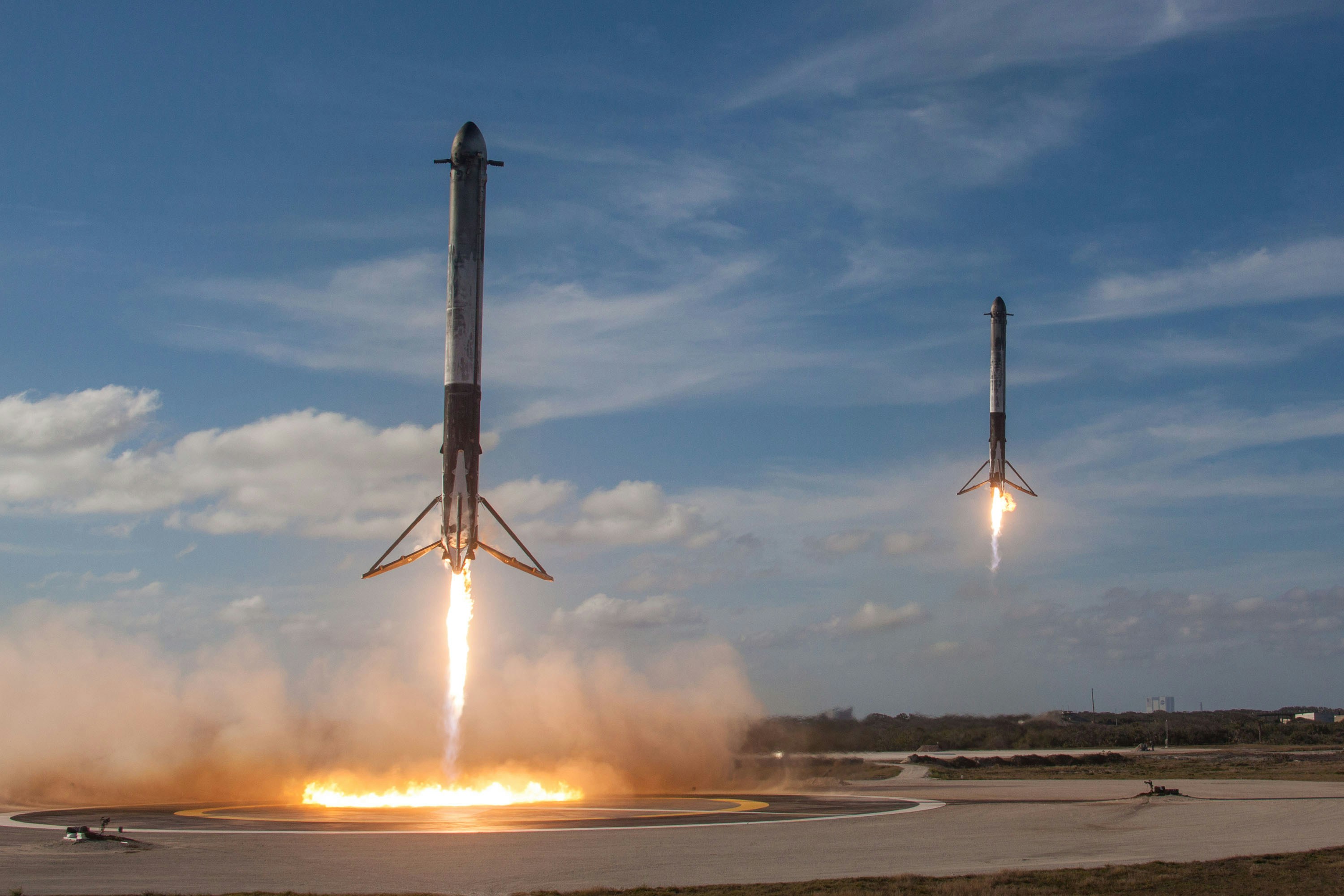
Rocket Lab will acquire Iridium for $8B to challenge SpaceX, whose Starlink constellation holds 10,706 working satellites of 12,390 launched.
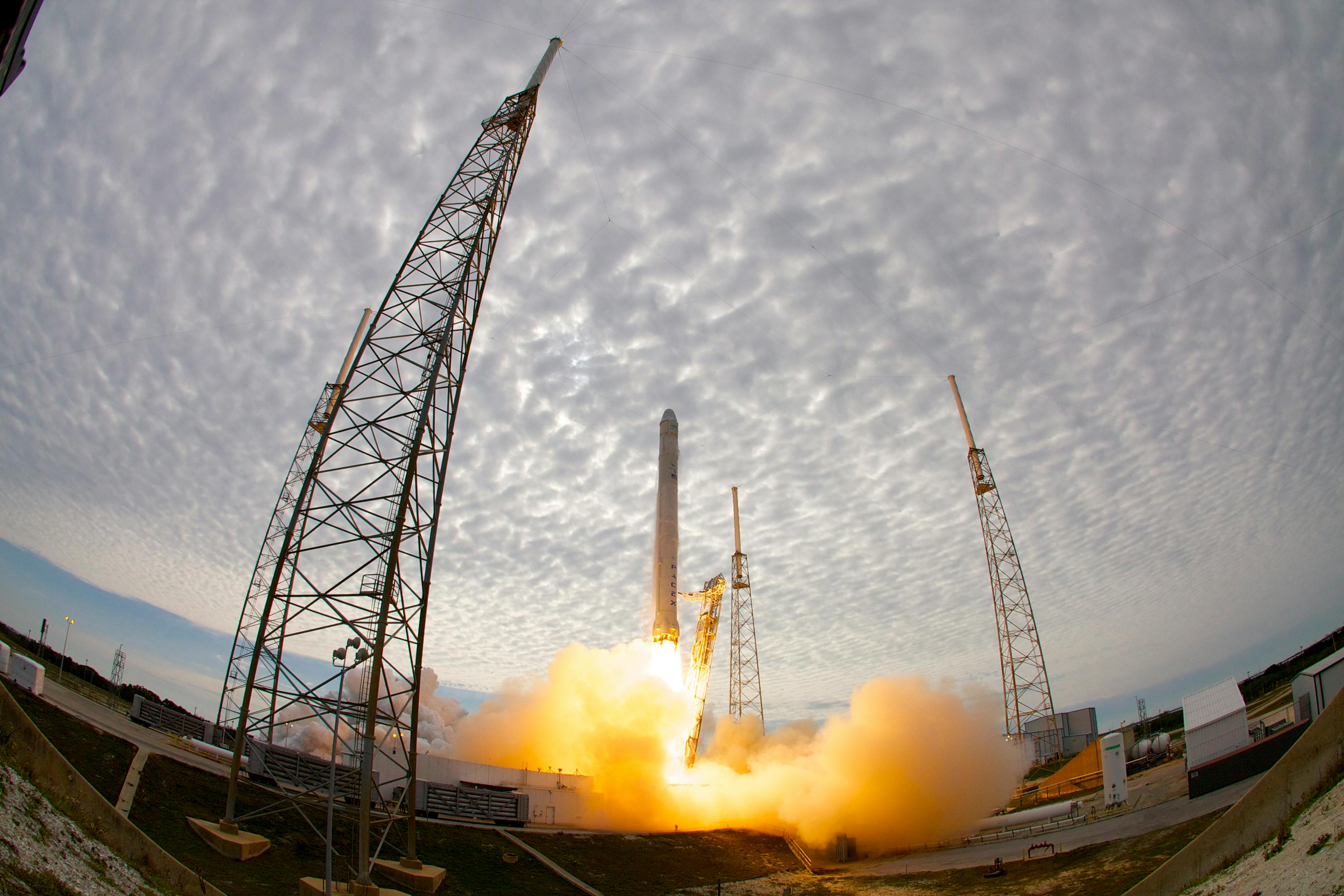
Crew-11 astronauts splashdown off California in first-ever ISS medical evacuation. SpaceX sets pad turnaround record at Cape Canaveral with Starlink 6-98 deploying 29 satellites.
Booster B1067 hit 36 flights on July 9, while SpaceX files to expand Starlink to 100,000 satellites at 4,400 lbs each.

Today's brief highlights the launch of United Airlines' Starlink Wi-Fi on passenger flights, updates on Starship development, and SpaceX's push to position Starlink as a GPS alternative in recent FCC discussions.