

X Report 11 Nov 2024
SpaceX to launch Koreasat-6A on a record-tying Falcon 9 flight, and 24 Starlink satellites later today.


![ARIANE DEB [MINI-SPELDA] Satellite Image](/images/sat/deb3.jpg)
Launch Date
October 28, 1998
Launch Site
FRGUI
Launch Pad
ELA2
Launch Vehicle
Ariane 44L
NORAD ID
25518
International Designator
1998-063D
Decay Date
9/6/1999
Name
ARIANE DEB [MINI-SPELDA]
Alternative Name
Spelda 40 S/N UV38
Type
Status
Owner
AE
Country
France
Constellation
N/A
Related Satellites
Major Events
N/A
Length
3.1
Diameter
4
Span
4
Dry Mass
400
Launch Mass
400
Shape
Cyl + Cone
Radar Cross Section
20.8771
Visual Magnitude
Unknown
Color
Unknown
Material Composition
Unknown
Payload
Spelda 40
Purpose
Unknown
Mission
Unknown
Manufacturer
MMSS
Life Expectancy
Unknown
Bus
Spelda
Configuration
Unknown
Motor
Unknown
Equipment
Unknown
Power System
Unknown
ADCS
Unknown
Transmitter Frequency
Unknown
Learn more about satellites and other related topics.
SpaceX to launch Koreasat-6A on a record-tying Falcon 9 flight, and 24 Starlink satellites later today.
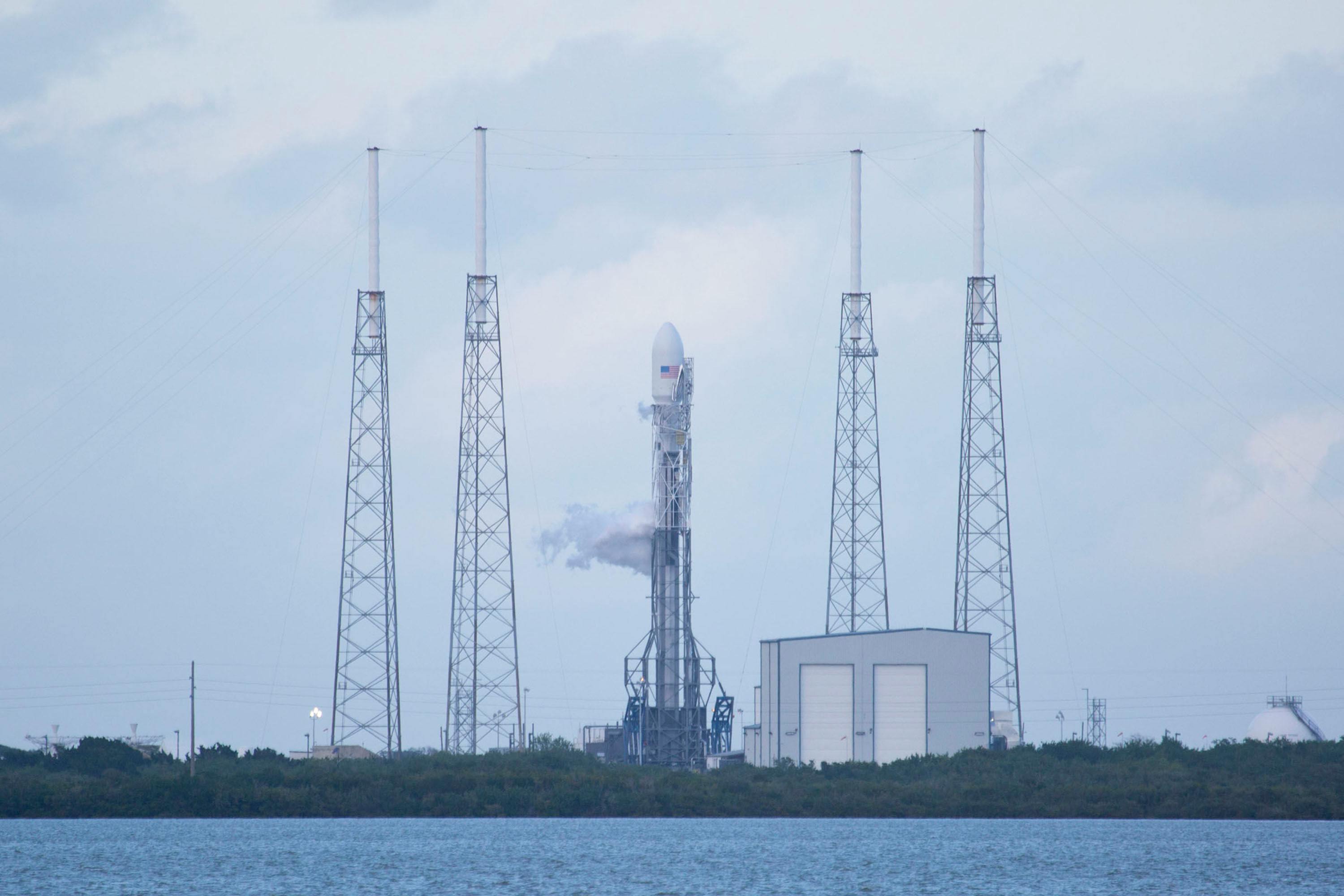
Starship V3 completed Flight 12 on May 22 despite one vacuum Raptor shutting down early, with SpaceX's IPO filing revealing bold Starlink Mobile ambitions.

Today we cover new appointments at NASA, calls for increased Space Force funding, and a successful test of a hypersonic vehicle. Further investigations target SpaceX, and a documentary highlights space superiority.
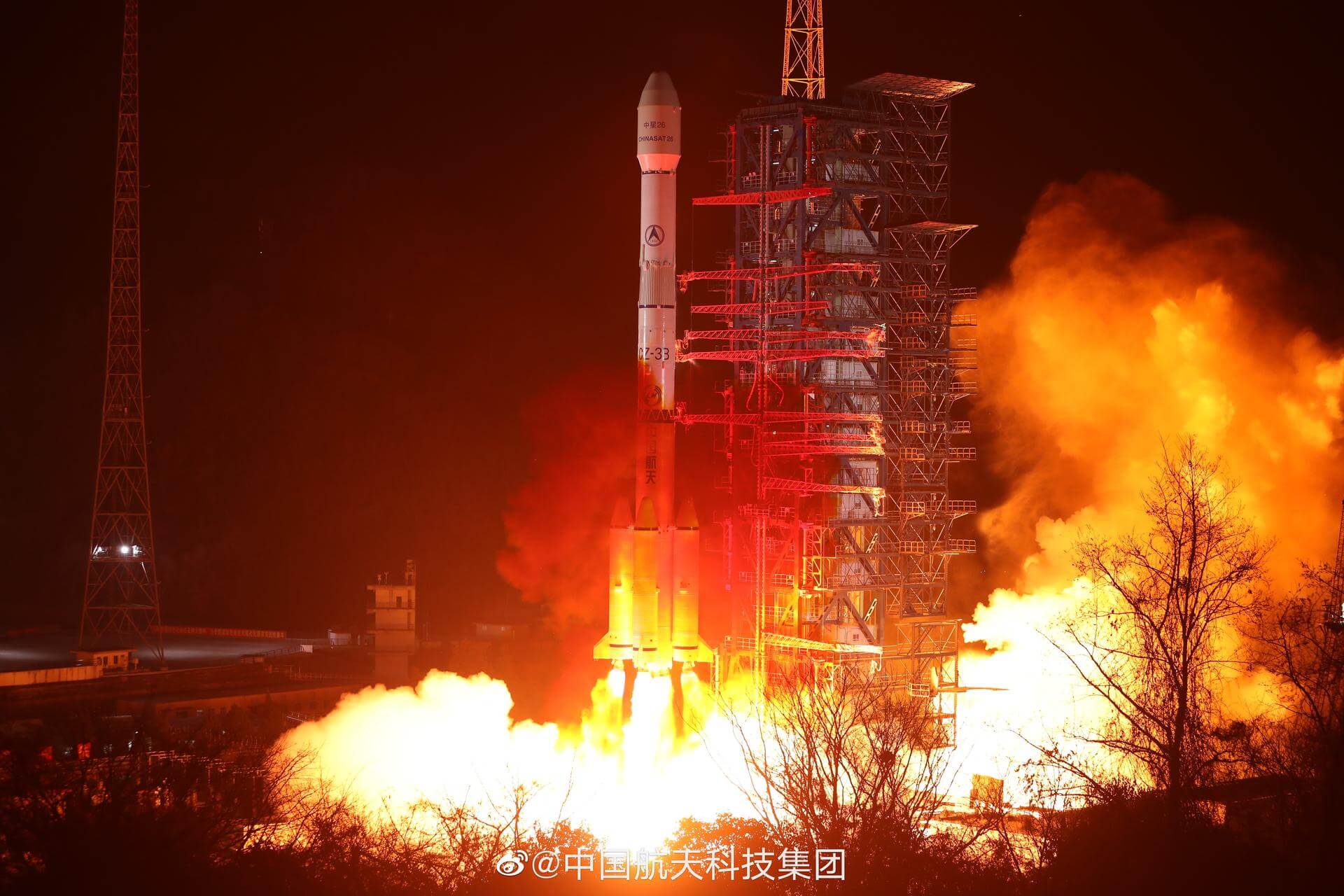
House appropriators approved $55.5 billion for Space Force but omitted $350 billion reconciliation funds, threatening Golden Dome and large-scale space programs' acquisition timelines.
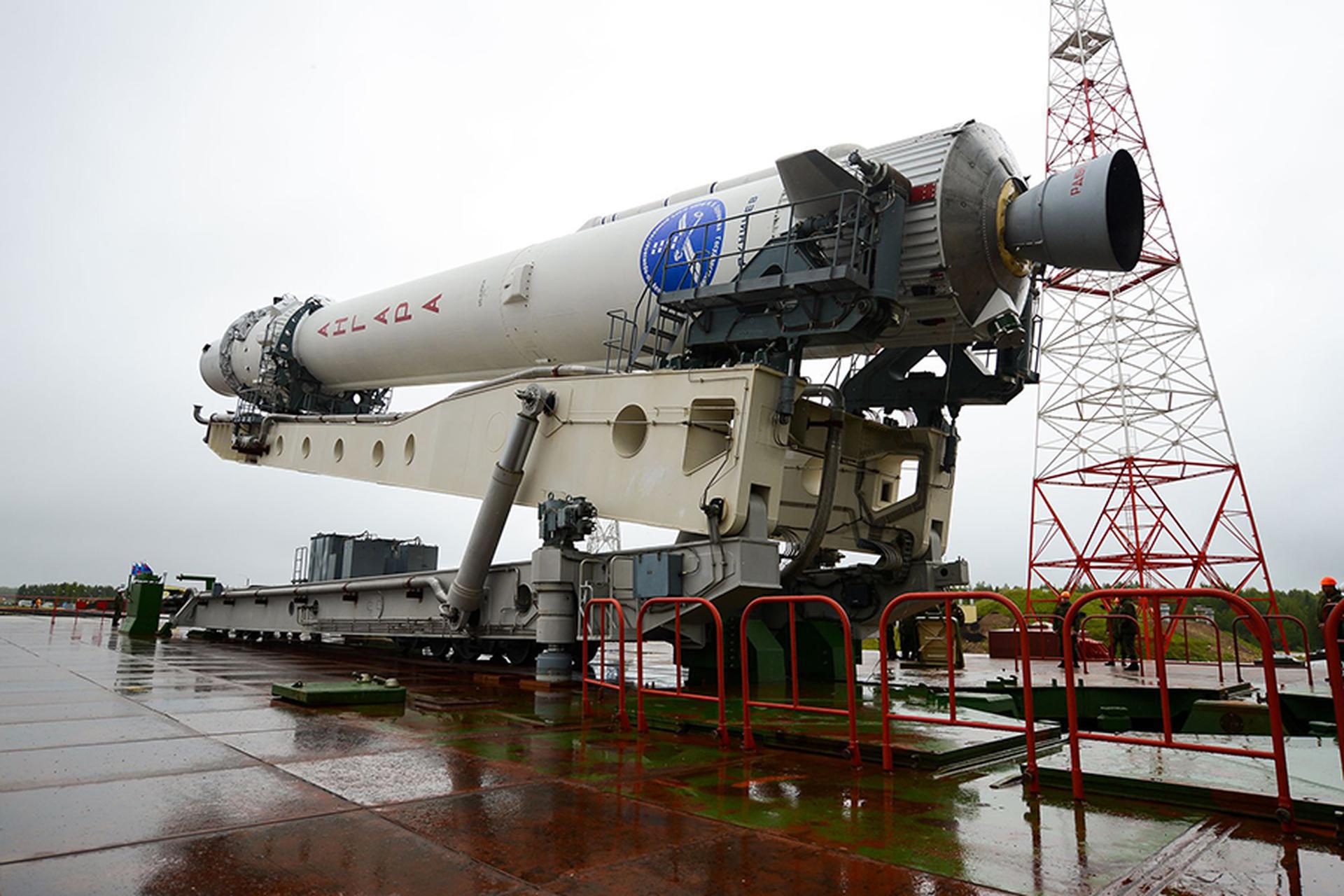
Today's highlights include SpaceX's record-breaking Falcon 9 launches, Dream Chaser's testing success, and Blue Origin's latest New Glenn achievements.
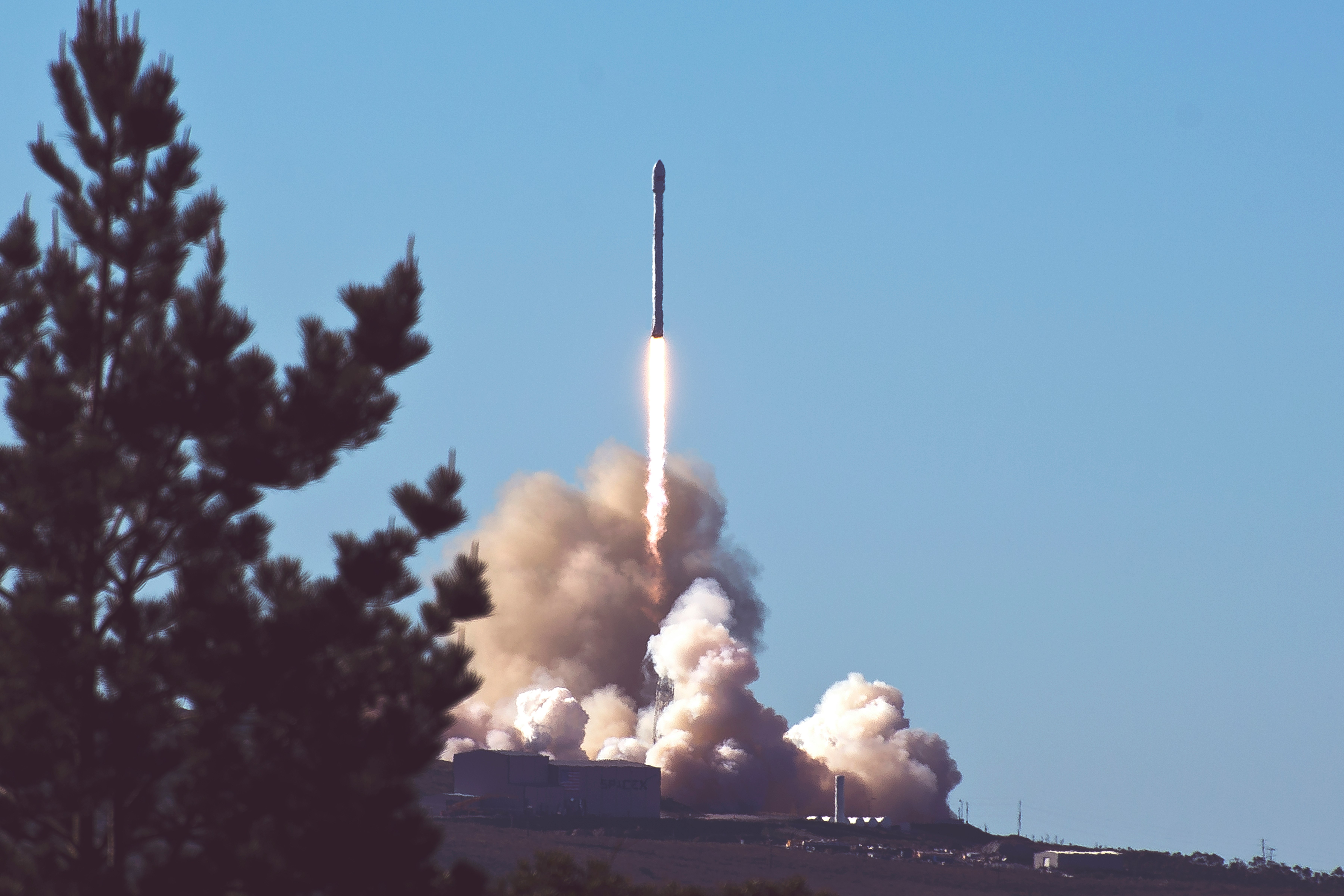
SpaceX successfully completes a critical test flight of its Starship vehicle while gearing up for another Starlink satellite launch, showcasing significant advancements in their launch capabilities.
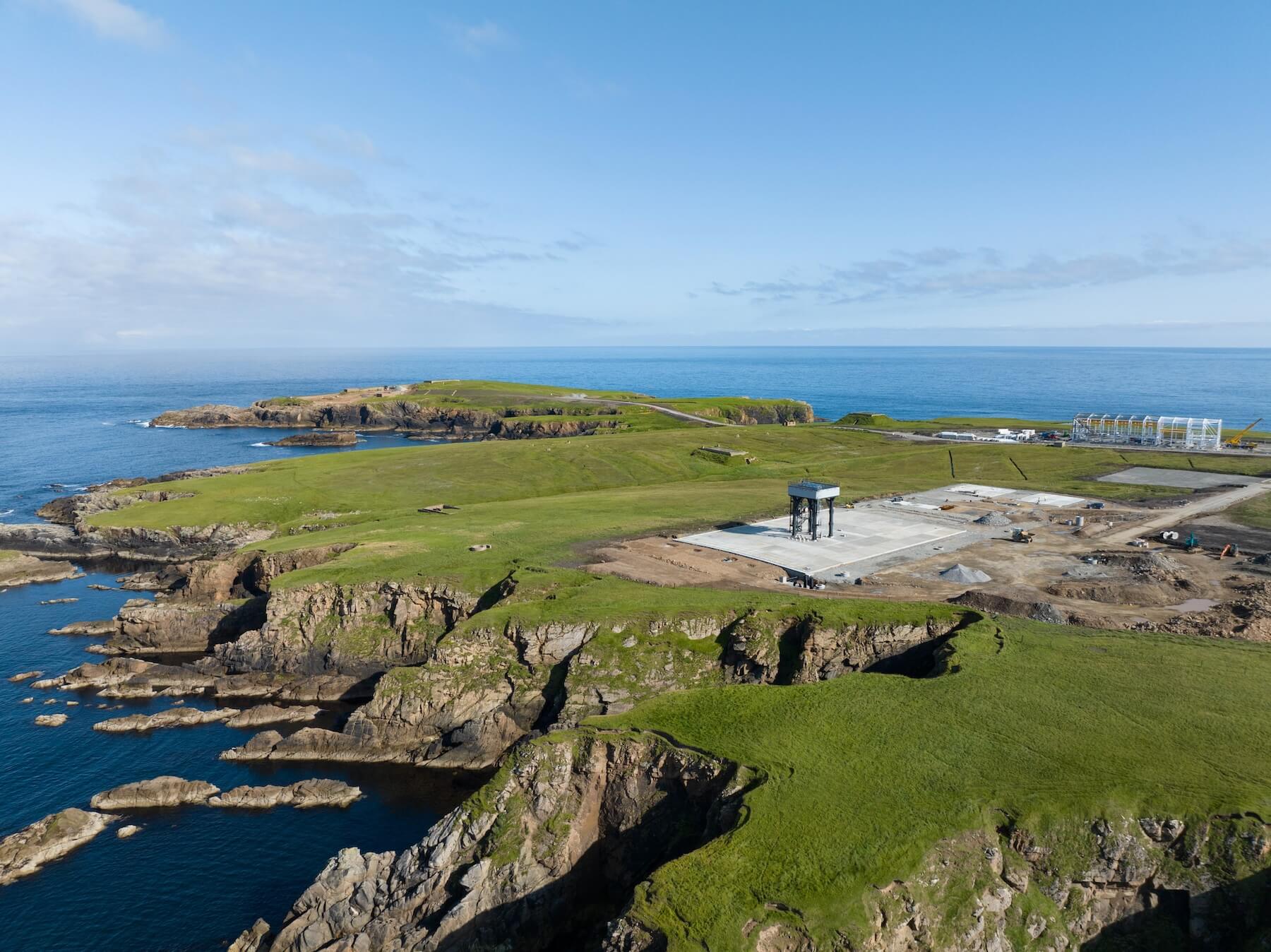
The UK's orbital ambitions rest on a remote Shetland island. How SaxaVord became Europe's first fully licensed vertical launch spaceport - and why, despite being ready for years, it's still waiting for a rocket that works.
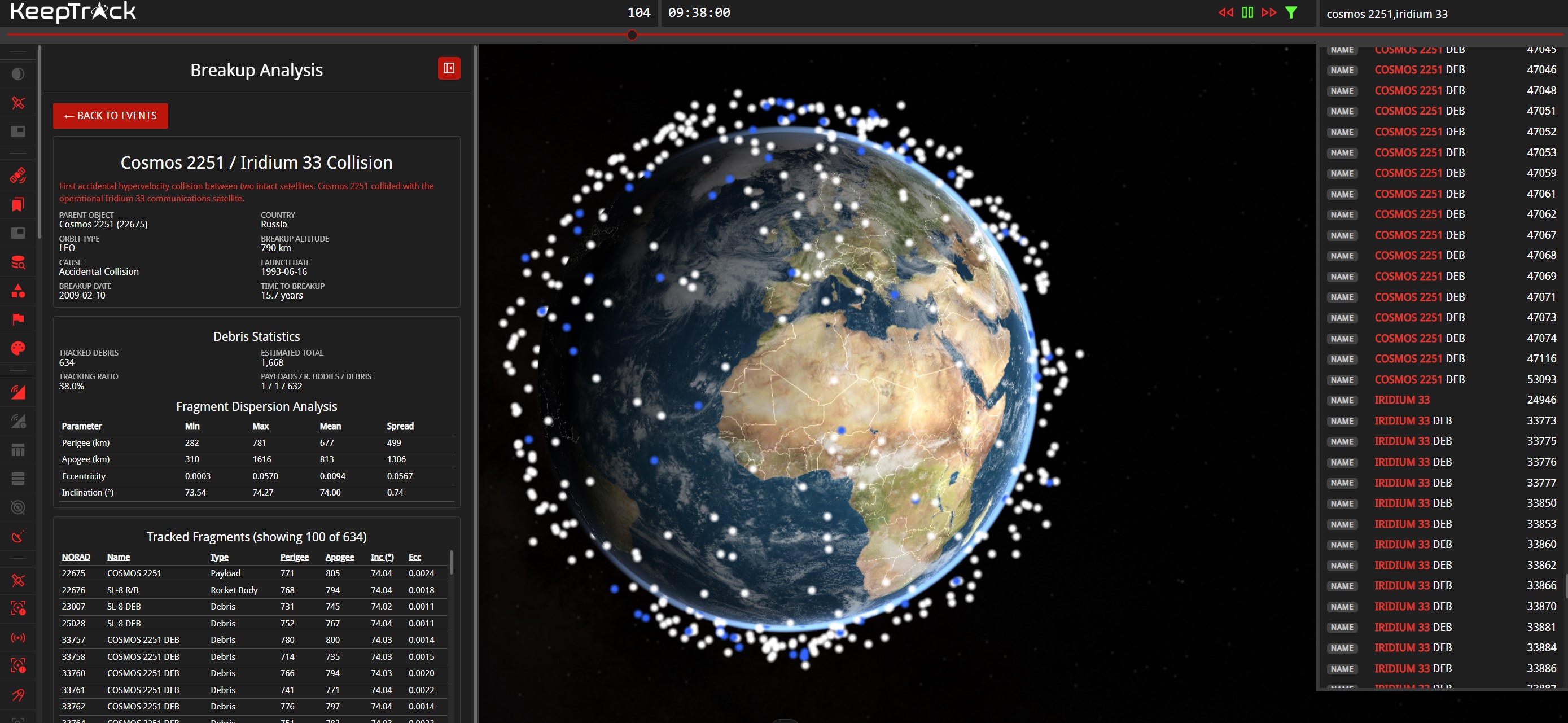
On February 10, 2009, an active Iridium communications satellite and a derelict Soviet military spacecraft slammed into each other 789 kilometers above Siberia. The collision produced more than 2,300 pieces of trackable debris that are still up there. Seventeen years later, the Iridium-Cosmos collision remains the event that made space debris a policy problem the world could no longer ignore.