


Space Brief 22 Jul 2025
Today's highlights include ExoMars' successful parachute test, developments in military satellite systems, and leadership changes at NASA Goddard.


Launch Date
December 20, 1997
Launch Site
AFWTR
Launch Pad
SLC2W
Launch Vehicle
Delta 7920-10C
NORAD ID
25107
International Designator
1997-082D
Decay Date
5/5/2001
Name
IRIDIUM 48
Alternative Name
Iridium 48
Type
Status
Owner
IRID
Country
United States
Constellation
N/A
Related Satellites
Major Events
N/A
Length
3.5
Diameter
1
Span
5
Dry Mass
556
Launch Mass
662
Shape
Box + 2 Pan
Radar Cross Section
7.8284
Visual Magnitude
Unknown
Color
Unknown
Material Composition
Unknown
Payload
Iridium SV048
Purpose
Communication
Mission
Communication
Manufacturer
MOTO/LMMS
Life Expectancy
8 years
Bus
LM700
Configuration
LM-700A
Motor
?
Equipment
?
Power System
2 deployable solar arrays, batteries
ADCS
Unknown
Transmitter Frequency
Unknown
Learn more about satellites and other related topics.
Today's highlights include ExoMars' successful parachute test, developments in military satellite systems, and leadership changes at NASA Goddard.
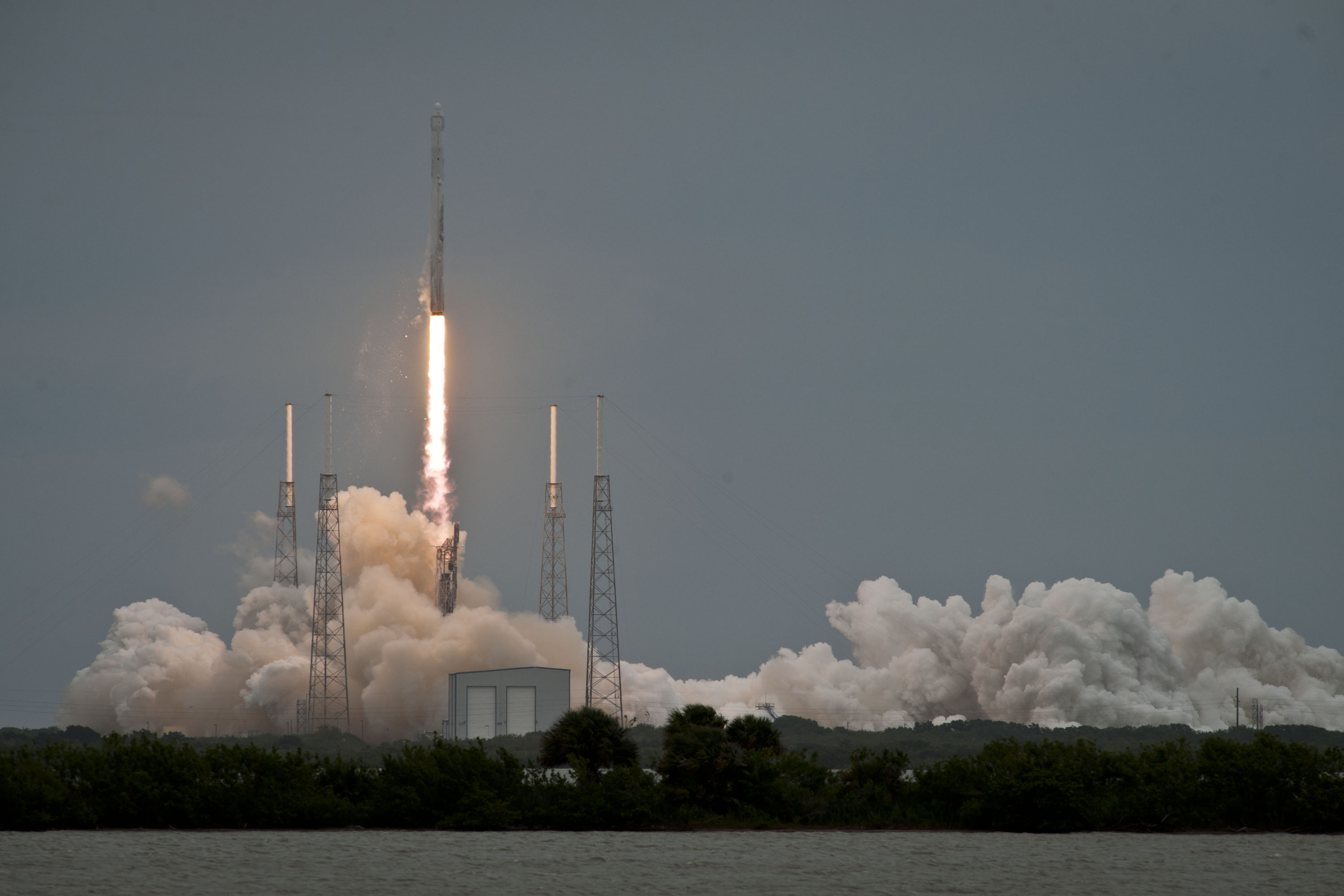
On April 18, 2014, a Falcon 9 first stage did something no orbital rocket had ever done before. It fired its engines on the way down, steered itself through the atmosphere using grid fins that did not yet exist, and touched the Atlantic Ocean softly enough to survive the impact. Nobody recovered it. The data was the whole point.
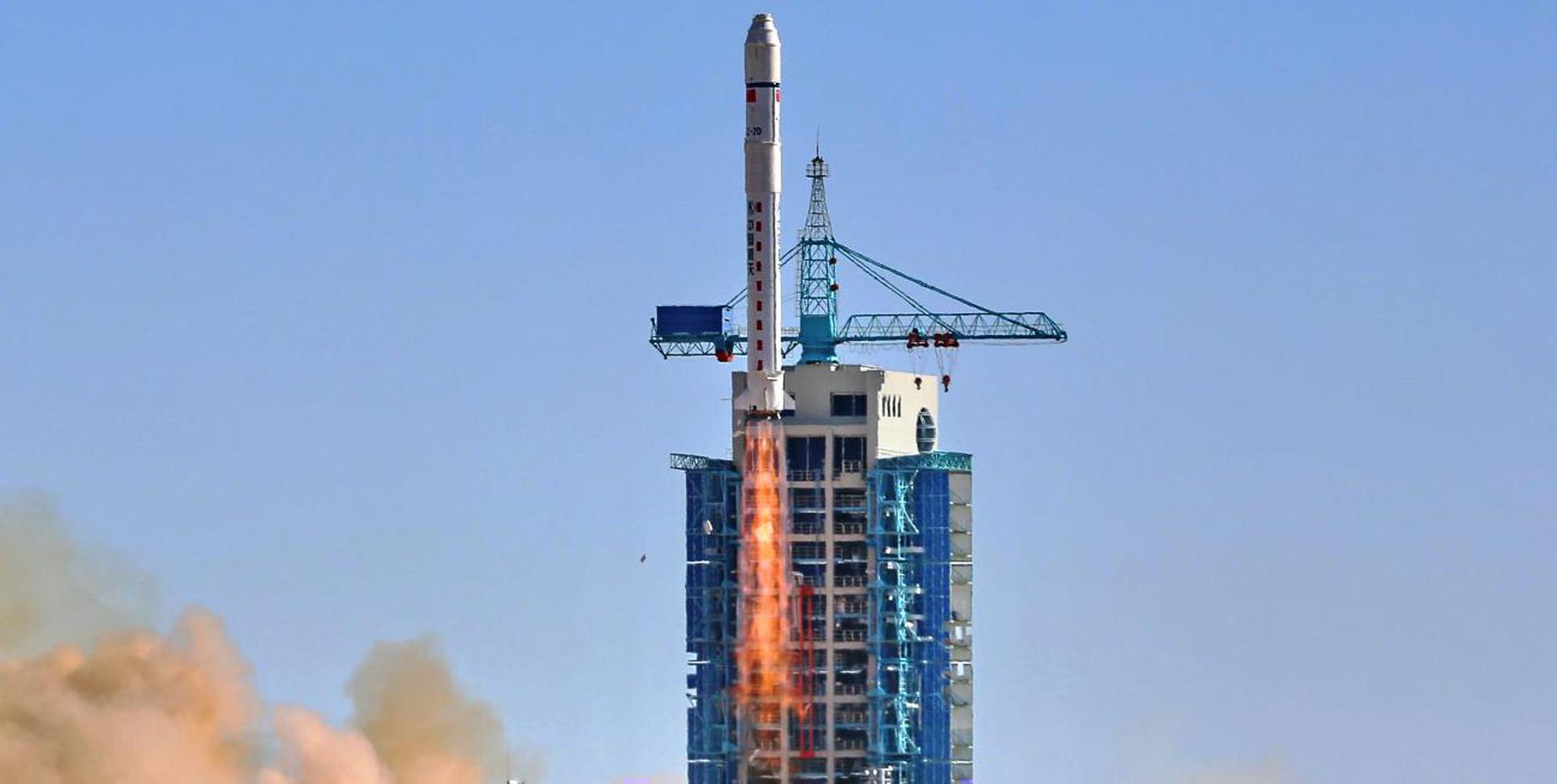
Blue Origin's fourth New Glenn rocket exploded during static fire at LC-36, Cape Canaveral, destroying the fully stacked vehicle and pad infrastructure. Amazon Leo launch postponed indefinitely.
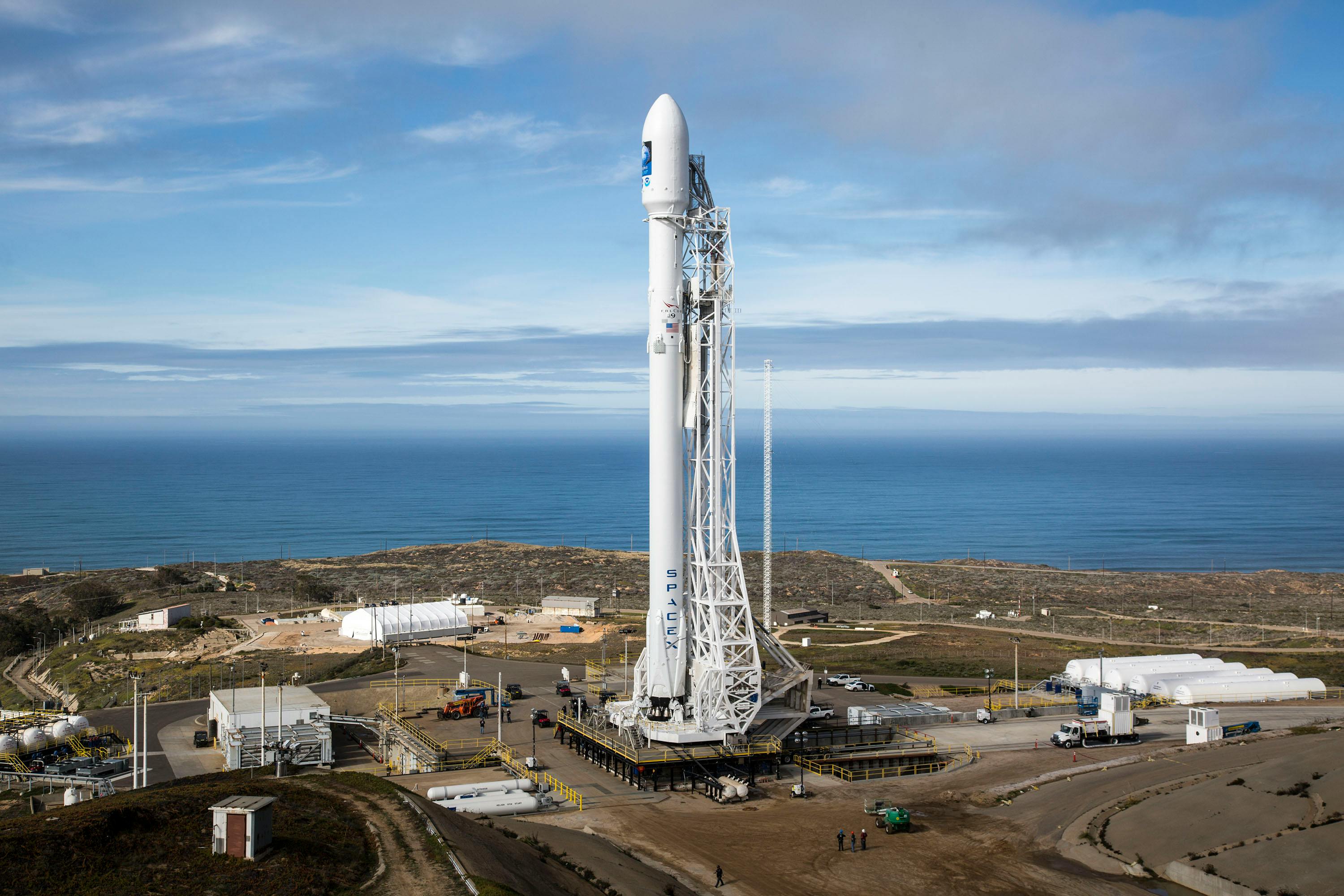
SpaceX successfully launched 29 Starlink satellites on the record-breaking 32nd flight of its Falcon 9 rocket. Elon Musk discusses a potential future as a Type II civilization, emphasizing the role of AI and satellite technology.

The White House wants to cut NASA's science budget nearly in half for the second year running. Administrator Jared Isaacman says it's enough. Congress already rejected this exact idea once.

SpaceX Starlink launch cadence 2026: missions 26 and 27 lift off 37 minutes apart on March 13, with 25 and 29 satellites per Falcon 9, 54 in one morning.
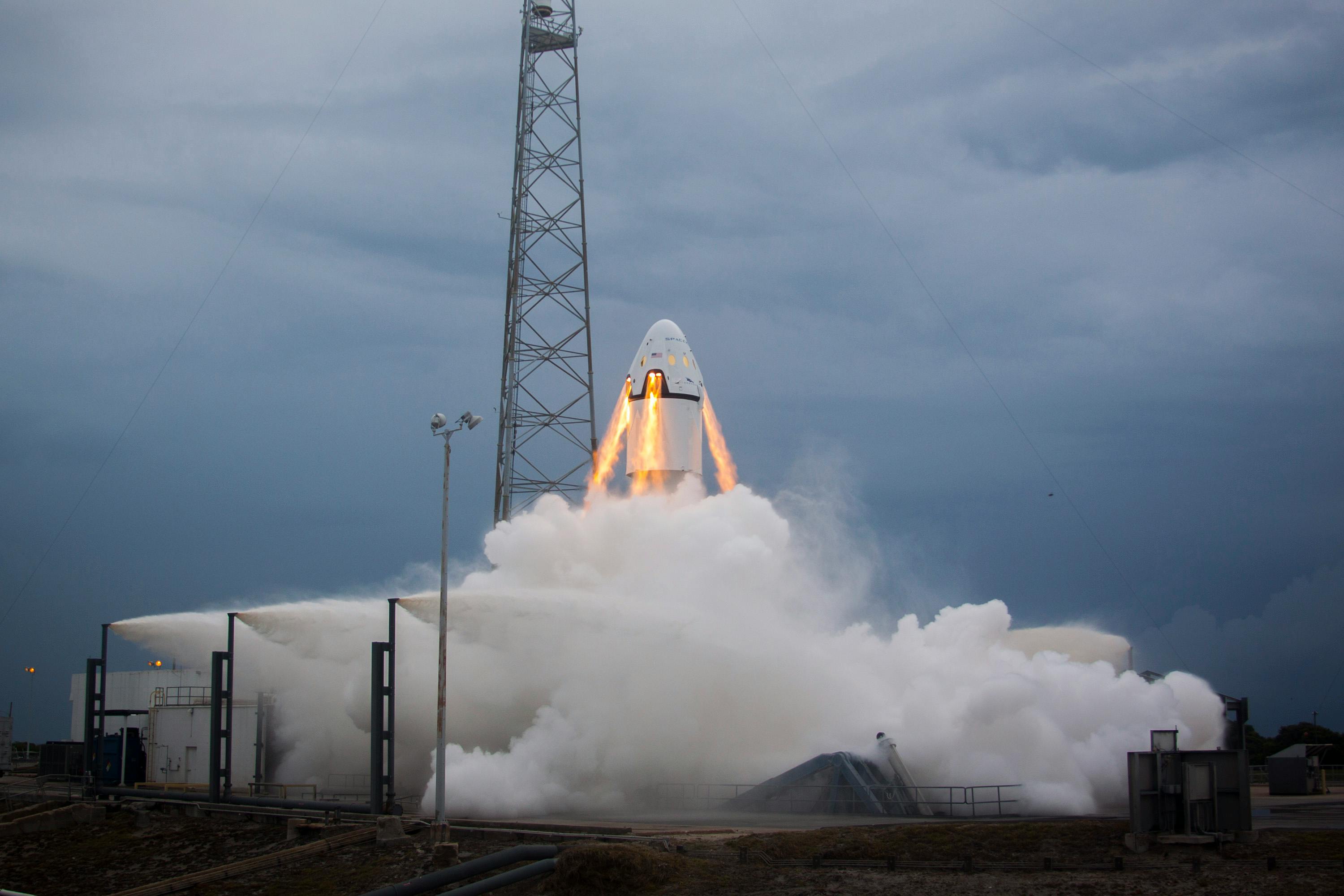
SpaceX continues strong momentum in June with successful satellite launches, a new service from Telstra, and updates on upcoming missions. Key developments are shaping the future of both space travel and satellite communications.
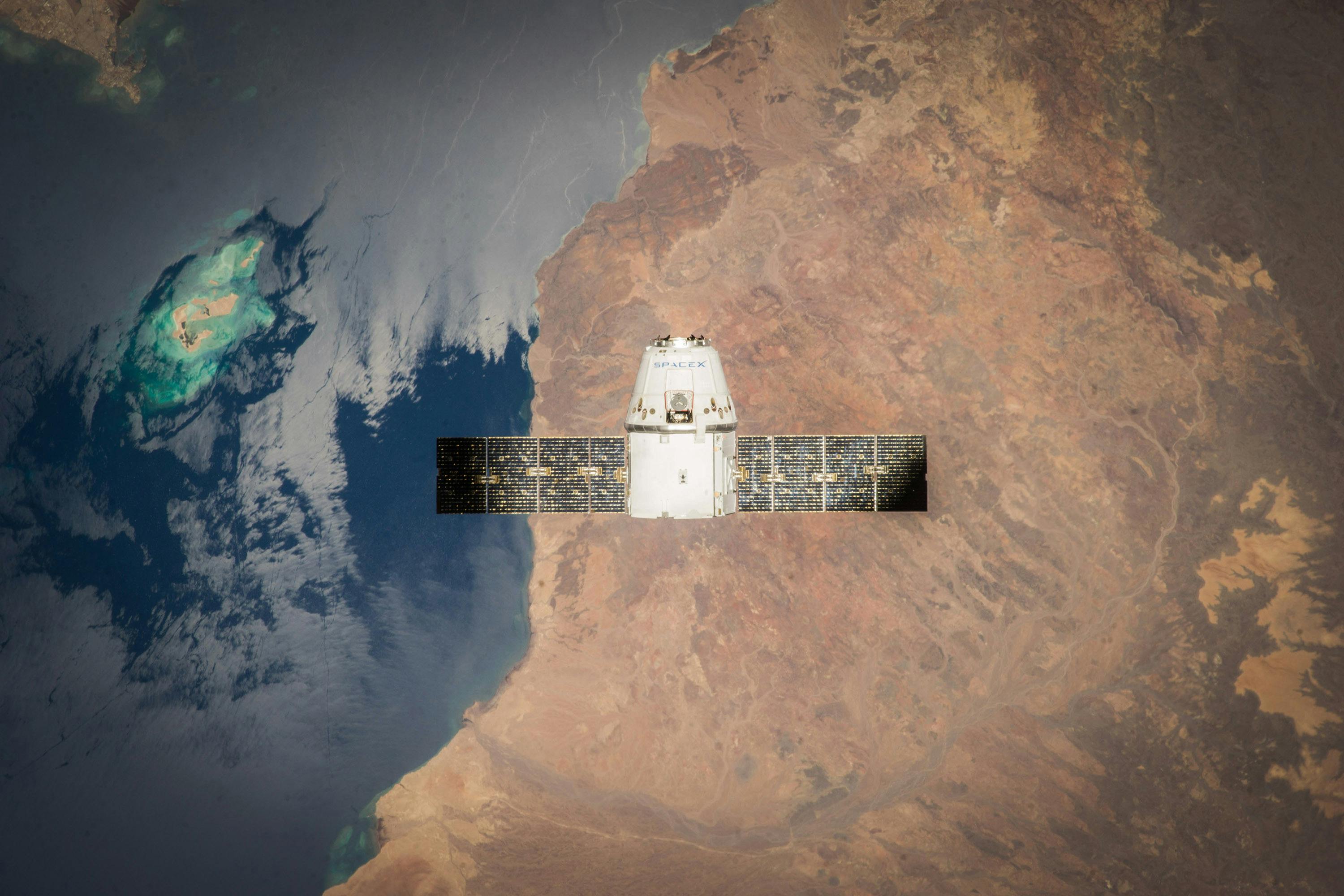
SpaceX executes dual Starlink launches and secures Dragonfly mission contract while managing NRO satellite deployment.