

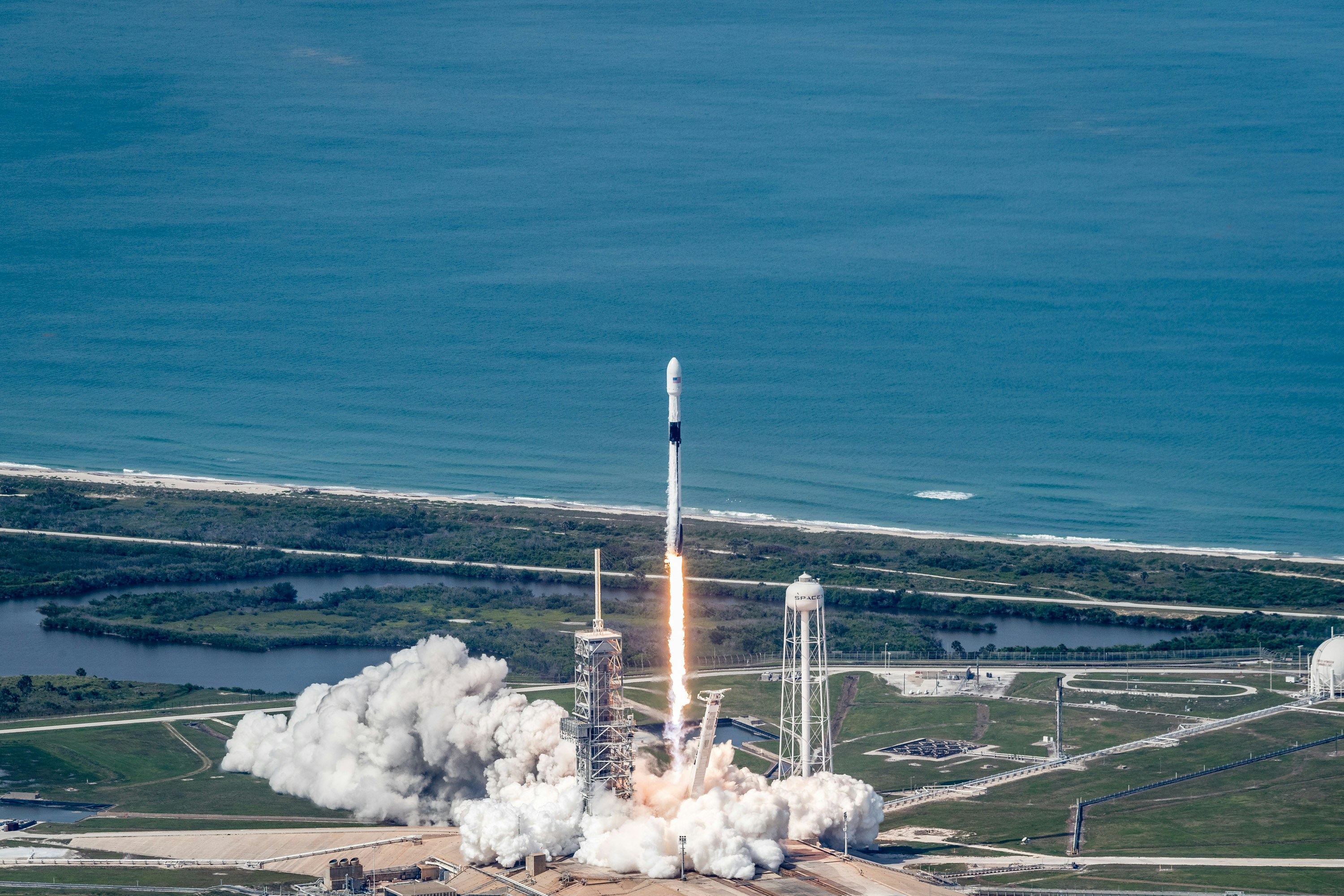
Starship Flight 13 Static Fire, Florida Push, X Report 4 Jul 2026
Starship update July 2026: Flight 13 completed a full six-Raptor static fire as SpaceX targets its first Cape Canaveral Starship launch by year's end.



Launch Date
May 19, 1994
Launch Site
AFWTR
Launch Pad
RW04/22
Launch Vehicle
Pegasus/HAPS
NORAD ID
24580
International Designator
1994-029YG
Decay Date
7/10/1998
Name
PEGASUS DEB
Alternative Name
deb HAPS
Type
Status
Owner
OSCC
Country
United States
Constellation
N/A
Related Satellites
Major Events
N/A
Length
0
Diameter
0
Span
0
Dry Mass
0
Launch Mass
0
Shape
N/A
Radar Cross Section
0.0118
Visual Magnitude
Unknown
Color
Unknown
Material Composition
Unknown
Payload
Unknown
Purpose
Unknown
Mission
Unknown
Manufacturer
Unknown
Life Expectancy
Unknown
Bus
Unknown
Configuration
Unknown
Motor
Unknown
Equipment
Unknown
Power System
Unknown
ADCS
Unknown
Transmitter Frequency
Unknown
Learn more about satellites and other related topics.
Starship update July 2026: Flight 13 completed a full six-Raptor static fire as SpaceX targets its first Cape Canaveral Starship launch by year's end.

Today's Space Brief highlights Globalstar's new military focus, technological innovations in the Army's tactical systems, and a deeper look at key military satellite communications developments.
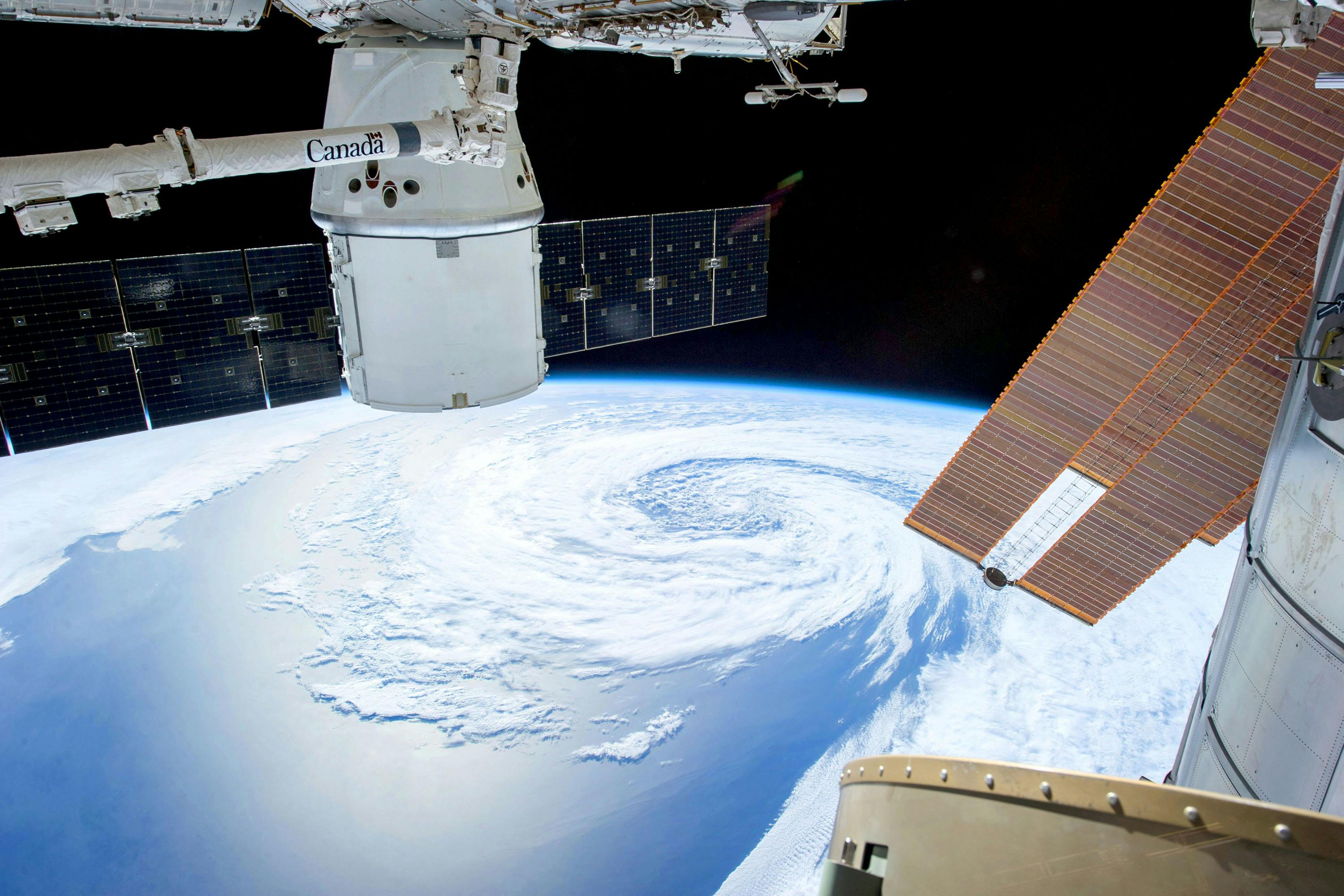
Starship V3 targets an April 2026 debut, the ride for next-gen Starlink V3 satellites. Fleet stands at 10,062 working of 11,587 launched.

SpaceX gears up for new Starlink shell deployment and secures updated licensing for Starship, amidst ongoing preparations for Falcon 9 launches.

SpaceX successfully launched 28 Starlink satellites on October 7, further expanding its broadband constellation while hosting an active launch schedule this week.
SpaceX successfully launched 24 Starlink satellites into polar orbit, enhancing global coverage. Meanwhile, NASA's Crew-11 is now in quarantine ahead of their upcoming ISS mission.

Transporter 16 carries 119 payloads: SpaceX's rideshare mission targets Sun-synchronous orbit from Vandenberg, one of its densest manifests yet.

Three Chinese rocket bodies have exploded over four years, creating debris clouds that will linger for decades to centuries, according to LeoLabs analysis. Fragmentation events threaten commercial and military operators.