

Space Brief 7 Mar 2025
Key insights from the latest SpaceX Starship breakup, the establishment of a new satellite mobile service, and enhancing America's missile shield capabilities through satellites.



Launch Date
July 23, 1991
Launch Site
PLMSC
Launch Pad
LC43/3
Launch Vehicle
Soyuz-U
NORAD ID
21644
International Designator
1991-052D
Decay Date
8/10/1991
Name
RESURS F-12 DEB
Alternative Name
KDU part
Type
Status
Owner
UNKSR
Country
USSR
Constellation
N/A
Related Satellites
Major Events
N/A
Length
0
Diameter
0
Span
0
Dry Mass
0
Launch Mass
0
Shape
N/A
Radar Cross Section
Unknown
Visual Magnitude
Unknown
Color
Unknown
Material Composition
Unknown
Payload
KDU part
Purpose
Unknown
Mission
Unknown
Manufacturer
TSSKB
Life Expectancy
Unknown
Bus
Zenit deb
Configuration
Unknown
Motor
Unknown
Equipment
Unknown
Power System
Unknown
ADCS
Unknown
Transmitter Frequency
Unknown
Learn more about satellites and other related topics.
Key insights from the latest SpaceX Starship breakup, the establishment of a new satellite mobile service, and enhancing America's missile shield capabilities through satellites.
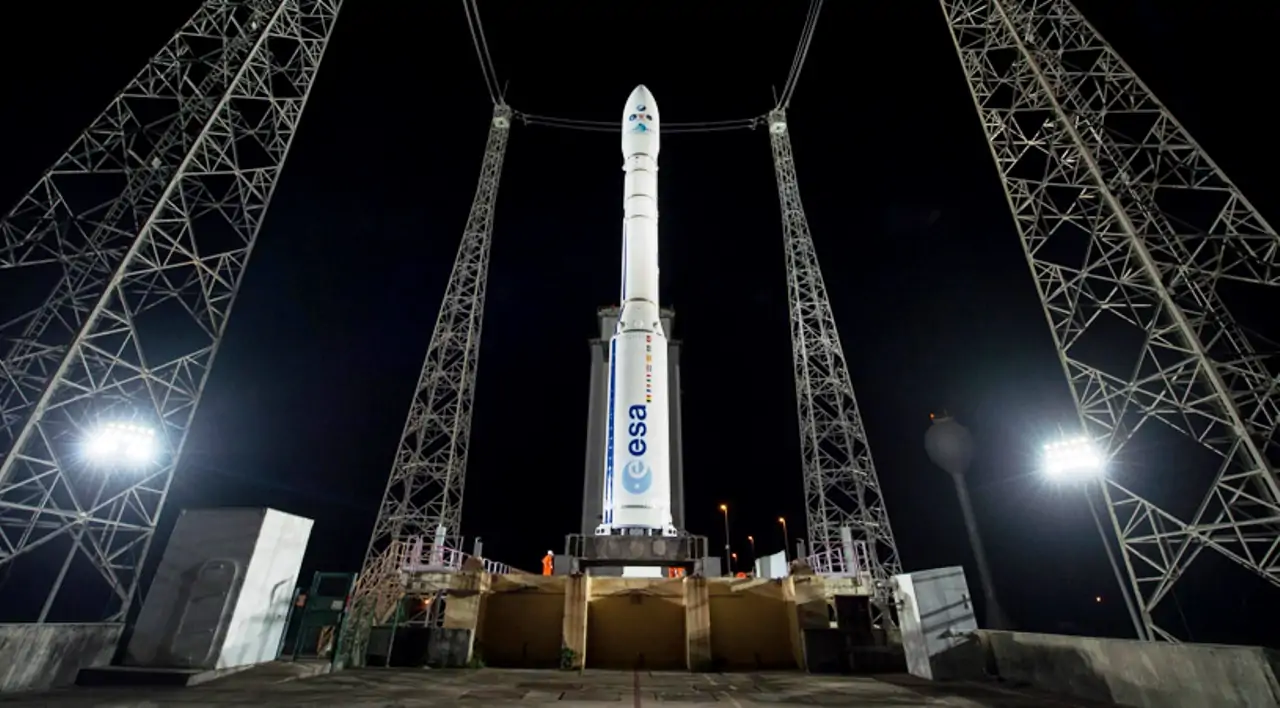
Thirteen years ago, a new rocket lifted off from the edge of the Amazon rainforest, marking Europe's entry into the small satellite launch market and carrying the dreams of university students across a continent
DIU explores SpaceX Starship's in-space refueling; Investors advise startups against competing or emulating SpaceX.
A second Starlink satellite malfunction in just over three months has generated on-orbit debris, raising fresh questions about SpaceX's 10,151-strong working constellation.
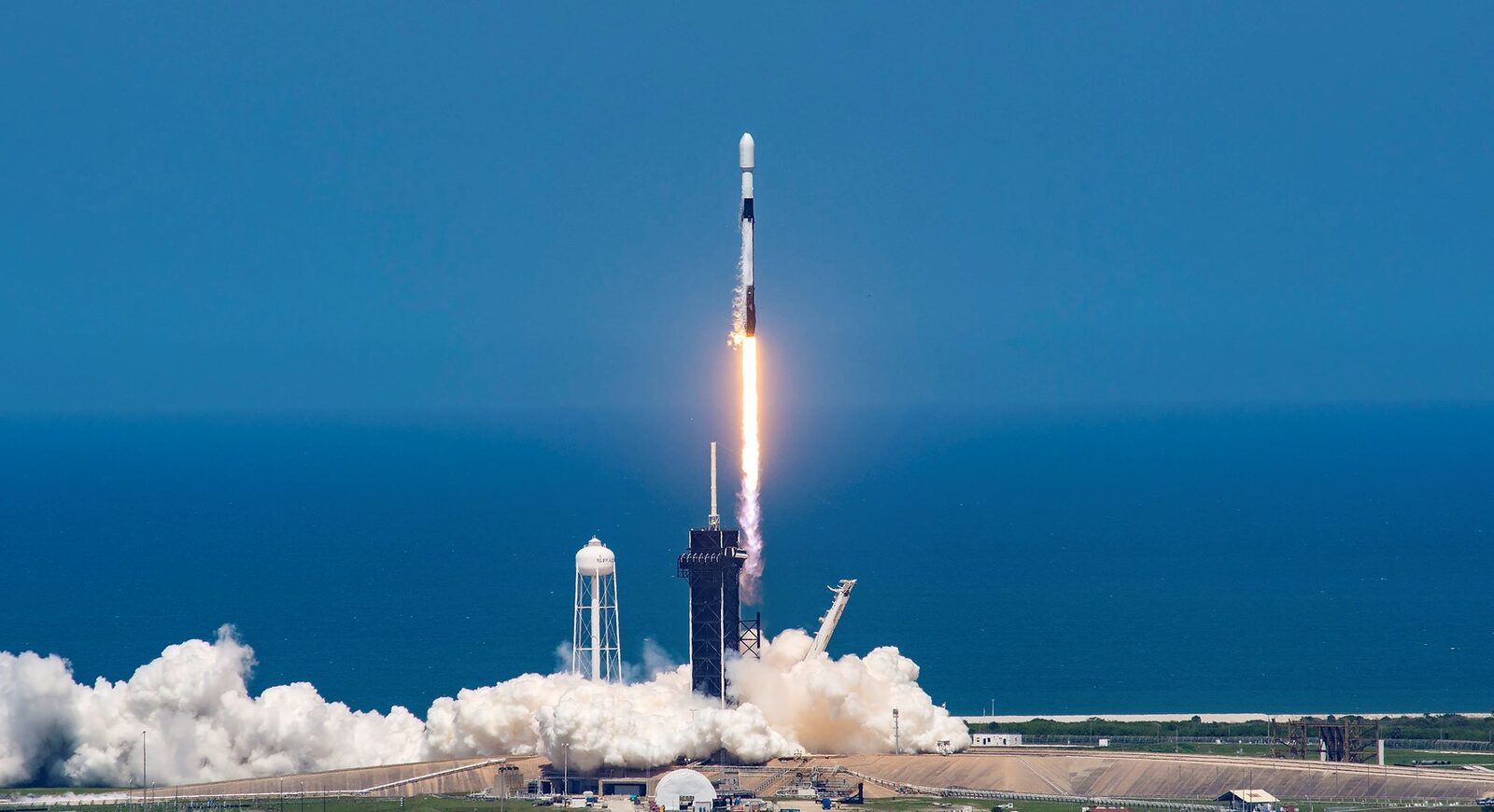
This week: China's Long March 10B debuted successfully, SpaceX merged with xAI, and Starlink topped 10,775 satellites in orbit.
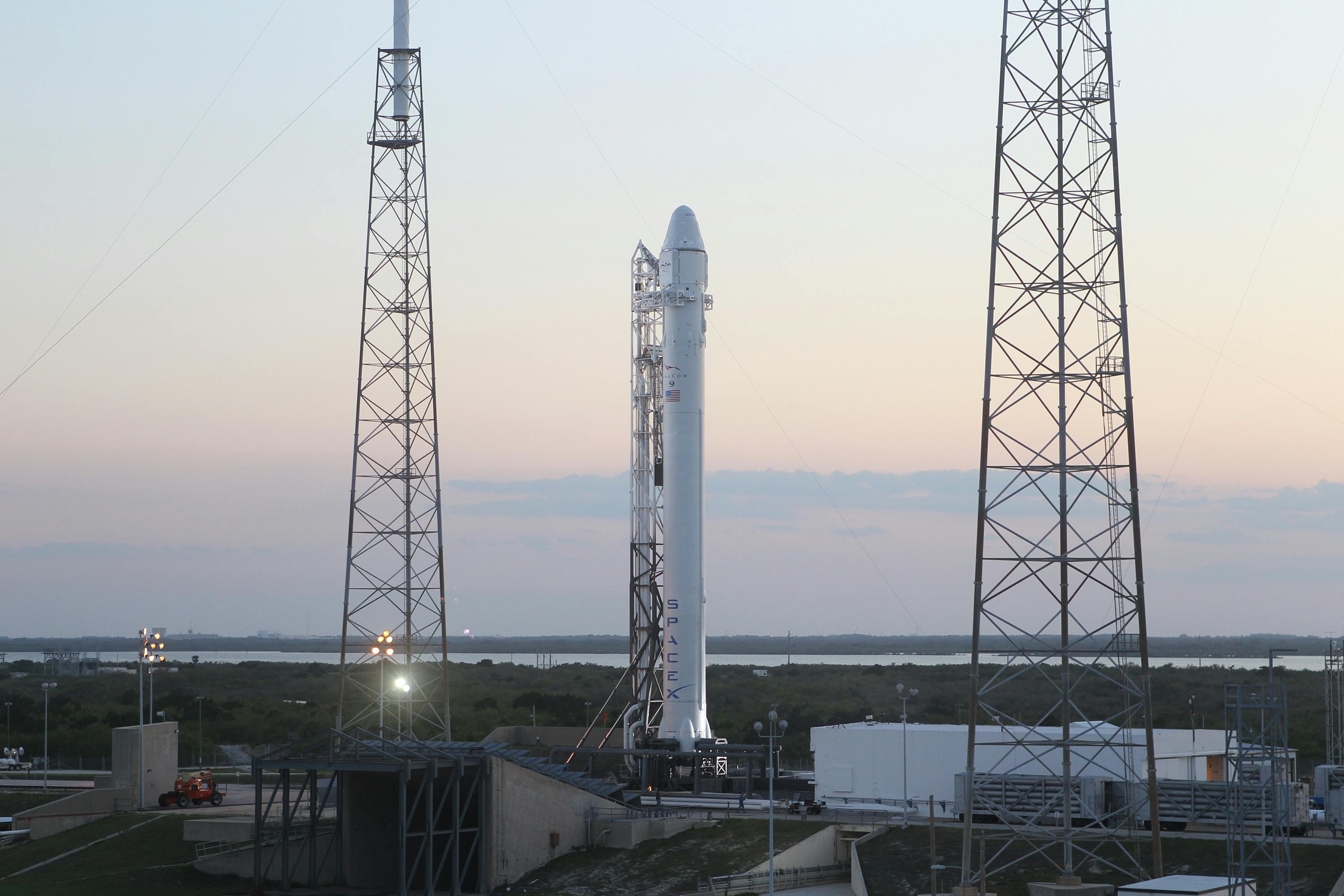
NASA's Inspector General warns of crew survival analysis gaps in Starship lunar lander program as Falcon 9 prepares to lead 8 global launches this week.

Today's highlights include key advancements for the Dream Chaser, SpaceX's record launches, Moon mission crowding concerns, and updates in European space policy.
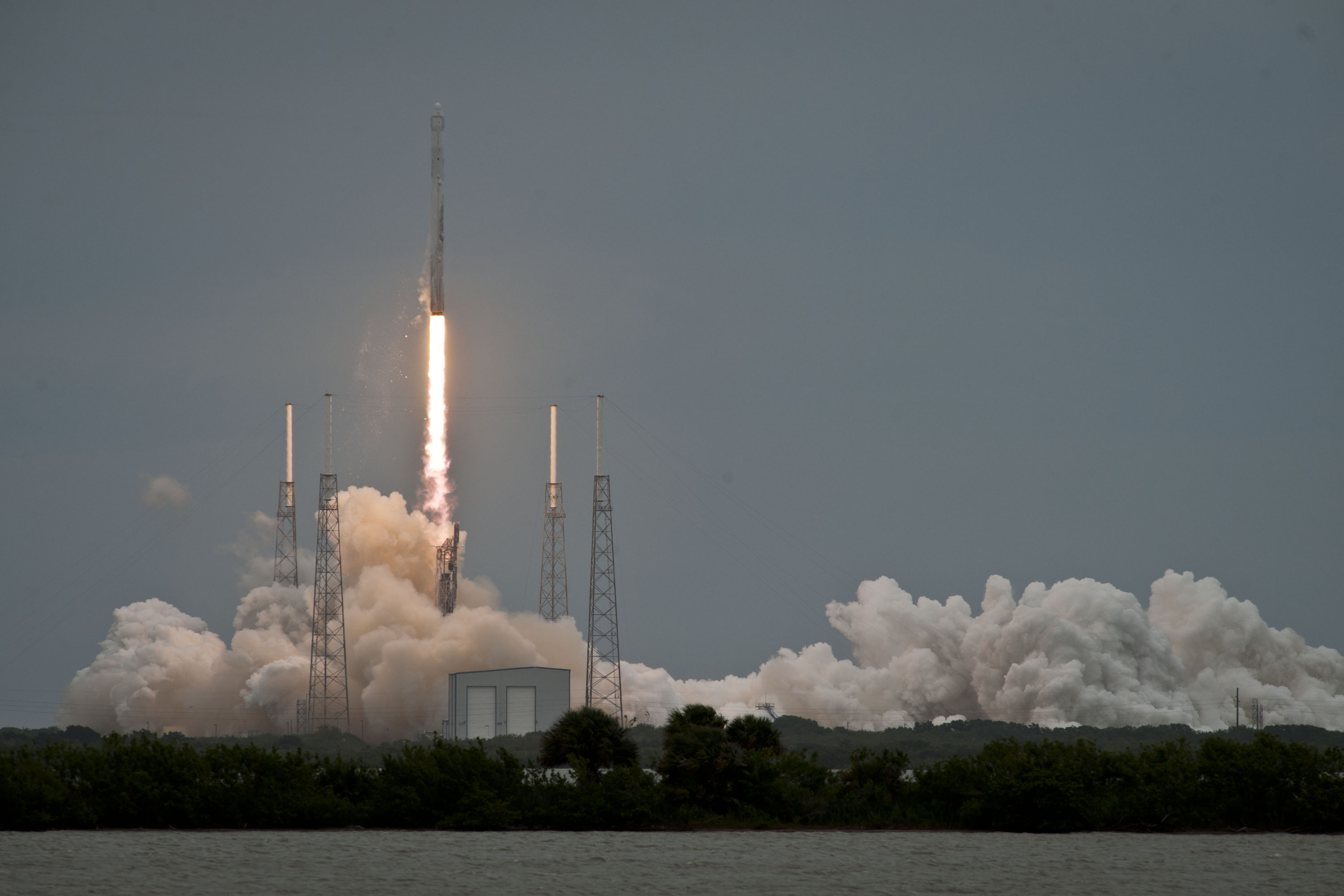
On April 18, 2014, a Falcon 9 first stage did something no orbital rocket had ever done before. It fired its engines on the way down, steered itself through the atmosphere using grid fins that did not yet exist, and touched the Atlantic Ocean softly enough to survive the impact. Nobody recovered it. The data was the whole point.