


Falcon 9 Booster B1067 Flies Record 35th Time | KeepTrack X Report
Booster B1067 set a Falcon 9 reuse record on its 35th flight, lofting 29 Starlink satellites as SpaceX eyes three more launches this week.


Launch Date
July 17, 1991
Launch Site
AFWTR
Launch Pad
RW04/22
Launch Vehicle
Pegasus/HAPS
NORAD ID
21585
International Designator
1991-051F
Decay Date
1/25/1992
Name
MICROSAT 6
Alternative Name
Microsat 6
Type
Status
Owner
DARPA
Country
United States
Constellation
N/A
Related Satellites
Major Events
N/A
Length
0.2
Diameter
0.5
Span
0.5
Dry Mass
19
Launch Mass
21
Shape
Cyl
Radar Cross Section
0.26
Visual Magnitude
Unknown
Color
Unknown
Material Composition
Unknown
Payload
Microsat 6
Purpose
Experimental communication
Mission
Experimental communication
Manufacturer
DSI
Life Expectancy
4 years (planned); 1 year (achieved)
Bus
Picostar
Configuration
PicoStar
Motor
Cold gas N2 propulsion
Equipment
1 UHF transponder digital store and forward communications system
Power System
Solar cellsm batteries
ADCS
Unknown
Transmitter Frequency
Unknown
Learn more about satellites and other related topics.
Booster B1067 set a Falcon 9 reuse record on its 35th flight, lofting 29 Starlink satellites as SpaceX eyes three more launches this week.
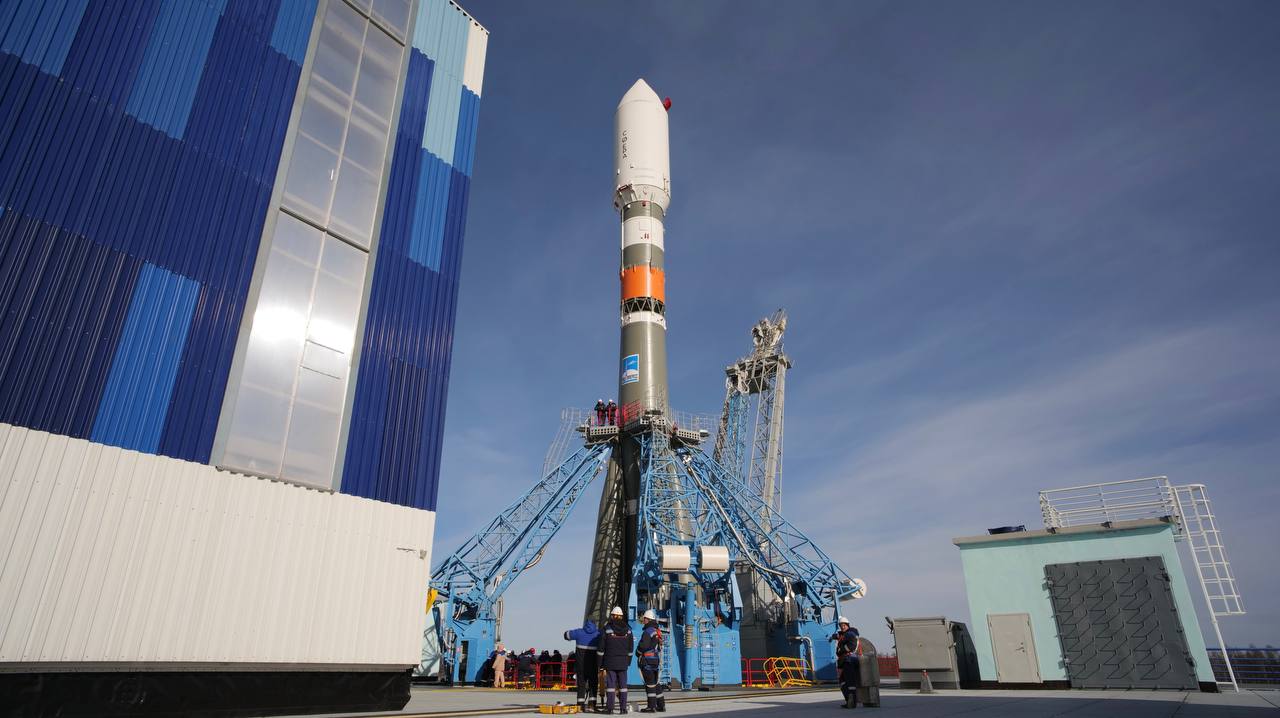
Today's brief covers China's latest experimental launch to GEO and new commercial satellites, insights from hyperspectral imagery on underground structures, and the Space Force's material testing for Mars missions.

Today's brief covers key developments in satellite launches, missile defense strategies, advanced IoT satellite connectivity, and the projected growth of the satellite market driven by defense needs.
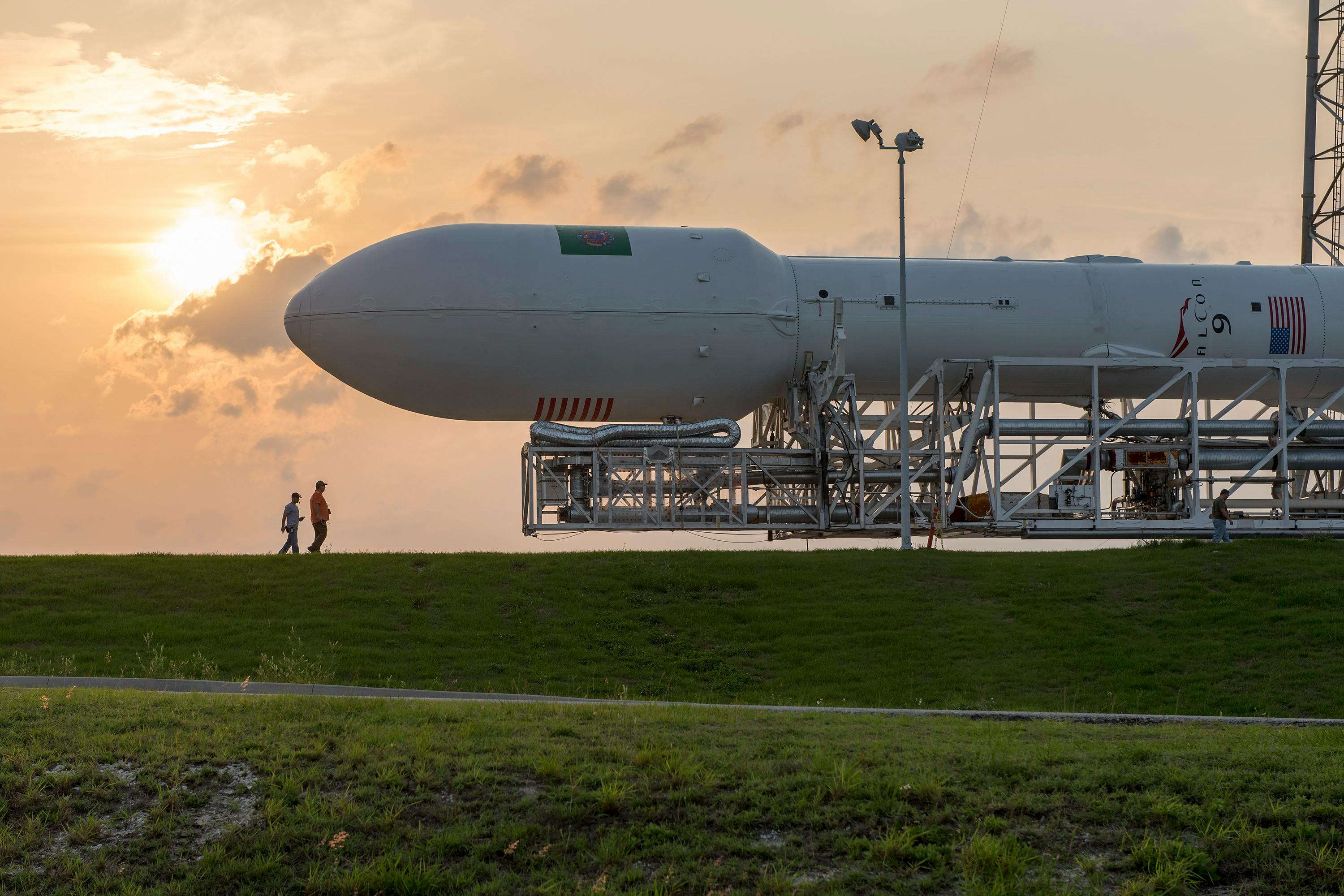
Today's Space Brief highlights SpaceX Crew-8's return, Intelsat-33e satellite breakup, SpaceX's upcoming Starship tests, and notable launches including China's new mega-constellation.
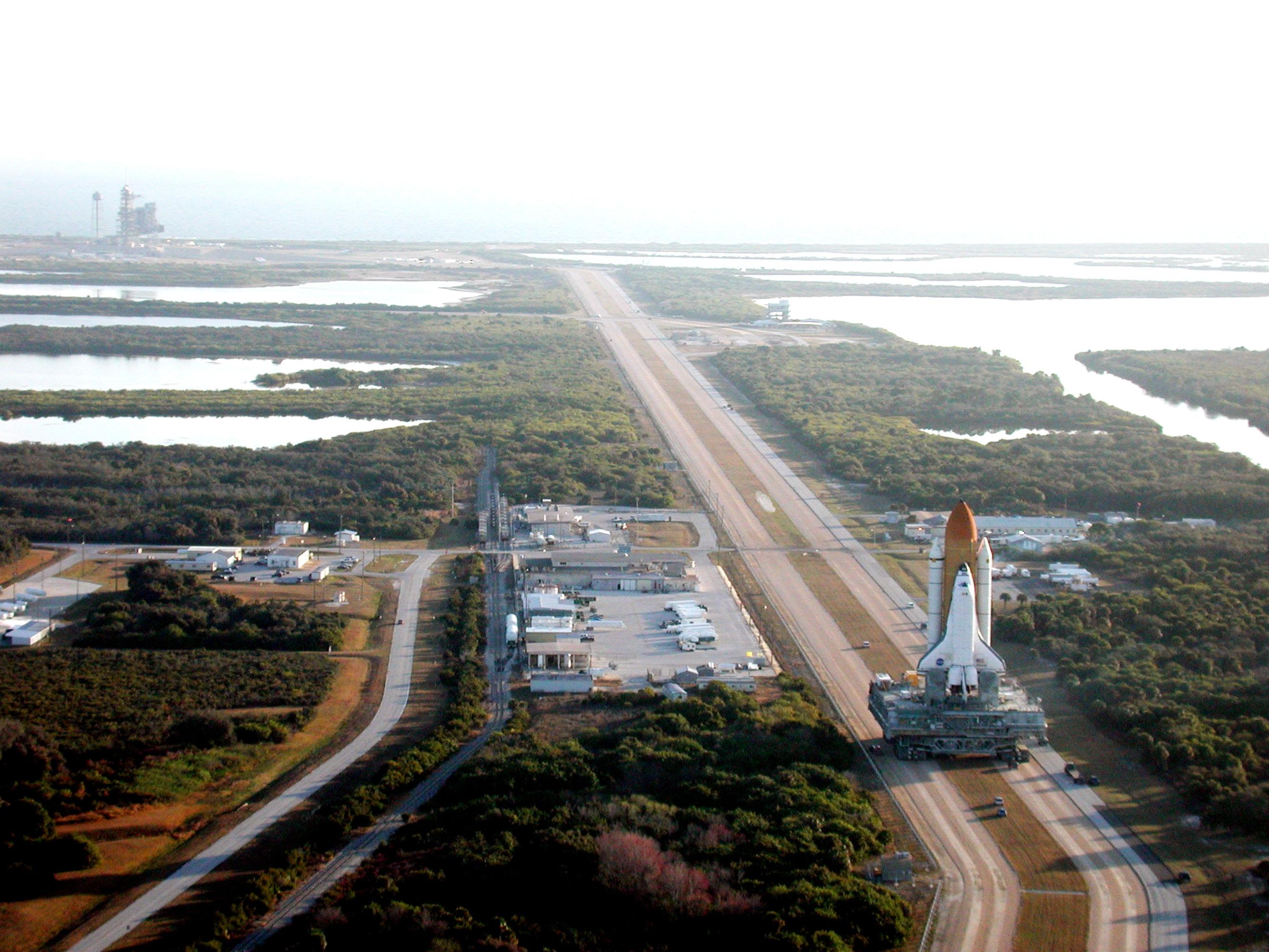
Twenty-four years ago, two spacewalking astronauts battled an ammonia leak while installing the U.S. Laboratory module Destiny, transforming the International Space Station from a construction site to a world-class research facility
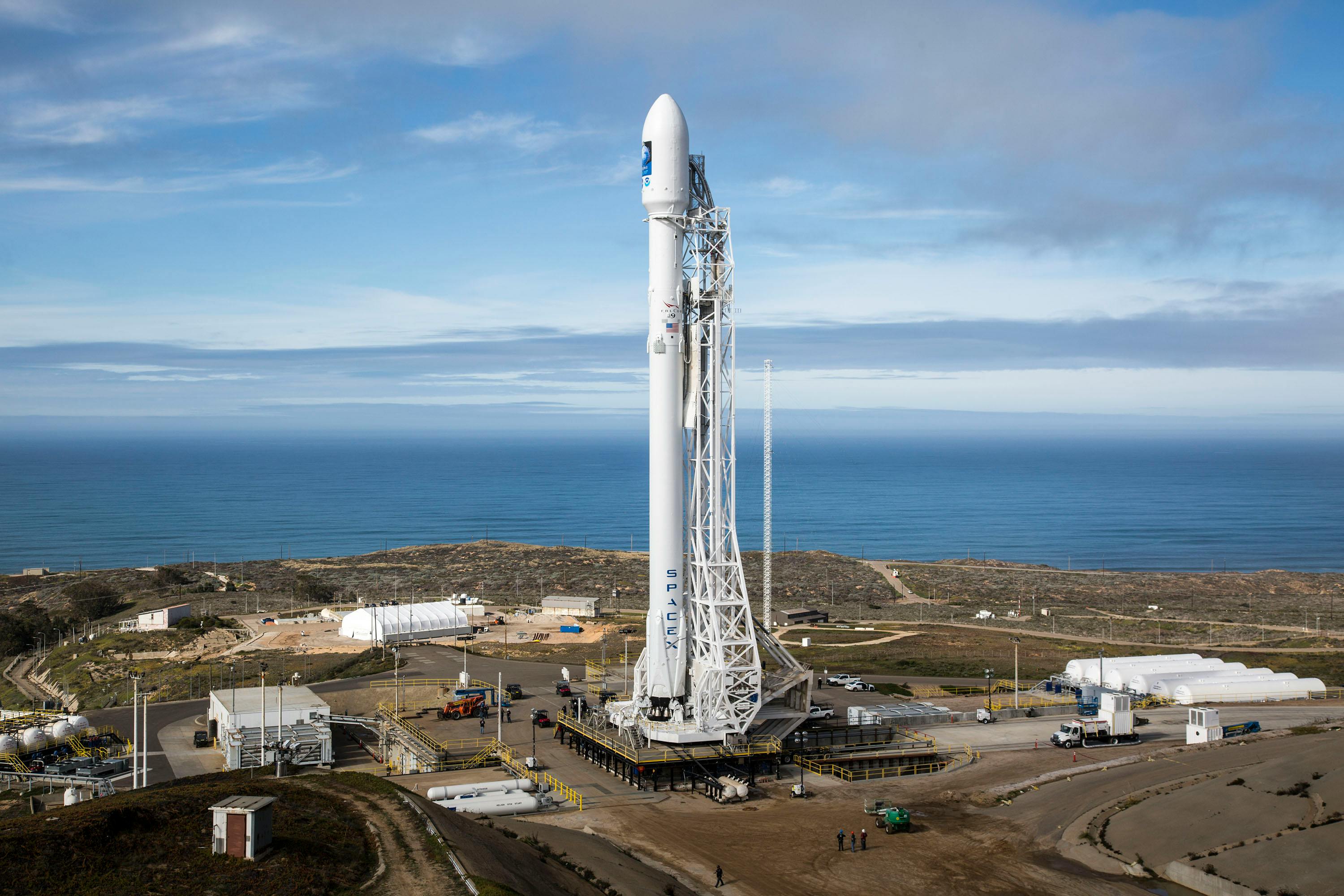
Anticipated NISAR launch now scheduled for March 2025; Rivada persists in broadband constellation quest despite setbacks; SpaceX scrubbed RRT-1 launch holds mystery.

Space Force deploys new radar in Alaska for orbital tracking. SDA awards $3.5B for 72 missile defense satellites. Anysignal raises $24M for autonomous RF sensing technology.

SpaceX Starlink launch cadence 2026: missions 26 and 27 lift off 37 minutes apart on March 13, with 25 and 29 satellites per Falcon 9, 54 in one morning.