


Japan's H3 Returns to Flight With 6 Satellites | KeepTrack Space Brief
Japan's H3 rocket successfully launched June 11, deploying 6 smallsats to orbit after December failure. First return-to-flight for JAXA's flagship heavy-lift vehicle.


Launch Date
May 31, 1989
Launch Site
Launch Pad
LC200/40
Launch Vehicle
Proton-K/DM-2
NORAD ID
20082
International Designator
1989-039H
Epoch
Fri, 03 Jul 2026 21:21:56 GMT
Apogee
Calculating...
Perigee
Calculating...
Inclination
65.13°
Right Ascension
0.84°
Eccentricity
Calculating...
Argument of Perigee
91.89°
Period
325.47 min
Mean Motion
4.42 rev/day
Latitude
Calculating...
Longitude
Calculating...
Altitude
Calculating...
Velocity
Calculating...
Name
SL-12 R/B(AUX MOTOR)
Alternative Name
DM2-39L SOZ-2
Type
Status
Owner
RVSN
Country
USSR
Constellation
N/A
Related Satellites
Major Events
N/A
1 20082U 89039H 26184.89023643 .00000012 00000-0 27167-3 0 9996
2 20082 65.1264 0.8397 5553840 91.8930 329.1978 4.42435374584490
Source: Celestrak
Length
1.1
Diameter
0.5
Span
1.1
Dry Mass
60
Launch Mass
120
Shape
Cyl
Radar Cross Section
0.7214
Visual Magnitude
Unknown
Color
Unknown
Material Composition
Unknown
Payload
SOZ
Purpose
Unknown
Mission
Unknown
Manufacturer
NPOE
Life Expectancy
Unknown
Bus
SOZ
Configuration
Unknown
Motor
Unknown
Equipment
Unknown
Power System
Unknown
ADCS
Unknown
Transmitter Frequency
Unknown
Learn more about satellites and other related topics.
Japan's H3 rocket successfully launched June 11, deploying 6 smallsats to orbit after December failure. First return-to-flight for JAXA's flagship heavy-lift vehicle.
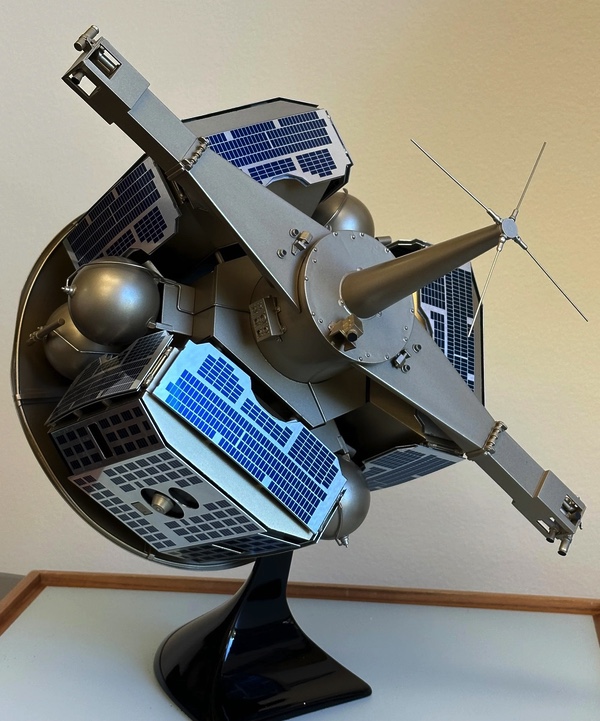
Forty-two years ago, an Atlas H rocket climbed into the California sky carrying four objects that would help the U.S. Navy track every Soviet warship on the planet - a mission so secret that even the satellites' true name wasn't declassified until 2023
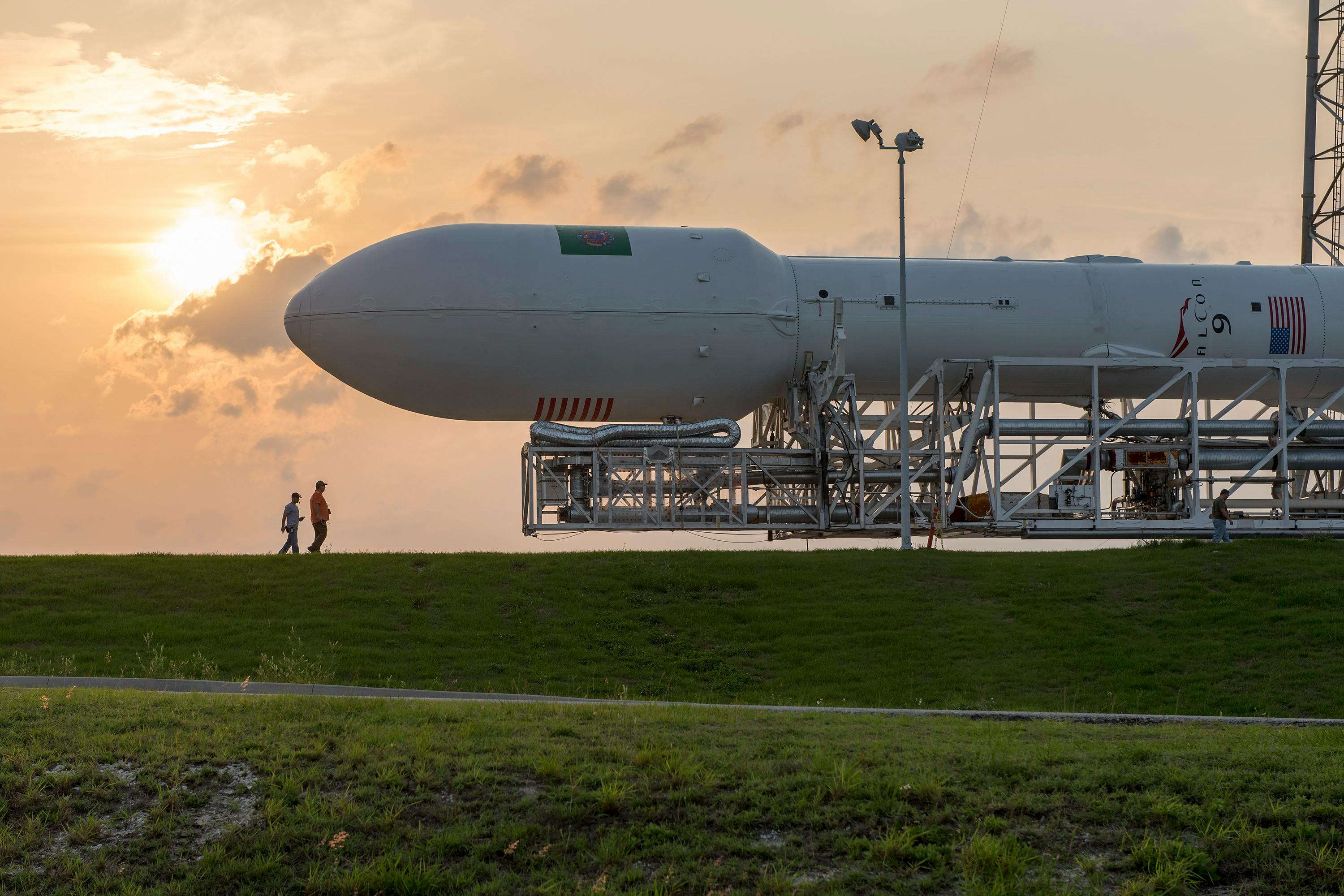
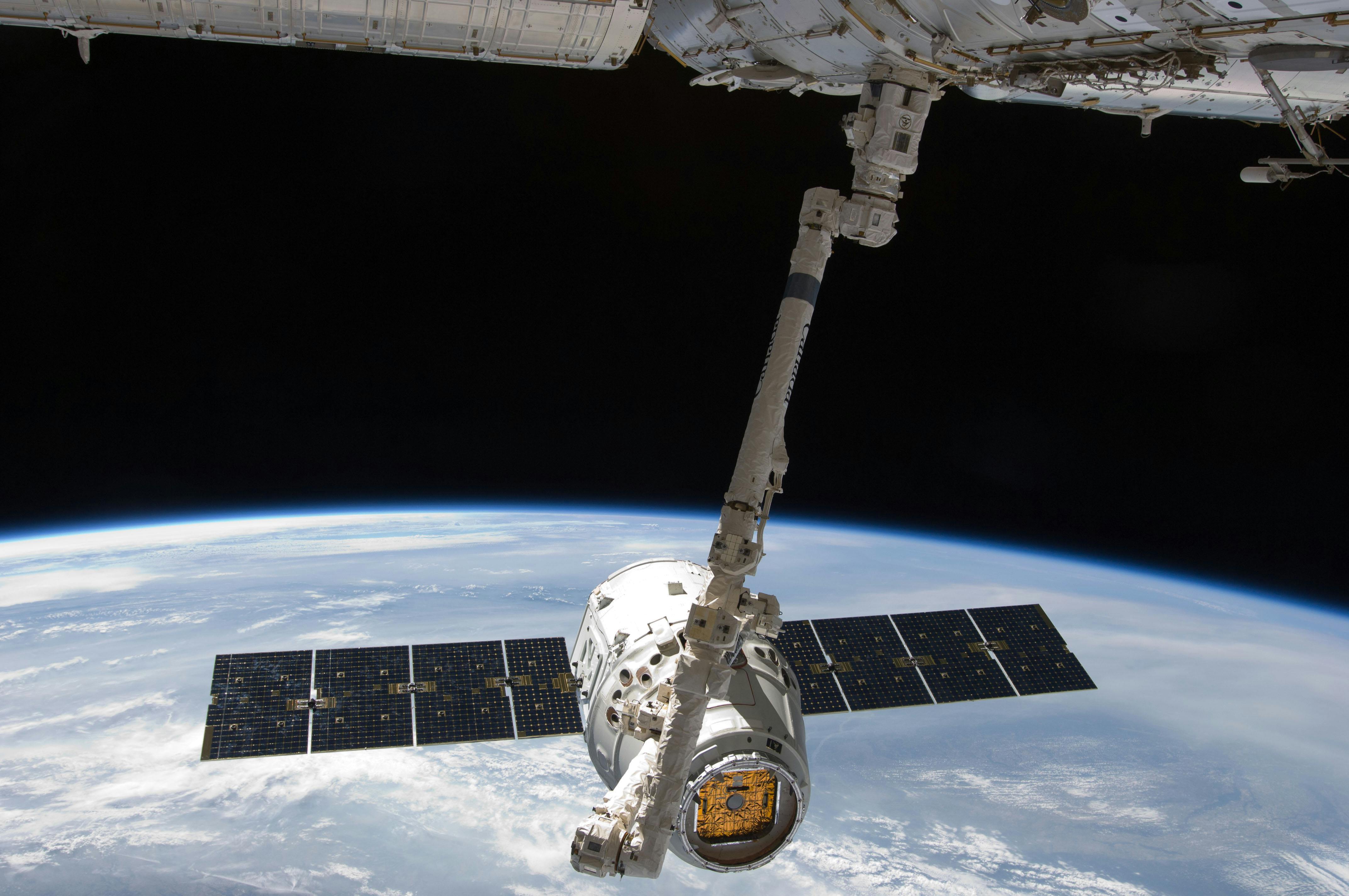
SpaceX's Falcon 9 delivered Northrop Grumman's second Cygnus XL — carrying over 5 tons of cargo — to the ISS on April 11, 2026.
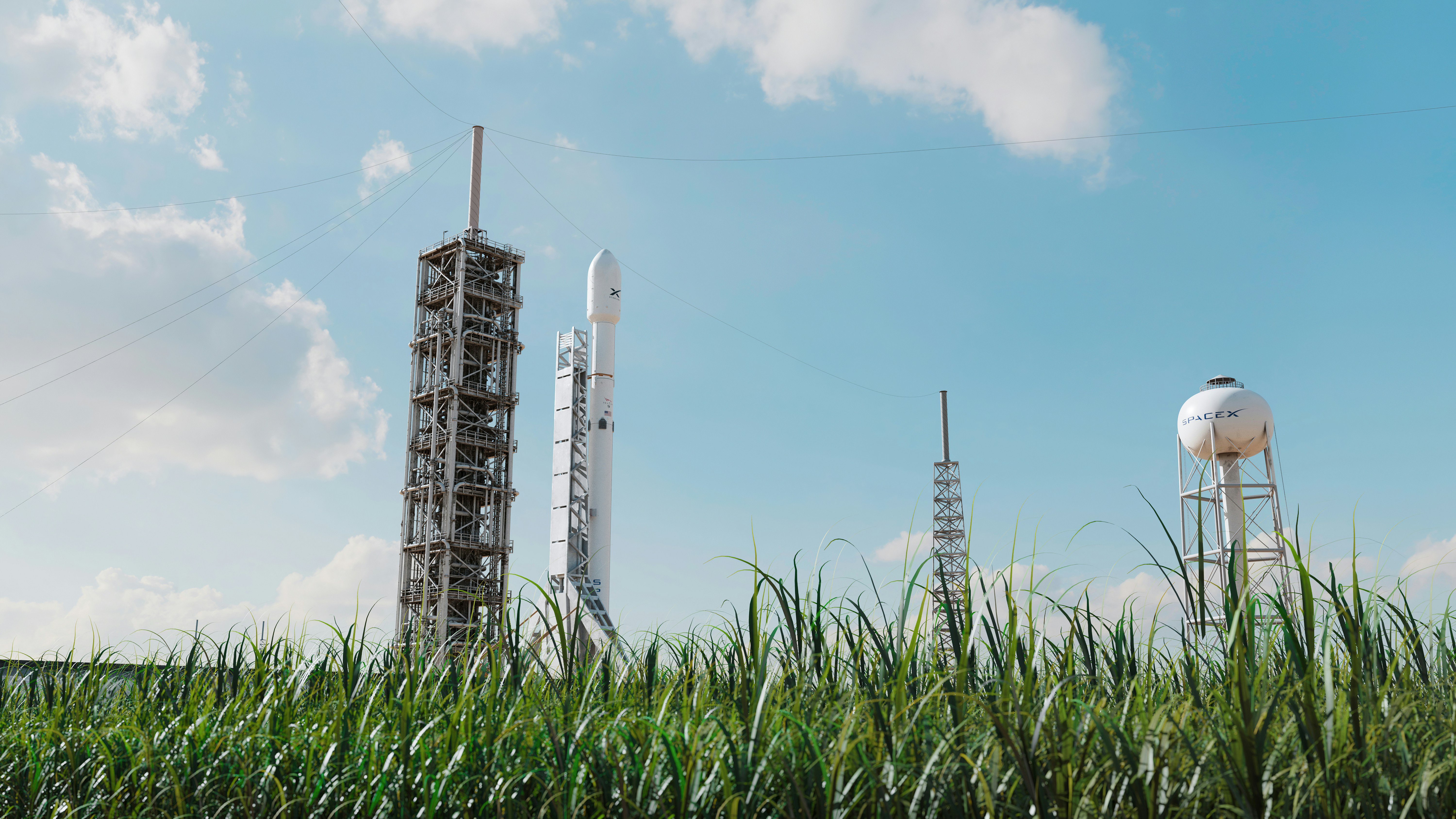
SpaceX successfully launched 27 Starlink satellites while facing new competition for its satellite programs, including potential alternatives for the Space Force.
SpaceX prepares for Starship Flight 8 with successful booster static fire; Starlink continues its expansion.
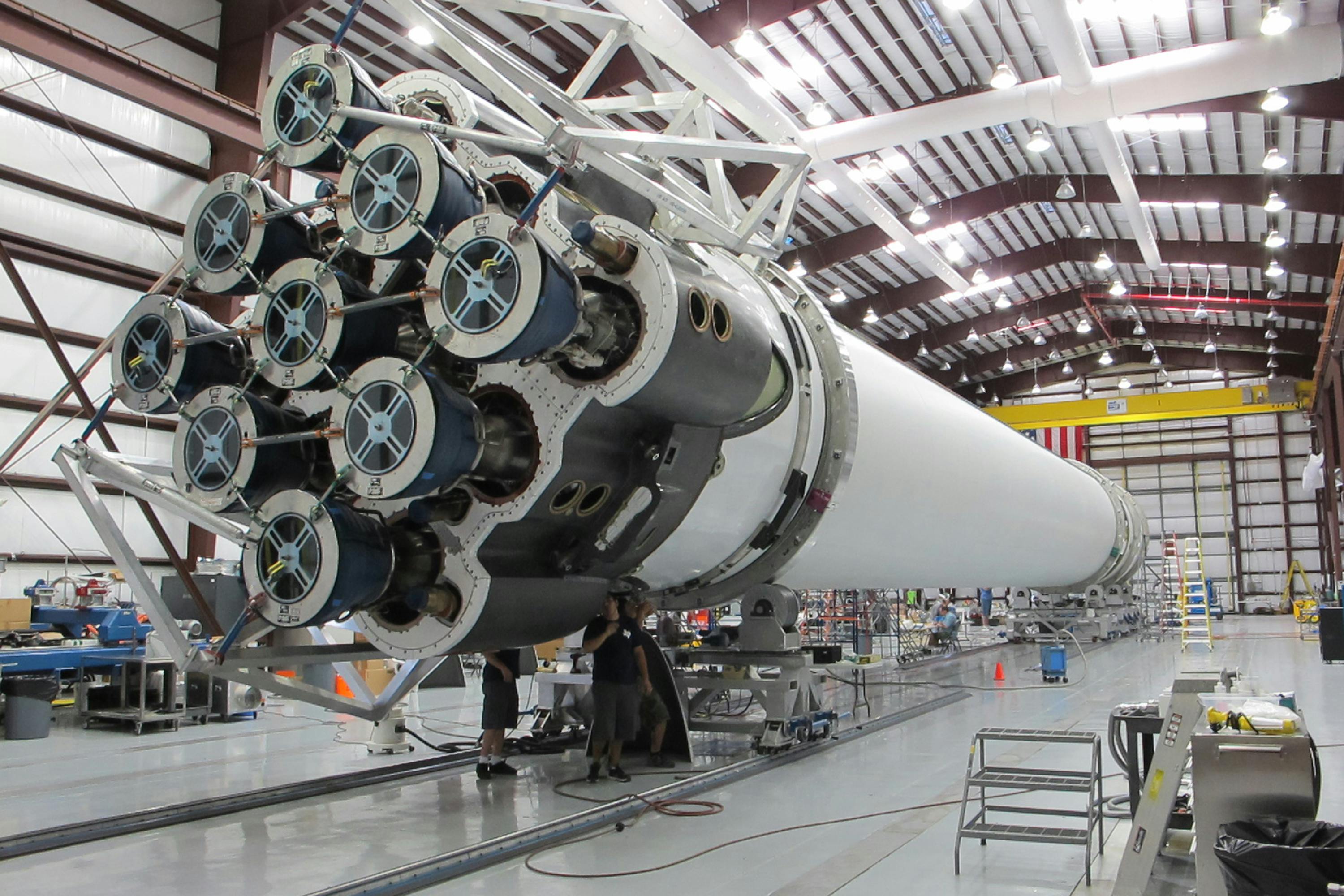
Booster B1067 hit 36 flights on July 9, while SpaceX files to expand Starlink to 100,000 satellites at 4,400 lbs each.
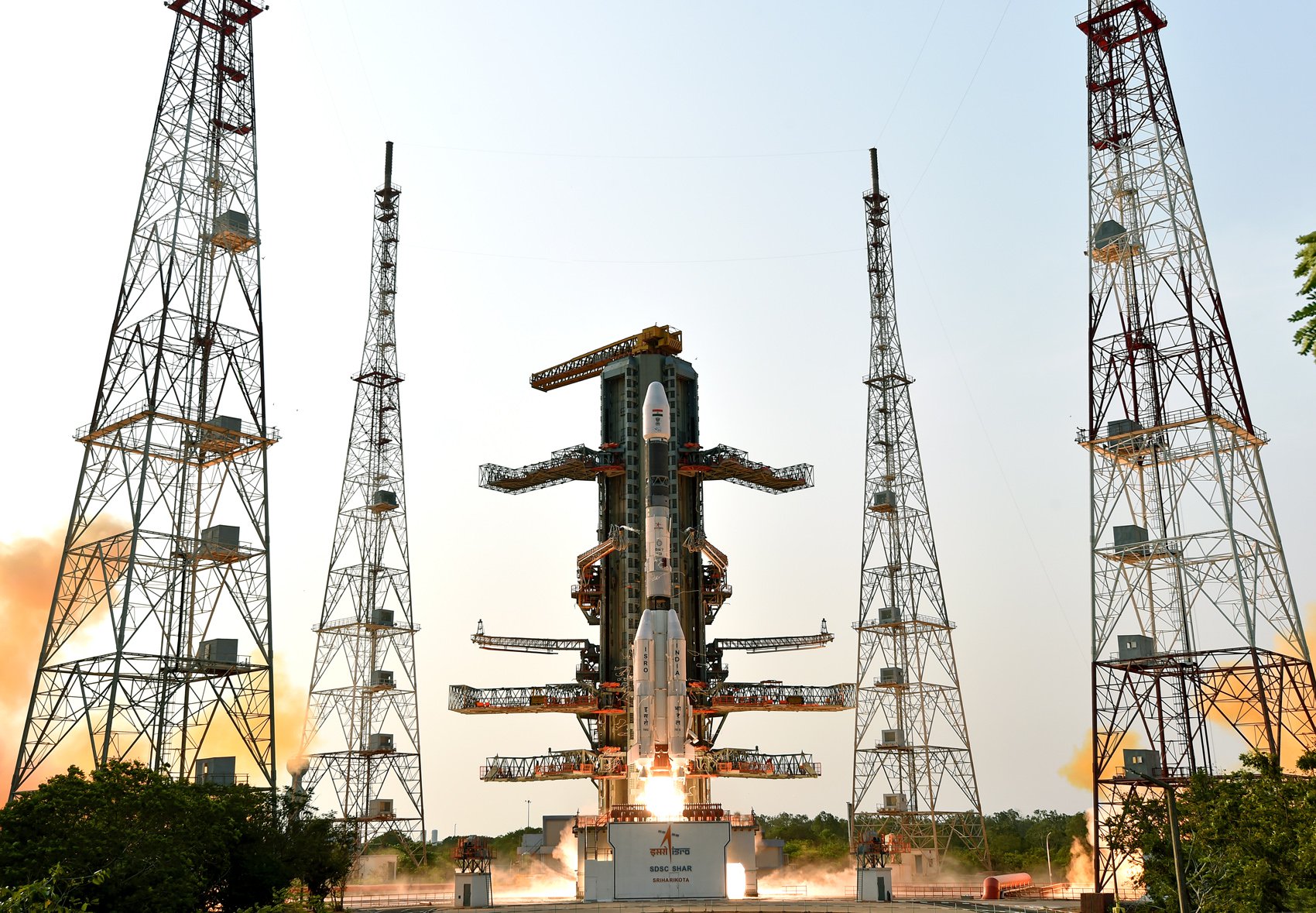
Today's highlights include China's remote-sensing satellite launch, U.S. Space Force's investment in missile-tracking satellites, and NASA's MAVEN milestone on Mars.

Today's Space Brief covers Blue Origin's historic all-female spaceflight, the selection of companies for nuclear microreactor development by DIU, and NATO's adoption of AI technology for military planning.