


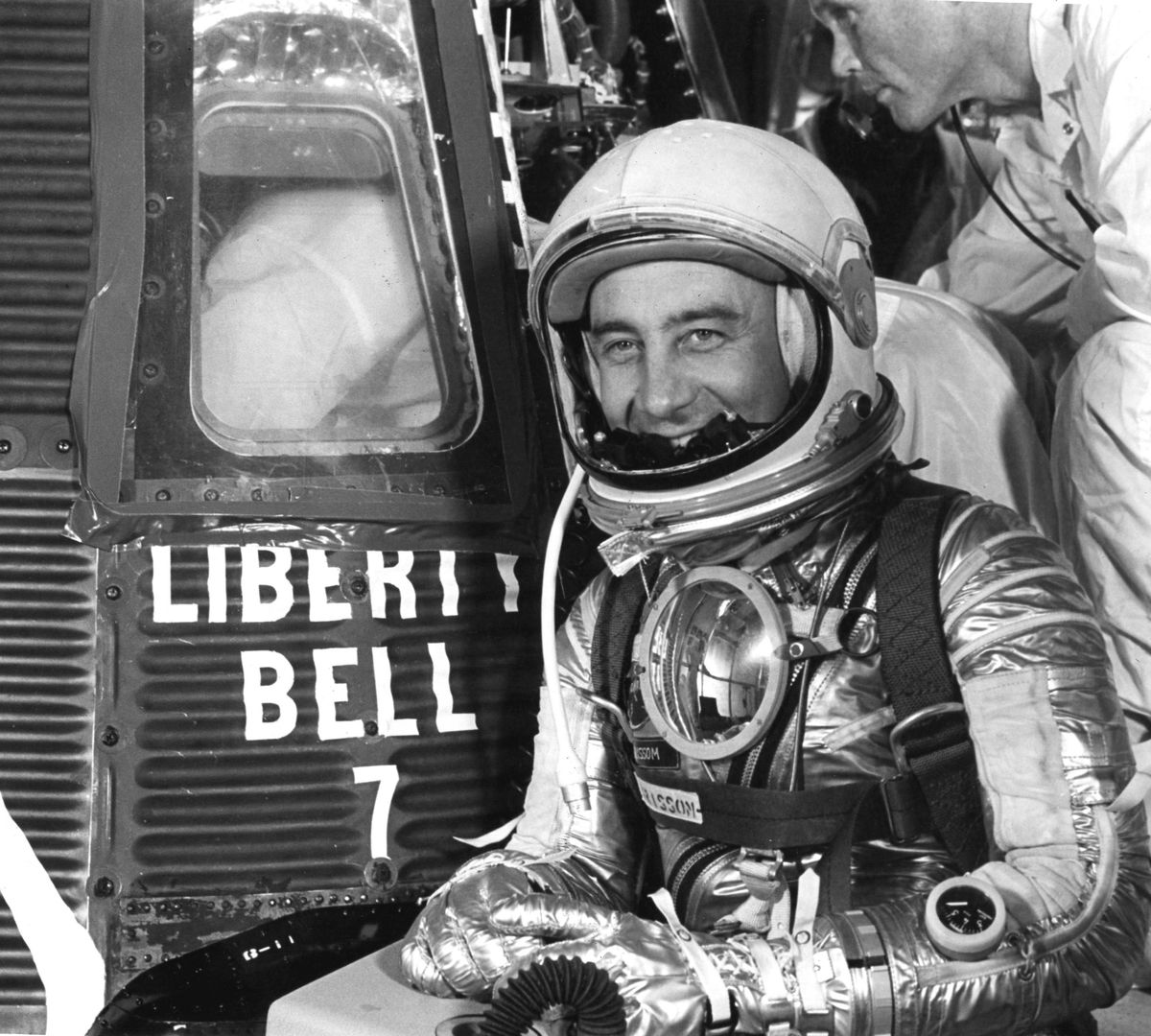
The Day NASA Chose Its First Space Pioneers
Sixty-four years ago, NASA made a decision that would shape the future of human spaceflight by selecting three astronauts to compete for America's first journey into space


Launch Date
February 22, 1989
Launch Site
PLMSC
Launch Pad
LC132/2
Launch Vehicle
Kosmos 11K65M
NORAD ID
19826
International Designator
1989-017A
Epoch
Sat, 04 Jul 2026 04:57:16 GMT
Apogee
Calculating...
Perigee
Calculating...
Inclination
82.95°
Right Ascension
270.78°
Eccentricity
Calculating...
Argument of Perigee
200.26°
Period
104.91 min
Mean Motion
13.73 rev/day
Latitude
Calculating...
Longitude
Calculating...
Altitude
Calculating...
Velocity
Calculating...
Name
COSMOS 2004
Alternative Name
Kosmos-2004
Type
Status
Owner
VMF
Country
USSR
Constellation
N/A
Related Satellites
Major Events
N/A
1 19826U 89017A 26185.20644537 .00000078 00000-0 68332-4 0 9995
2 19826 82.9524 270.7846 0029675 200.2597 188.5878 13.72555583870820
Source: Celestrak
Length
5
Diameter
2.1
Span
17
Dry Mass
800
Launch Mass
800
Shape
Cyl + Ant
Radar Cross Section
2.0138
Visual Magnitude
Unknown
Color
Unknown
Material Composition
Unknown
Payload
Parus
Purpose
Navigation, data relay
Mission
Navigation, data relay
Manufacturer
OAZ
Life Expectancy
Unknown
Bus
KAUR-1 11F627
Configuration
KAUR-1
Motor
Unknown
Equipment
Unknown
Power System
Solar cells, batteries
ADCS
Unknown
Transmitter Frequency
Unknown
Learn more about satellites and other related topics.
Sixty-four years ago, NASA made a decision that would shape the future of human spaceflight by selecting three astronauts to compete for America's first journey into space

SpaceX successfully launched 23 Starlink satellites on a brand-new Falcon 9 rocket, while preparations ramp up for Starship Flight 9 and a pioneering commercial docking mission approaches.

SpaceX successfully launched 28 Starlink satellites while preparing for the upcoming Ax-4 mission to the ISS. Significant progress continues in their ongoing space endeavors.
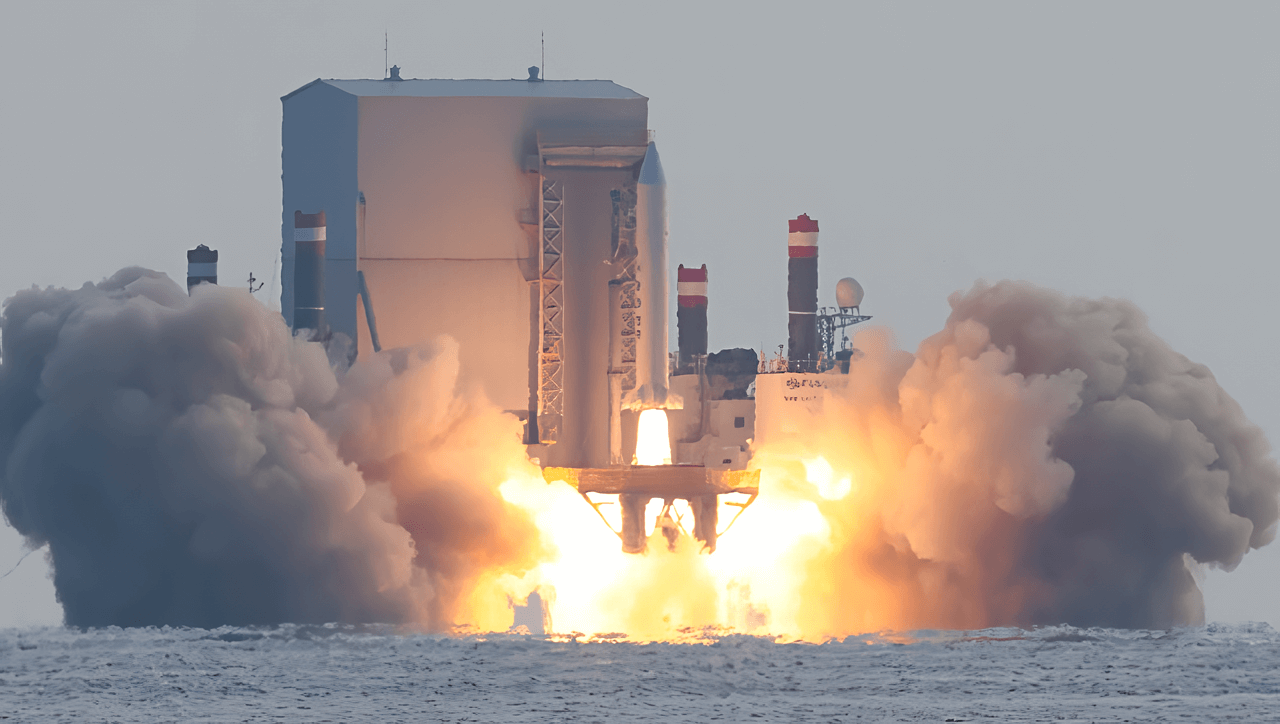
Space Force cancels the OCX GPS ground system after RTX failures and stands up a cislunar task force. SpaceX launches the 10th and final GPS III.
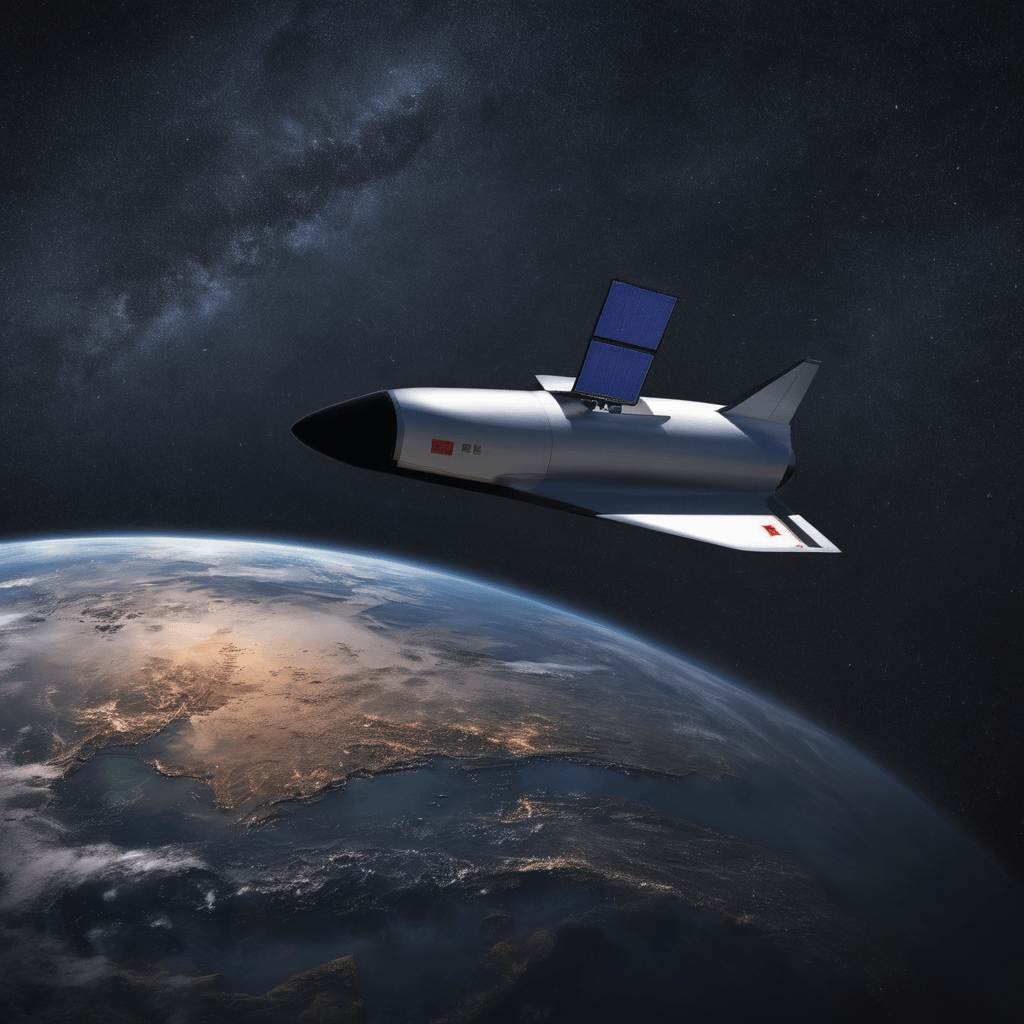
Details on China's current Shenlong spaceplane mission and its recent deployment of six objects.

Starlink constellation size in March 2026: 9,996 satellites in orbit and 9,986 working from 11,504 launched, as SpaceX deorbits legacy V1.0 hardware.
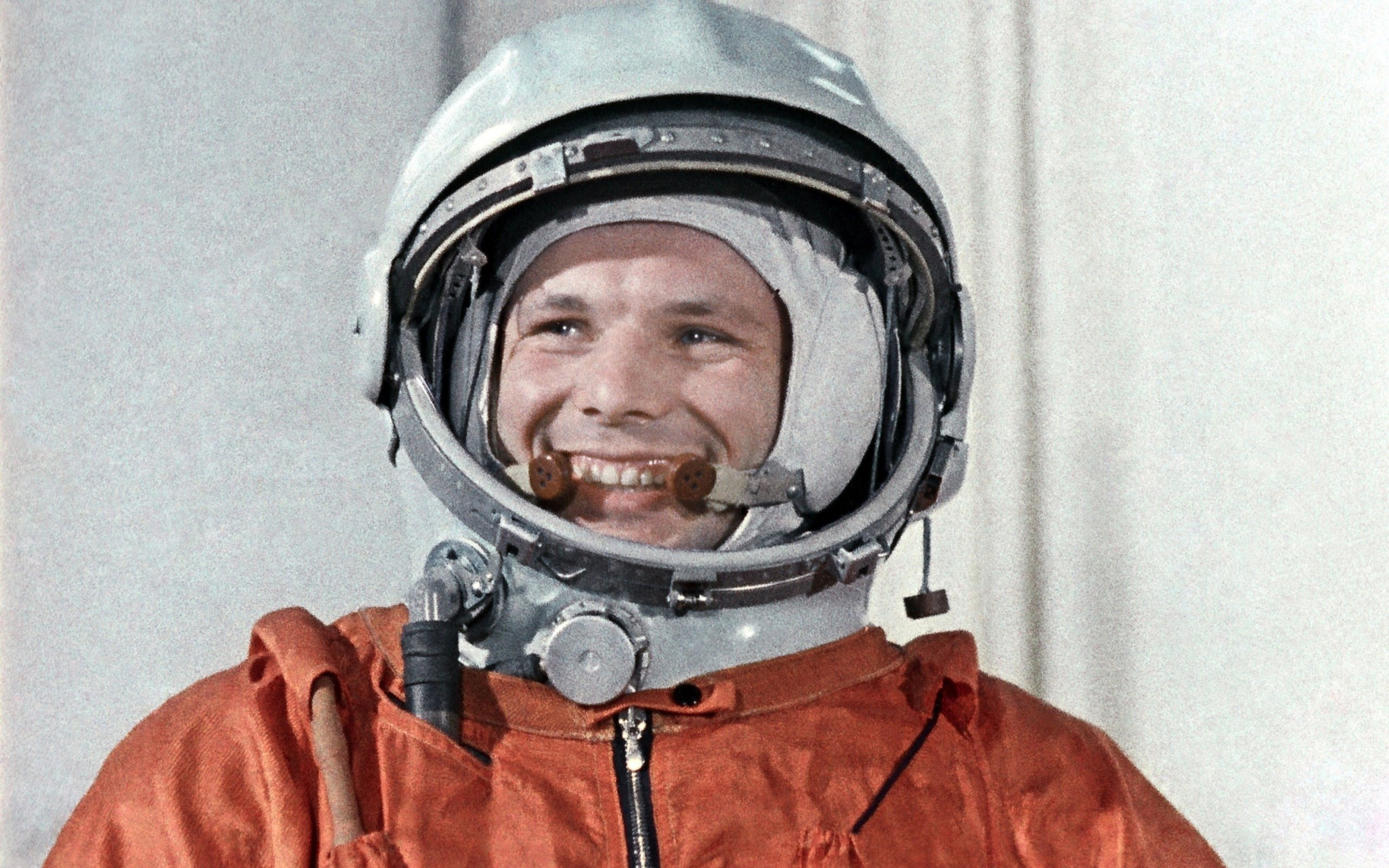
On April 12, 1961, a 27-year-old Soviet pilot rode a modified ICBM into orbit and came back alive after 108 minutes. Exactly twenty years later, two Americans climbed aboard an untested spacecraft covered in 31,000 ceramic tiles and bet their lives that the math was right.
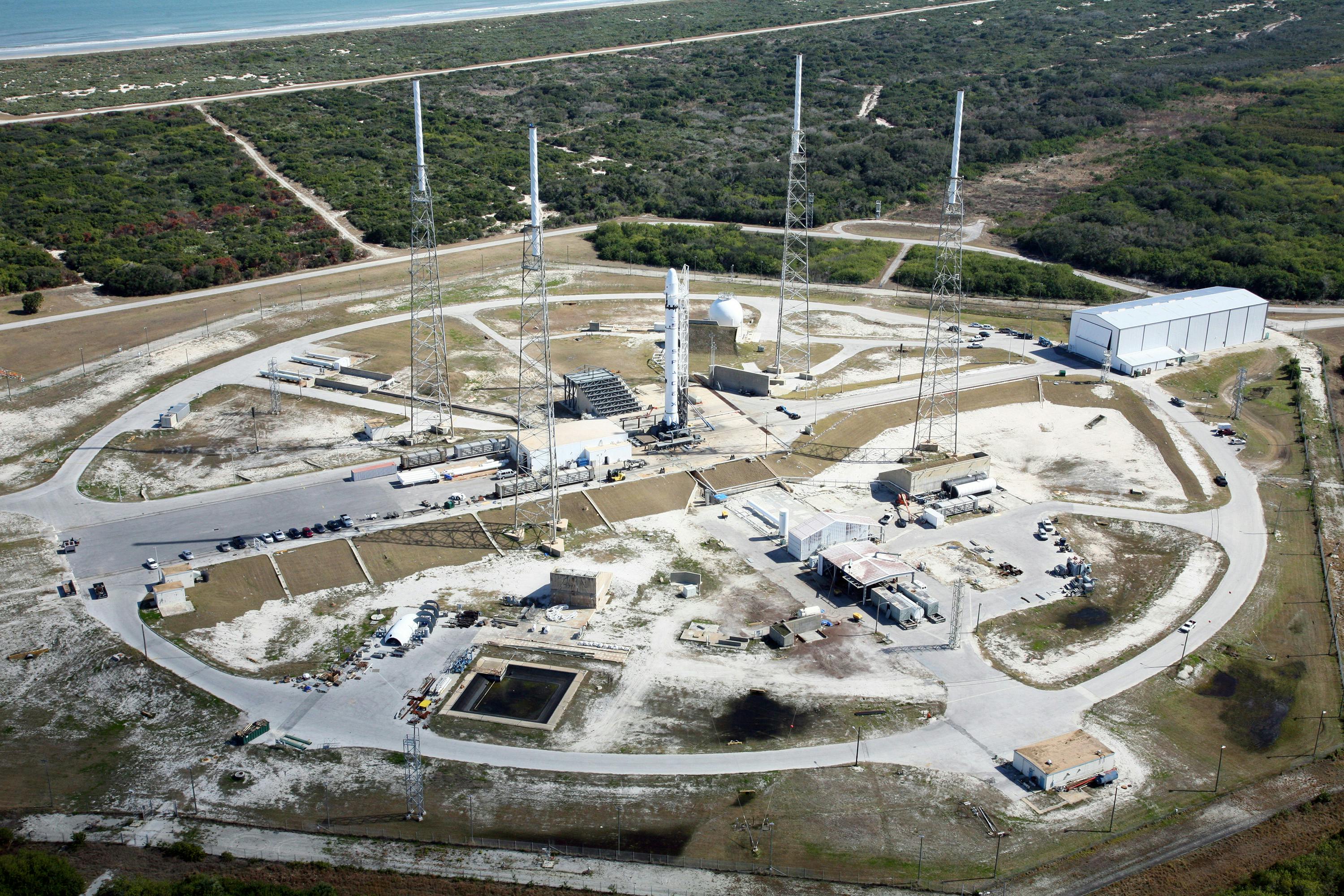
The FAA has approved an increase in Falcon 9 launches while reviewing the environmental impacts of Starship launches in Florida, amidst growing community concerns on noise and other issues related to the Starship program.