

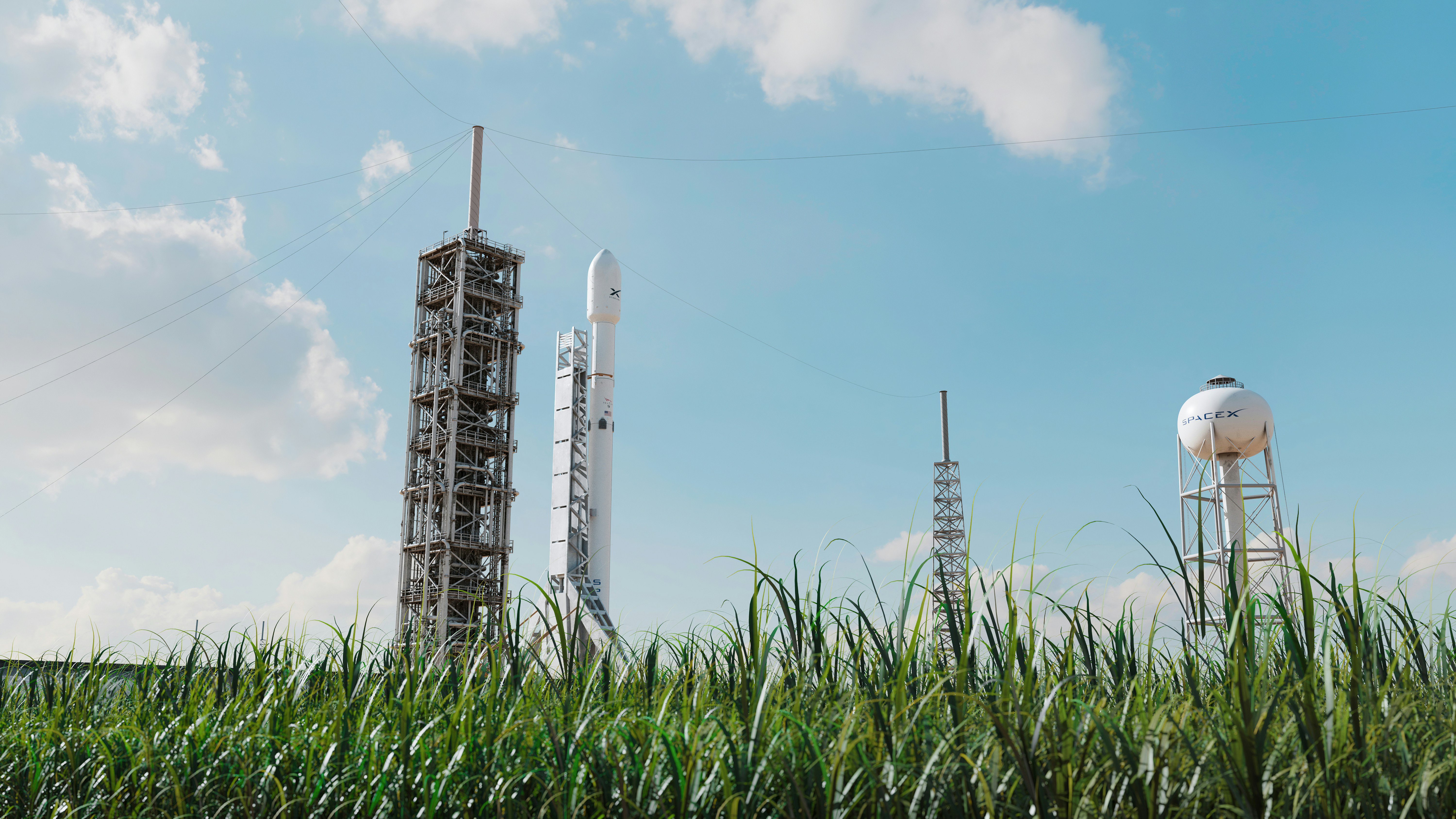
Starlink Mobile US Plan, Ship 40 Static Fire, X Report 27 Jun 2026
Starlink mobile service is planned for the US as SpaceX fires Ship 40's single Raptor in a prelaunch test, with 10,689 Starlink satellites working.


Launch Date
August 30, 1988
Launch Site
PLMSC
Launch Pad
LC16/2
Launch Vehicle
Molniya 8K78M
NORAD ID
19448
International Designator
1988-076D
Decay Date
2/7/2017
Name
SL-6 R/B(2)
Alternative Name
Blok-2BL No. 76
Type
Status
Owner
RVSN
Country
USSR
Constellation
N/A
Related Satellites
Major Events
N/A
Length
3.3
Diameter
2.3
Span
3.3
Dry Mass
900
Launch Mass
4500
Shape
Cyl
Radar Cross Section
4.1491
Visual Magnitude
Unknown
Color
Unknown
Material Composition
Unknown
Payload
Blok-2BL No. 76
Purpose
Unknown
Mission
Unknown
Manufacturer
NPOE
Life Expectancy
Unknown
Bus
Blok-L
Configuration
Unknown
Motor
Unknown
Equipment
Unknown
Power System
Unknown
ADCS
Unknown
Transmitter Frequency
Unknown
Learn more about satellites and other related topics.
Starlink mobile service is planned for the US as SpaceX fires Ship 40's single Raptor in a prelaunch test, with 10,689 Starlink satellites working.

Discover today's fascinating space events, from exceptional aurora displays to potential exomoon formations, alongside intriguing satellite insights.

Falcon Heavy flew for the first time in eighteen months on April 29, 2026, expending its center core to push Viasat's final ViaSat-3 satellite toward geostationary orbit. The mission is a flagship rocket doing what only it can still do, for an operator betting six tons of high-throughput hardware on a market Starlink is rapidly redefining.
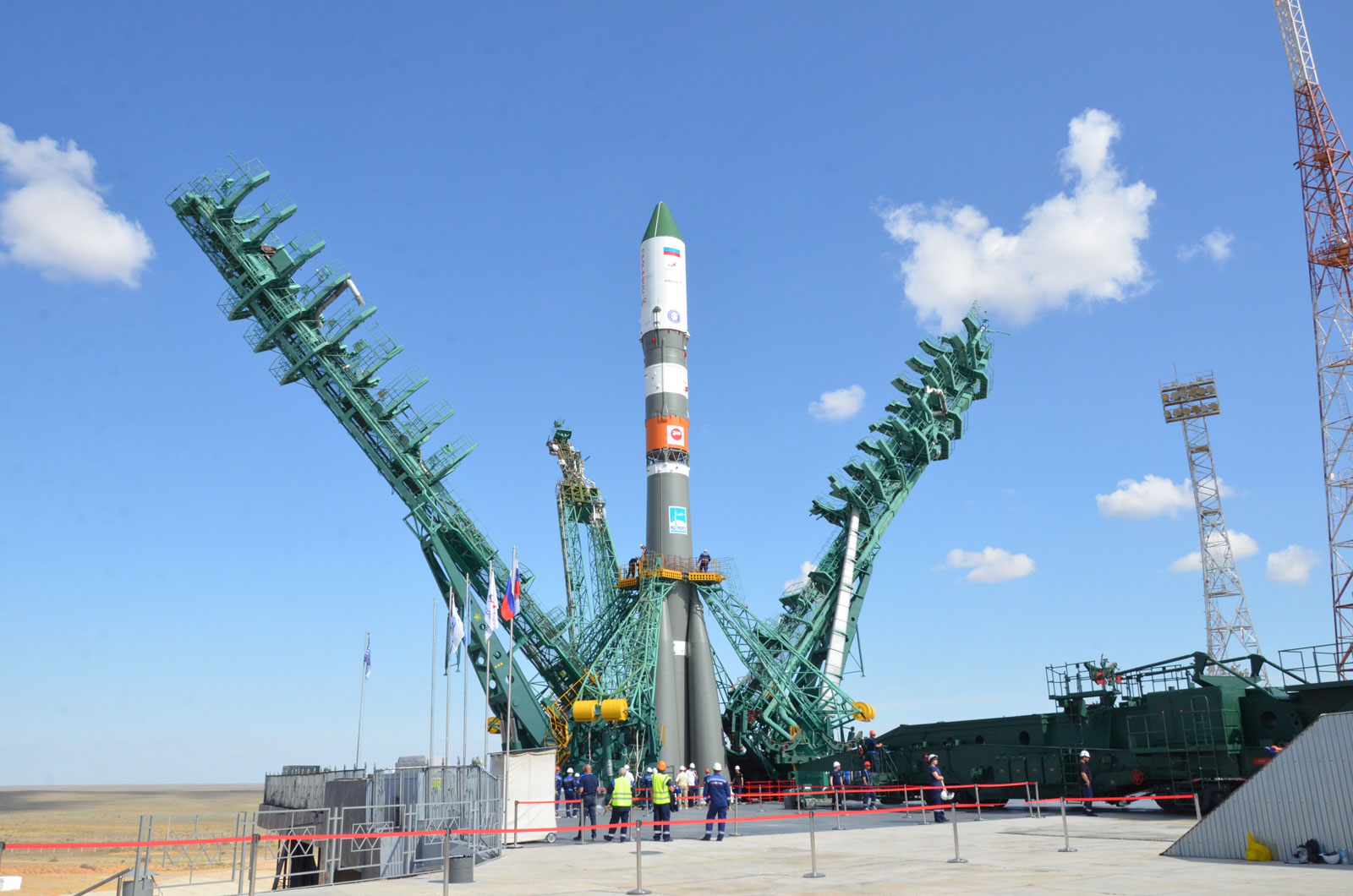
China's Tiangong space station completes crew rotation, Rocket Lab prepares for confidential launch, and Japan successfully launches military satellite with its H3 rocket.
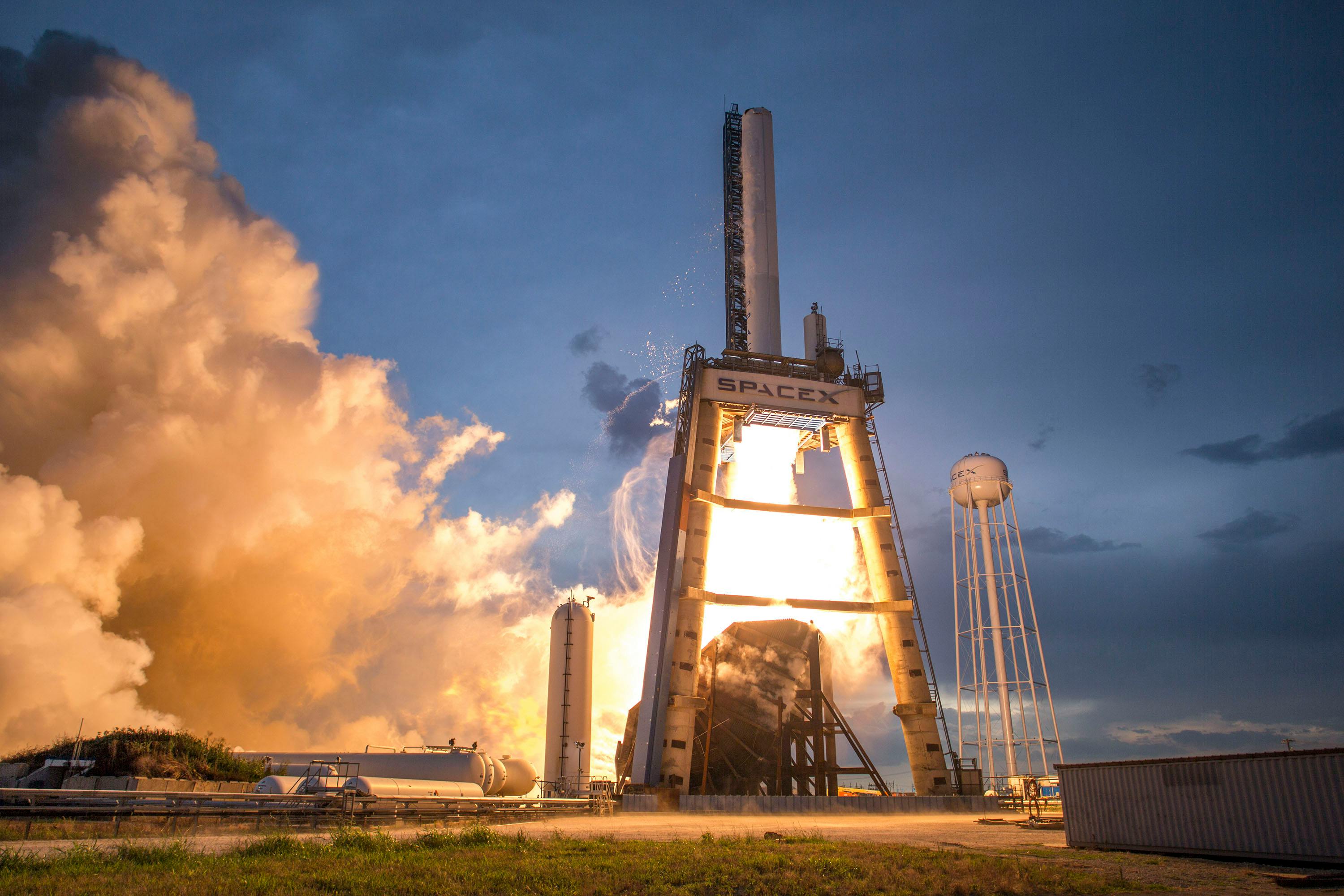
SpaceX successfully launched the latest GPS satellite for the U.S. military, while the FAA has initiated a mishap investigation on a recent Starship test flight. CEO Elon Musk provided updates on the future of the Starship program, indicating ambitious plans ahead.
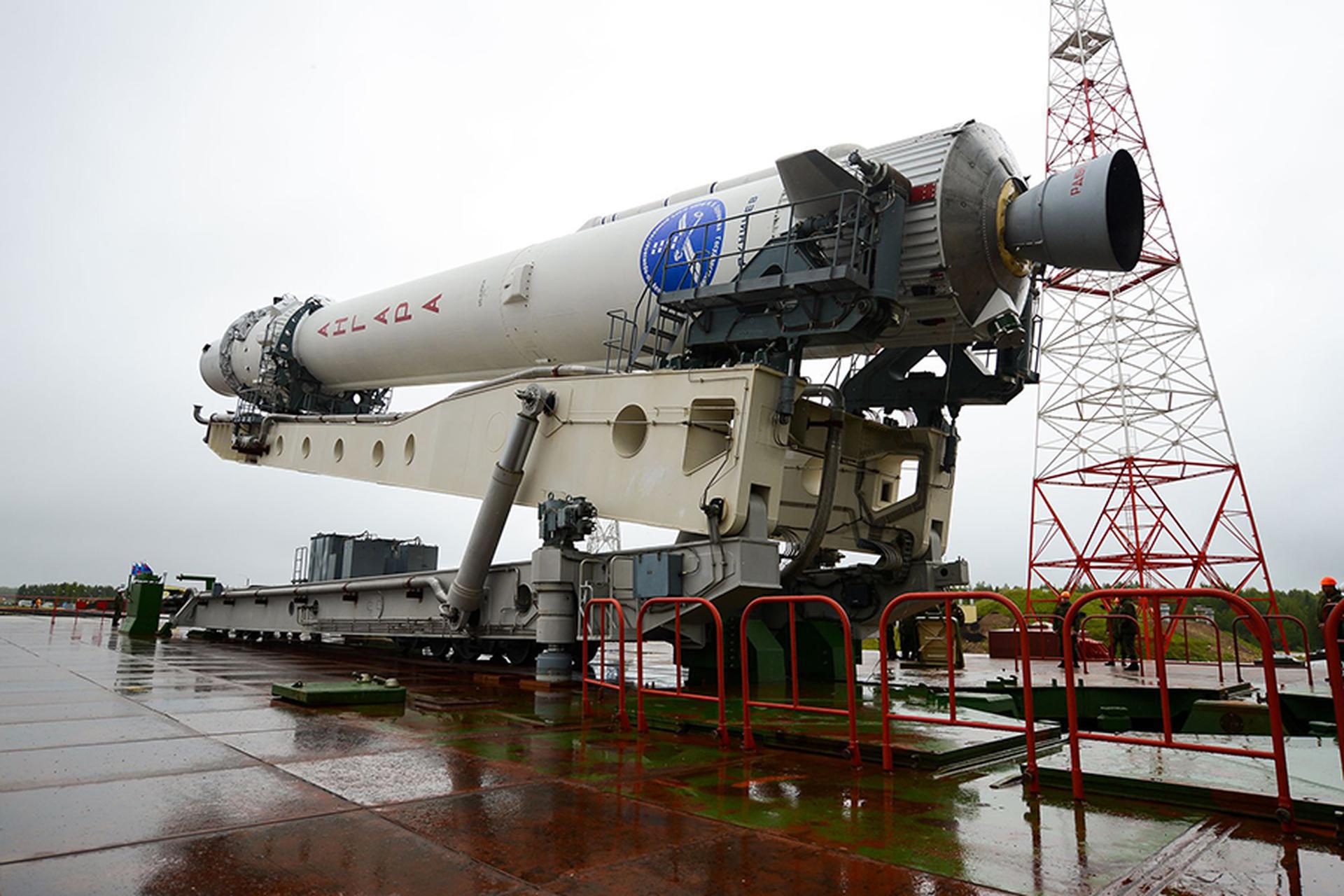
Today's highlights include SpaceX's record-breaking Falcon 9 launches, Dream Chaser's testing success, and Blue Origin's latest New Glenn achievements.

FCC approves 7,500 additional Starlink Gen2 satellites. Space Force awards SpaceX $739M for nine national security launches. NASA plans Crew-11 medical evacuation from ISS on January 14.

Space debris poses a mounting threat to both satellites and space missions. As we send more objects into orbit, the likelihood of collisions and subsequent breakups producing dangerous space debris increases. Recognizing the major events that have generated this dangerous space junk is pivotal in ensuring the safety of future space missions.