


Space Brief 10 Nov 2025
Today's brief covers China's record-breaking launch year, SpaceX's continued Starlink deployments, Blue Origin's launch challenges, and innovations in satellite maneuverability.


![COSMOS 1932 DEB[ANTENNA] Satellite Image](/images/sat/deb2.jpg)
Launch Date
March 14, 1988
Launch Site
Launch Pad
LC90
Launch Vehicle
Tsiklon-2
NORAD ID
19161
International Designator
1988-019C
Decay Date
5/24/1988
Name
COSMOS 1932 DEB[ANTENNA]
Alternative Name
Kosmos-1932 RLS
Type
Status
Owner
VMF
Country
USSR
Constellation
N/A
Related Satellites
Major Events
N/A
Length
10.1
Diameter
3
Span
10.1
Dry Mass
200
Launch Mass
200
Shape
Cyl
Radar Cross Section
Unknown
Visual Magnitude
Unknown
Color
Unknown
Material Composition
Unknown
Payload
US-A RLS
Purpose
Unknown
Mission
Unknown
Manufacturer
KOMET
Life Expectancy
Unknown
Bus
US-A RLS
Configuration
Unknown
Motor
Unknown
Equipment
Unknown
Power System
Unknown
ADCS
Unknown
Transmitter Frequency
Unknown
Learn more about satellites and other related topics.
Today's brief covers China's record-breaking launch year, SpaceX's continued Starlink deployments, Blue Origin's launch challenges, and innovations in satellite maneuverability.

SpaceX successfully launches 27 Starlink satellites and gains approval for internet services in Vietnam.

Today's Space Brief highlights the latest developments in China's megaconstellation funding, Russia's nuclear posturing in Europe, and other significant military activities.
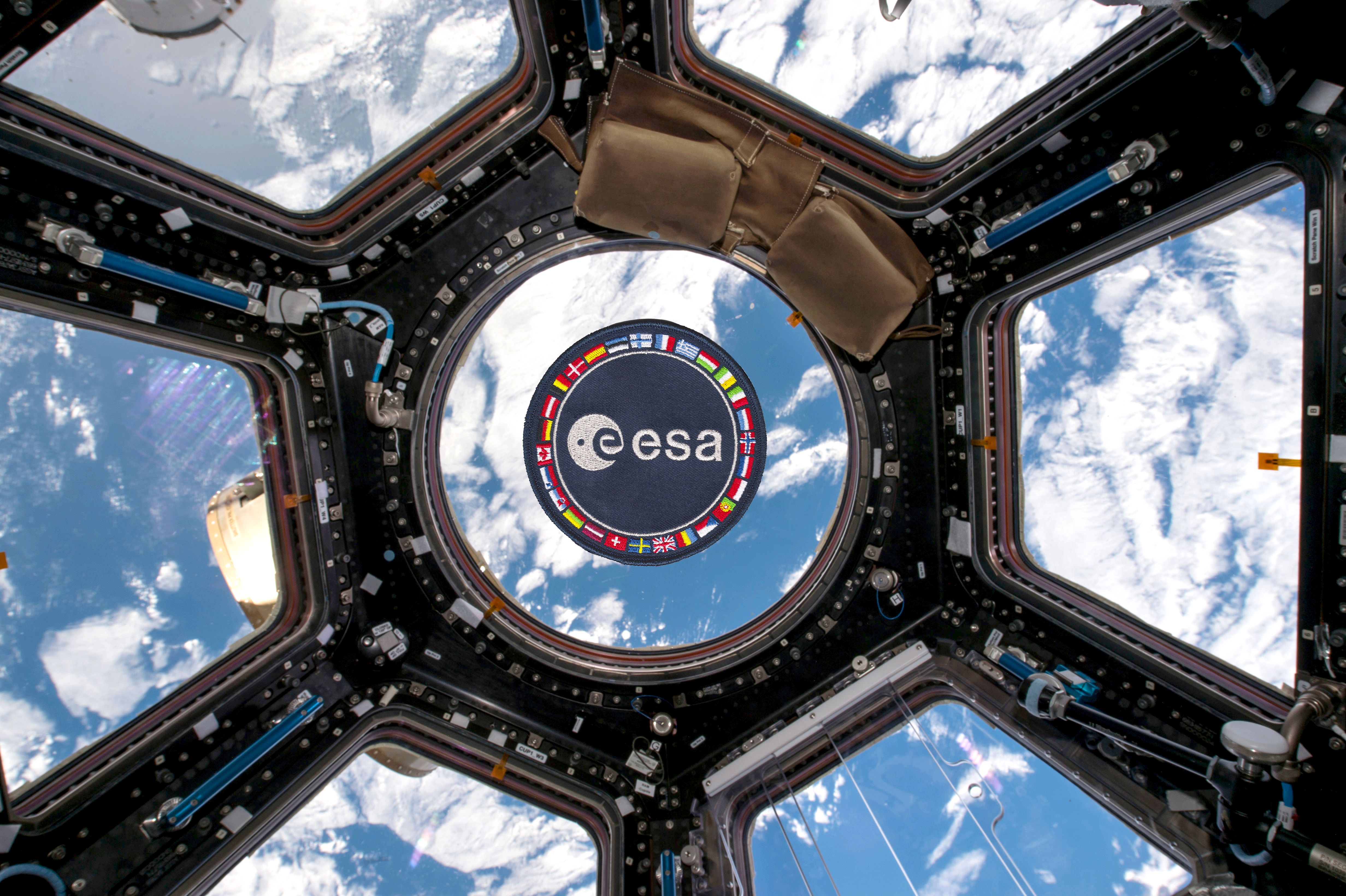
Today's highlights include a Minotaur IV launch of U.S. spy satellites, Rocket Lab's new defense contracts, and the unveiling of Space Force's warfighting framework. Plus, the Satellite Spotlight dives into METEOR 3-1.
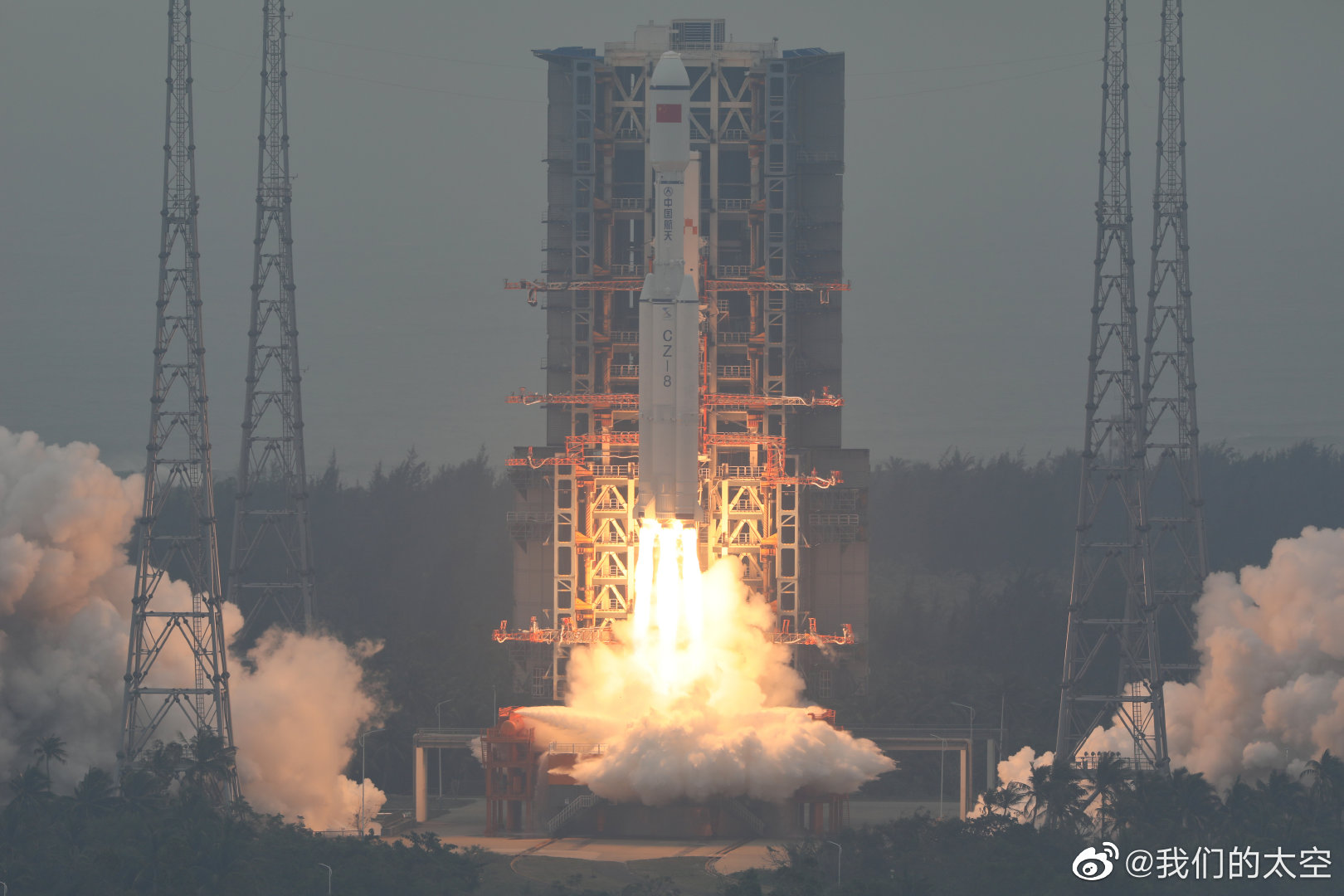
Today's Space Brief highlights SpaceX's return to Starlink launches, a call to address space debris, and changes in NASA leadership under the new Trump administration.
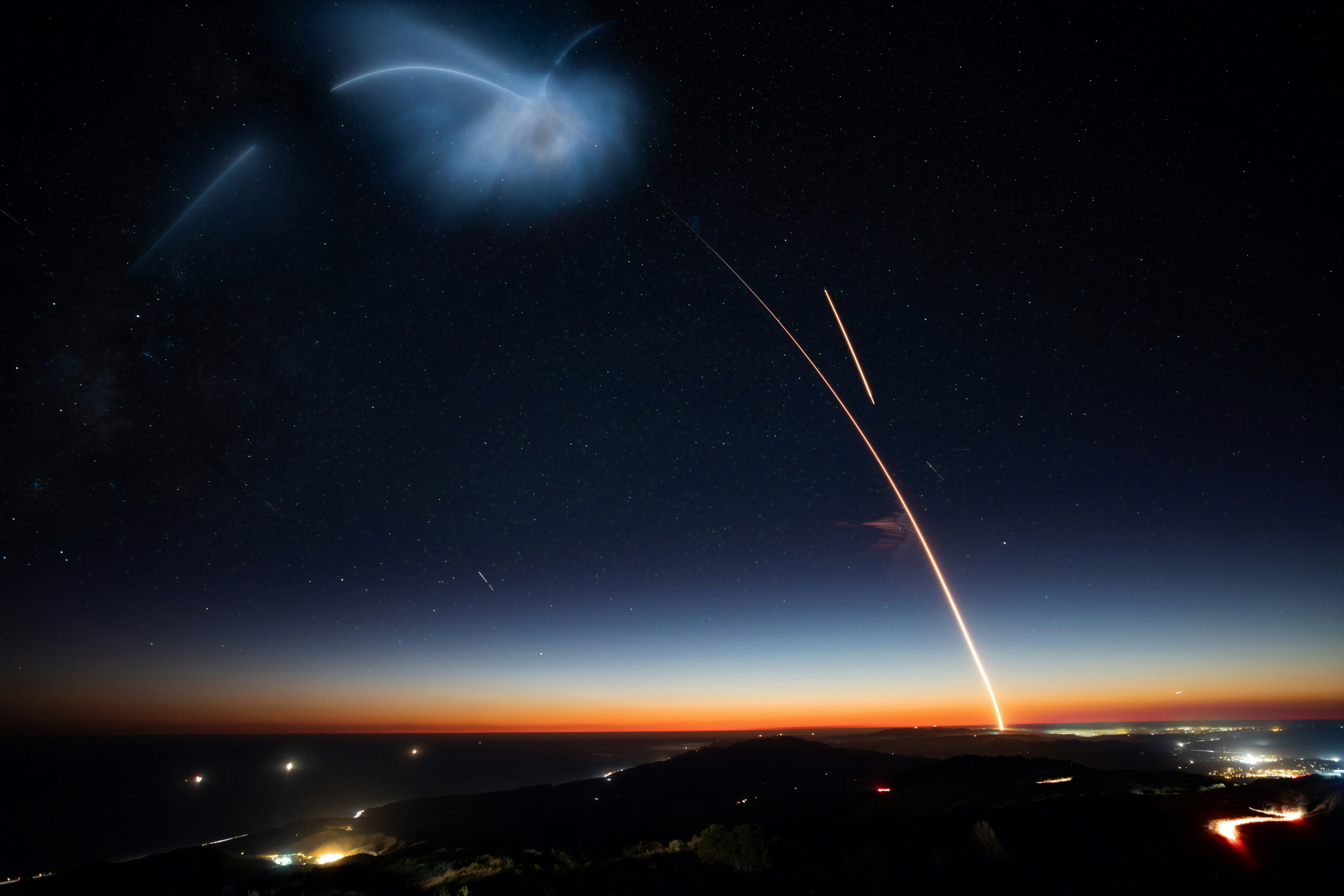
FAA greenlights Flight 8 of SpaceX's Starship while senators examine Air Force nominee's ties to the company.
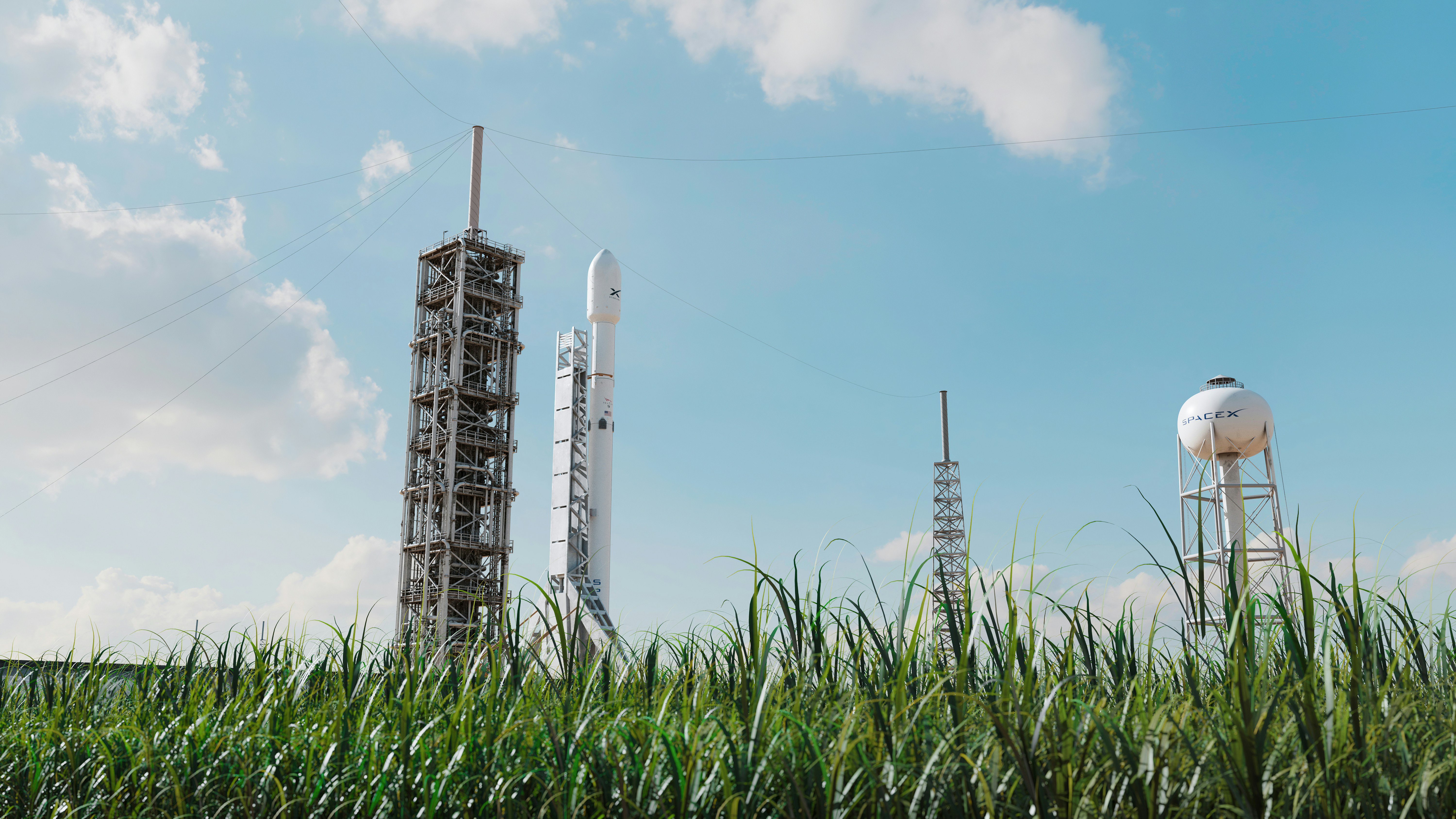
Starlink mobile service is planned for the US as SpaceX fires Ship 40's single Raptor in a prelaunch test, with 10,689 Starlink satellites working.

Fifty-nine years ago, a revolutionary new rocket thundered skyward from Cape Kennedy, testing the spacecraft that would eventually carry astronauts to the lunar surface