

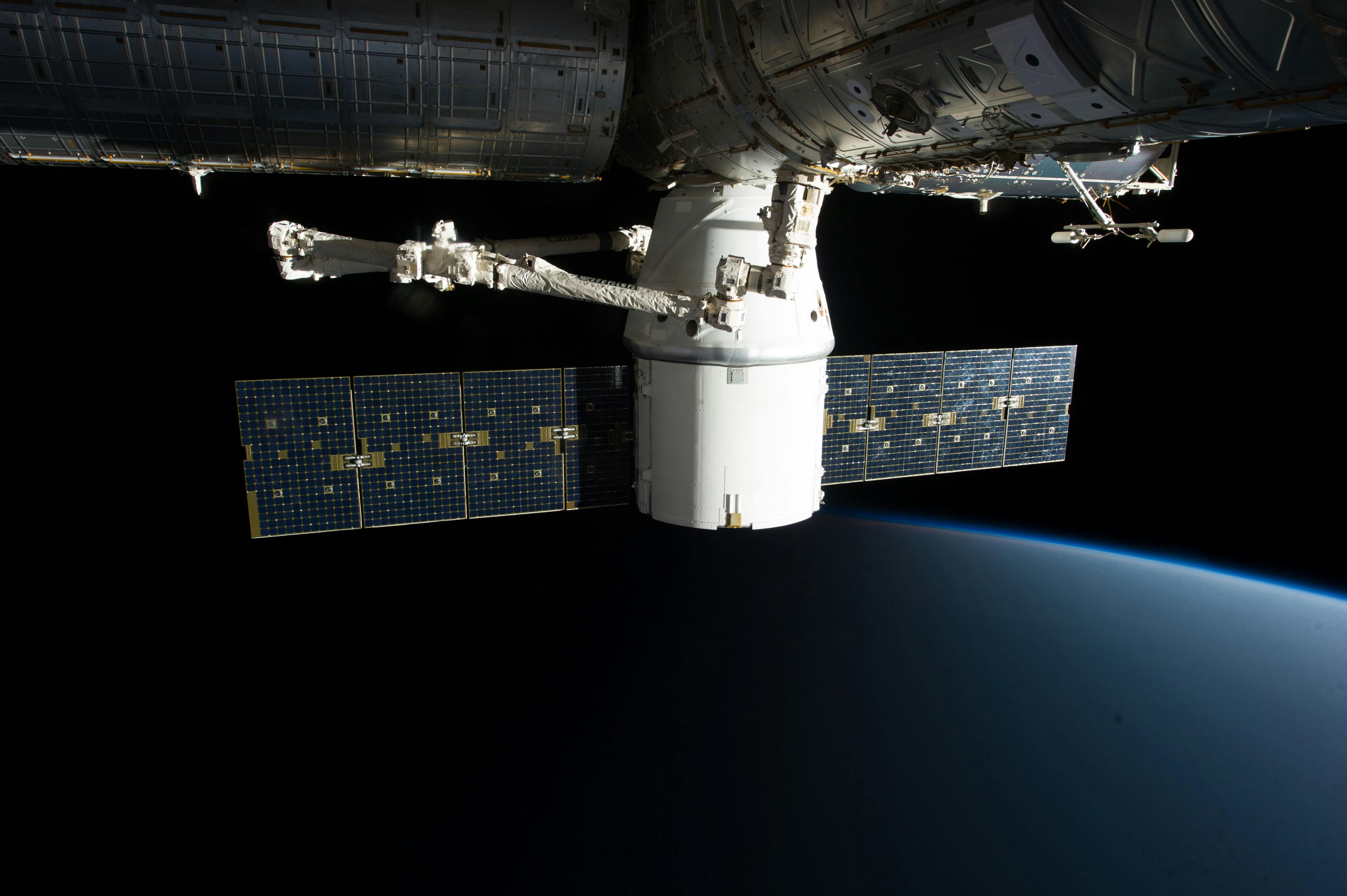
SpaceX Buys Cursor AI for $60B After IPO, X Report 17 Jun 2026
SpaceX acquires Cursor AI maker Anysphere for $60B in its first post-IPO deal, as Falcon 9 lofts 3 Block 2 BlueBird satellites for AST SpaceMobile.


Launch Date
December 21, 1987
Launch Site
Launch Pad
LC1
Launch Vehicle
Soyuz-U2
NORAD ID
18700
International Designator
1987-104B
Decay Date
12/23/1987
Name
SL-4 R/B
Alternative Name
Soyuz-U2 No. 020 Blok-I
Type
Status
Owner
RVSN
Country
USSR
Constellation
N/A
Related Satellites
Major Events
N/A
Length
6.7
Diameter
2.7
Span
6.7
Dry Mass
2350
Launch Mass
2350
Shape
Cyl
Radar Cross Section
Unknown
Visual Magnitude
Unknown
Color
Unknown
Material Composition
Unknown
Payload
11S510
Purpose
Unknown
Mission
Unknown
Manufacturer
PROG
Life Expectancy
Unknown
Bus
Blok-I
Configuration
Unknown
Motor
Unknown
Equipment
Unknown
Power System
Unknown
ADCS
Unknown
Transmitter Frequency
Unknown
Learn more about satellites and other related topics.
SpaceX acquires Cursor AI maker Anysphere for $60B in its first post-IPO deal, as Falcon 9 lofts 3 Block 2 BlueBird satellites for AST SpaceMobile.

SpaceX sets a new reuse record with Falcon 9's 27th flight, continuing its Starlink deployment while facing challenges with Starship development.
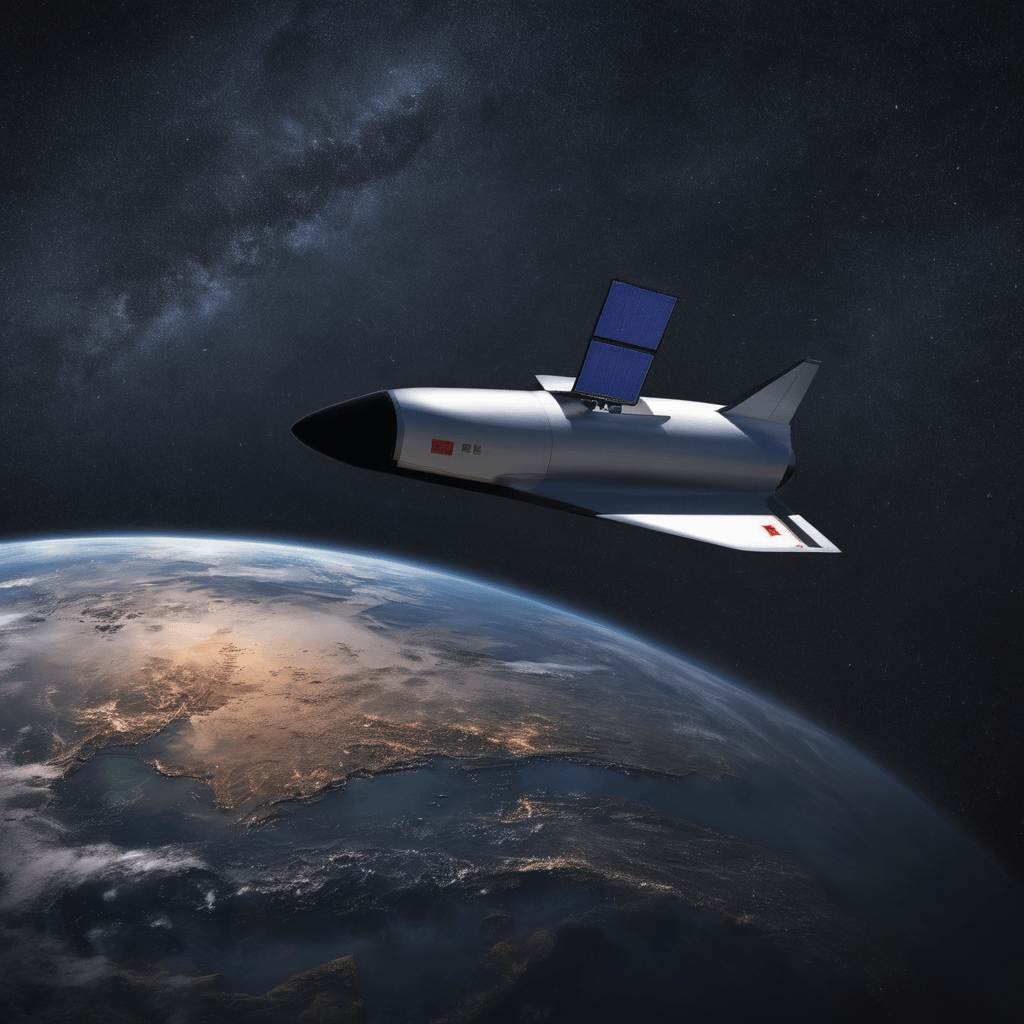
Details on China's current Shenlong spaceplane mission and its recent deployment of six objects.
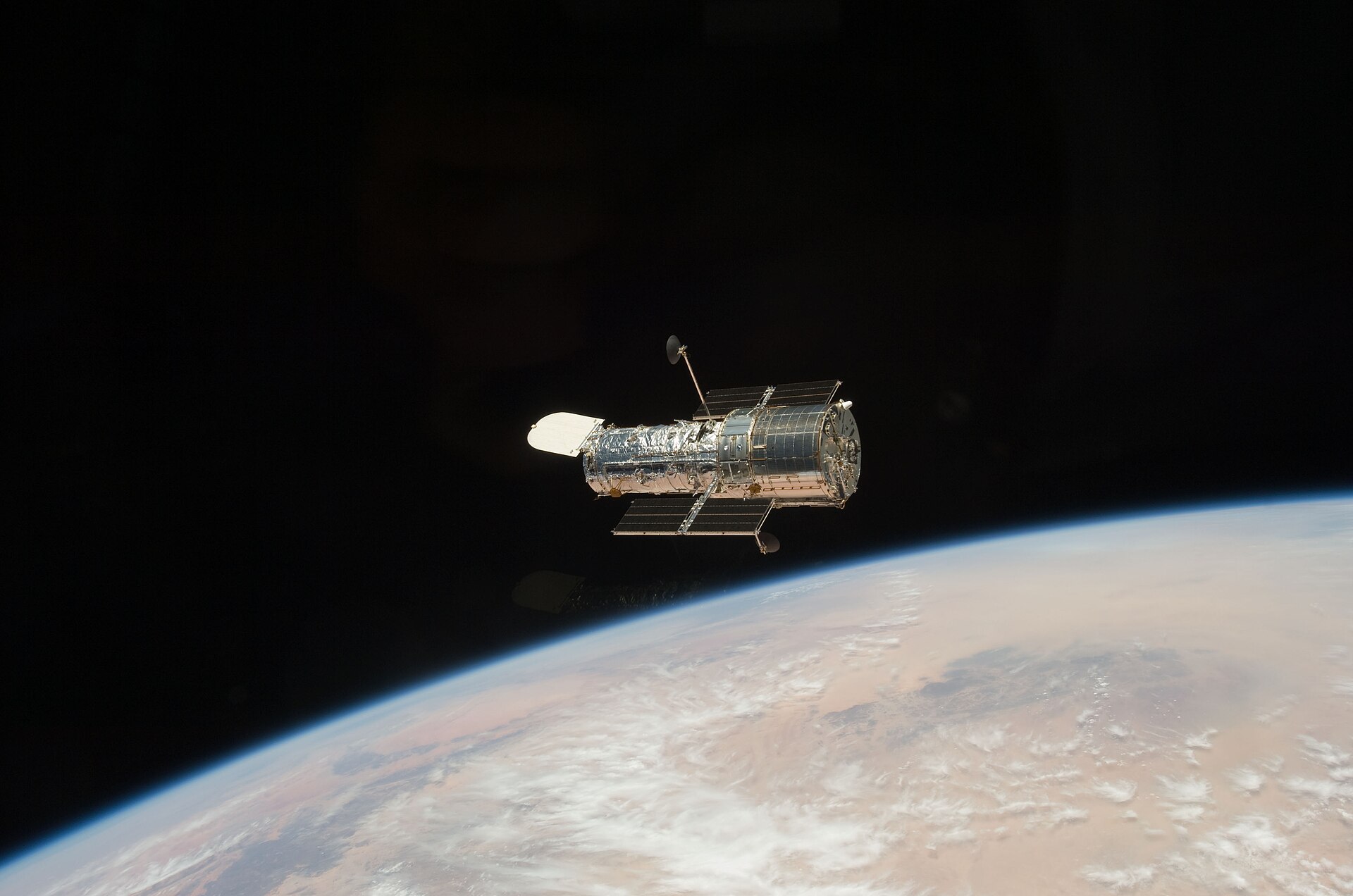
On April 25, 1990, the Space Shuttle Discovery's robotic arm lifted a 11,110-kilogram barrel of mirrors and instruments out of the payload bay and released it into orbit. Six weeks later, the first images came back badly out of focus. The Hubble Space Telescope had been ground to the wrong prescription, and America had just spent $2.5 billion on what the press was calling a 'technoturkey.'
How many Starlink satellites are in orbit in 2026? SpaceX passed 10,000 after the Starlink 17-24 launch, with 10,020 in orbit and 11,529 launched.
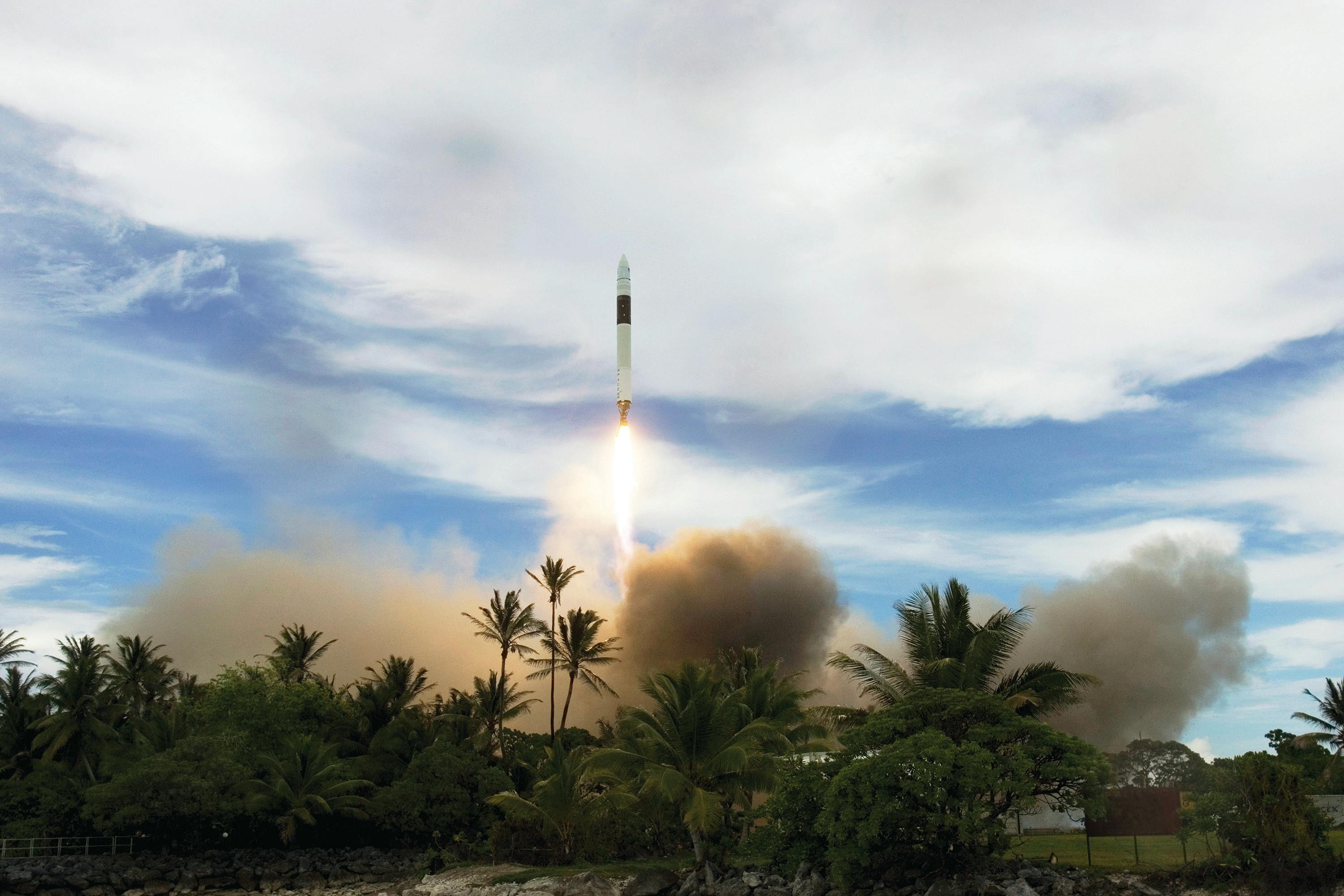
SpaceX prepares for its 250th mission from SLC-40, while Starlink experiences a surge during a crisis in Spain and Portugal. Additionally, SpaceX celebrates the official designation of Starbase City, aiming to boost launch capabilities.
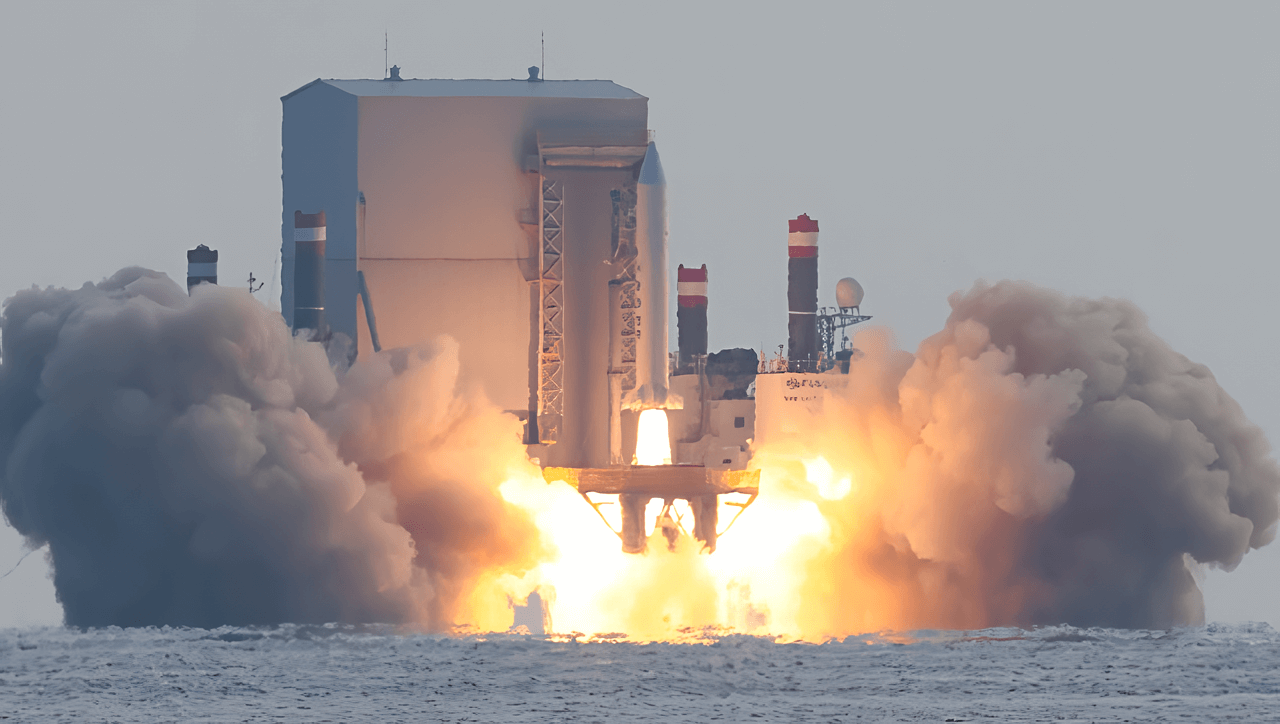
NASA officially ended the MAVEN Mars orbiter mission after months of radio silence following an anomaly. Space Force assessing Eastern Range damage from separate incident affecting launch cadence.

How a controversial telescope network has become a significant player in tracking the increasingly crowded orbital environment, raising important questions about transparency, dual-use technologies, and the future of space situational awareness.