


Space Brief 22 Aug 2025
SpaceX's X-37B spaceplane launch, featuring advanced tech, highlights today’s space events. The launch of the first reprogrammable navigation satellite by the US Space Force is another significant milestone.


Launch Date
November 11, 1987
Launch Site
Launch Pad
LC31
Launch Vehicle
Soyuz-U
NORAD ID
18492
International Designator
1987-092B
Decay Date
11/25/1987
Name
SL-4 R/B
Alternative Name
Soyuz-U 28-211 Blok-I
Type
Status
Owner
RVSN
Country
USSR
Constellation
N/A
Related Satellites
Major Events
N/A
Length
6.7
Diameter
2.7
Span
6.7
Dry Mass
2350
Launch Mass
2350
Shape
Cyl
Radar Cross Section
Unknown
Visual Magnitude
Unknown
Color
Unknown
Material Composition
Unknown
Payload
11S510
Purpose
Unknown
Mission
Unknown
Manufacturer
PROG
Life Expectancy
Unknown
Bus
Blok-I
Configuration
Unknown
Motor
Unknown
Equipment
Unknown
Power System
Unknown
ADCS
Unknown
Transmitter Frequency
Unknown
Learn more about satellites and other related topics.
SpaceX's X-37B spaceplane launch, featuring advanced tech, highlights today’s space events. The launch of the first reprogrammable navigation satellite by the US Space Force is another significant milestone.
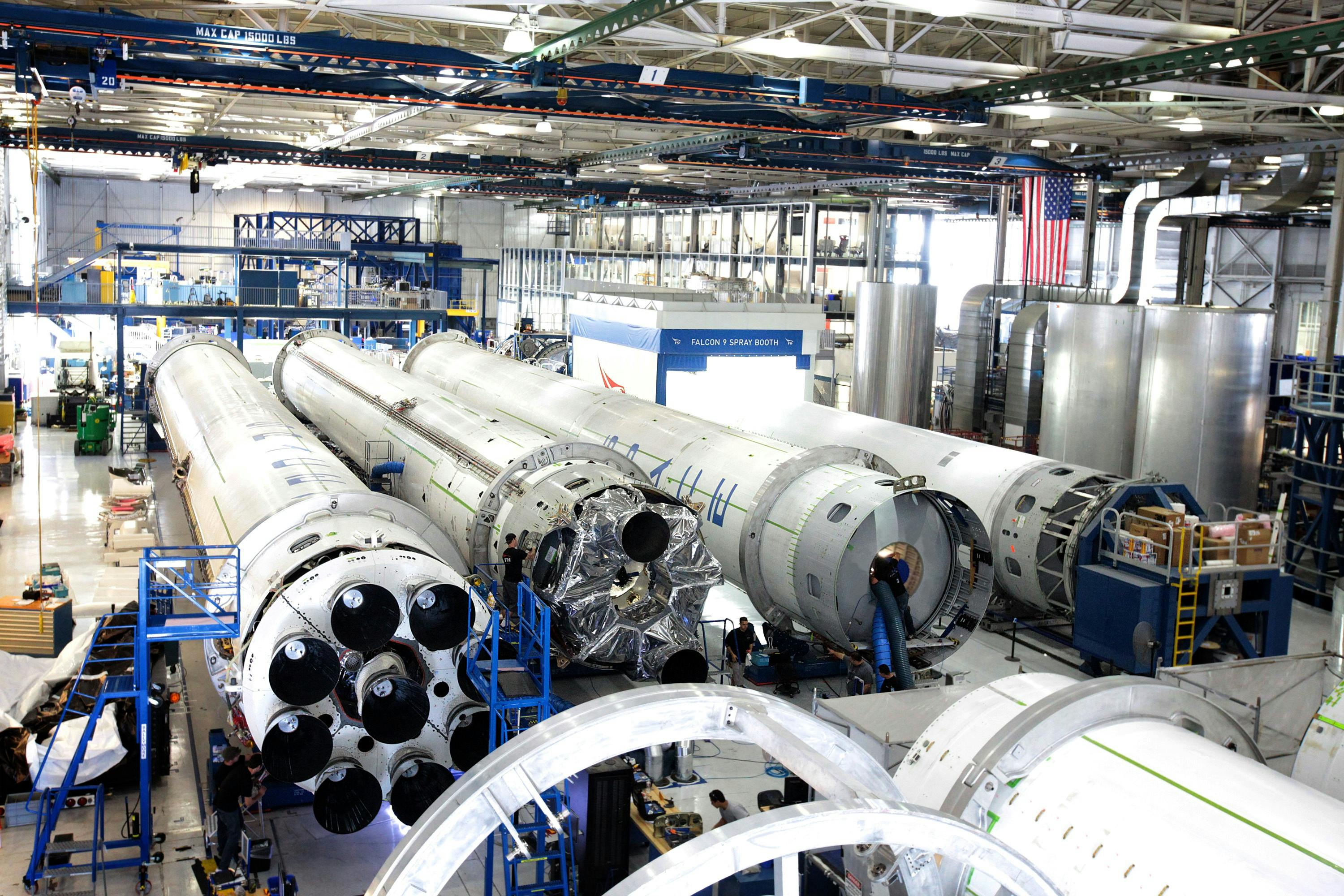
Amid multiple new launches, SpaceX marks its 300th orbital flight milestone at Cape Canaveral while pushing forward with cargo and reentry missions.
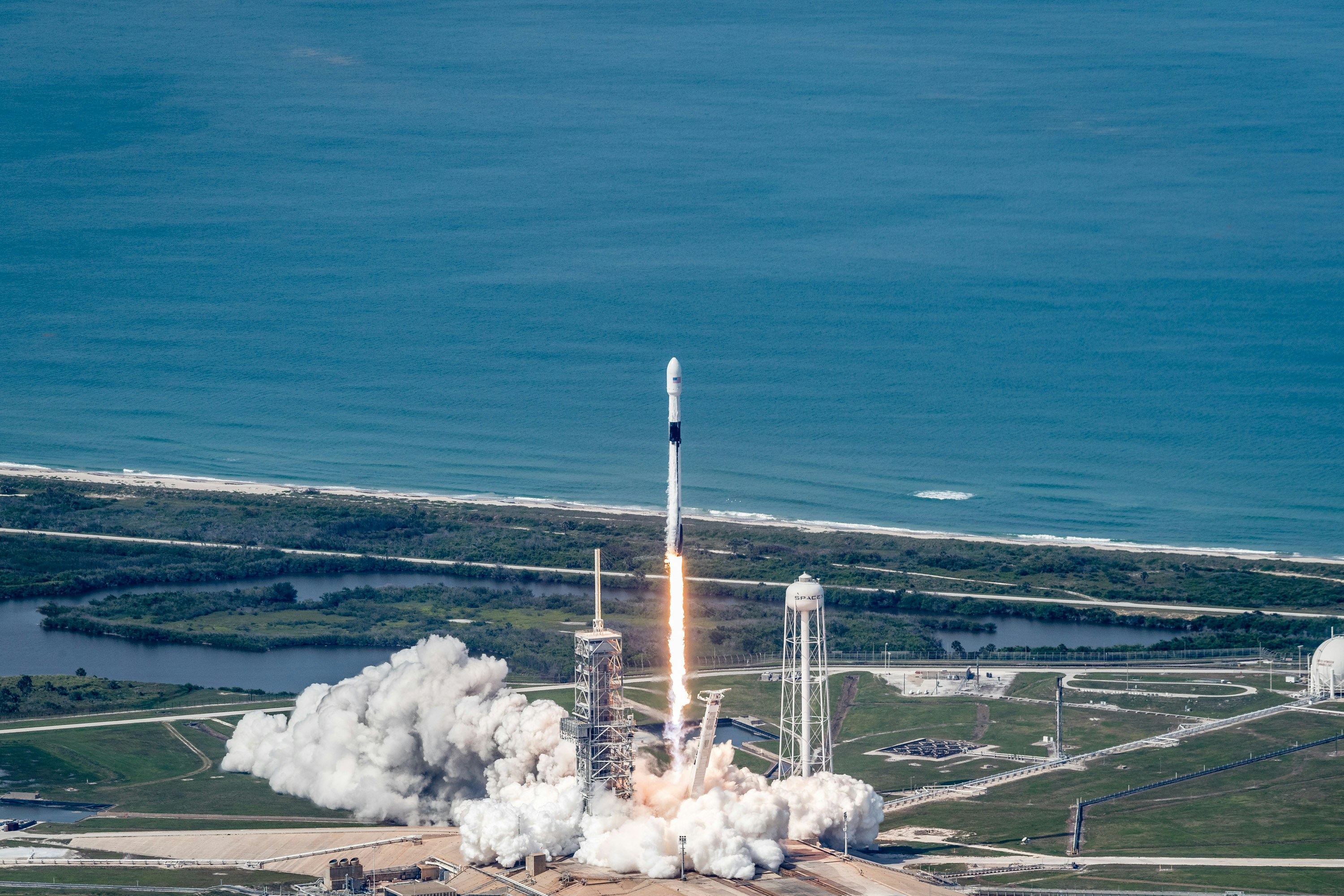
Starship update July 2026: Flight 13 completed a full six-Raptor static fire as SpaceX targets its first Cape Canaveral Starship launch by year's end.

SpaceX faces weather challenges as it scrubs the launch of its 3,000th Starlink satellite. Meanwhile, Elon Musk discusses advancing to a Type II civilization in an engaging social media post.
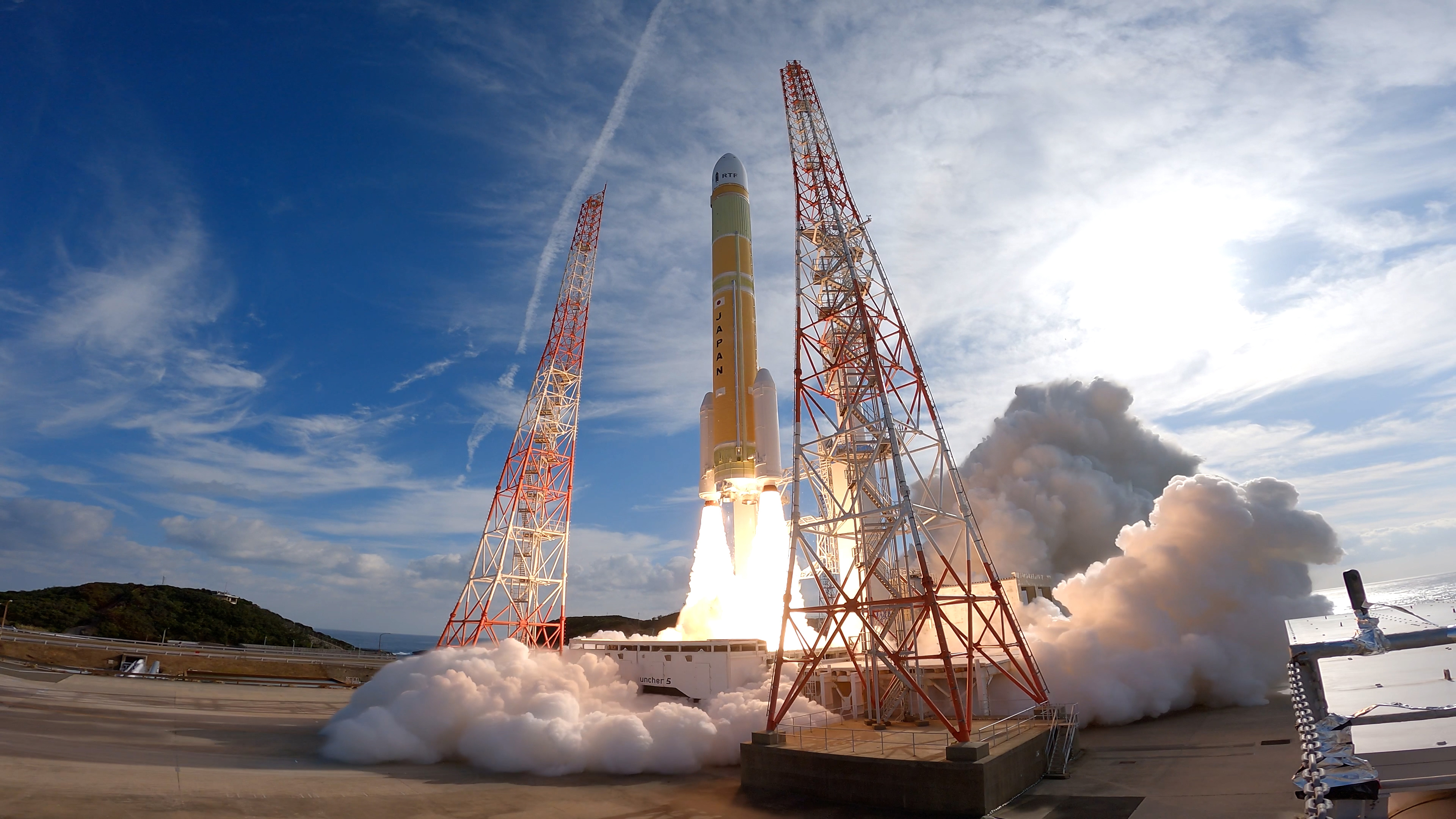
Today's highlights include new space-based interceptor developments, a UK space tracking partnership, a strategic satellite imagery alliance, and more.
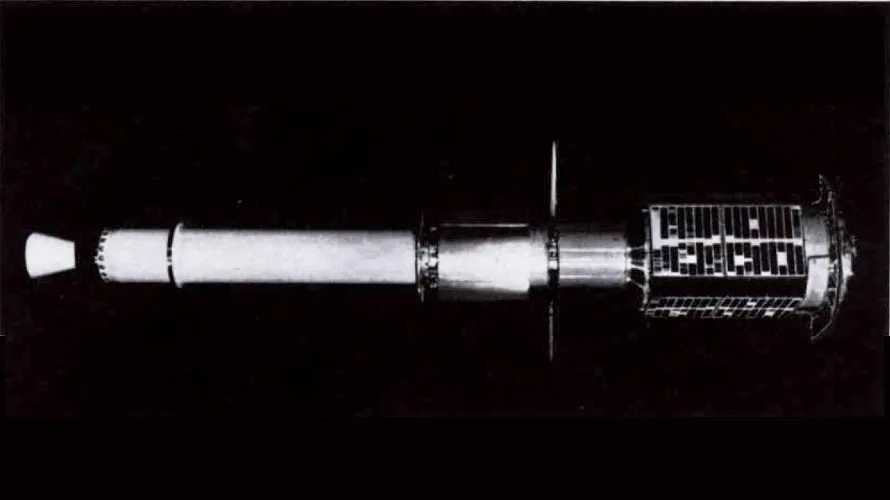
On April 27, 1961, a Scout rocket lifted a 37-kilogram NASA satellite into orbit from Wallops Island carrying the first serious instrument for detecting cosmic gamma rays. Explorer 11 operated for seven months before its tape recorder failed. In that time it registered 22 gamma-ray photons - a pitiful number by modern standards, but enough to launch an entire branch of astronomy.
ESA's Proba-3 spacecraft lost contact last month following on-orbit anomaly. Mission requires both satellites in precise formation for solar corona science. Recovery status uncertain.
SpaceX awarded $2.29 billion to build Space Force's LEO communications backbone, integrating with SDA Transport layer satellites for military tactical data relay through space.