


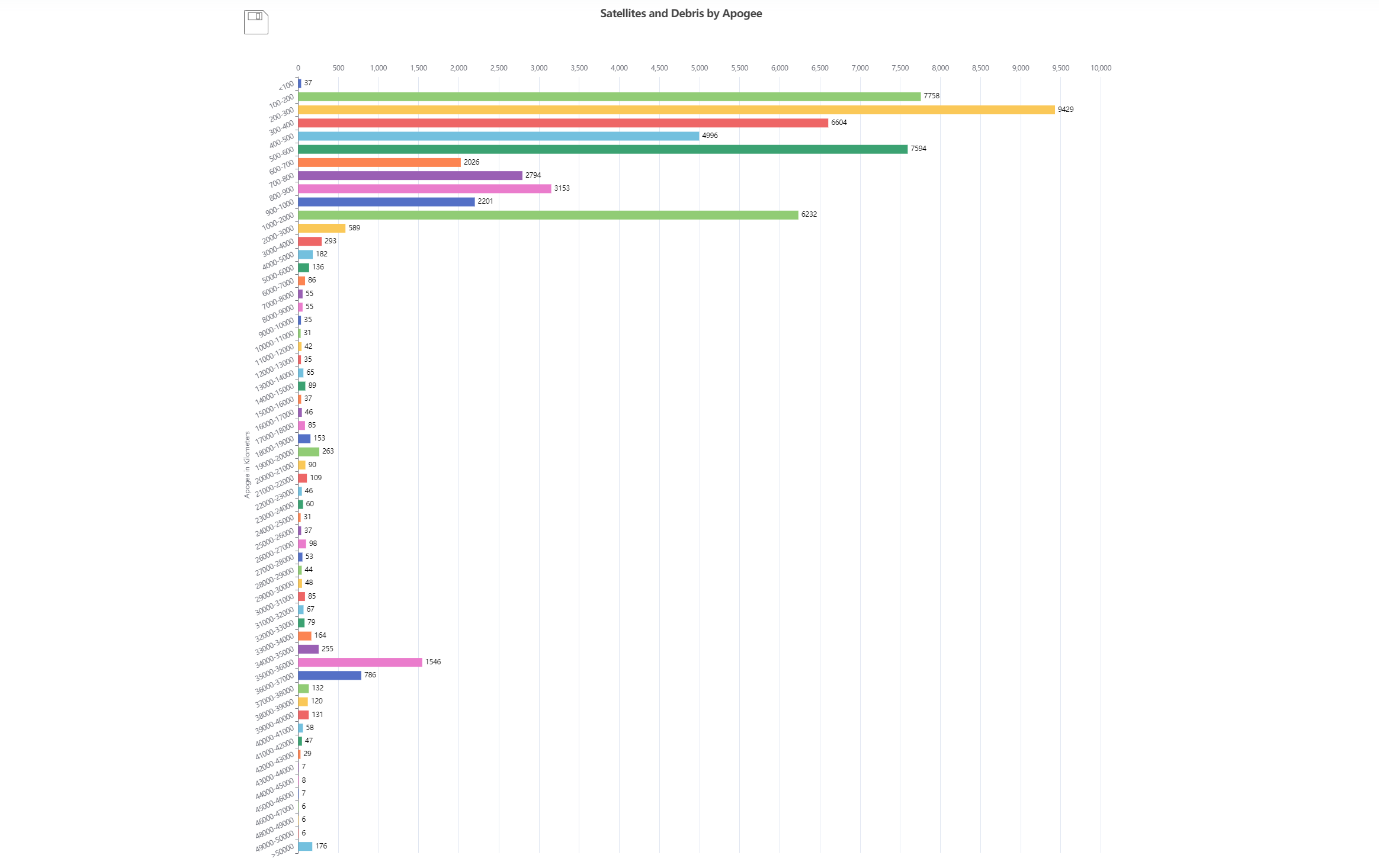
User-Inspired Update
A user suggestion led to the addition of new visualizations for satellites, debris, and unidentified objects across different orbits in KeepTrack.


Launch Date
September 7, 1987
Launch Site
PLMSC
Launch Pad
LC32/1
Launch Vehicle
Tsiklon-3
NORAD ID
18335
International Designator
1987-074B
Epoch
Sat, 04 Jul 2026 07:03:40 GMT
Apogee
Calculating...
Perigee
Calculating...
Inclination
82.58°
Right Ascension
311.91°
Eccentricity
Calculating...
Argument of Perigee
84.74°
Period
114.03 min
Mean Motion
12.63 rev/day
Latitude
Calculating...
Longitude
Calculating...
Altitude
Calculating...
Velocity
Calculating...
Name
COSMOS 1876
Alternative Name
Kosmos-1876
Type
Status
Owner
UNKS
Country
USSR
Constellation
N/A
Related Satellites
Major Events
N/A
1 18335U 87074B 26185.29421444 .00000044 00000-0 18362-3 0 9999
2 18335 82.5753 311.9139 0006204 84.7413 300.1361 12.62817164789251
Source: Celestrak
Length
1.6
Diameter
0.8
Span
7
Dry Mass
225
Launch Mass
225
Shape
Cyl + Ant
Radar Cross Section
1.0499
Visual Magnitude
Unknown
Color
Unknown
Material Composition
Unknown
Payload
Strela-3
Purpose
Military Communication
Mission
Military Communication
Manufacturer
NPOPM
Life Expectancy
Unknown
Bus
Strela-3
Configuration
Unknown
Motor
Unknown
Equipment
Unknown
Power System
Solar cells, batteries
ADCS
Unknown
Transmitter Frequency
Unknown
Learn more about satellites and other related topics.
A user suggestion led to the addition of new visualizations for satellites, debris, and unidentified objects across different orbits in KeepTrack.
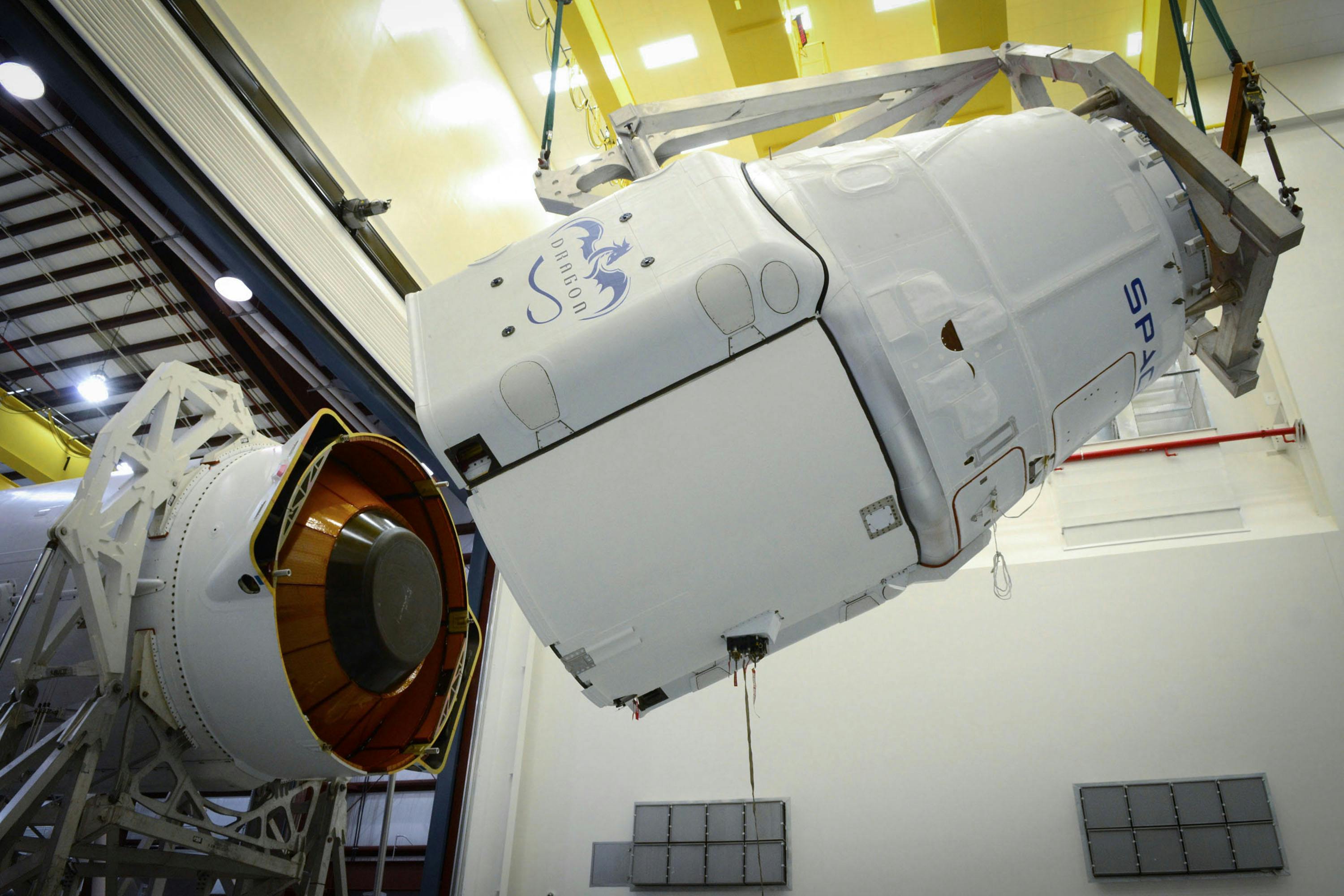
SpaceX gears up for Starship Flight 8 amidst Starlink's growing presence in global internet markets.
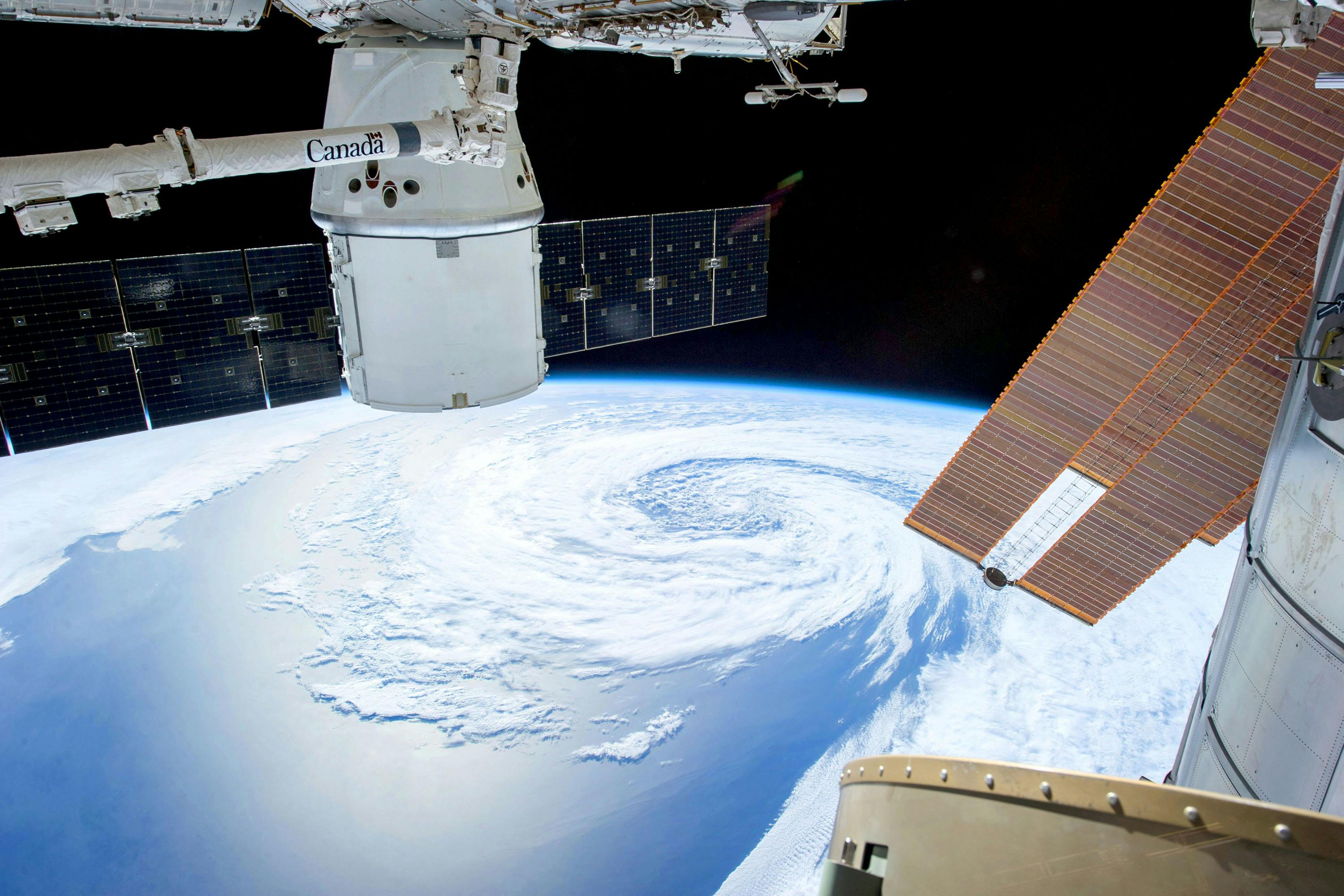
SpaceX marks another milestone and setback with Starship Flight 7, achieving a successful booster catch but losing the upper stage during ascent.
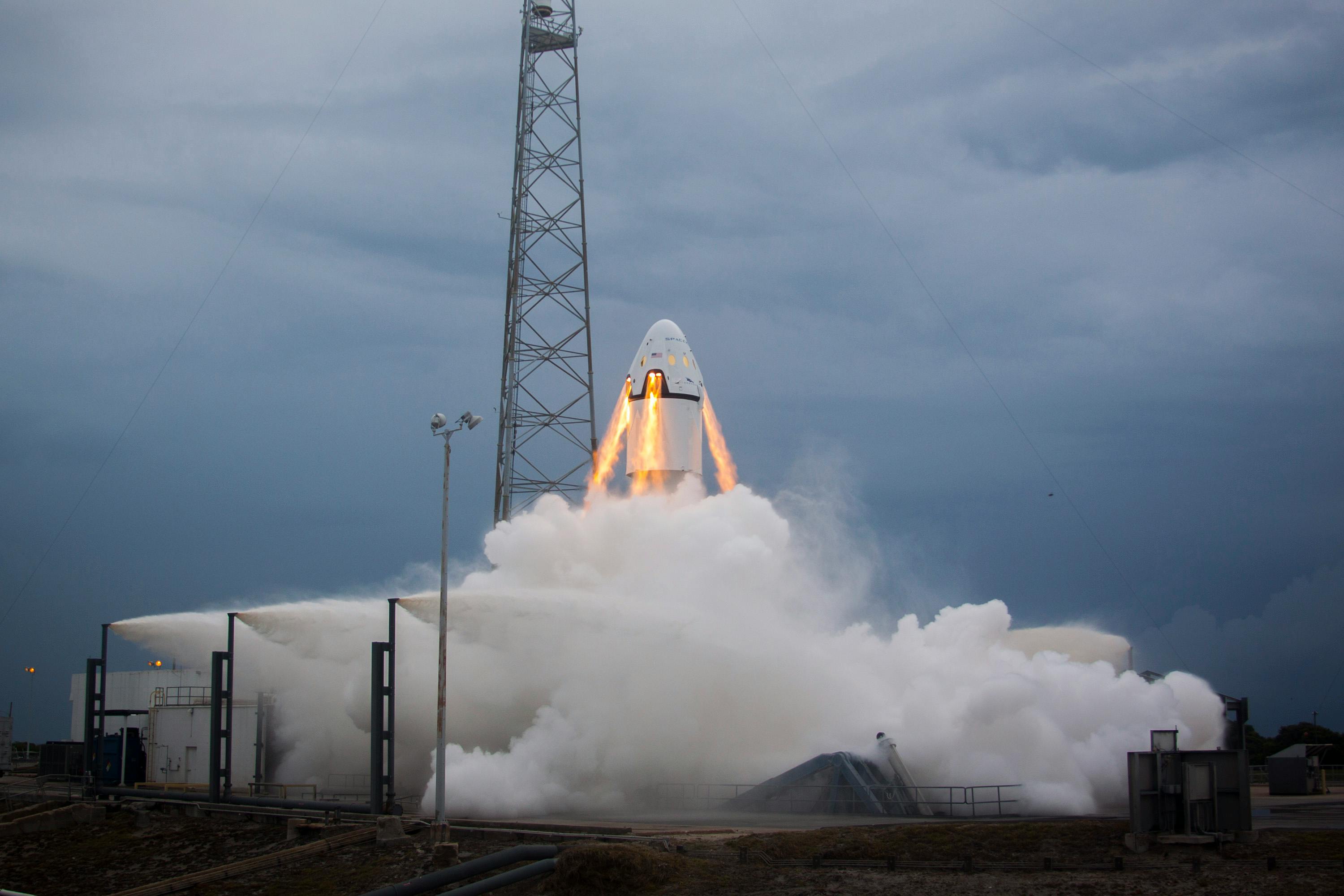
SpaceX's Starlink sparks market shifts and celestial awe as iPhones gain new connectivity and a satellite ignites the night sky.

SpaceX readies for Starship Flight 6, stacking the megarocket for its upcoming launch on Nov. 19. Get details on the timing and mission objectives.

SpaceX continues to make waves with record launches and emerging challenges in its lunar endeavors. A new launch site on the West Coast promises to ramp up capacity, even as the Falcon 9 prepares for its eventual retirement.
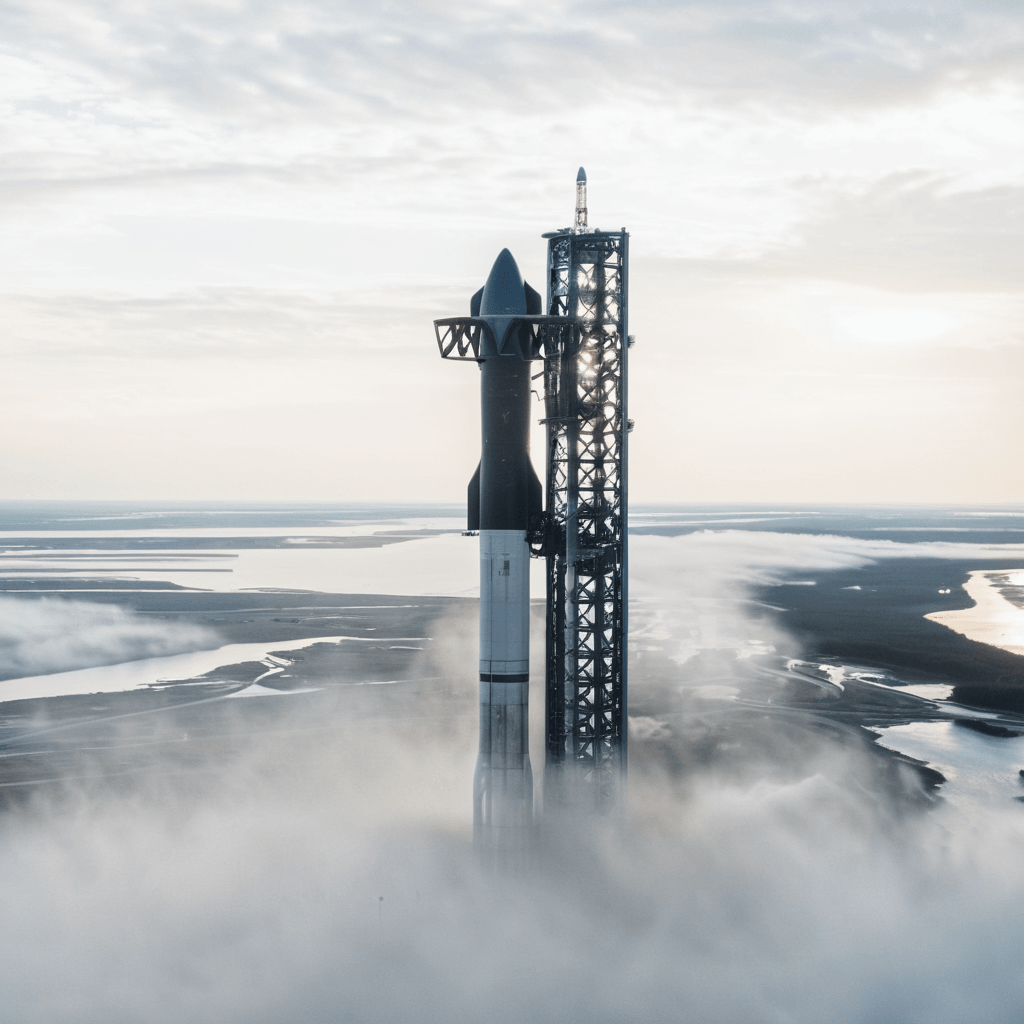
As the largest and most powerful rocket ever built, it's designed for full reusability and rapid launch turnaround. SpaceX claims it could carry over 100 tons to low Earth orbit at a fraction of current costs.
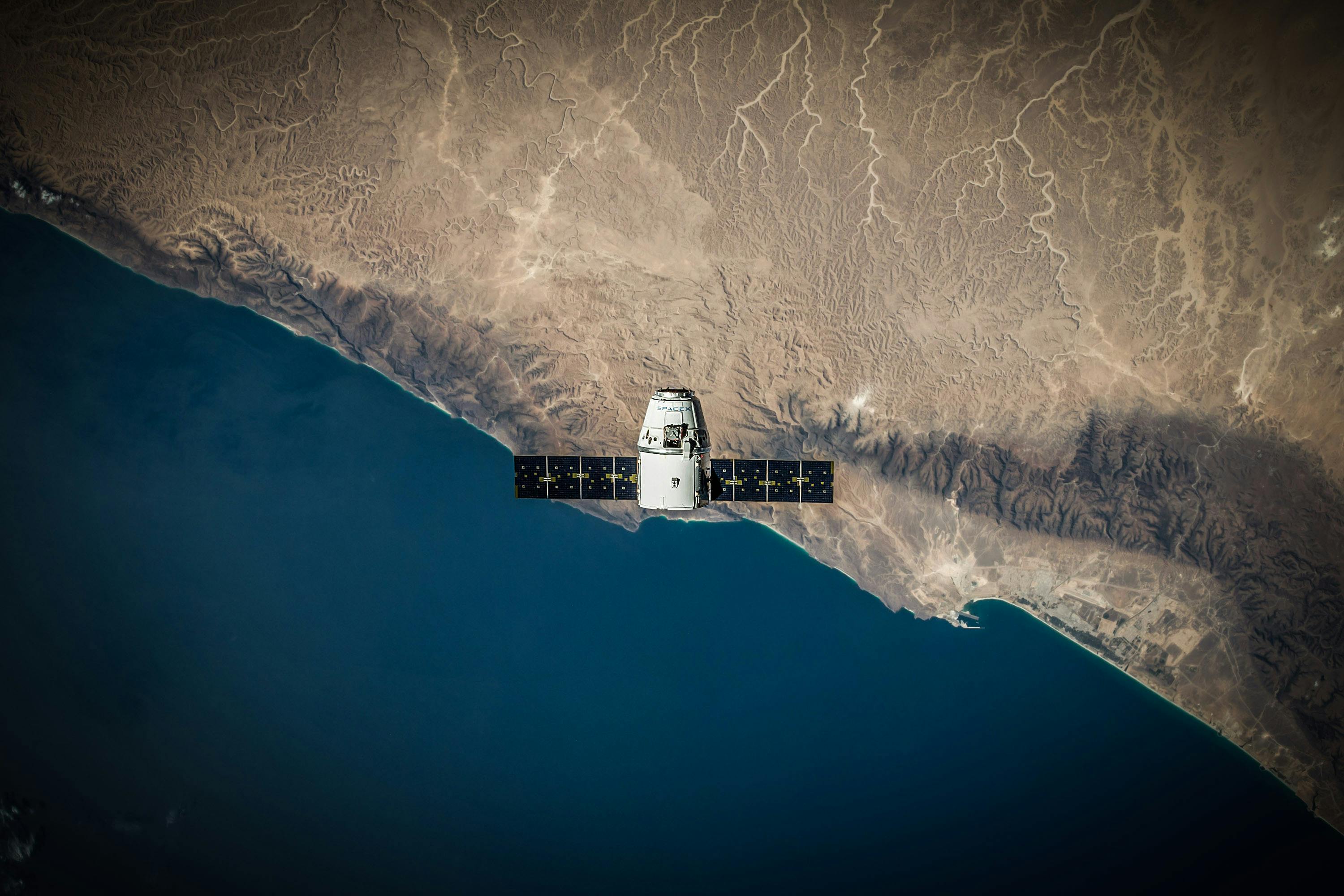
SpaceX successfully launched 23 Starlink satellites while facing delays in launching the Axiom Space mission due to a propellant leak. Additionally, new US broadband rules favor Starlink's expansion into rural markets.