

China's Shenlong Deploys Six Objects
Details on China's current Shenlong spaceplane mission and its recent deployment of six objects.


Launch Date
March 11, 1987
Launch Site
PLMSC
Launch Pad
LC16/2
Launch Vehicle
Soyuz-U
NORAD ID
17790
International Designator
1987-025L
Decay Date
5/3/1987
Name
COSMOS 1826 DEB
Alternative Name
KDU part
Type
Status
Owner
UNKS
Country
USSR
Constellation
N/A
Related Satellites
Major Events
N/A
Length
0
Diameter
0
Span
0
Dry Mass
0
Launch Mass
0
Shape
N/A
Radar Cross Section
0.2226
Visual Magnitude
Unknown
Color
Unknown
Material Composition
Unknown
Payload
KDU part
Purpose
Unknown
Mission
Unknown
Manufacturer
TSSKB
Life Expectancy
Unknown
Bus
Zenit deb
Configuration
Unknown
Motor
Unknown
Equipment
Unknown
Power System
Unknown
ADCS
Unknown
Transmitter Frequency
Unknown
Learn more about satellites and other related topics.
Details on China's current Shenlong spaceplane mission and its recent deployment of six objects.

Today's brief covers the U.S. Space Force's orbital carrier initiative, ULA Vulcan's approval for military launches, Rocket Lab's new contract with the Space Force, integrated data layers for military command, and advances in tactical surveillance.
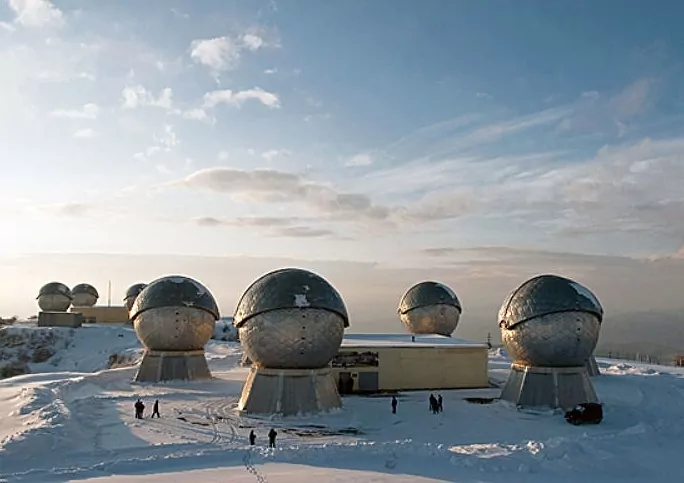
An analysis of Russia's independent space tracking system and how it compares to the established U.S. Space Surveillance Network

Blue Origin launch pad rebuild begins at Cape Canaveral after the New Glenn explosion, targeting return to flight by end of 2026. SpaceX flies NROL-179.
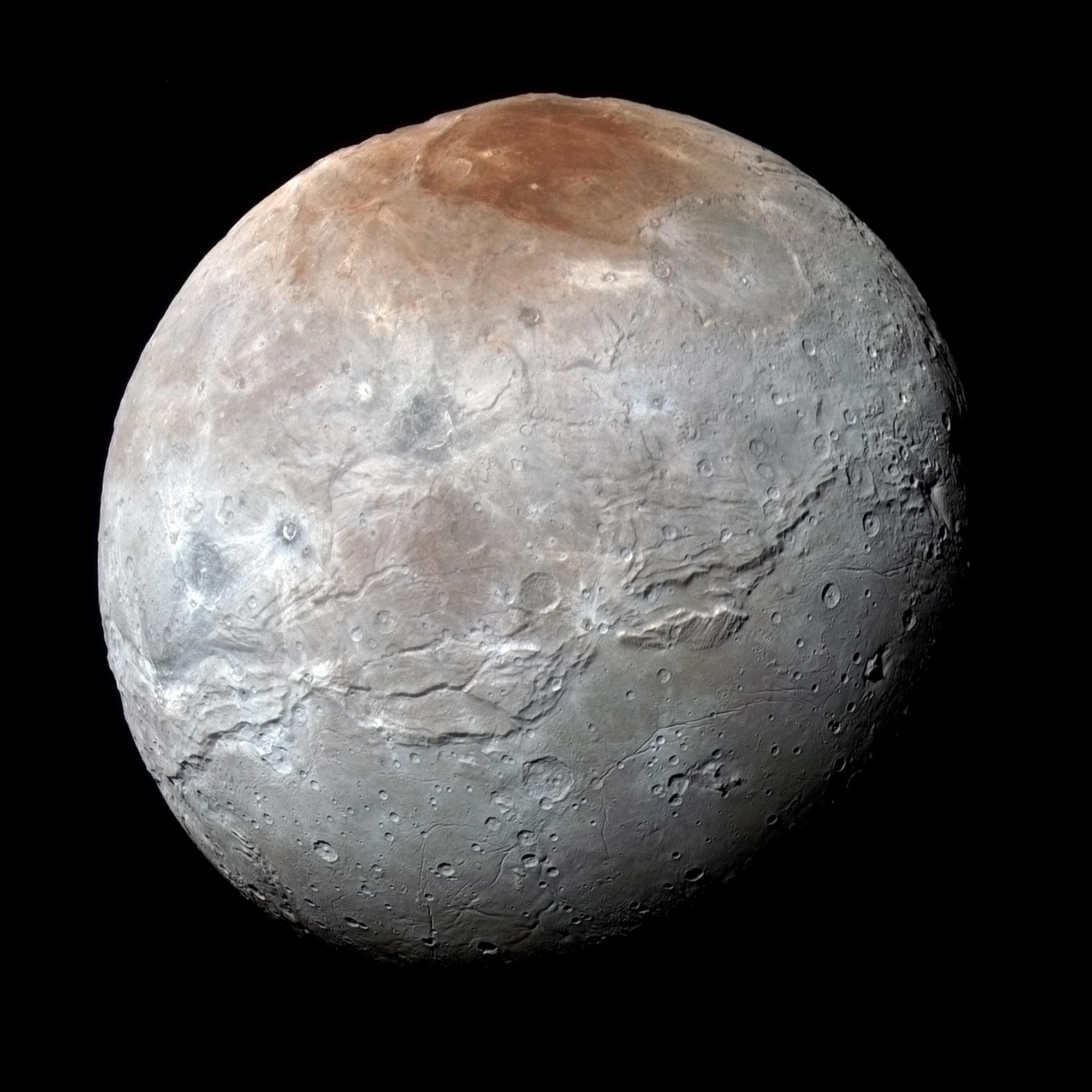
On 22 June 1978, an astronomer at the U.S. Naval Observatory looked at photographic plates that had been stamped 'image defective' and noticed a small bump on the side of Pluto. The bump was a moon, and finding it finally let astronomers weigh a planet that had fooled them for half a century.
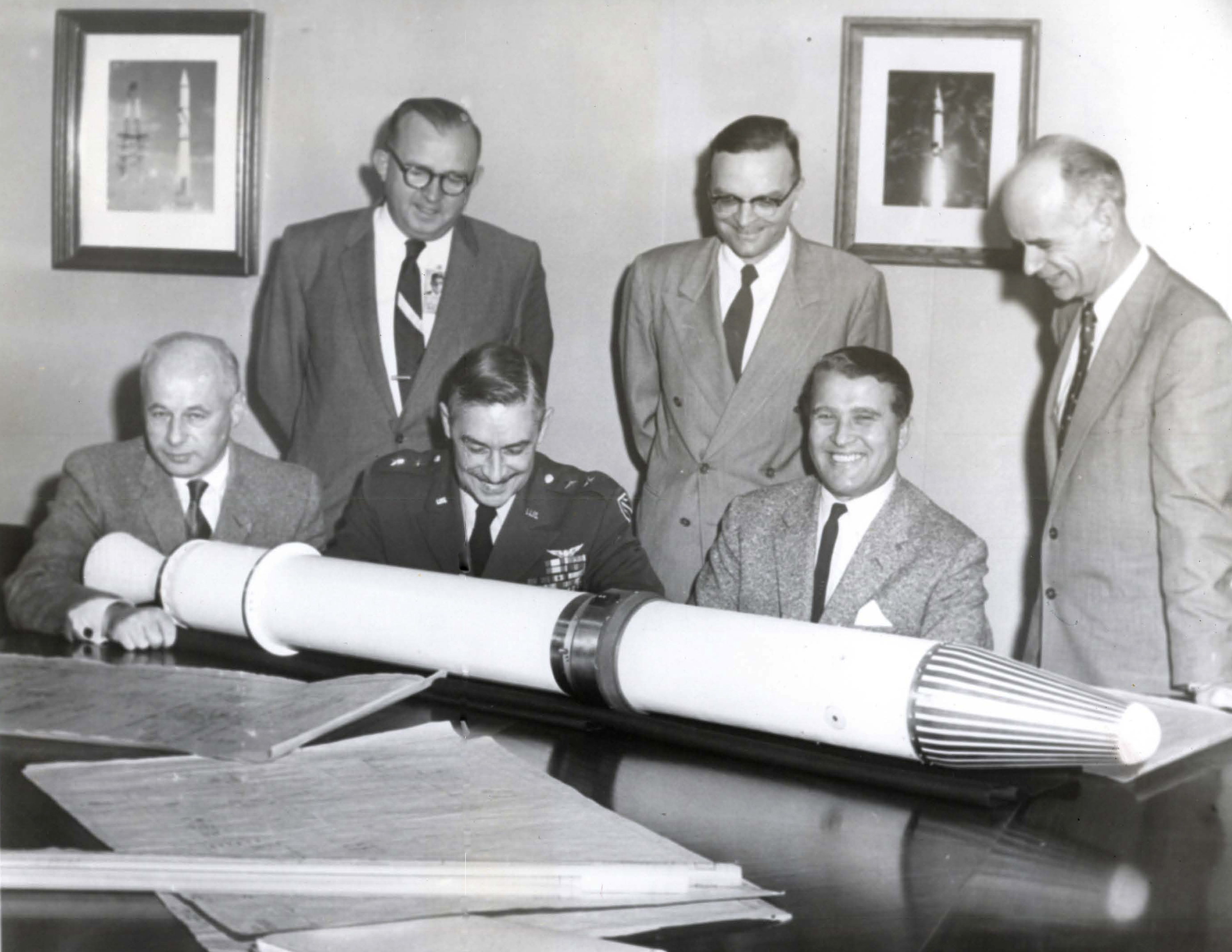
Sixty-seven years ago, a slender rocket carried America's first satellite into orbit, discovering a mysterious feature of our planet that would change our understanding of space forever
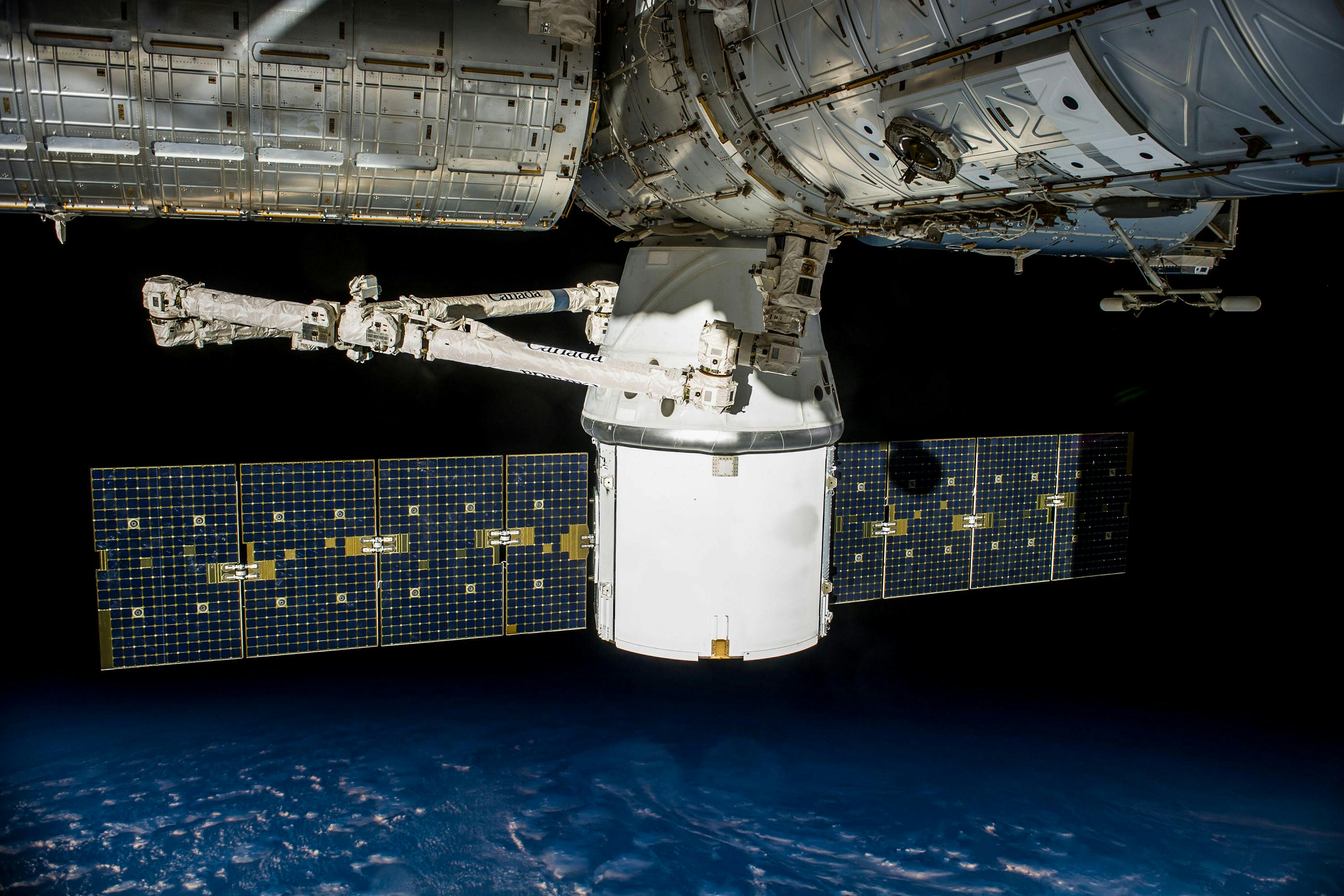
SpaceX makes significant strides with Starship Flight Test 10 approved and updates on the new Starbase pad design.
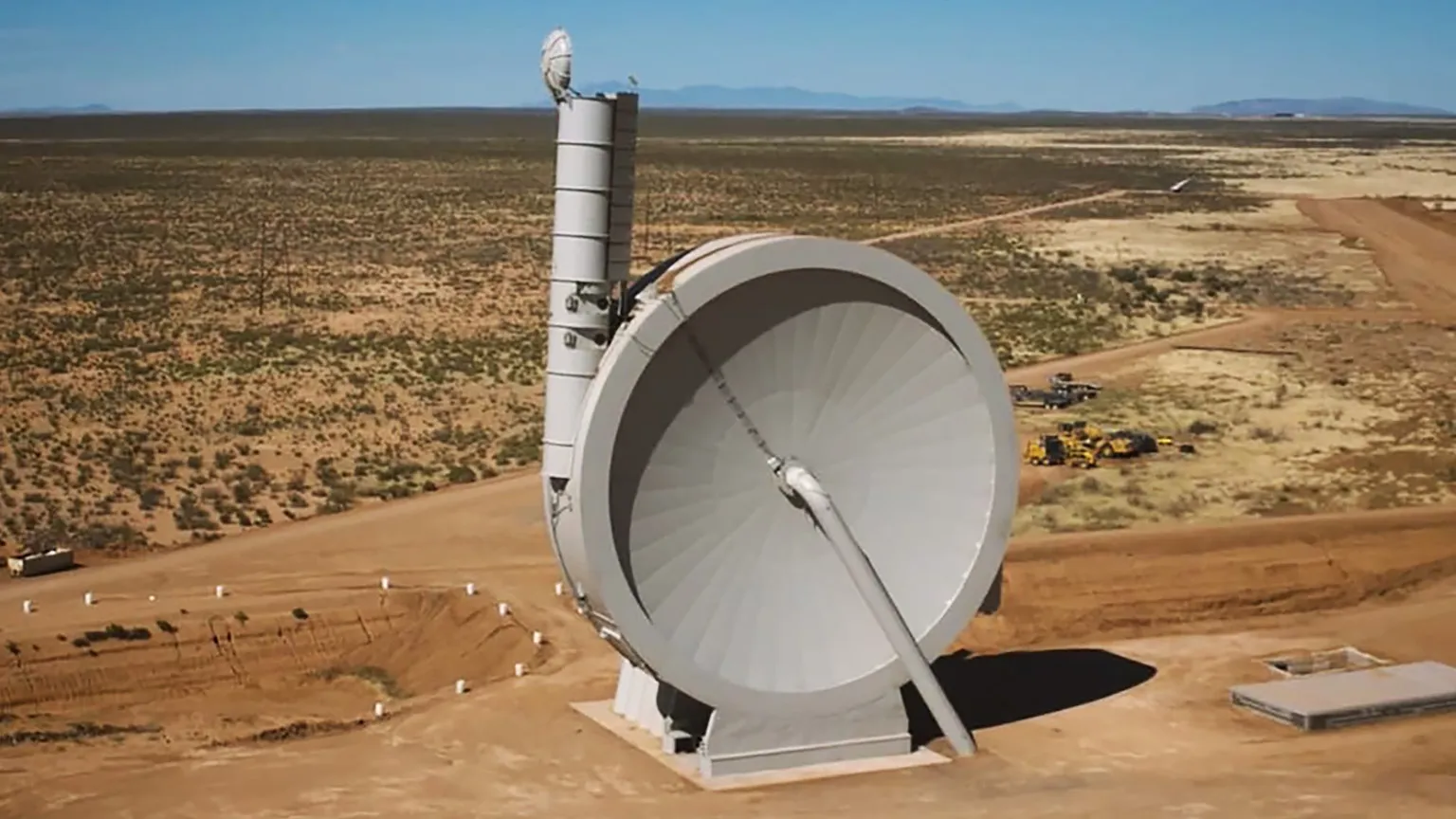
How a California startup's massive centrifuge could transform space access by eliminating rocket fuel, reducing costs by 70%, and enabling daily satellite launches - if it can overcome the physics of scaling from suborbital tests to orbital reality