


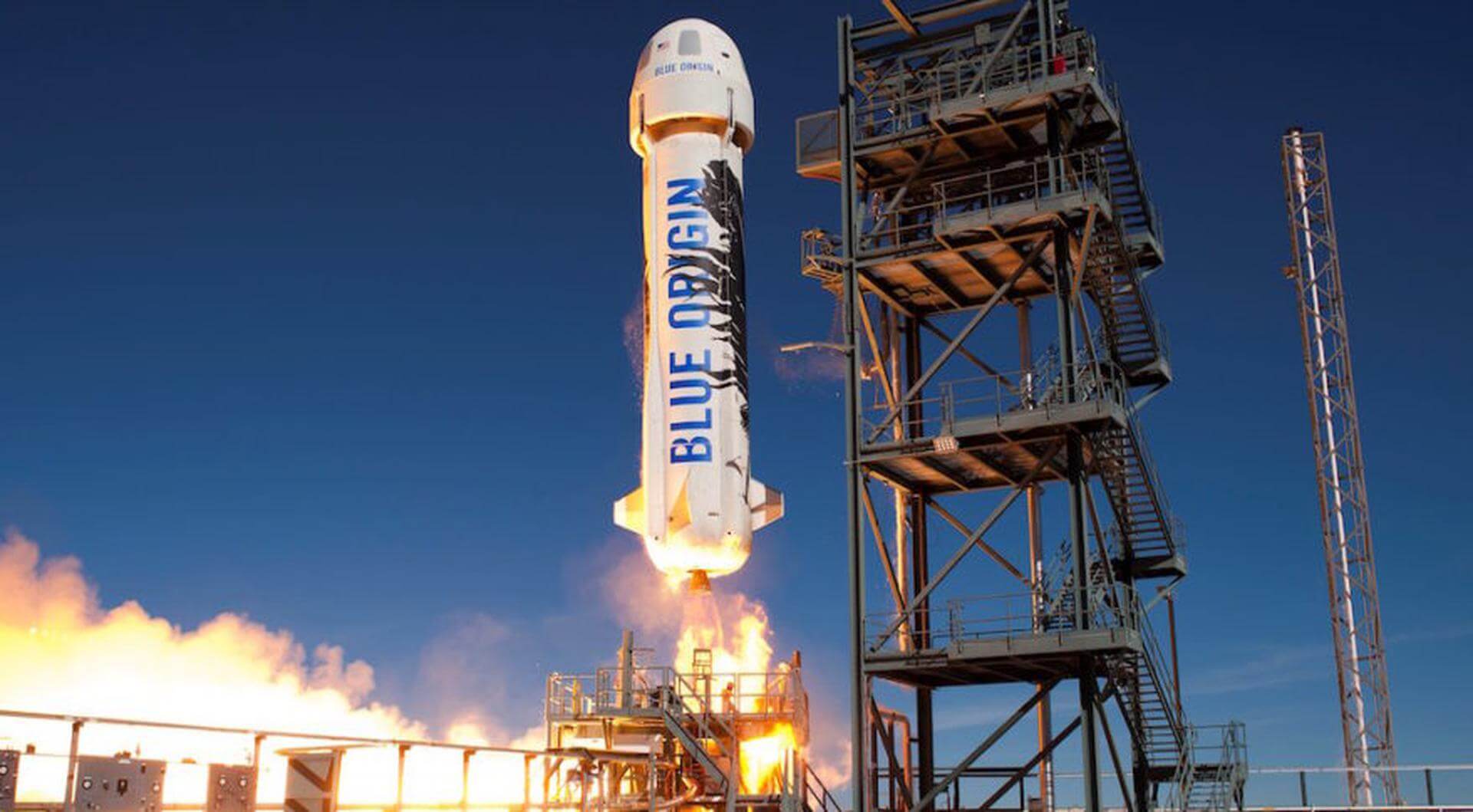
Space Brief 31 Mar 2025
Today's brief covers significant space events, including milestone national security certifications for ULA Vulcan and Rocket Lab, SpaceX's groundbreaking polar orbit mission, and a failed launch attempt by Isar Aerospace.


Launch Date
December 12, 1986
Launch Site
PLMSC
Launch Pad
LC43/4
Launch Vehicle
Molniya 8K78M
NORAD ID
17213
International Designator
1986-098A
Epoch
Sun, 28 Jun 2026 15:04:59 GMT
Apogee
Calculating...
Perigee
Calculating...
Inclination
68.61°
Right Ascension
144.94°
Eccentricity
Calculating...
Argument of Perigee
78.66°
Period
717.56 min
Mean Motion
2.01 rev/day
Latitude
Calculating...
Longitude
Calculating...
Altitude
Calculating...
Velocity
Calculating...
Name
COSMOS 1806
Alternative Name
Kosmos-1806
Type
Status
Owner
PVO
Country
USSR
Constellation
N/A
Related Satellites
Major Events
N/A
1 17213U 86098A 26179.62846836 .00000097 00000-0 00000-0 0 9999
2 17213 68.6105 144.9404 4740903 78.6565 47.8812 2.00680718289531
Source: Celestrak
Length
4
Diameter
2
Span
5
Dry Mass
1150
Launch Mass
1250
Shape
Cyl + 2 Pan
Radar Cross Section
13.0223
Visual Magnitude
Unknown
Color
Unknown
Material Composition
Unknown
Payload
Oko 73D6 No. 6029
Purpose
Early warning
Mission
Early warning
Manufacturer
NPOL/KOMET
Life Expectancy
Unknown
Bus
Oko
Configuration
Unknown
Motor
Unknown
Equipment
Unknown
Power System
2 deployable fixed solar arrays, batteries
ADCS
Unknown
Transmitter Frequency
Unknown
Learn more about satellites and other related topics.
Today's brief covers significant space events, including milestone national security certifications for ULA Vulcan and Rocket Lab, SpaceX's groundbreaking polar orbit mission, and a failed launch attempt by Isar Aerospace.

Current number of Starlink satellites in orbit April 2026: 10,168 working of 10,177 tracked, 11,724 launched. Fleet health tops 99.9%.
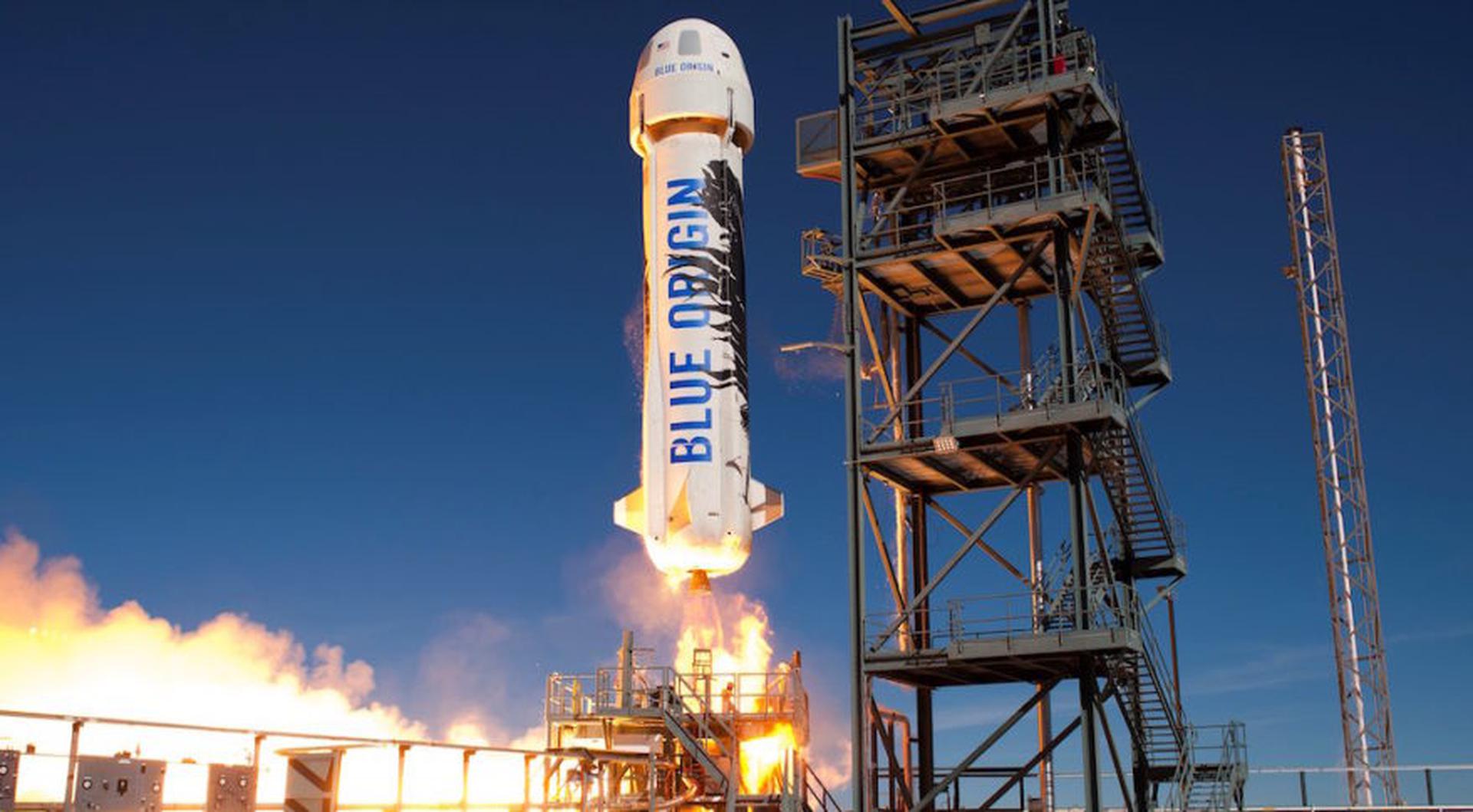
China launches Yaogan spacecraft into unusual orbit and Guowang constellation satellites to start 2026. NASA and DOE plan lunar nuclear reactor by 2030. Space Force switches GPS launch rocket.
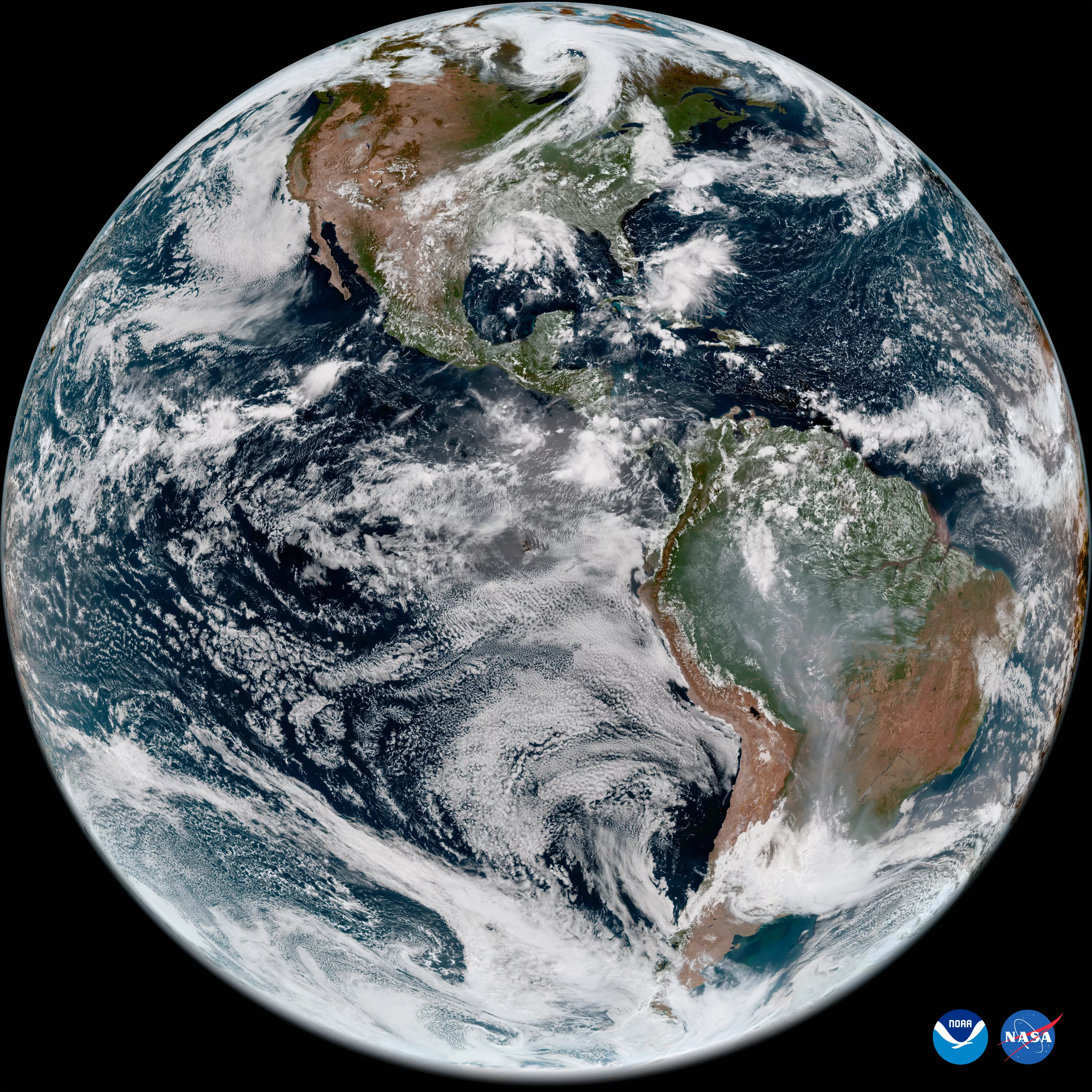
The final satellite in a multi-billion-dollar program that learned its hardest lesson from a clogged pipe. GOES-19 is now NOAA's eyes on every Atlantic hurricane - and it's already found dozens of comets no one was looking for.

Today's brief highlights key advancements in space technology and innovative military initiatives. Featuring deep space tracking system upgrades, a push towards quantum communications in orbit, and critical radar developments.

Blue Origin's New Glenn rocket exploded at Cape Canaveral's LC-36, causing visible pad damage and a year-plus grounding. NASA lunar plans affected.

Space Force scraps SDA transport layer, requests $1.6 billion for proliferated LEO SATCOM constellation. Roger Mason nominated to lead NRO.
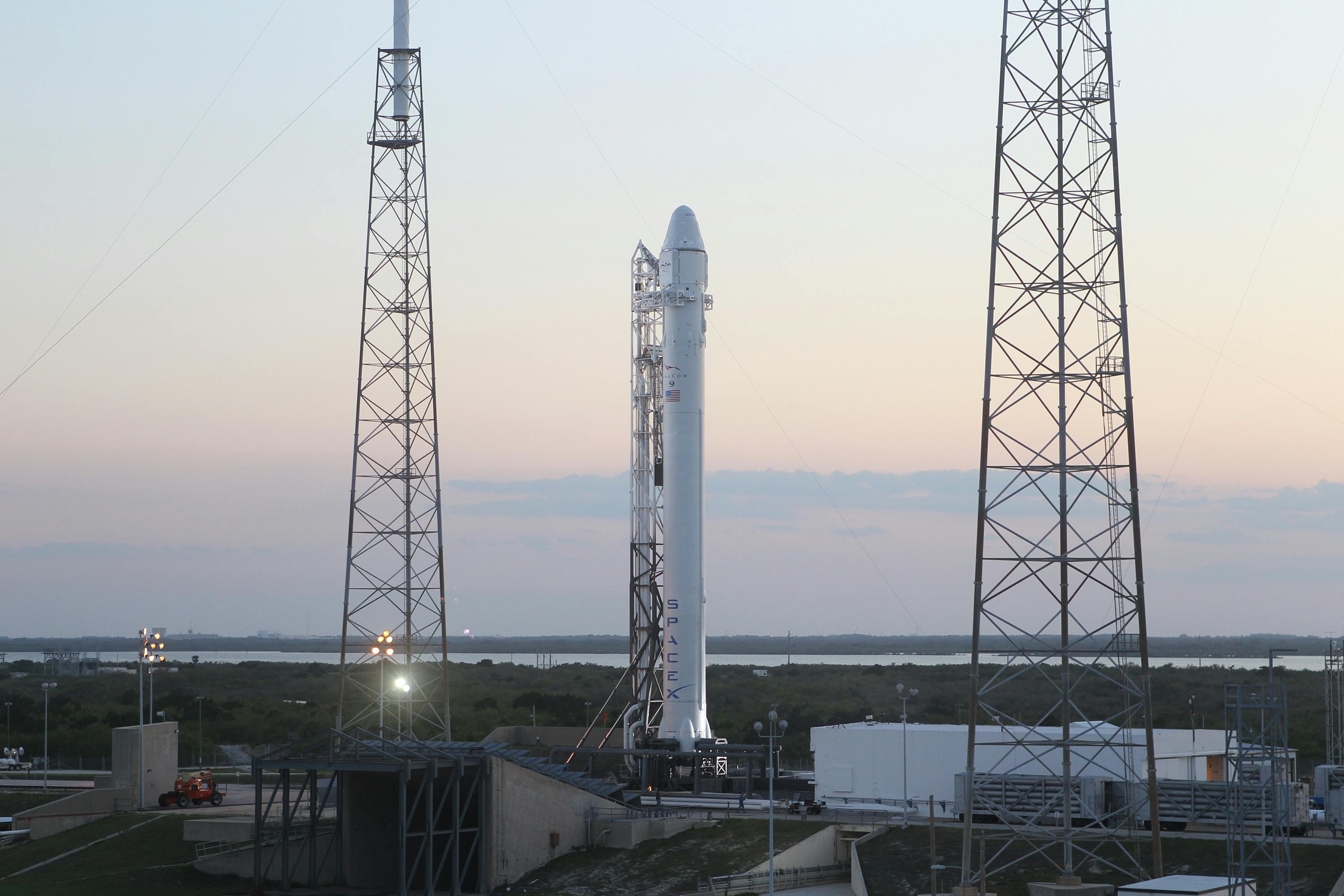
Exciting advancements from SpaceX as Starshield satellites prepare for launch, Starship Flight 7 faces a short delay, and new Starlink satellites enter orbit.