


Space Force Eyes 1,000 Launches by 2031, New Site Required | KeepTrack Space Brief
Space Force projects ~1,000 launches between FY2027–FY2031, averaging 200 annually. DAF study concludes new launch site is "probably" required to absorb cadence.


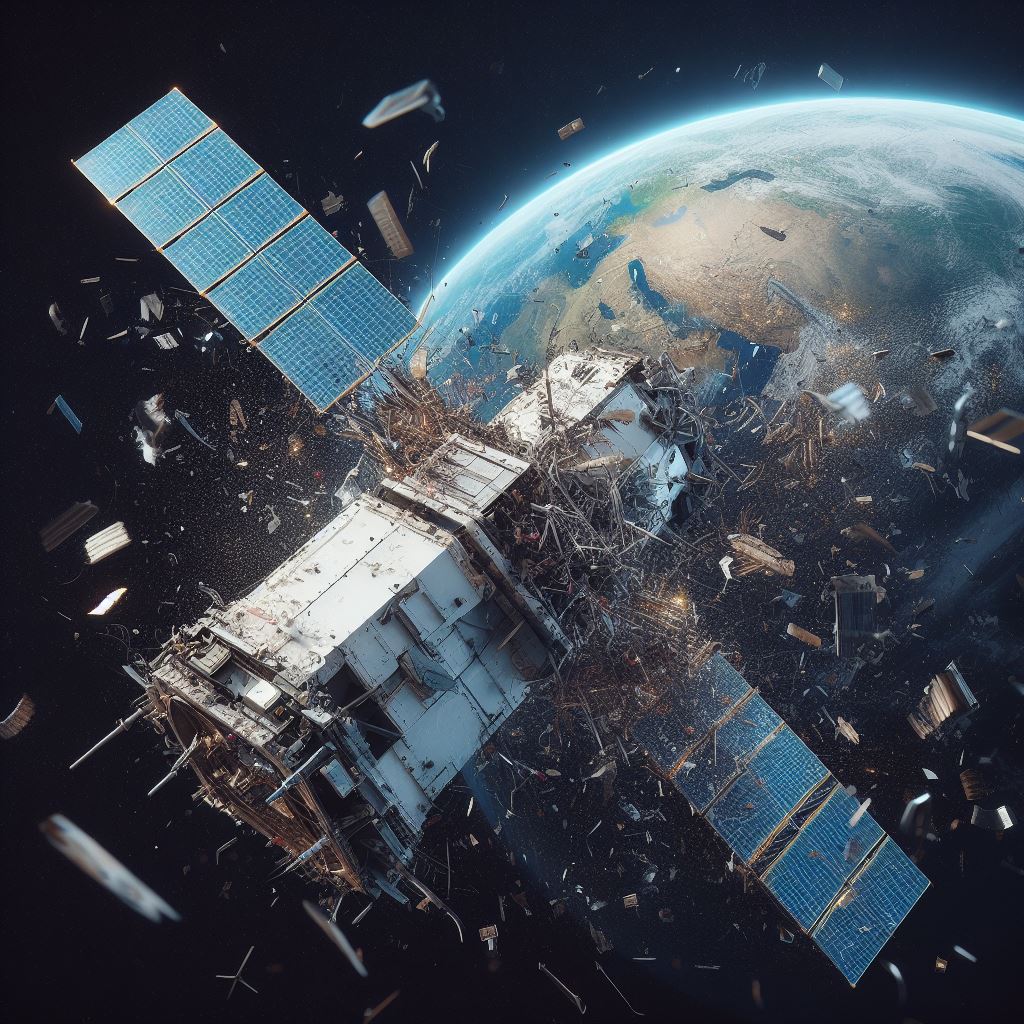
Launch Date
June 11, 1986
Launch Site
PLMSC
Launch Pad
LC43/4
Launch Vehicle
Soyuz-U
NORAD ID
16820
International Designator
1986-045G
Decay Date
6/29/1986
Name
COSMOS 1757 DEB
Alternative Name
KDU part
Type
Status
Owner
UNKS
Country
USSR
Constellation
N/A
Related Satellites
Major Events
N/A
Length
0
Diameter
0
Span
0
Dry Mass
0
Launch Mass
0
Shape
N/A
Radar Cross Section
Unknown
Visual Magnitude
Unknown
Color
Unknown
Material Composition
Unknown
Payload
KDU part
Purpose
Unknown
Mission
Unknown
Manufacturer
TSSKB
Life Expectancy
Unknown
Bus
Zenit deb
Configuration
Unknown
Motor
Unknown
Equipment
Unknown
Power System
Unknown
ADCS
Unknown
Transmitter Frequency
Unknown
Learn more about satellites and other related topics.
Space Force projects ~1,000 launches between FY2027–FY2031, averaging 200 annually. DAF study concludes new launch site is "probably" required to absorb cadence.

NASA confirms first-ever ISS medical evacuation for January 14 via Crew Dragon. SpaceX launches 29 Starlink satellites in third mission of 2026. Artemis 2 moon mission timeline unaffected.
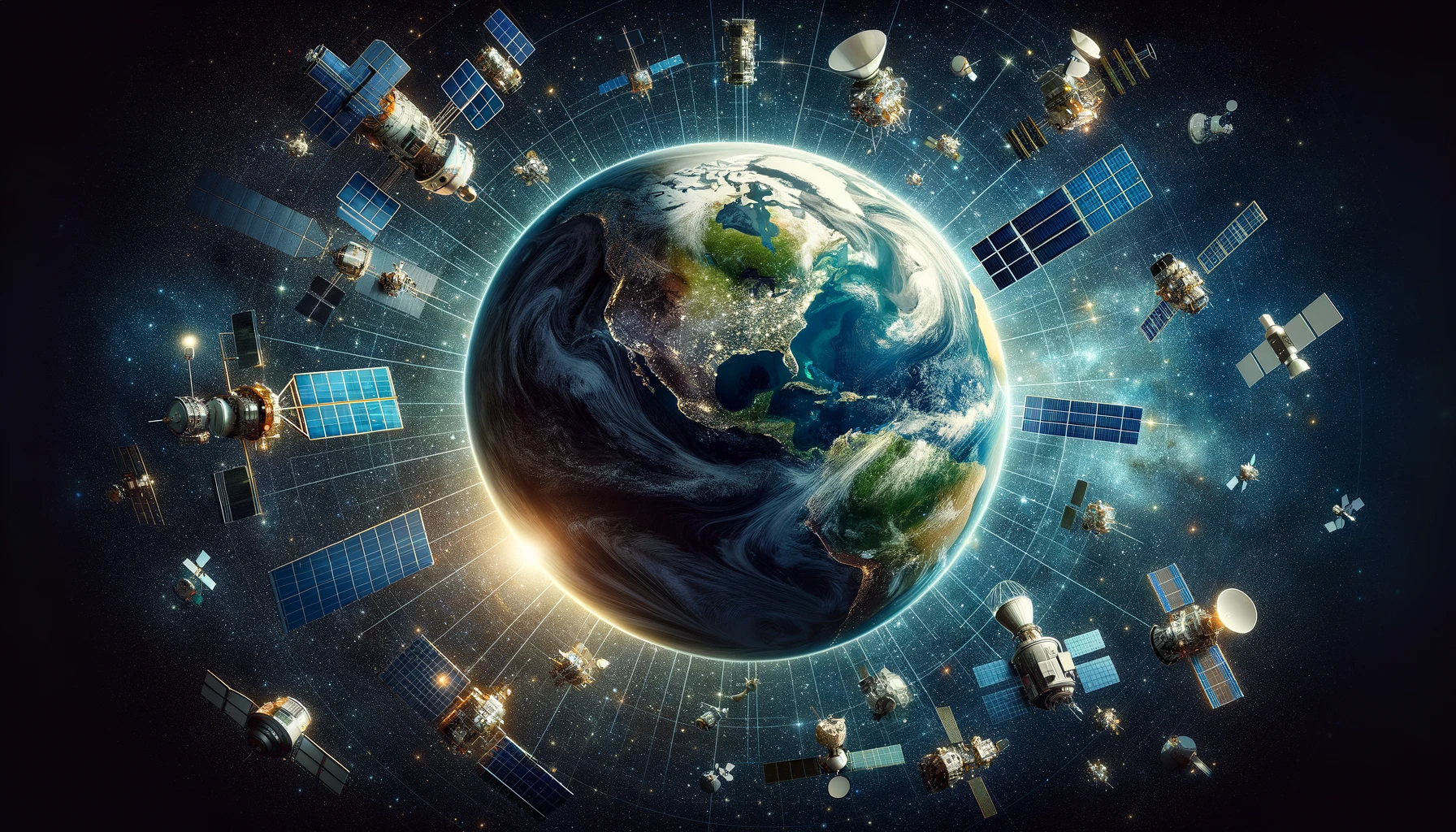
Explore the dynamic realms of Earth's orbits, from LEO to GEO, unraveling the crucial roles they play in global communication, navigation, and surveillance.
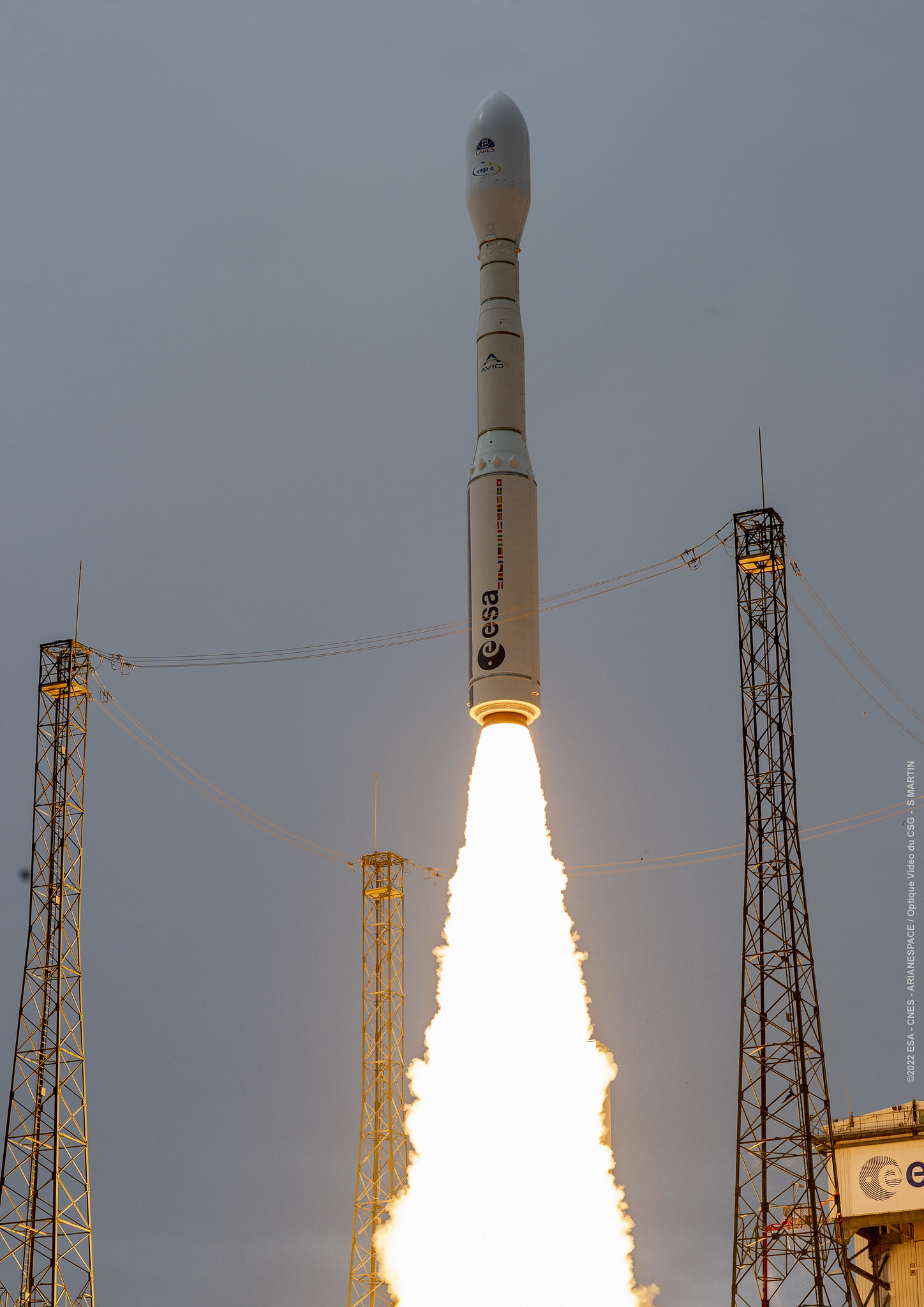
Today's space brief covers SpaceX's new contract with the U.S. Space Force, multiple Starlink launches, Rocket Lab's rapid launch success, and the final mission of Japan's H-IIA rocket.
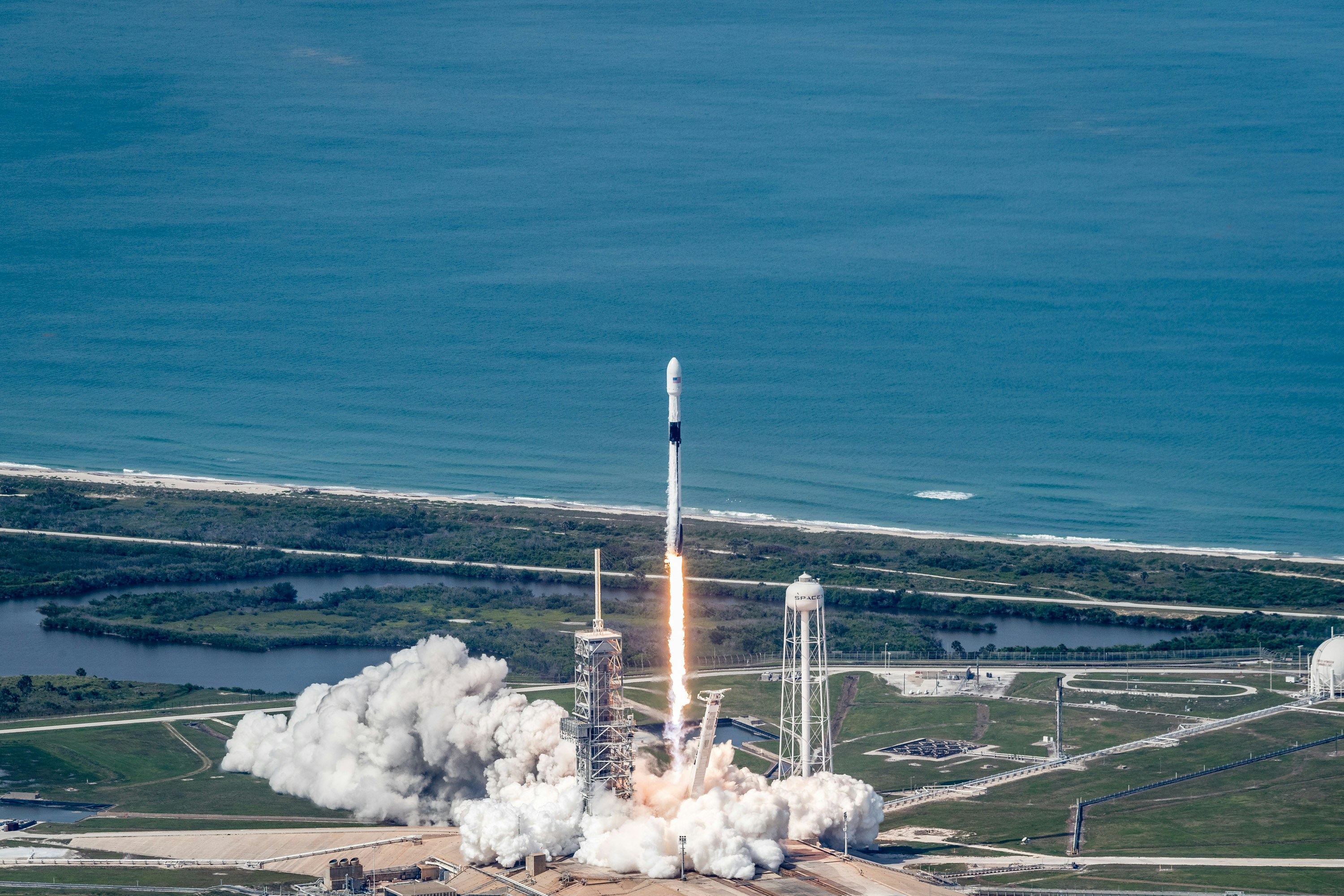
Today's key development highlights SpaceX's upcoming launch of 29 Starlink satellites from Cape Canaveral, marking the start of an active month for the satellite constellation.
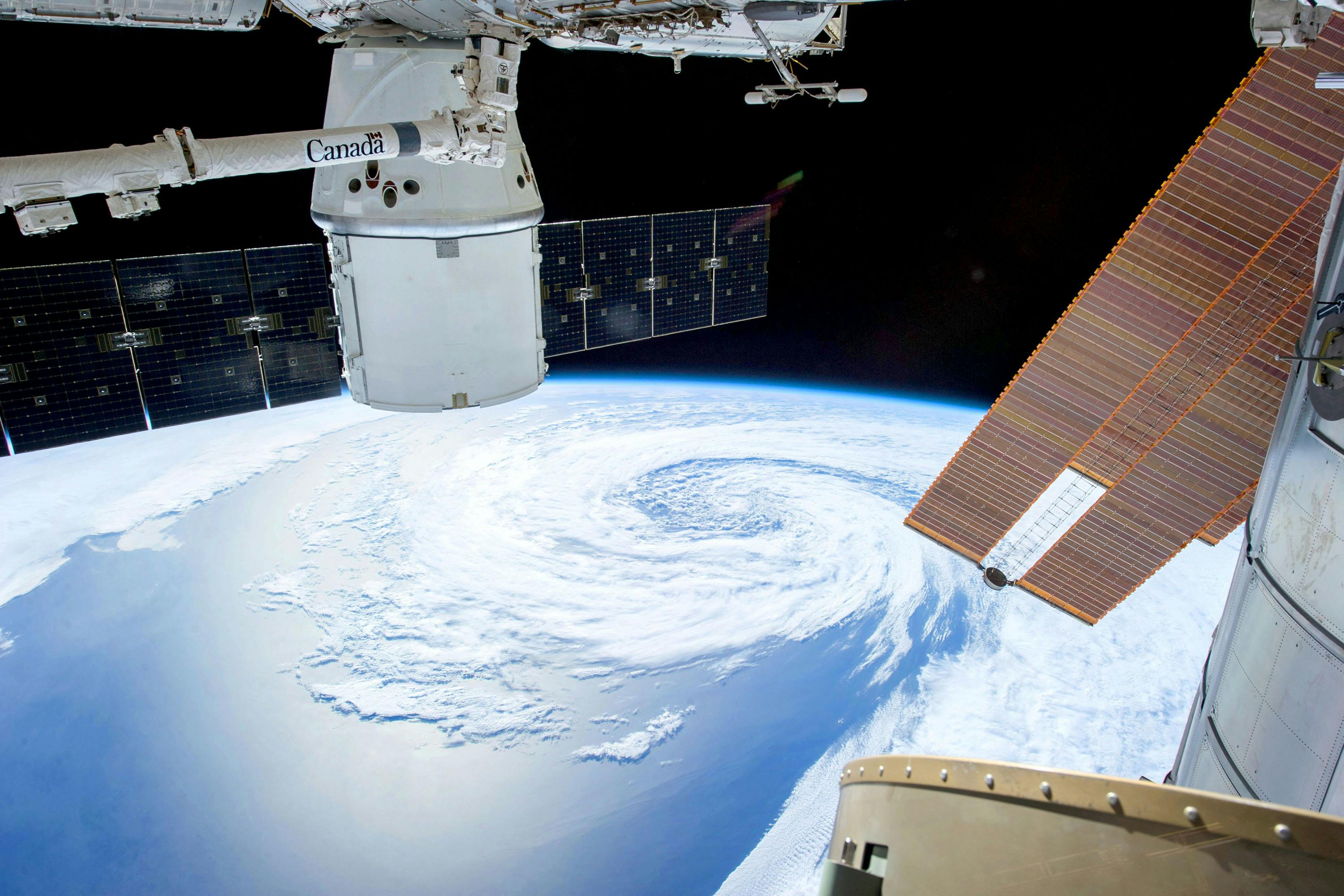
SpaceX edges closer to increased Starship launch approvals, secures lunar rover delivery, eyes potential military collaboration, and continues rapid satellite deployment.
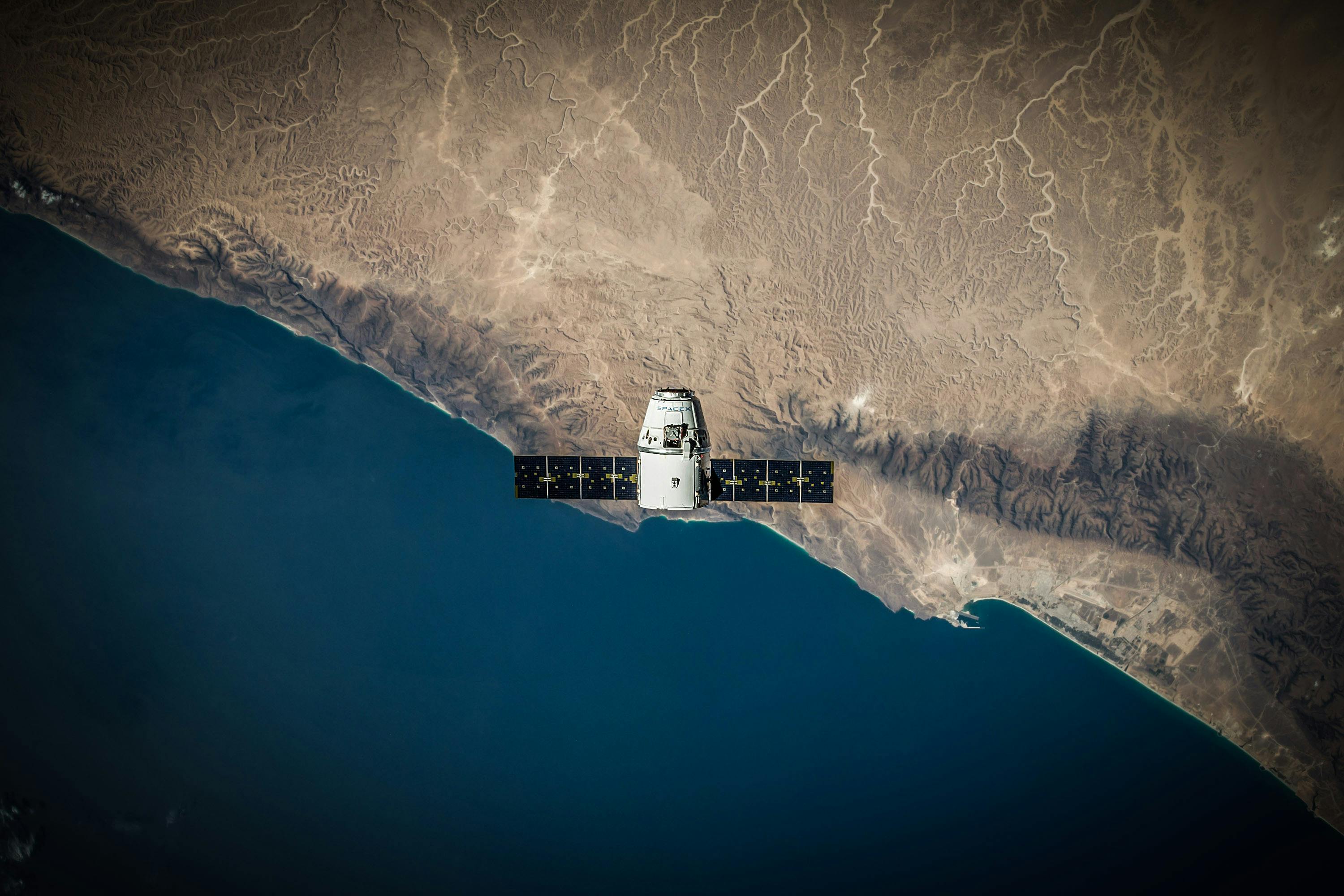
Highlights include China's rising threats in space, a new Starlink launch, NASA's optimistic future, and a cosmic conjunction featuring the Moon and Saturn.

Forty-one years ago, astronaut Bruce McCandless II became the first human to float completely free in space, pushing the boundaries of both technology and human courage