


X Report 29 Jan 2025
Key developments include political attention on SpaceX's ISS crew return and competition forecasts between SpaceX and ULA for national security missions.


![ANIK D2 R/B [PAM-D] Satellite Image](/images/sat/rocket1.jpg)
Launch Date
November 8, 1984
Launch Site
Launch Pad
LC39A
Launch Vehicle
Space Shuttle
NORAD ID
15387
International Designator
1984-113D
Epoch
Thu, 02 Jul 2026 10:39:12 GMT
Apogee
Calculating...
Perigee
Calculating...
Inclination
25.34°
Right Ascension
227.83°
Eccentricity
Calculating...
Argument of Perigee
197.61°
Period
570.96 min
Mean Motion
2.52 rev/day
Latitude
Calculating...
Longitude
Calculating...
Altitude
Calculating...
Velocity
Calculating...
Name
ANIK D2 R/B [PAM-D]
Alternative Name
PAM-D
Type
Status
Owner
TCAN
Country
Canada
Constellation
N/A
Related Satellites
Major Events
N/A
1 15387U 84113D 26183.44389725 .00001486 00000-0 15841-2 0 9993
2 15387 25.3377 227.8333 7049953 197.6078 112.7092 2.52205556365127
Source: Celestrak
Length
2.3
Diameter
1.1
Span
2.3
Dry Mass
132
Launch Mass
2198
Shape
Sphere + Cone
Radar Cross Section
2.6042
Visual Magnitude
Unknown
Color
Unknown
Material Composition
Unknown
Payload
Star 48 S/N 10038-3
Purpose
Unknown
Mission
Unknown
Manufacturer
THKE
Life Expectancy
Unknown
Bus
Star 48
Configuration
Unknown
Motor
Unknown
Equipment
Unknown
Power System
Unknown
ADCS
Unknown
Transmitter Frequency
Unknown
Learn more about satellites and other related topics.
Key developments include political attention on SpaceX's ISS crew return and competition forecasts between SpaceX and ULA for national security missions.

In today's update, SpaceX successfully launched 28 Starlink satellites from Vandenberg, while Italy grapples with its satellite strategy amid rising reliance on Starlink services.
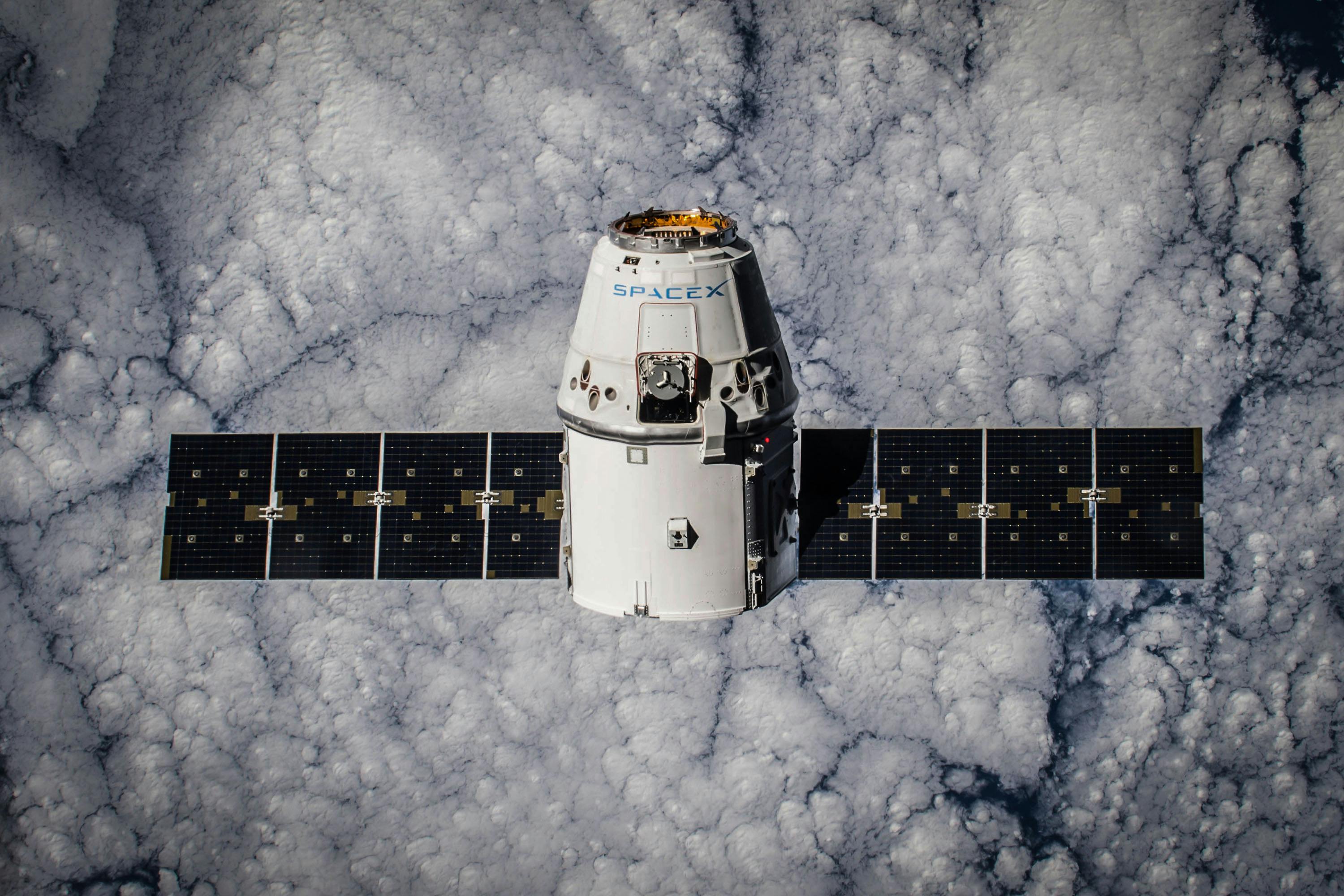
Severe weather conditions disrupt the launch of Amazon’s Project Kuiper satellites, highlighting ongoing challenges in satellite deployment amidst increasing competition in the space industry.

Today's Space Brief covers reentries, the impact of NOAA dismissals on space weather tracking, a strategic academic partnership probing cosmic mysteries, and a newly unveiled space motto.

SpaceX launches Crew-12 to ISS and lands Falcon 9 booster at new LZ-40 pad for the first time. xAI restructures $18B in debt ahead of possible IPO. 6,000 Starlink terminals smuggled into Iran.

Current number of Starlink satellites in orbit April 2026: 10,168 working of 10,177 tracked, 11,724 launched. Fleet health tops 99.9%.

Three Chinese rocket bodies have exploded over four years, creating debris clouds that will linger for decades to centuries, according to LeoLabs analysis. Fragmentation events threaten commercial and military operators.

SpaceX filed an FCC complaint against Amazon over orbital debris violations as Starship V3 gets a maiden voyage date and a $178.5M Space Force deal lands.