


X Report 25 Nov 2024
SpaceX launches multiple Starlink batches, FAA updates for Starship, and NASA plans lunar cargo deliveries involving SpaceX and Blue Origin.


Launch Date
October 11, 1984
Launch Site
PLMSC
Launch Pad
LC132/2
Launch Vehicle
Kosmos 11K65M
NORAD ID
15359
International Designator
1984-109A
Epoch
Sat, 04 Jul 2026 03:05:59 GMT
Apogee
Calculating...
Perigee
Calculating...
Inclination
82.94°
Right Ascension
139.52°
Eccentricity
Calculating...
Argument of Perigee
275.13°
Period
104.70 min
Mean Motion
13.75 rev/day
Latitude
Calculating...
Longitude
Calculating...
Altitude
Calculating...
Velocity
Calculating...
Name
COSMOS 1605
Alternative Name
Kosmos-1605
Type
Status
Owner
VMF
Country
USSR
Constellation
N/A
Related Satellites
Major Events
N/A
1 15359U 84109A 26185.12915637 .00000057 00000-0 43784-4 0 9993
2 15359 82.9408 139.5224 0044827 275.1289 95.2202 13.75422602 94163
Source: Celestrak
Length
5
Diameter
2.1
Span
17
Dry Mass
800
Launch Mass
800
Shape
Cyl + Ant
Radar Cross Section
1.9847
Visual Magnitude
Unknown
Color
Unknown
Material Composition
Unknown
Payload
Parus
Purpose
Navigation, data relay
Mission
Navigation, data relay
Manufacturer
OAZ
Life Expectancy
Unknown
Bus
KAUR-1 11F627
Configuration
KAUR-1
Motor
Unknown
Equipment
Unknown
Power System
Solar cells, batteries
ADCS
Unknown
Transmitter Frequency
Unknown
Learn more about satellites and other related topics.
SpaceX launches multiple Starlink batches, FAA updates for Starship, and NASA plans lunar cargo deliveries involving SpaceX and Blue Origin.
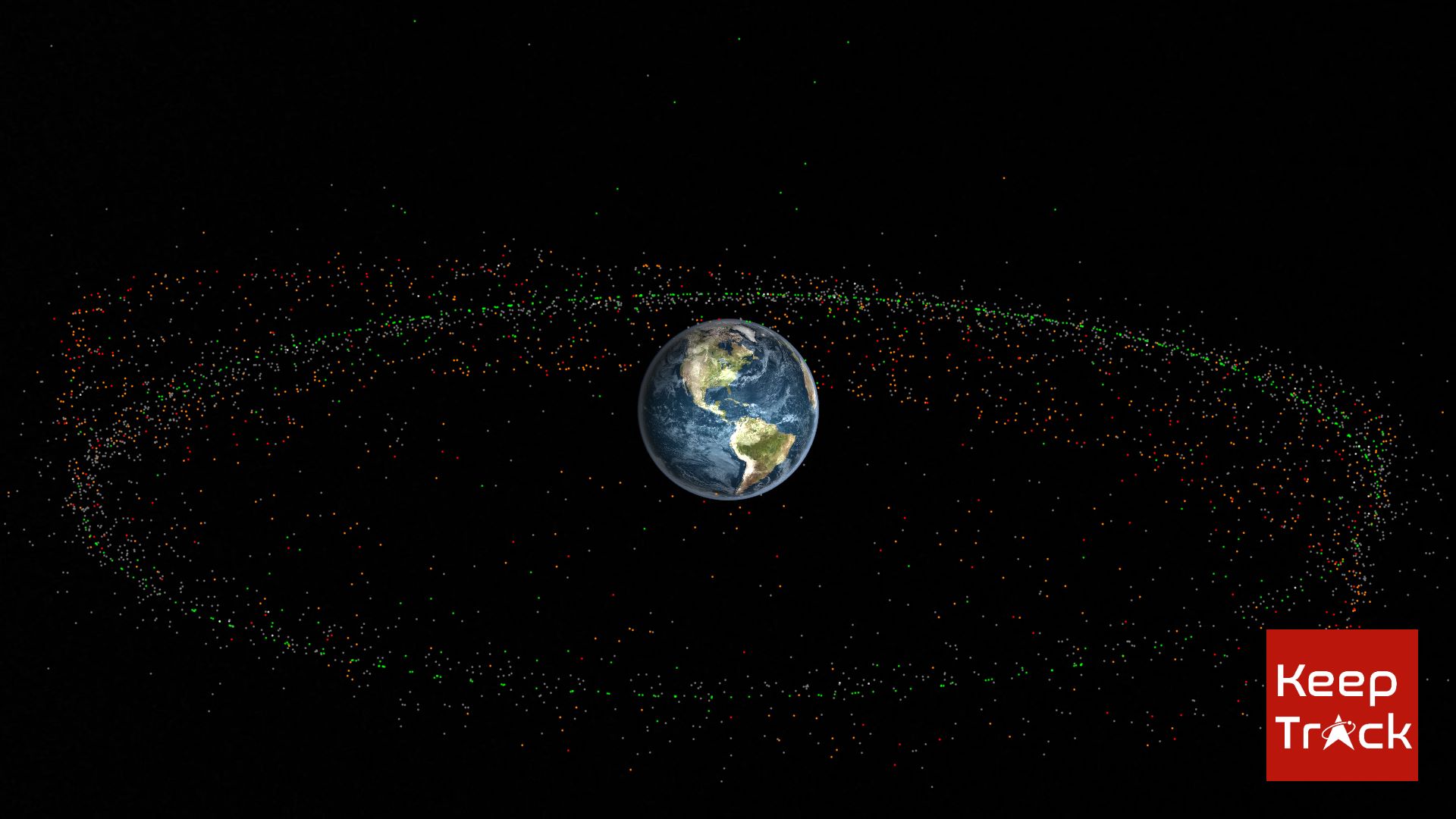
Understanding the unique orbital sweet spot that keeps satellites perfectly positioned above Earth
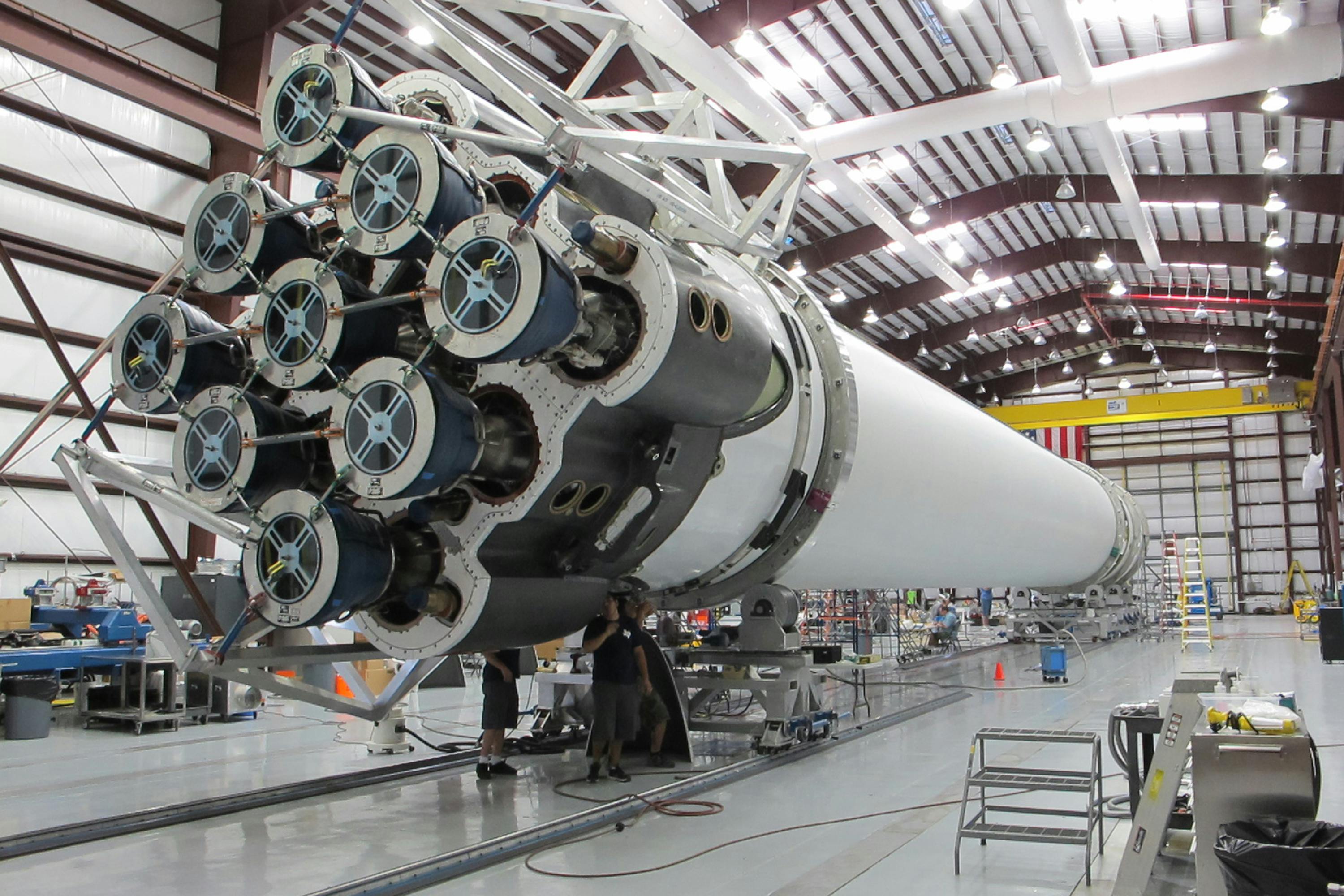
Booster B1067 hit 36 flights on July 9, while SpaceX files to expand Starlink to 100,000 satellites at 4,400 lbs each.

SpaceX launches Maxar's high-resolution imaging satellites, Ontario reconsiders its Starlink contract, and the countdown to NASA's Lunar Trailblazer mission begins.

The Kessler Syndrome threatens humanity's future in space as cascading satellite collisions create exponential debris growth. With 36,000+ tracked objects and recent incidents accelerating risks, we face a critical juncture: implement solutions now or potentially lose access to low Earth orbit forever.

SpaceX successfully launches 28 Starlink satellites on a new Falcon 9 rocket from California, marking a significant milestone for their satellite constellation.

SpaceX successfully launches 23 Starlink satellites, NASA selects SpaceX for astrophysics mission, and Starship Flight 8 advances with Booster 15 static fire.

Today's highlights include Space Force's new satcom design contracts, advances in AI training tools, Pentagon drone policy shifts, and the first Eris launch's failure.