COSMOS 1559 (14998)

COSPAR: 1984-052A | Alt Name: Kosmos-1559

Image
COSMOS 1559 Satellite Image
Additional Sources
Launch Details

Launch Date

May 28, 1984

Launch Site

PLMSC

Launch Pad

LC132/2

Launch Vehicle

Kosmos 11K65M

Orbital Elements

NORAD ID

14998

International Designator

1984-052A

Epoch

Sat, 04 Jul 2026 04:17:38 GMT

Apogee

Calculating...

Perigee

Calculating...

Inclination

74.01°

Right Ascension

160.85°

Eccentricity

Calculating...

Argument of Perigee

95.96°

Period

115.76 min

Mean Motion

12.44 rev/day

Latitude

Calculating...

Longitude

Calculating...

Altitude

Calculating...

Velocity

Calculating...

Polar Plot
3D Visualization
Basic Satellite Info

Name

COSMOS 1559

Alternative Name

Kosmos-1559

Type

Payload

Status

Unknown

Owner

GUKOS

Country

USSR

Constellation

N/A

Related Satellites

Major Events

N/A

Latest TLEs
1 14998U 84052A   26185.17892228 -.00000016  00000-0 -59755-5 0  9996
2 14998  74.0106 160.8511 0024922  95.9570 277.0664 12.43980566911655

Source: Celestrak

Summary
COSMOS 1559 (also known as Kosmos-1559) is a military communication satellite launched on May 28, 1984, from the PLMSC launch site using a Kosmos 11K65M launch vehicle. The satellite measures 0.8 meters in length and diameter with a span of 0.8 meters, and its dry mass is 60 kilograms. It was manufactured by NPOPM for GUKOS and equipped with solar cells and batteries for power generation. The spacecraft's mission lasted approximately 6 months and it was part of the Strela-1M Blok 36 No. 1 payload configuration. The satellite has a polyhedral shape with an RCS (reflective cross-section) value of 0.6922.
Physical Characteristics

Length

0.8

Diameter

0.8

Span

0.8

Dry Mass

60

Launch Mass

60

Shape

Poly

Radar Cross Section

0.6922

Visual Magnitude

Unknown

Color

Unknown

Material Composition

Unknown

Technical Details

Payload

Strela-1M Blok 36 No. 1

Purpose

Military Communication

Mission

Military Communication

Manufacturer

NPOPM

Life Expectancy

6 months

Bus

Strela-1 11F625

Configuration

Unknown

Motor

Unknown

Equipment

Unknown

Power System

Solar cells, batteries

ADCS

Unknown

Transmitter Frequency

Unknown

Map
This tool will help you track the satellite's position and predict its upcoming passes over your location. Simply input the coordinates or click the geolocation button to get started.
Next Pass
Azimuth Elevation Time (Local)
Start Azimuth
Max Elevation
Stop Azimuth
Time Until
Pass Duration

Satellite Articles

View All Posts »

Learn more about satellites and other related topics.

108 Minutes That Changed Everything - and the 20-Year Echo That Followed

108 Minutes That Changed Everything - and the 20-Year Echo That Followed

On April 12, 1961, a 27-year-old Soviet pilot rode a modified ICBM into orbit and came back alive after 108 minutes. Exactly twenty years later, two Americans climbed aboard an untested spacecraft covered in 31,000 ceramic tiles and bet their lives that the math was right.


A Tribute to Albert Einstein

A Tribute to Albert Einstein

Ask anyone on the street who the smartest person ever was, and most will say Albert Einstein. Exactly 71 years ago today, this genius departed from the world. Today, we examine Einstein's innumerable contributions to astronomy and how he shaped space history for years to come.

Space Brief 26 Nov 2024

Space Brief 26 Nov 2024

Today's headlines include new launch schedules, military industrial base challenges, and NASA's exploration of historic Cold War sites. Discover significant space events and satellite insights.

The Pentagon's Mystery Spaceplane Takes Off

The Pentagon's Mystery Spaceplane Takes Off

On April 22, 2010, an Atlas V lifted off from Cape Canaveral carrying a reusable robotic spaceplane so secret that the Air Force would not even confirm its mission duration. It came back 224 days later, lighter, quieter, and more operational than anyone outside Washington had expected. Fifteen years later, the X-37B is still flying, and the military still will not say what it does.

User-Inspired Update

User-Inspired Update

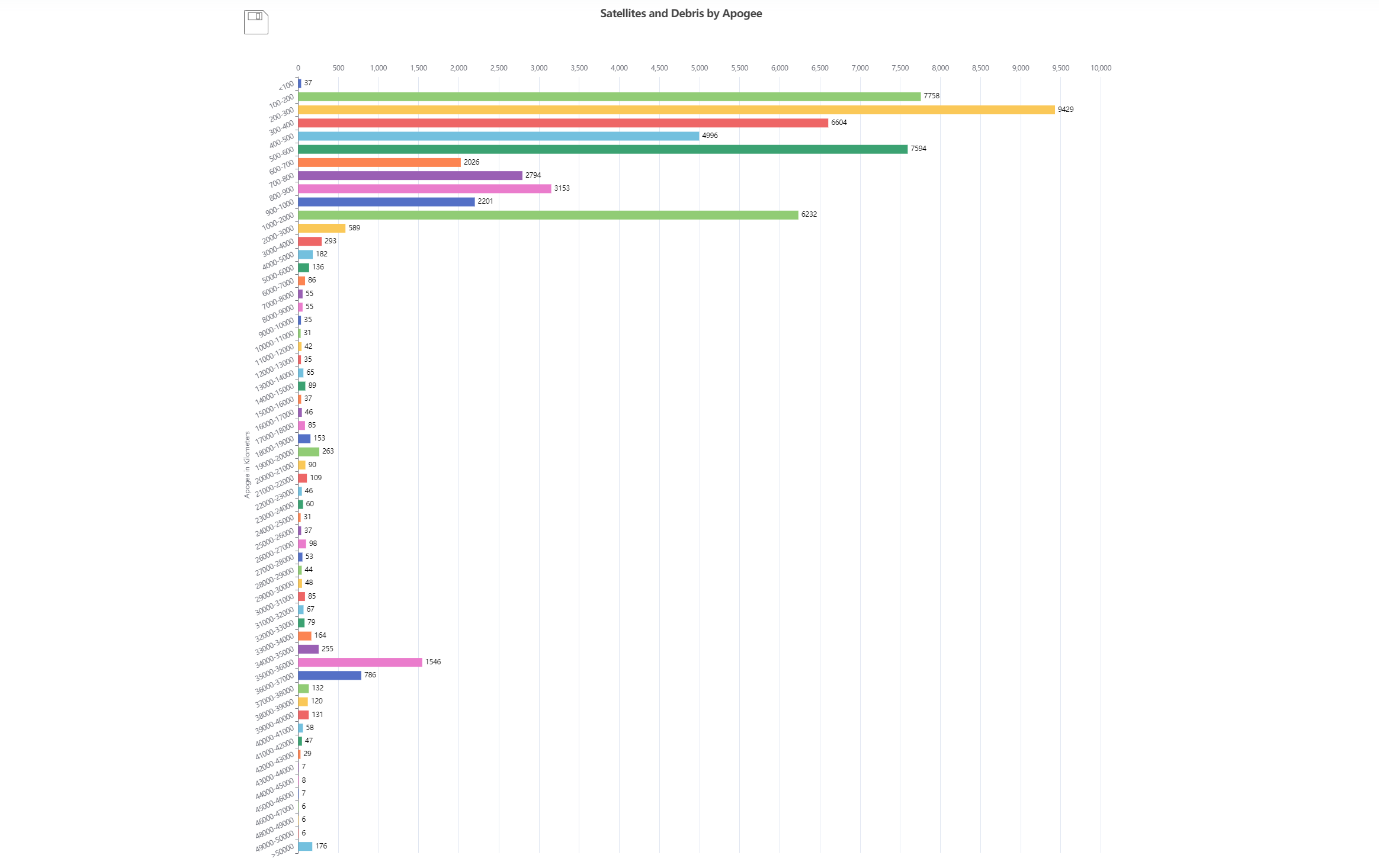
A user suggestion led to the addition of new visualizations for satellites, debris, and unidentified objects across different orbits in KeepTrack.

Growing Threat of Space Junk

Growing Threat of Space Junk

Over 27,000 high-speed pieces of space junk now threaten vital satellites, requiring sophisticated tracking and urgent innovation of orbital debris removal methods like harpoons and nets.

SpaceX Wins $4.16B Space Force Contract, X Report 3 Jun 2026

SpaceX Wins $4.16B Space Force Contract, X Report 3 Jun 2026

SpaceX wins a $4.16 billion Space Force satellite contract to track airborne threats worldwide, while dual-pad launches add 53 Starlink satellites.

China Launches VLEO Alliance With Sats Below 300km | KeepTrack Space Brief

China Launches VLEO Alliance With Sats Below 300km | KeepTrack Space Brief

China formalized a national VLEO industry alliance with multiple satellites sustaining operations below 300 kilometers altitude. Propulsion startups attracting investment.