

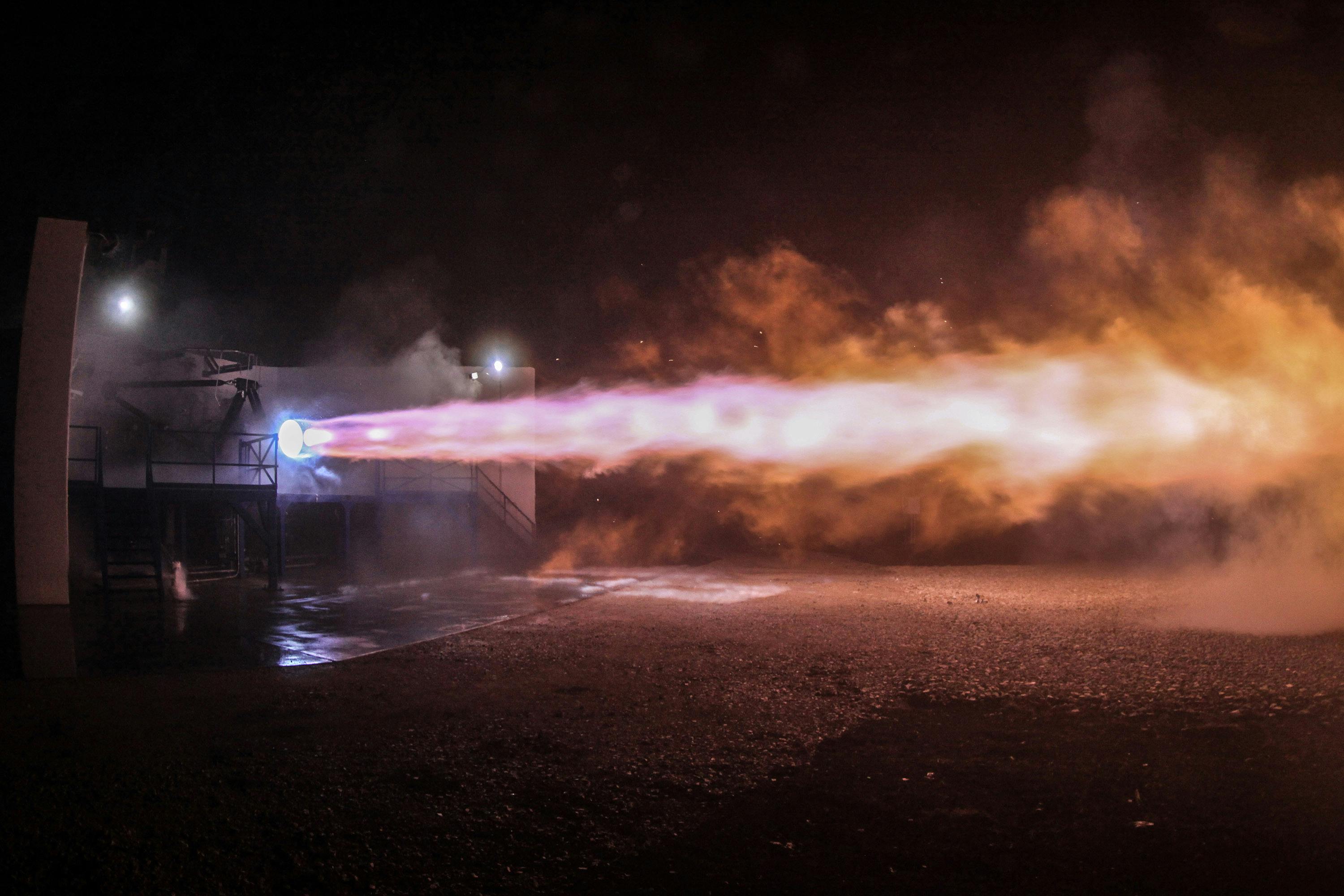
X Report 9 Aug 2025
SpaceX's Crew-10 astronauts are set to return to Earth after a five-month mission, while the company prepares for the launch of 24 new Starlink satellites from Vandenberg Space Force Base.


Launch Date
April 15, 1984
Launch Site
Launch Pad
LC31
Launch Vehicle
Soyuz-U2
NORAD ID
14932
International Designator
1984-038A
Decay Date
5/7/1984
Name
PROGRESS 20
Alternative Name
Progress-20
Type
Status
Owner
NPOE
Country
USSR
Constellation
N/A
Related Satellites
Major Events
N/A
Length
7.9
Diameter
2.7
Span
7.9
Dry Mass
4800
Launch Mass
7250
Shape
Sphere + Cone + Cyl + Pan
Radar Cross Section
24.3
Visual Magnitude
Unknown
Color
Unknown
Material Composition
Unknown
Payload
Progress 7K-TG No. 121
Purpose
Cargo
Mission
Cargo
Manufacturer
NPOE
Life Expectancy
Unknown
Bus
7K-TG
Configuration
Unknown
Motor
KTDU-80
Equipment
Unknown
Power System
Batteries
ADCS
Unknown
Transmitter Frequency
Unknown
Learn more about satellites and other related topics.
SpaceX's Crew-10 astronauts are set to return to Earth after a five-month mission, while the company prepares for the launch of 24 new Starlink satellites from Vandenberg Space Force Base.

SpaceX Starlink launch cadence 2026: missions 26 and 27 lift off 37 minutes apart on March 13, with 25 and 29 satellites per Falcon 9, 54 in one morning.

MDA Space acquires Blue Canyon Technologies for $620 million, and NASA's 2028 Aeolus Mars orbiter goes to a California startup instead of SpaceX.
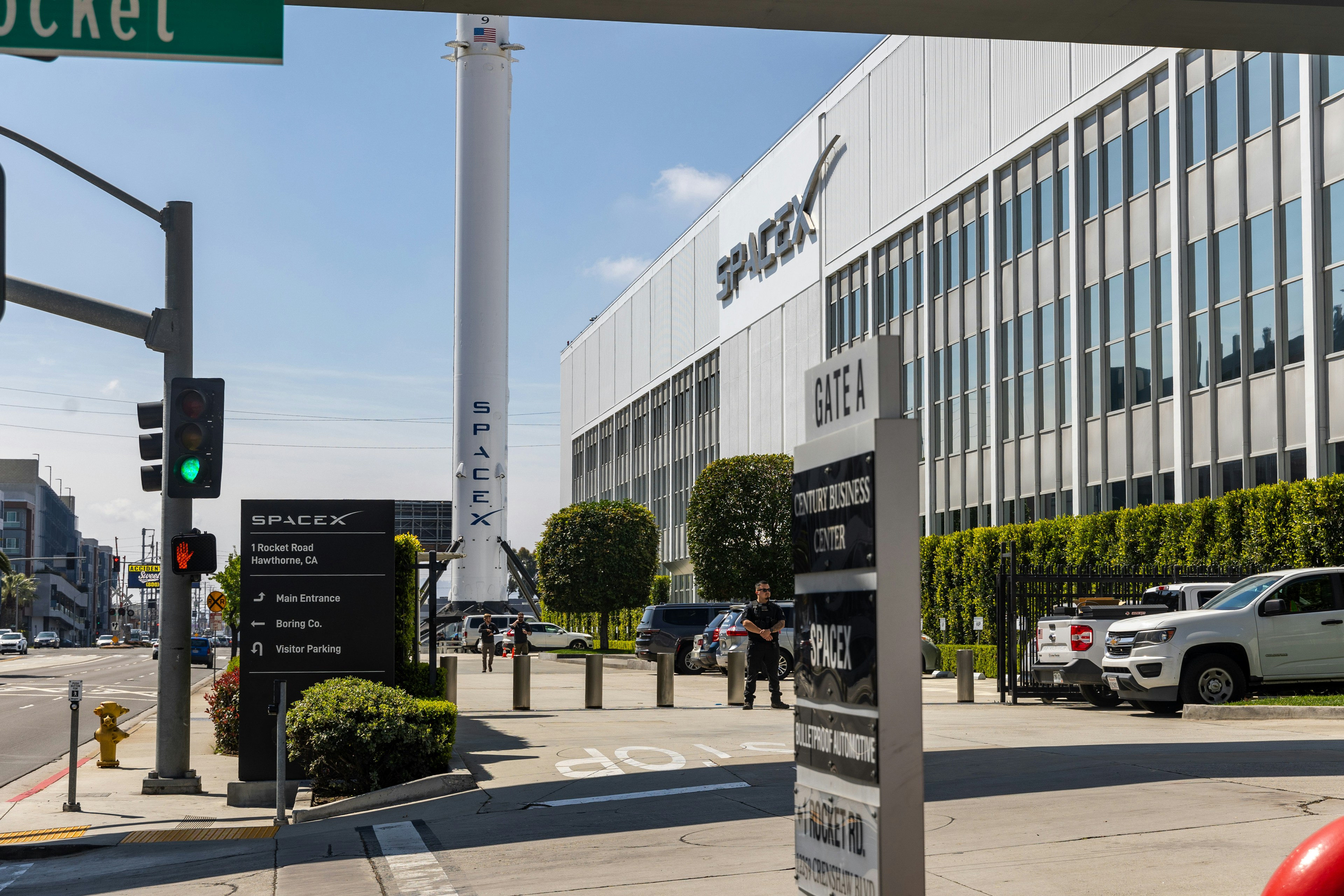
Crew-11 prepares for historic first ISS medical evacuation via Crew Dragon. Lufthansa Group to equip all 850 aircraft with Starlink. Starship infrastructure advances at Starbase and Cape Canaveral.
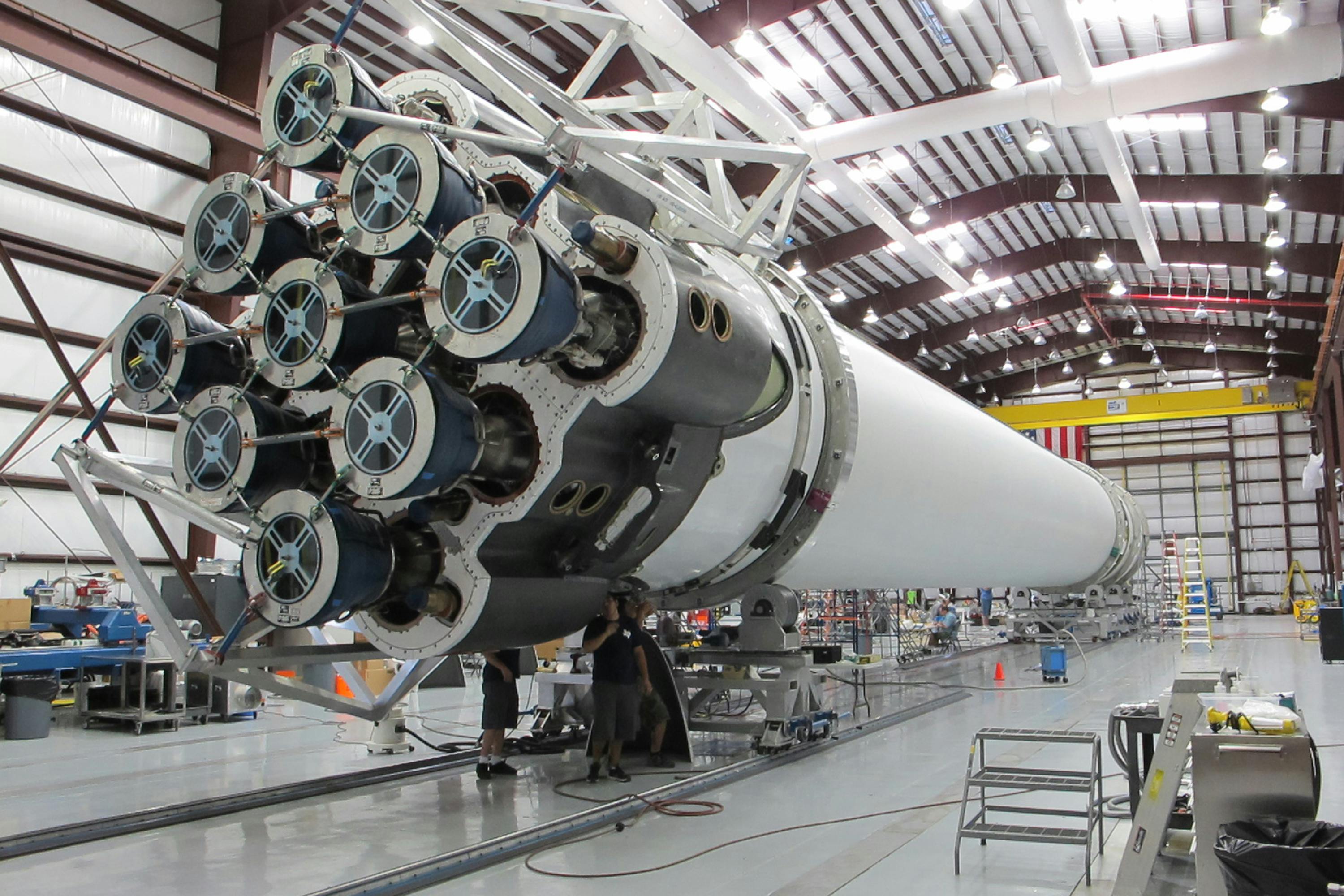
SpaceX faces setbacks with Starship Flight 8 amid debris fallout, achieves regulatory win for smartphone connectivity, and prepares for upcoming ISS missions.
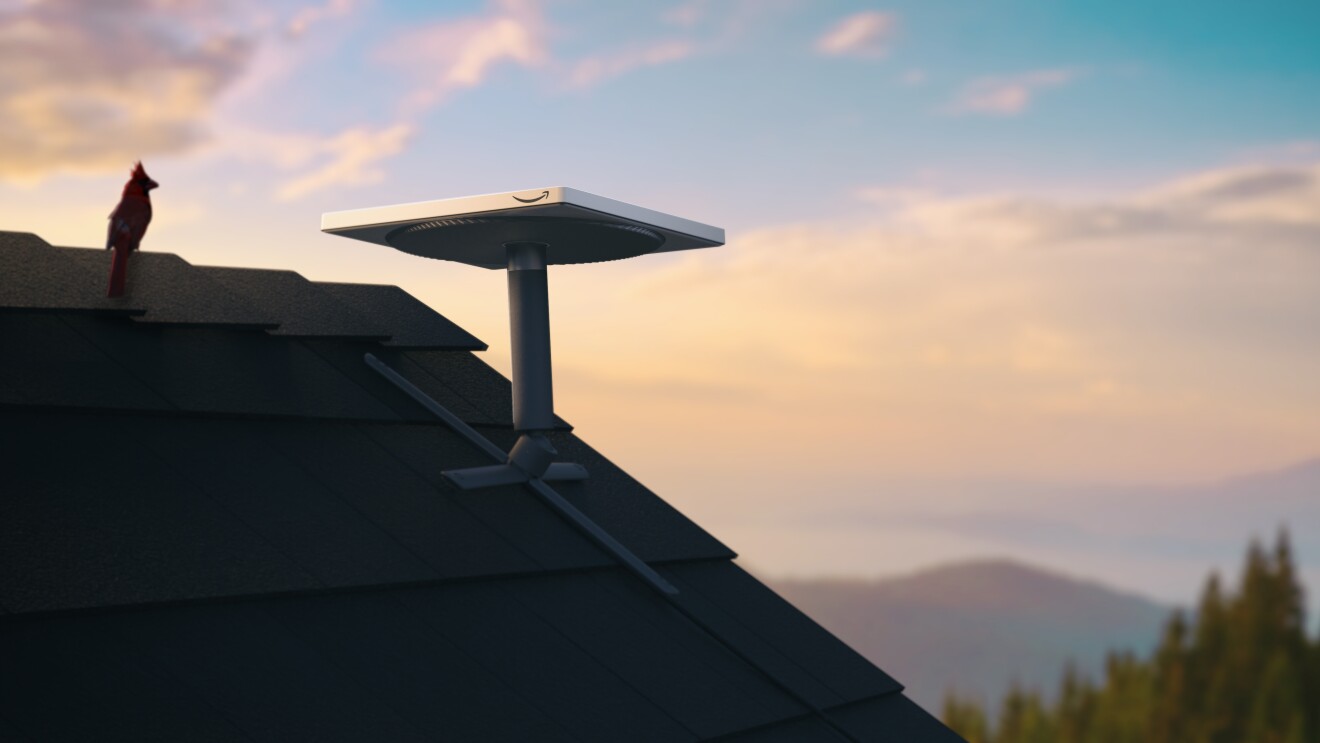
SpaceX awarded $2.29 billion to build Space Force's LEO communications backbone, integrating with SDA Transport layer satellites for military tactical data relay through space.
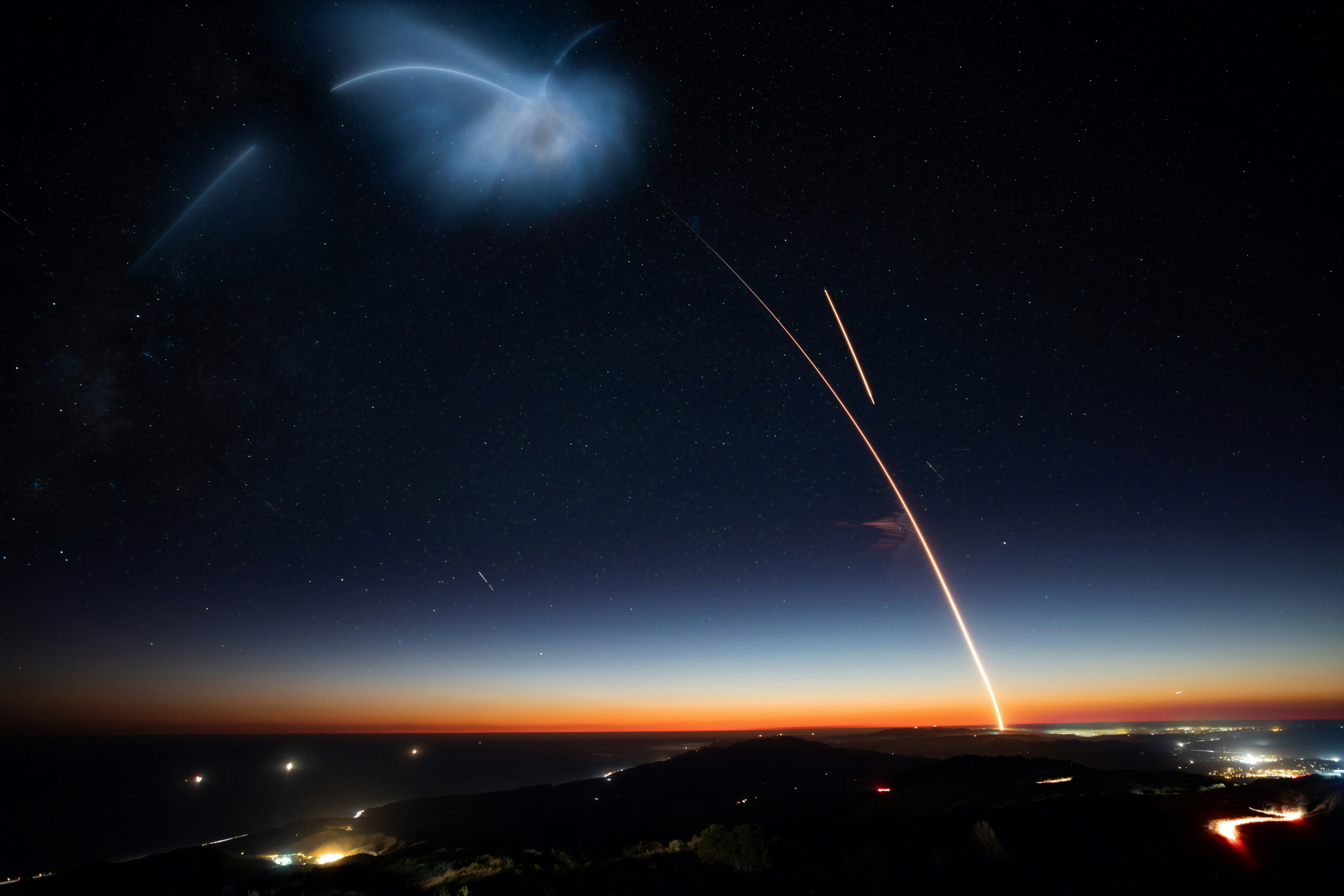
Reports suggest SpaceX considering confidential IPO filing this March at $1.75T+ valuation. Starship may not fly on NASA's revamped Artemis 3 mission. 25 Starlink sats launched.
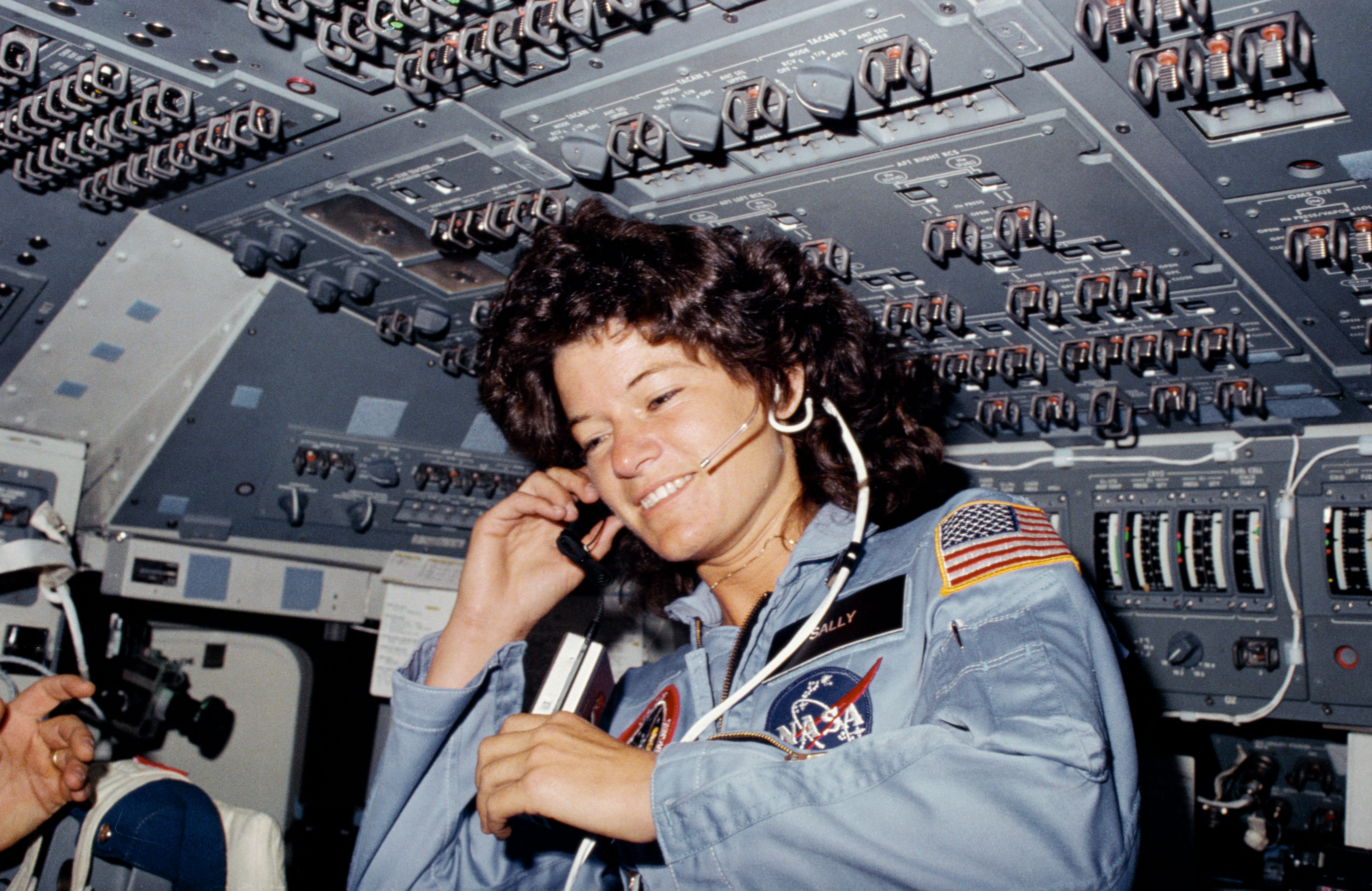
At 7:33 on the morning of 18 June 1983, a 32-year-old astrophysicist named Sally Ride rode Challenger off Pad 39A and became the first American woman in space. She got there two decades after the Soviets, and only after months of being asked whether spaceflight would damage her reproductive organs and whether she planned to cry.