COSMOS 1489 (14256)

COSPAR: 1983-083A | Alt Name: Kosmos-1489
DECAYED

Image
COSMOS 1489 Satellite Image
Additional Sources
Launch Details

Launch Date

August 10, 1983

Launch Pad

LC1

Launch Vehicle

Soyuz-U

Orbital Elements

NORAD ID

14256

International Designator

1983-083A

Decay Date

9/23/1983

Basic Satellite Info

Name

COSMOS 1489

Alternative Name

Kosmos-1489

Type

Payload

Status

Decayed

Owner

GUKOS

Country

USSR

Constellation

N/A

Related Satellites

Major Events

N/A

Summary
COSMOS 1489, also known as Kosmos-1489, is a reconnaissance satellite launched by the Soviet Union on August 10, 1983, from Tyuratam (TYMSC) Launch Pad LC1 using a Soyuz-U launch vehicle. The satellite has a configuration of Yantar Bus with a main reentry module and two small reentry capsules. It measures 6.3 meters in length and diameter, with a span of 6.3 meters and a dry mass of 2886 kg, which is also its launch mass. Equipped with the Zhemchug-18 camera for photo reconnaissance (film return type), COSMOS 1489 was manufactured by TSSKB under the ownership of GUKOS. Its power supply consists of two deployable solar arrays and batteries. The satellite's operational lifetime was 45 days, and it has a shape described as Cone + Cyl with an RCS (Reaction Control System) value of 53.69.
Physical Characteristics

Length

6.3

Diameter

2.7

Span

6.3

Dry Mass

2886

Launch Mass

2886

Shape

Cone + Cyl

Radar Cross Section

53.69

Visual Magnitude

Unknown

Color

Unknown

Material Composition

Unknown

Technical Details

Payload

Oktan No. 12L

Purpose

Reconnaissance, photo (film return type)

Mission

Reconnaissance, photo (film return type)

Manufacturer

TSSKB

Life Expectancy

45 days

Bus

Yantar'-4K1

Configuration

Yantar Bus, main reentry module, 2 small reentry capsules

Motor

Unknown

Equipment

Zhemchug-18 camera

Power System

2 deployable solar arrays, batteries

ADCS

Unknown

Transmitter Frequency

Unknown

Satellite Articles

View All Posts »

Learn more about satellites and other related topics.

The Day Two Astronauts Proved We Could Reach the Moon

The Day Two Astronauts Proved We Could Reach the Moon

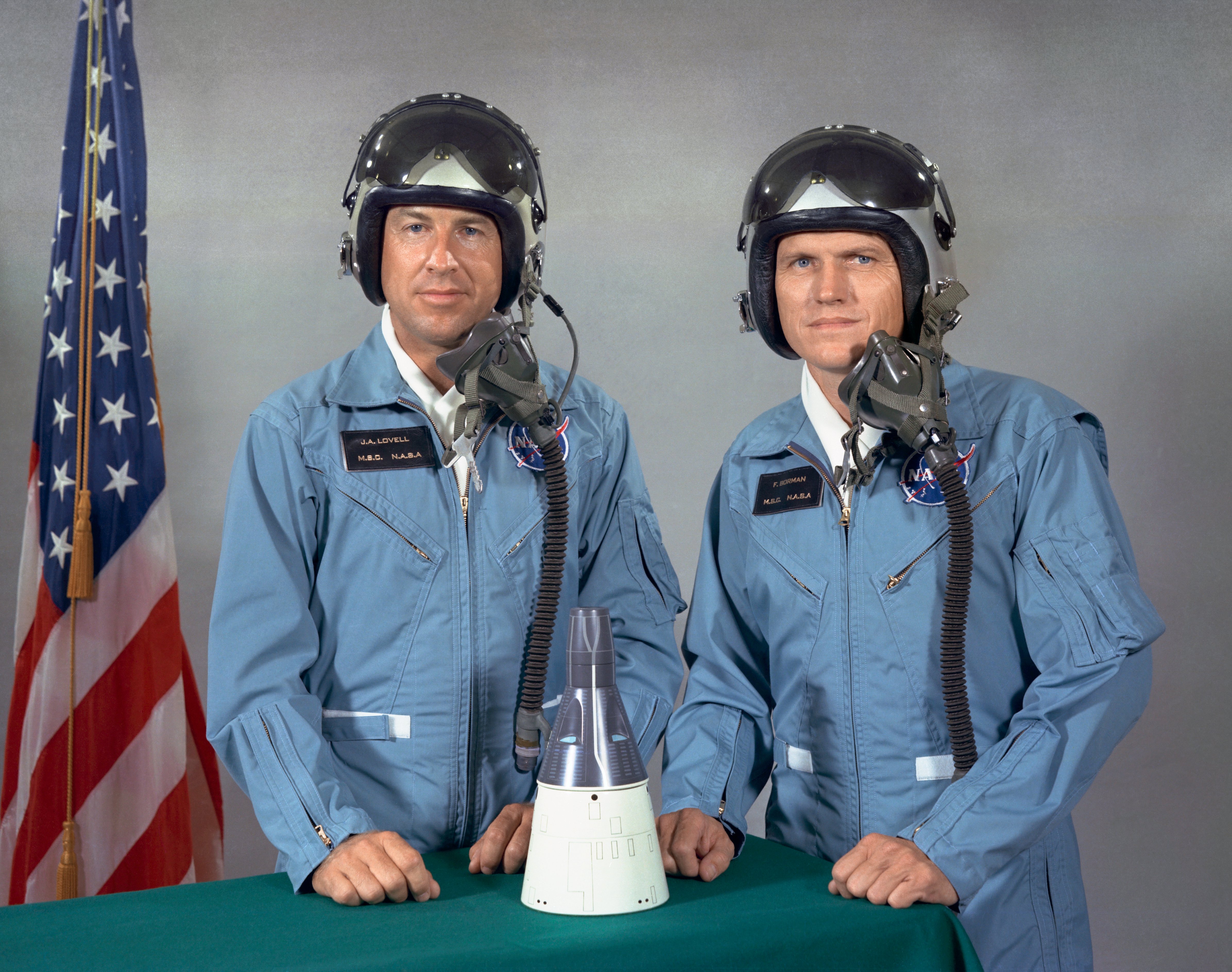
Sixty years ago, Frank Borman and James Lovell launched aboard Gemini 7 for a grueling 14-day mission that would prove humans could endure the journey to the moon and achieve the first true rendezvous in space

X Report 15 Jun 2025

X Report 15 Jun 2025

SpaceX explores new horizons with Starship's point-to-point travel announcement and reports significant Starlink deployment progress.

L3Harris, Sierra Space Win $1.75B Missile-Tracking Satellite Contract | KeepTrack Space Brief

L3Harris, Sierra Space Win $1.75B Missile-Tracking Satellite Contract | KeepTrack Space Brief

L3Harris and Sierra Space awarded $1.75 billion to build 36 missile-tracking satellites for SDA's Tracking Layer constellation. Hypersonic and ballistic missile detection from low Earth orbit.

X Report 30 Aug 2025

X Report 30 Aug 2025

SpaceX impresses with the successful launch of 24 Starlink satellites and shares stunning visuals from the recent Starship Flight 10, which demonstrated remarkable landing precision.

Space Brief 1 Dec 2024

Space Brief 1 Dec 2024

Today's highlights: China's Long March 12 boosts lunar ambitions, SpaceX supports NRO's satellite infrastructure, Firefly prepares lunar mission, and NASA partners with SpaceX for Titan exploration.

Falcon 9 to Lift Cygnus as Artemis II Hits Midpoint | KeepTrack X Report

Falcon 9 to Lift Cygnus as Artemis II Hits Midpoint | KeepTrack X Report

Falcon 9 targets ISS Cygnus resupply as Artemis II reaches its halfway mark and SpaceX HLS commitment draws NASA praise.

Space Force Awards Counter-Surveillance Payload Contracts | KeepTrack Space Brief

Space Force Awards Counter-Surveillance Payload Contracts | KeepTrack Space Brief

Space Force RCO awarded SBIR contracts for radar-detection payloads to counter adversary surveillance of U.S. satellites. Follow-on miniaturization effort already planned.

Etlaq Spaceport

Etlaq Spaceport

The Middle East's first commercial spaceport is building launch heritage one rocket at a time. How Oman is positioning Duqm as a global launch hub - and what the 2025 delays tell us about the real pace of spaceport development.