

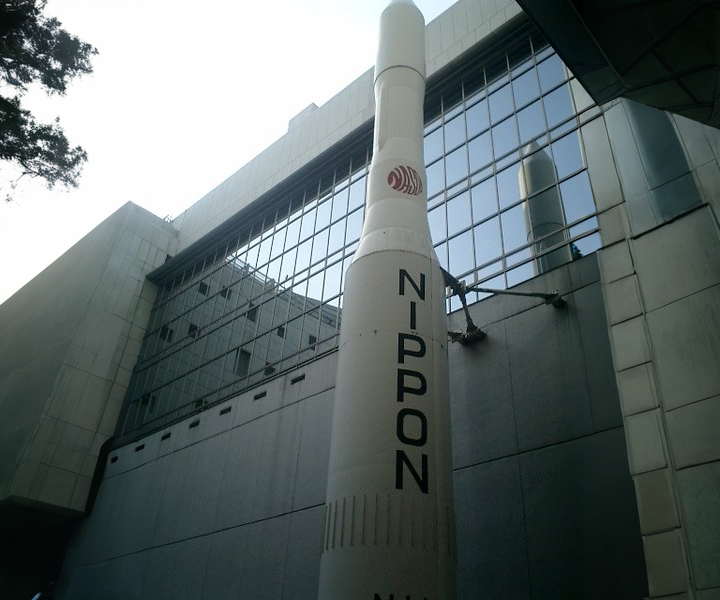
The Day Japan Joined the Geostationary Club
Forty-eight years ago, a pioneering satellite named Kiku 2 propelled Japan into the exclusive group of nations capable of operating satellites in geostationary orbit


Launch Date
July 13, 1983
Launch Site
Launch Pad
LC1
Launch Vehicle
Soyuz-U
NORAD ID
14185
International Designator
1983-071A
Decay Date
7/27/1983
Name
COSMOS 1482
Alternative Name
Kosmos-1482
Type
Status
Owner
GUKOS
Country
USSR
Constellation
N/A
Related Satellites
Major Events
N/A
Length
6
Diameter
2.2
Span
6
Dry Mass
2655
Launch Mass
2655
Shape
Sphere + DCone
Radar Cross Section
12.52
Visual Magnitude
Unknown
Color
Unknown
Material Composition
Unknown
Payload
Argon No. 86L
Purpose
Reconnaissance, photo (film return type)
Mission
Reconnaissance, photo (film return type)
Manufacturer
TSSKB
Life Expectancy
14 days
Bus
Zenit-6
Configuration
Zenit bus
Motor
11D82M; S5.120 (maneuver module)
Equipment
Unknown
Power System
Batteries
ADCS
Unknown
Transmitter Frequency
Unknown
Learn more about satellites and other related topics.
Forty-eight years ago, a pioneering satellite named Kiku 2 propelled Japan into the exclusive group of nations capable of operating satellites in geostationary orbit
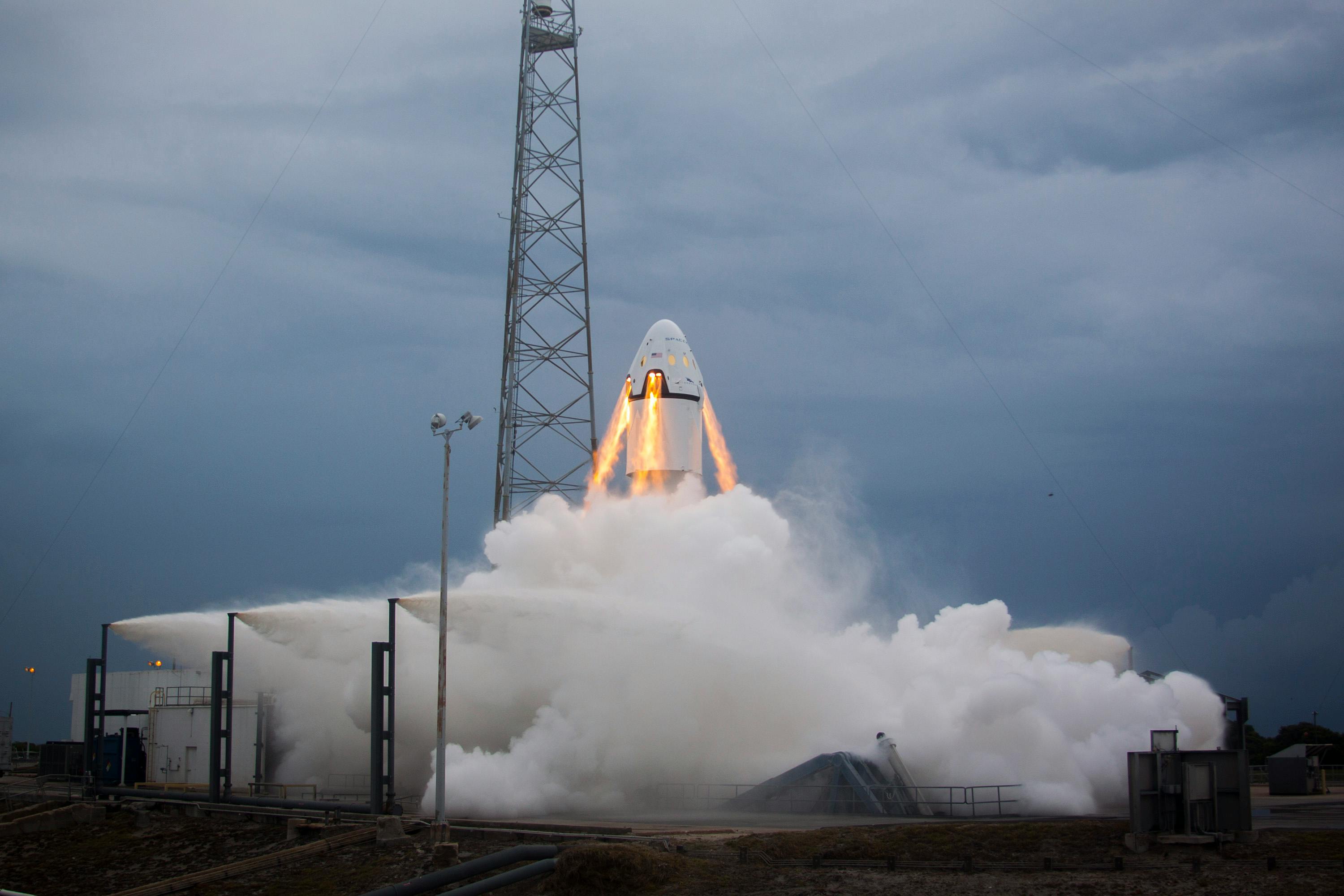
Explore today's space news including Space Force's five-year reflection, Rocket Lab's military hypersonic test, SpaceX's festive launch, and a glimpse at China's strategic space maneuvers.

SpaceX continues to make strides with successful satellite launches and competitive maneuvering in the direct-to-device market, as AST SpaceMobile aligns with Verizon for space-based cellular services.

SpaceX continues its collaboration with the NRO, while gearing up for lunar missions and a contract for NASA's Dragonfly mission to Titan.
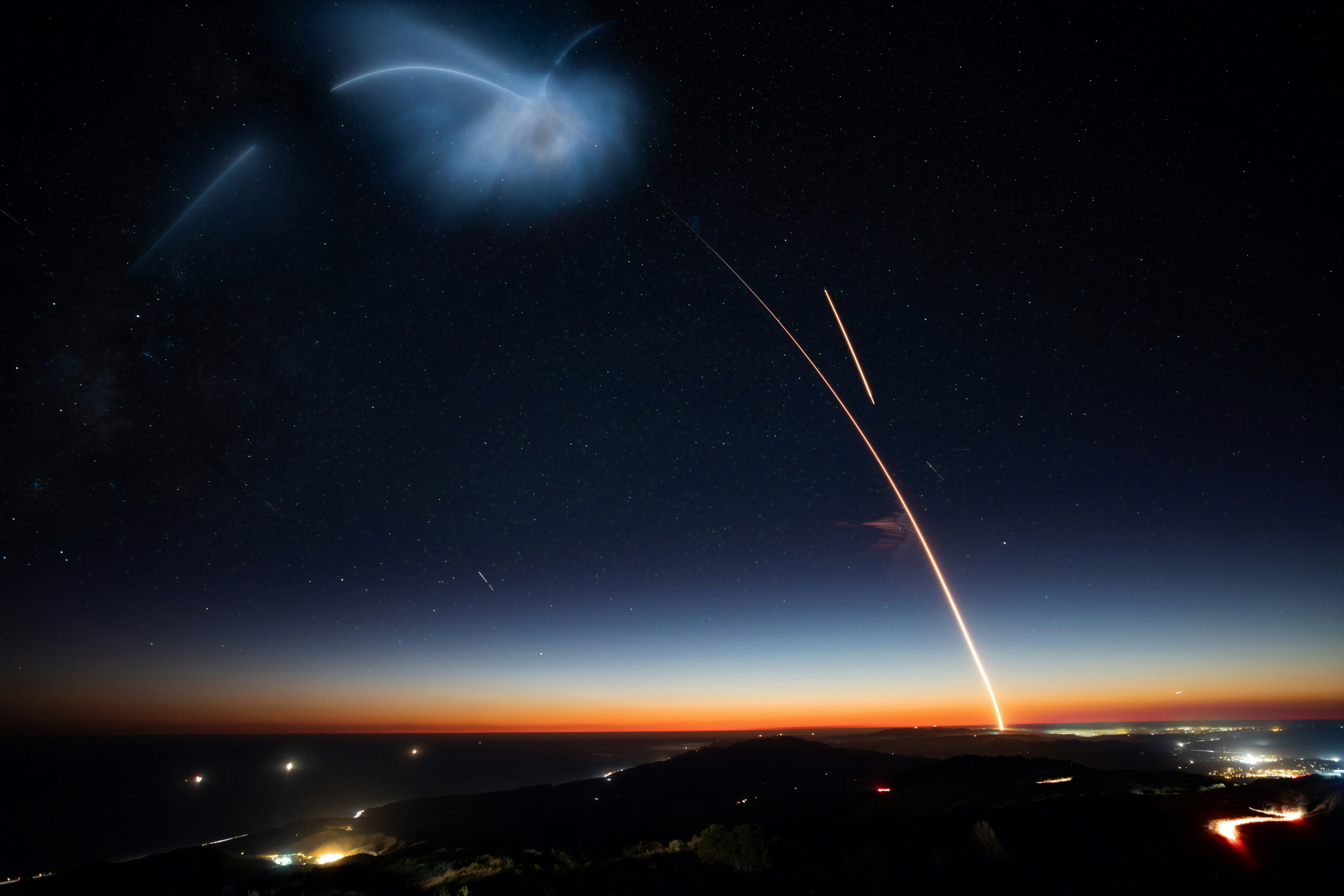
Starship Flight 12 status for May 2026: SpaceX targets mid-May with a revised trajectory, while Starlink 10-38 lofts 29 satellites from Cape Canaveral.

Exciting SpaceX updates include the arrival of Athena moon lander, SPHEREx telescope's upcoming launch, and SpaceX's GigaBay development.
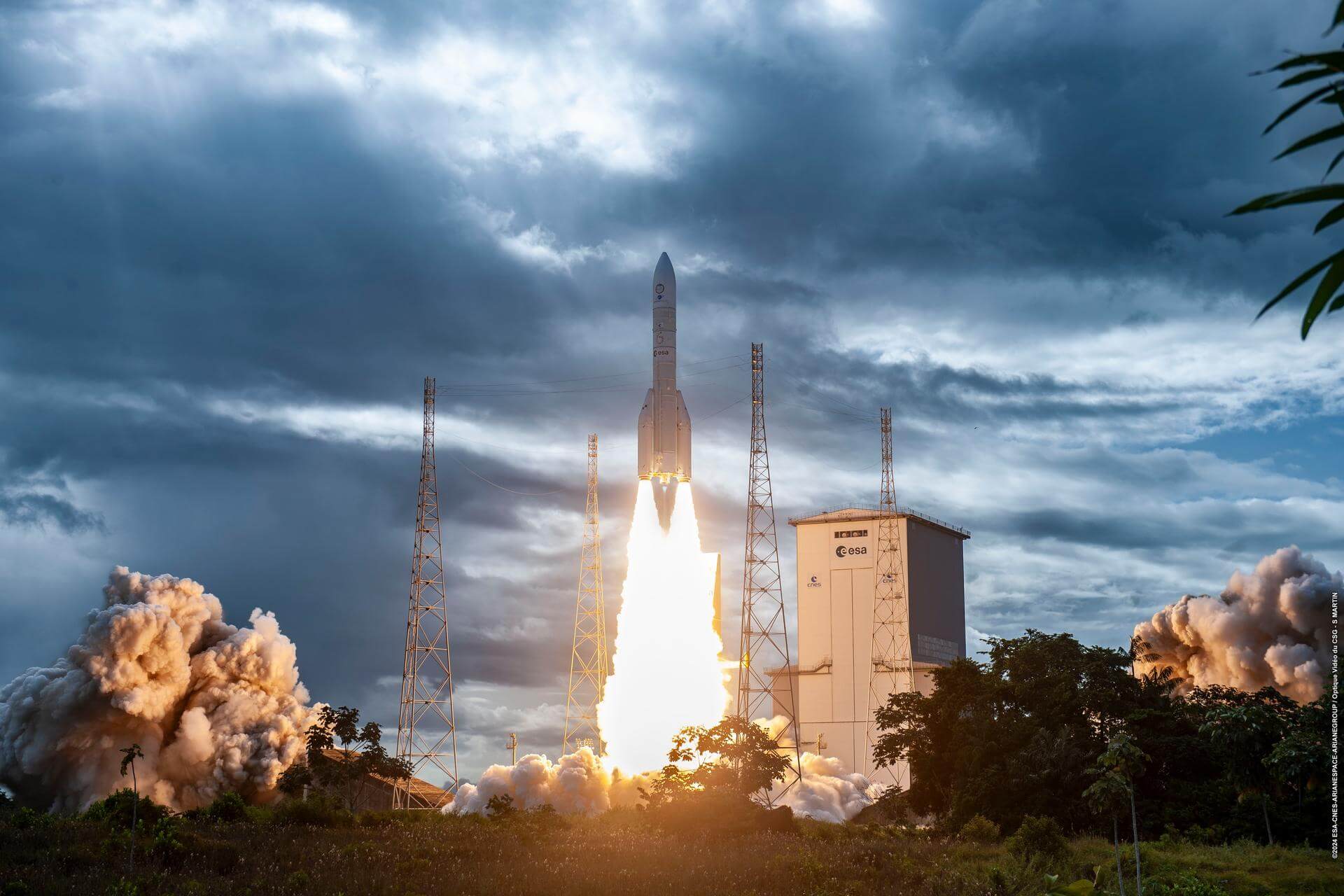
Highlights include US military astronaut rescue drills, China's commercial involvement in lunar missions, ESA's budget proposals, global opposition to space advertising, and NASA lunar landers.

China files ITU paperwork for megaconstellations totaling nearly 200,000 satellites. SpaceX launches first rideshare mission of 2026 from Vandenberg. NASA plans ISS crew medical evacuation.