

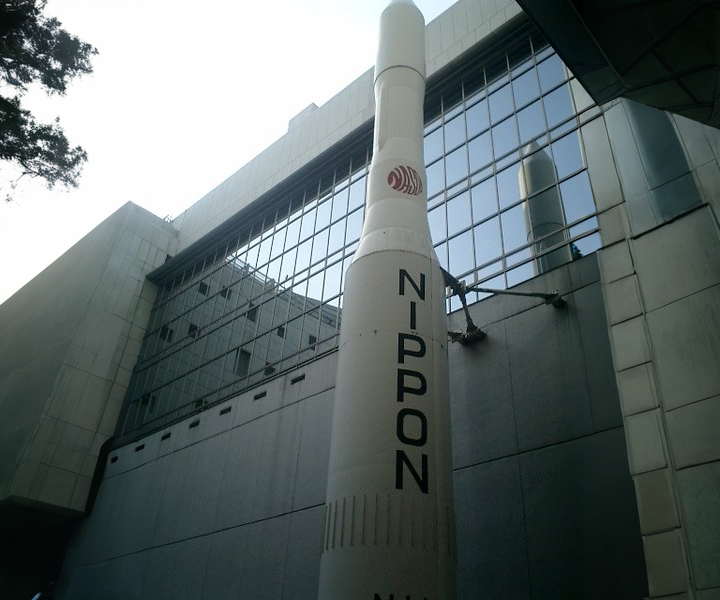
The Day Japan Joined the Geostationary Club
Forty-eight years ago, a pioneering satellite named Kiku 2 propelled Japan into the exclusive group of nations capable of operating satellites in geostationary orbit



Launch Date
April 21, 1982
Launch Site
KYMSC
Launch Pad
LC107/1
Launch Vehicle
Kosmos 11K65M
NORAD ID
13862
International Designator
1982-034W
Decay Date
2/26/1983
Name
COSMOS 1351 DEB
Alternative Name
Kosmos-1351 SS 19
Type
Status
Owner
PVO
Country
USSR
Constellation
N/A
Related Satellites
Major Events
N/A
Length
0.2
Diameter
0.2
Span
0.2
Dry Mass
5
Launch Mass
5
Shape
Sphere
Radar Cross Section
Unknown
Visual Magnitude
Unknown
Color
Unknown
Material Composition
Unknown
Payload
ESO
Purpose
Unknown
Mission
Unknown
Manufacturer
YUZH
Life Expectancy
Unknown
Bus
ESO
Configuration
Unknown
Motor
Unknown
Equipment
Unknown
Power System
Unknown
ADCS
Unknown
Transmitter Frequency
Unknown
Learn more about satellites and other related topics.
Forty-eight years ago, a pioneering satellite named Kiku 2 propelled Japan into the exclusive group of nations capable of operating satellites in geostationary orbit
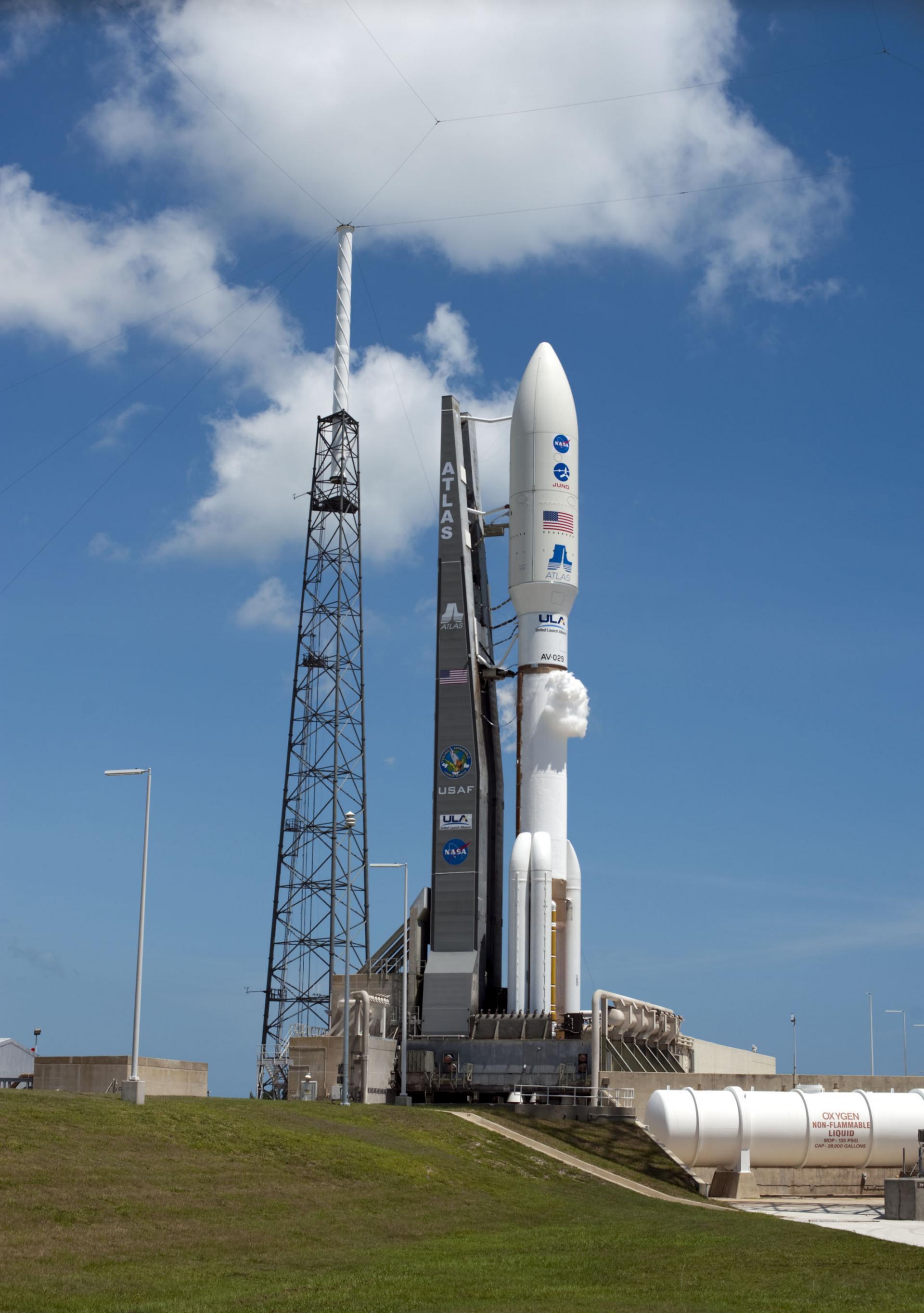
Today's highlights include China's Yaogan-40 satellite launch, military contracts for rocket studies, and SpaceX's 500th booster landing.
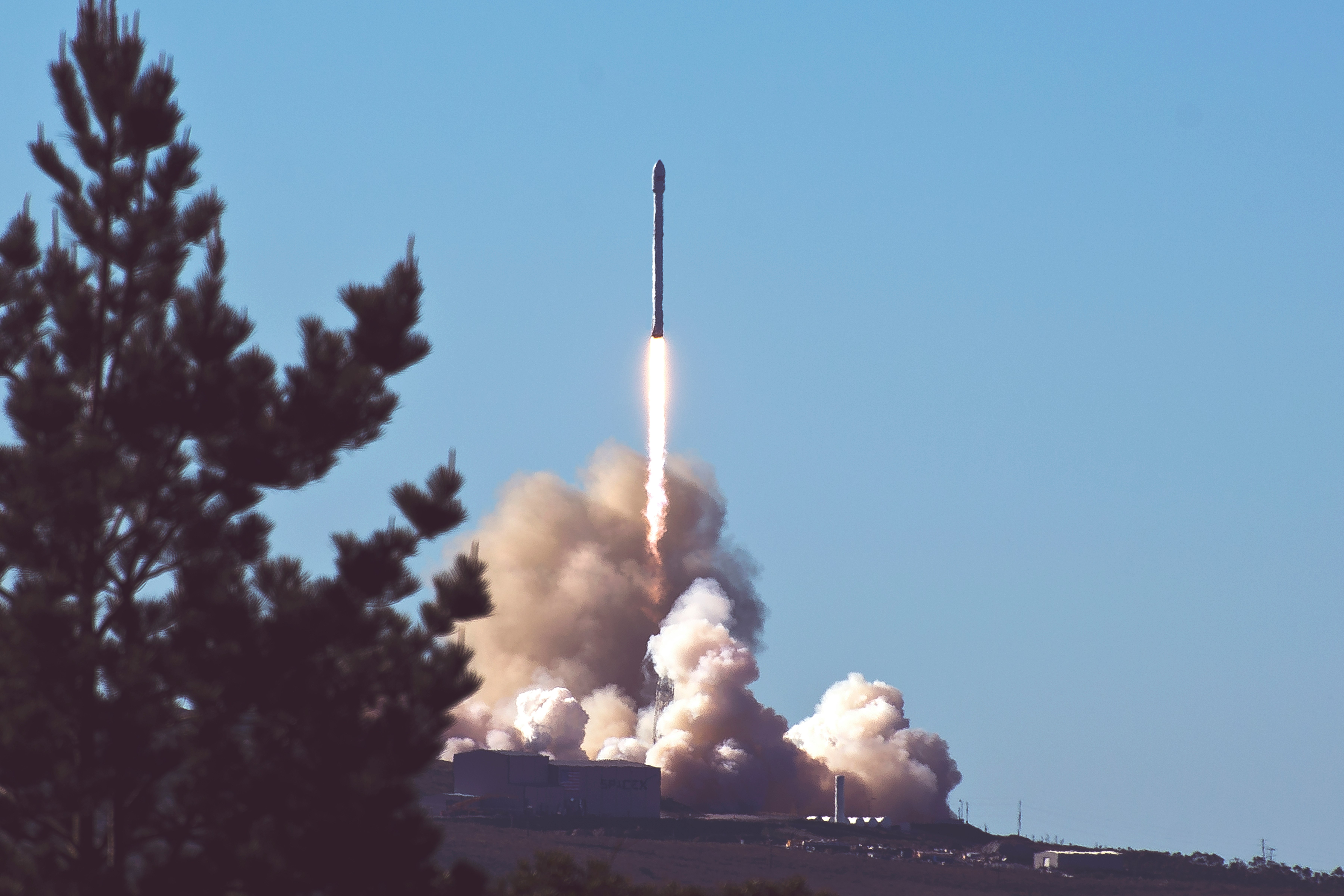
SpaceX successfully launched 28 Starlink satellites and settled a lawsuit, while Starlink's performance faces scrutiny in Ukraine. Additionally, MTN is enhancing Starlink's business services.
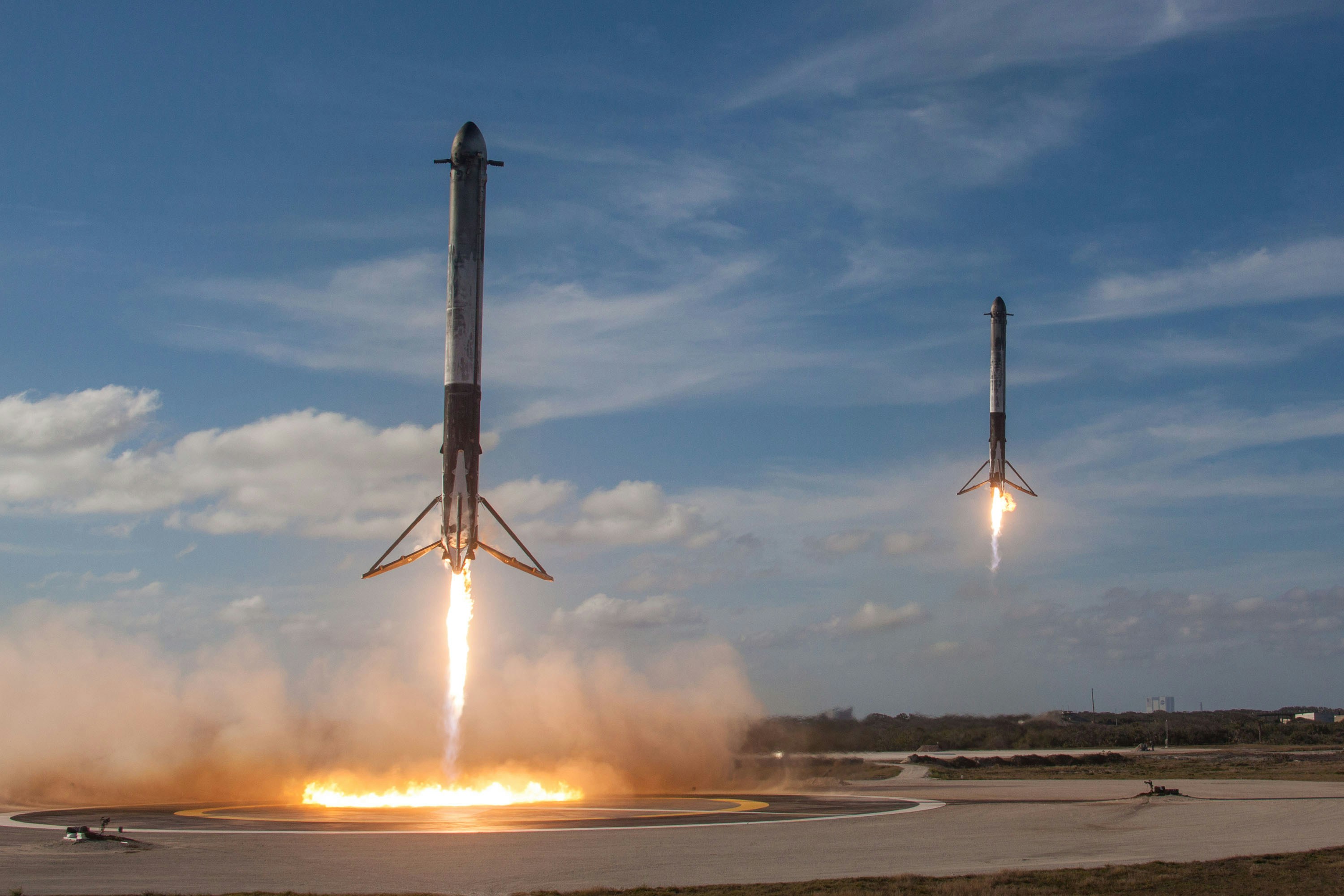
SpaceX is exploring alternative options for static fire tests amid infrastructure setbacks, emphasizing their adaptability in operations.

Key updates today focus on SpaceX's latest satellite launch for the U.S. military, critical space resource assessments by the U.S. Space Force, and new developments in space infrastructure and equipment for defense operations.

SpaceX embarks on another milestone as it prepares to launch an advanced GPS satellite for the U.S. Space Force today, aiming for a record 170 launches this year.
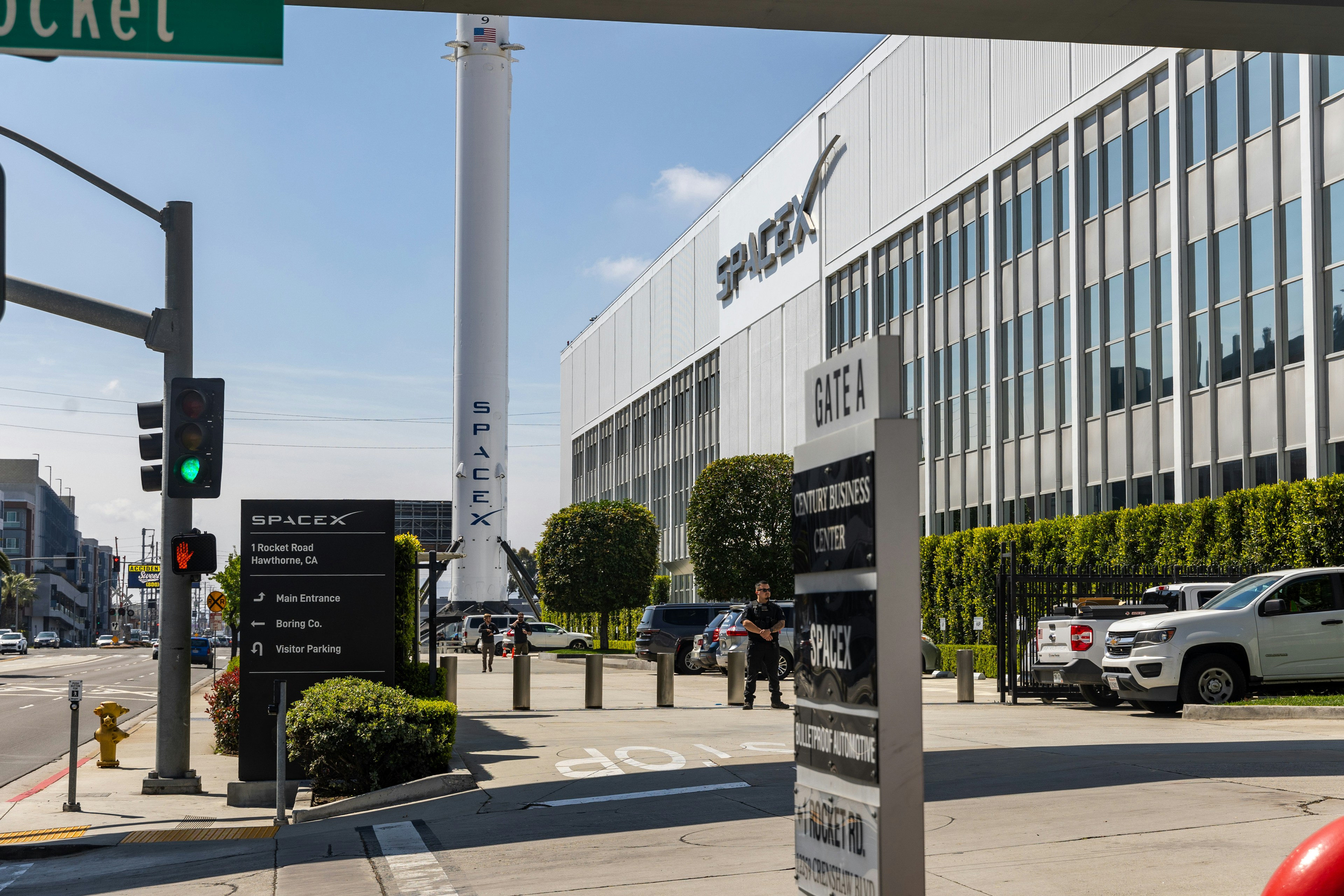
Starlink direct-to-device competition unites AT&T, Verizon, and T-Mobile for the first time as SpaceX's 10,354 working satellites reshape mobile coverage.

Explore the dynamic realms of Earth's orbits, from LEO to GEO, unraveling the crucial roles they play in global communication, navigation, and surveillance.