


Space Brief 17 Jun 2025
Today's space brief covers key developments in satellite monitoring, U.K. defense contracts, and critical licensing reforms supporting national security.


Launch Date
August 30, 1982
Launch Site
Launch Pad
LC90
Launch Vehicle
Tsiklon-2
NORAD ID
13441
International Designator
1982-084A
Decay Date
1/23/1983
Name
COSMOS 1402
Alternative Name
Kosmos-1402
Type
Status
Owner
VMF
Country
USSR
Constellation
N/A
Related Satellites
Major Events
N/A
Length
5.8
Diameter
1.3
Span
5.8
Dry Mass
1154
Launch Mass
1154
Shape
Cyl
Radar Cross Section
7.72
Visual Magnitude
Unknown
Color
Unknown
Material Composition
Unknown
Payload
US-A No. 332
Purpose
Ocean surveillance, active radar
Mission
Ocean surveillance, active radar
Manufacturer
KOMET
Life Expectancy
Unknown
Bus
US-A reactor
Configuration
US-Bus
Motor
Unknown
Equipment
Radar
Power System
BES-5 nuclear reactor
ADCS
Unknown
Transmitter Frequency
Unknown
Learn more about satellites and other related topics.
Today's space brief covers key developments in satellite monitoring, U.K. defense contracts, and critical licensing reforms supporting national security.
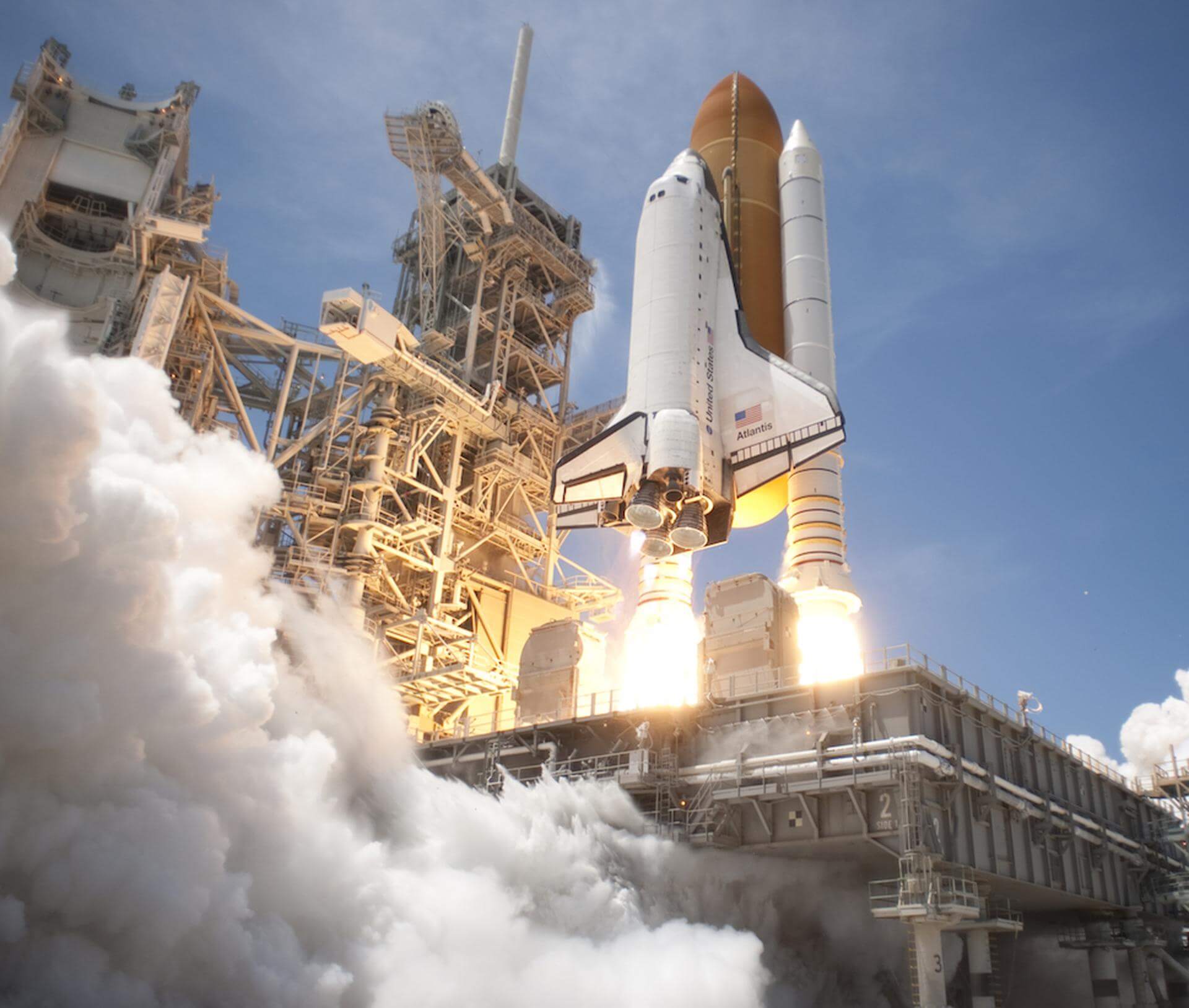
Boeing CST-100 Starliner faces up to one year delay before return-to-flight. NASA safety panel cites unresolved technical problems since mid-2024 crewed test.

Tensions between SpaceX and the U.S. government escalate as President Trump's threats could have significant implications on the company's operations and future plans. Meanwhile, India takes a significant step in its space endeavors with a historic astronaut launch.

Space Force projects 25 additional high-energy missions in 2027–2029 window, straining capacity at Vulcan and Falcon Heavy. Capacity constraints will drive military-NASA prioritization debates.

SpaceX awarded $2.29 billion to build Space Force's LEO communications backbone, integrating with SDA Transport layer satellites for military tactical data relay through space.

Today's briefing covers the Space Force's plans for future launches, new initiatives in missile defense, and the latest on military and aerospace advancements.

Today's brief highlights key developments in space technology, military space activities, and satellite refueling initiatives. Discover the latest on GEO satellite refueling, Blue Origin's New Glenn, and more.
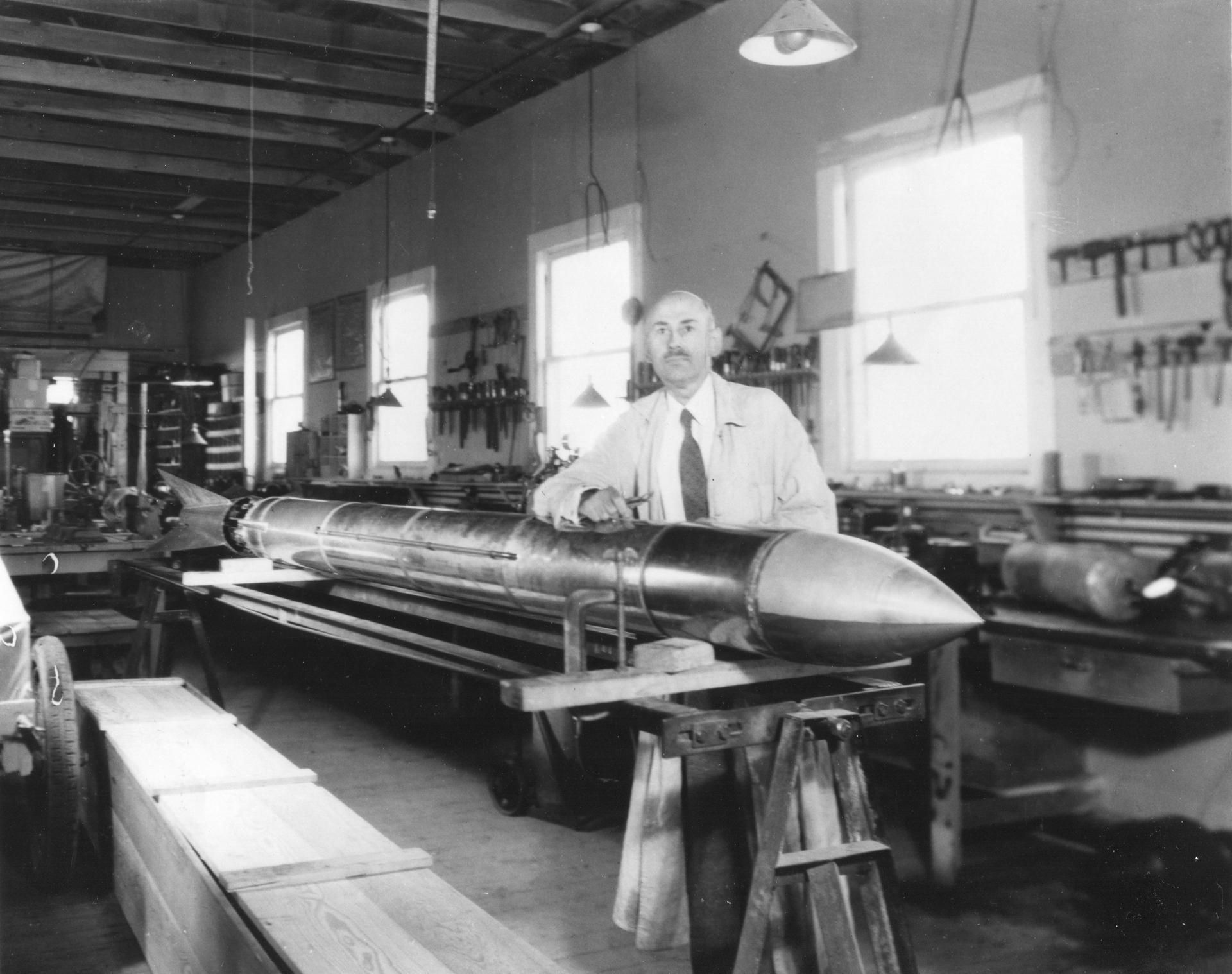
On February 2, 1909, Robert Goddard made a revolutionary breakthrough in his notebook: liquid oxygen and liquid hydrogen could achieve 50% efficiency in converting heat energy to kinetic energy for rocket propulsion