

Space Brief 30 Sep 2025
Today's briefing covers China's rapid satellite launch activities, new Pentagon contracts for rocket motors, the Dream Chaser spaceplane's upcoming flight, and more.


Launch Date
November 4, 1980
Launch Site
Launch Pad
LC90
Launch Vehicle
Tsiklon-2
NORAD ID
13336
International Designator
1980-089AF
Decay Date
3/16/1986
Name
COSMOS 1220 DEB
Alternative Name
deb Kosmos-1220
Type
Status
Owner
VMF
Country
USSR
Constellation
N/A
Related Satellites
Major Events
N/A
Length
0
Diameter
0
Span
0
Dry Mass
0
Launch Mass
0
Shape
N/A
Radar Cross Section
0.0195
Visual Magnitude
Unknown
Color
Unknown
Material Composition
Unknown
Payload
Unknown
Purpose
Unknown
Mission
Unknown
Manufacturer
Unknown
Life Expectancy
Unknown
Bus
Unknown
Configuration
Unknown
Motor
Unknown
Equipment
Unknown
Power System
Unknown
ADCS
Unknown
Transmitter Frequency
Unknown
Learn more about satellites and other related topics.
Today's briefing covers China's rapid satellite launch activities, new Pentagon contracts for rocket motors, the Dream Chaser spaceplane's upcoming flight, and more.
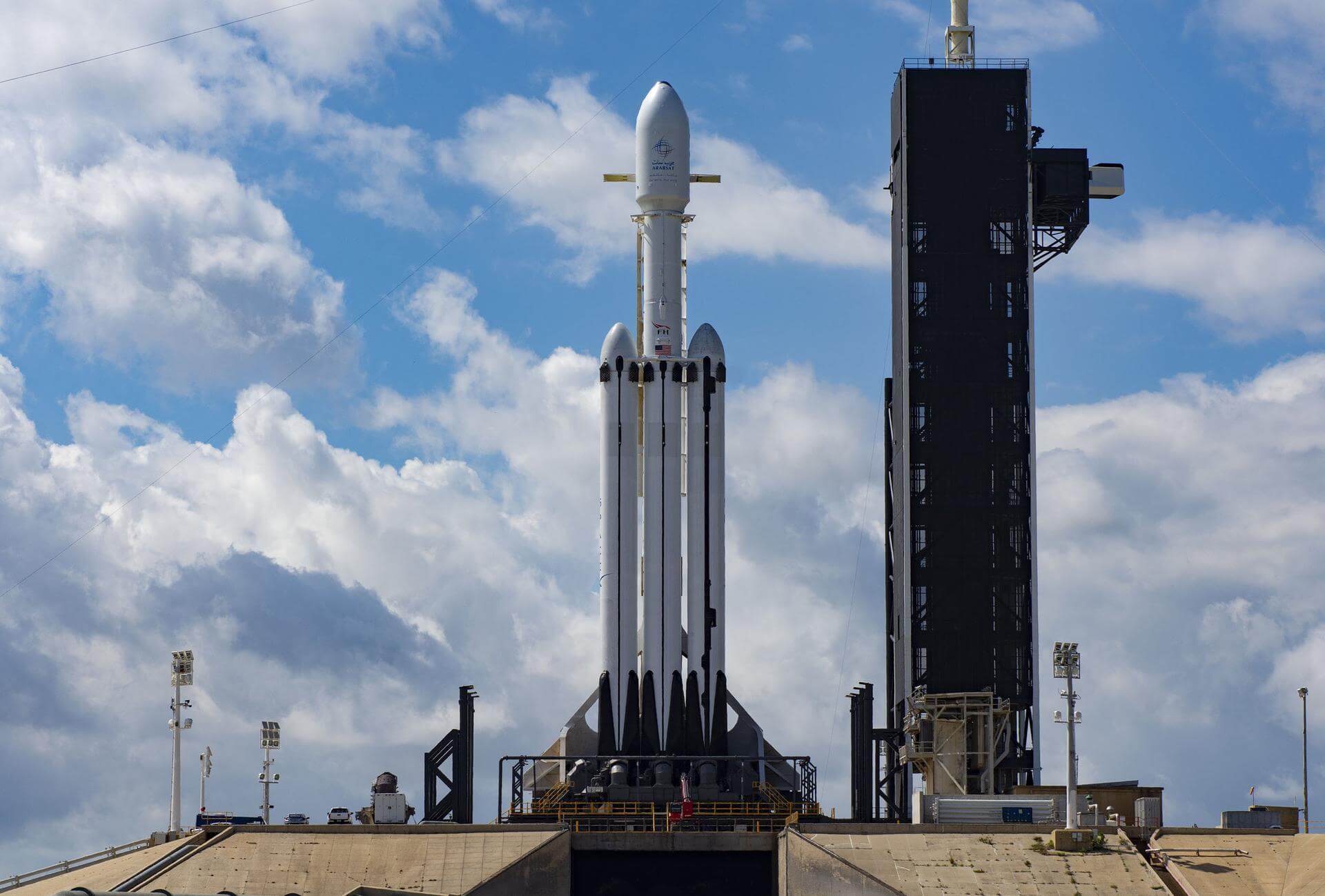
Pentagon requests $8 billion for space-based moving target tracking constellation in FY2027 budget. New NORAD IDs expected as Space Force expands orbital ISR capabilities.

Rocket Lab secures $190M Pentagon deal for 20 hypersonic test flights over 4 years using Electron. Five missions annually trackable via Space-Track.

SpaceX hits a new milestone with 400 rocket landings, beta testing begins for Direct-to-Cell Starlink satellites, and more Starlink launches from California.

Today's briefing covers significant events including launch delays for SpaceX's Starship and Blue Origin's New Glenn, BepiColombo's landmark Mercury flyby, and the impact of Los Angeles fires on the space community.
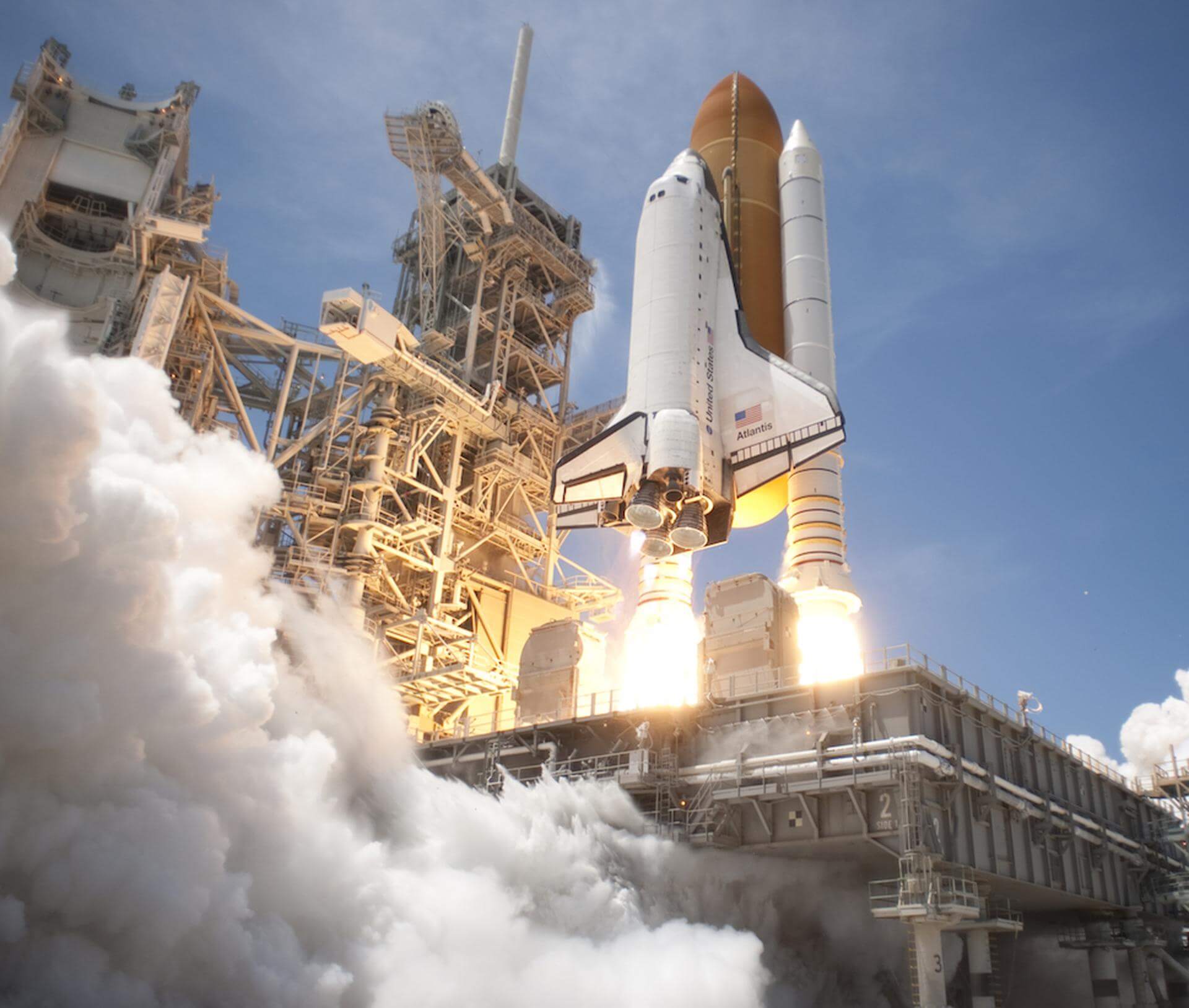
Boeing CST-100 Starliner faces up to one year delay before return-to-flight. NASA safety panel cites unresolved technical problems since mid-2024 crewed test.
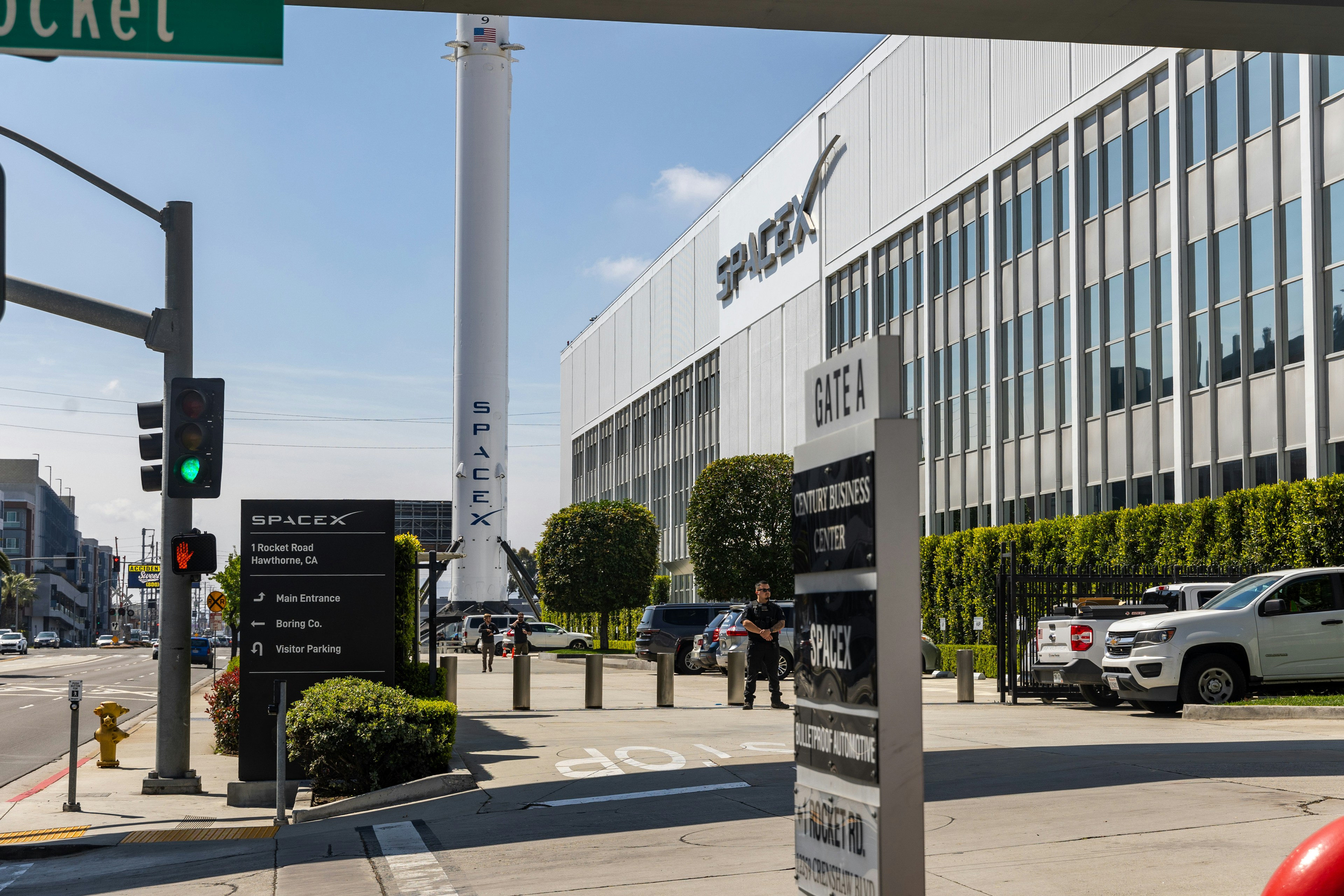
SpaceX's Crew-10 mission safely docks with the ISS, setting up for a crew rotation. Starlink continues its global expansion with additional satellite deployments.
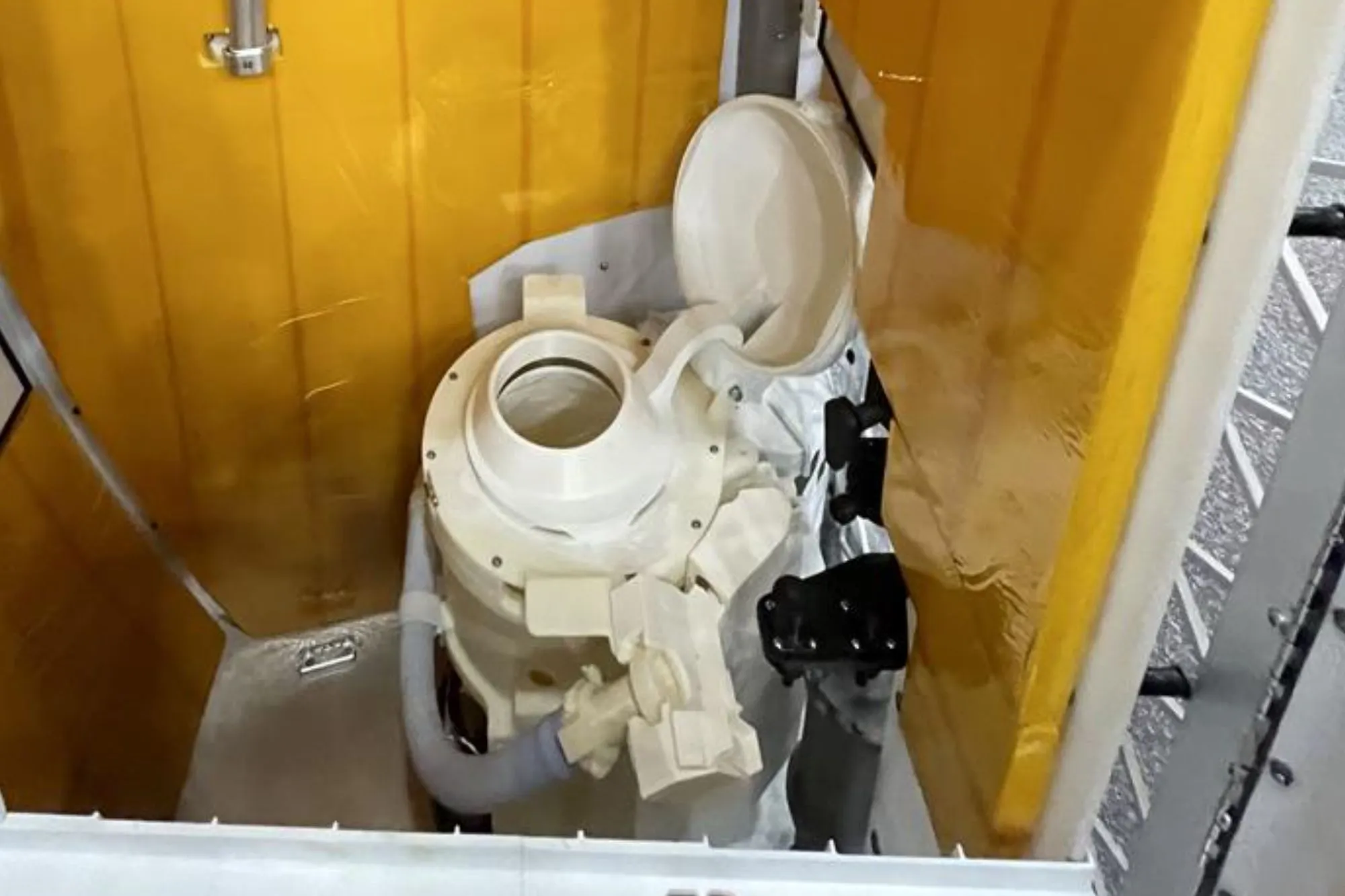
Sixty years of space toilet engineering, a decade of development, and a $30 million contract - and the Artemis II crew still had to pee in bags on Day 1.