


Space Brief 27 Aug 2024
Today's highlights include the destruction of ABL Space Systems' rocket due to engine leaks, Firefly Aerospace's lunar lander pre-launch tests, and insights on U.S. military's space domain awareness enhancements.


Launch Date
February 25, 1979
Launch Site
Launch Pad
LC31
Launch Vehicle
Soyuz-U
NORAD ID
11281
International Designator
1979-018A
Decay Date
6/13/1979
Name
SOYUZ 32
Alternative Name
Soyuz-32
Type
Status
Owner
NPOE
Country
USSR
Constellation
N/A
Related Satellites
Major Events
N/A
Apologies, there is no summary for this satellite yet. I am working to generate these for every object in the catalog, but it is going to take time.
Length
7.2
Diameter
2.2
Span
7.2
Dry Mass
2850
Launch Mass
2850
Shape
Sphere + Cone + Cyl
Radar Cross Section
Unknown
Visual Magnitude
Unknown
Color
Unknown
Material Composition
Unknown
Payload
Soyuz 7K-T No. 48
Purpose
Unknown
Mission
Unknown
Manufacturer
NPOE
Life Expectancy
Unknown
Bus
7K-T
Configuration
Unknown
Motor
Unknown
Equipment
Unknown
Power System
Unknown
ADCS
Unknown
Transmitter Frequency
Unknown
Learn more about satellites and other related topics.
Today's highlights include the destruction of ABL Space Systems' rocket due to engine leaks, Firefly Aerospace's lunar lander pre-launch tests, and insights on U.S. military's space domain awareness enhancements.
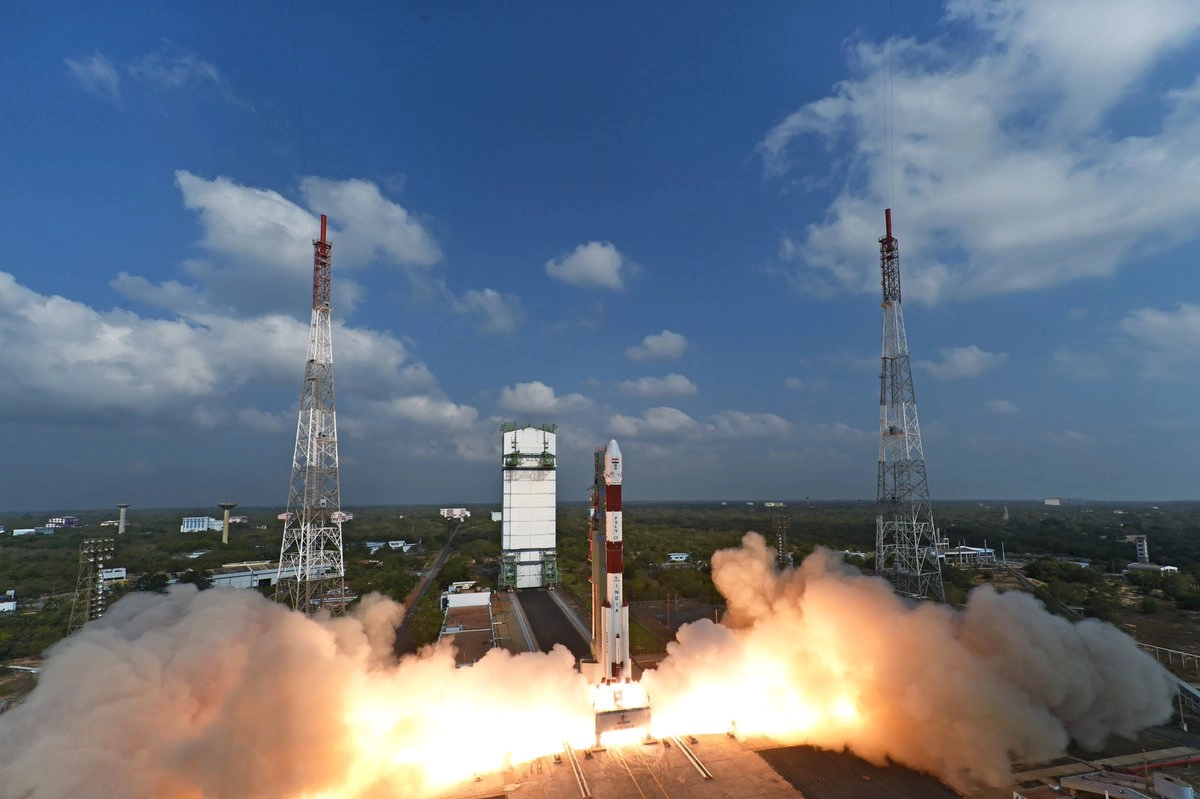
Eight years ago, a single Indian rocket launched 104 satellites into orbit, marking a pivotal moment when space tracking professionals realized the dawn of a new, congested era in orbital operations
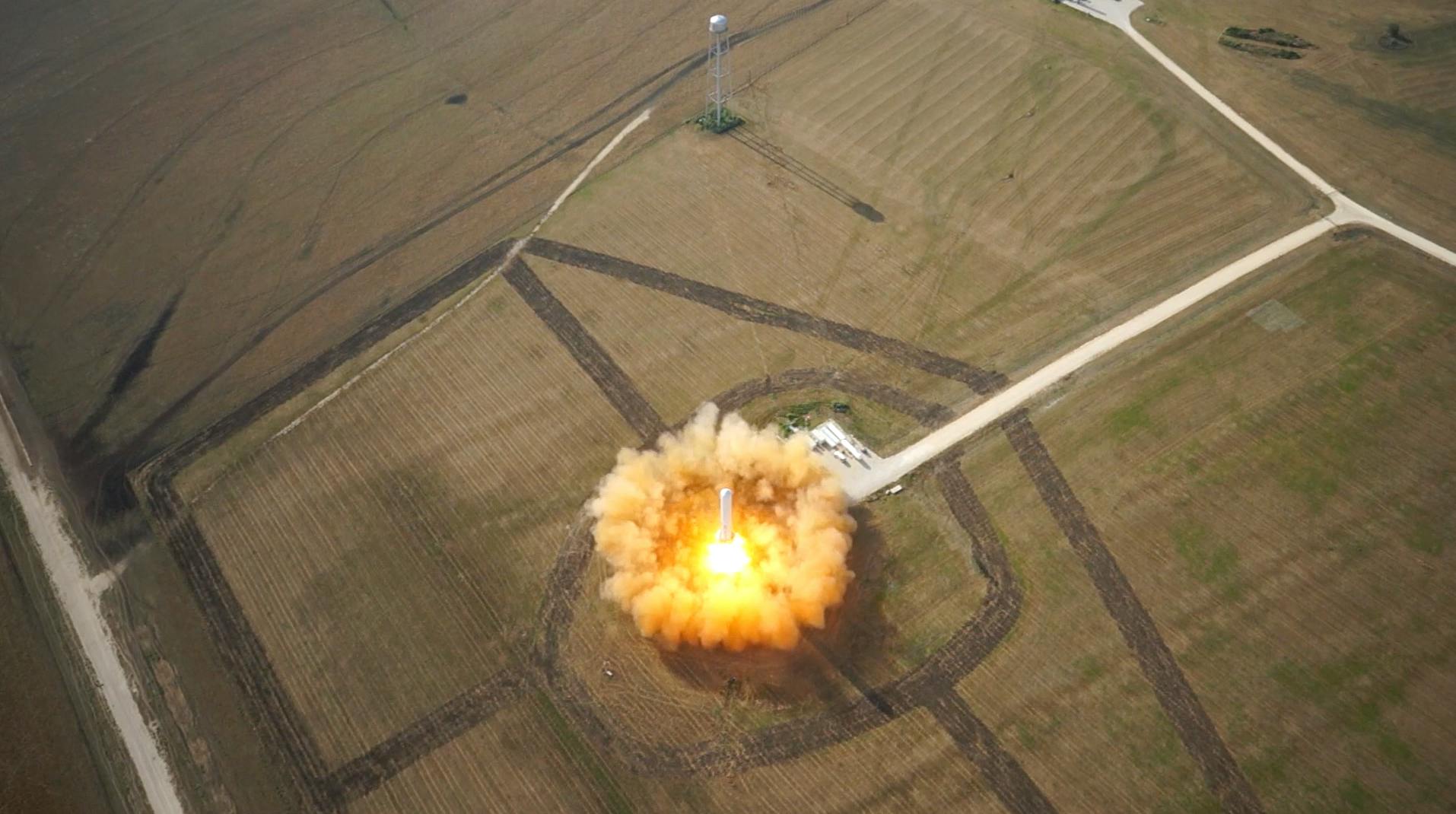
SpaceX surged 19% on Nasdaq debut as Falcon 9 B1093 deployed 24 Starlink satellites — the 1,500th launched in 2026 — while Dragon CRS-34 heads home.

Today's Space Brief highlights pivotal defense budget evaluations, Lithuania's growing defense connections, the first CubeSat for ESA's Ramses mission, and the one-year milestone of the Aries satellite in orbit.

SpaceX's orbital data center constellation and TERAFAB's $25B AI chip factory spark backlash as Starlink surpasses 10,116 working satellites.
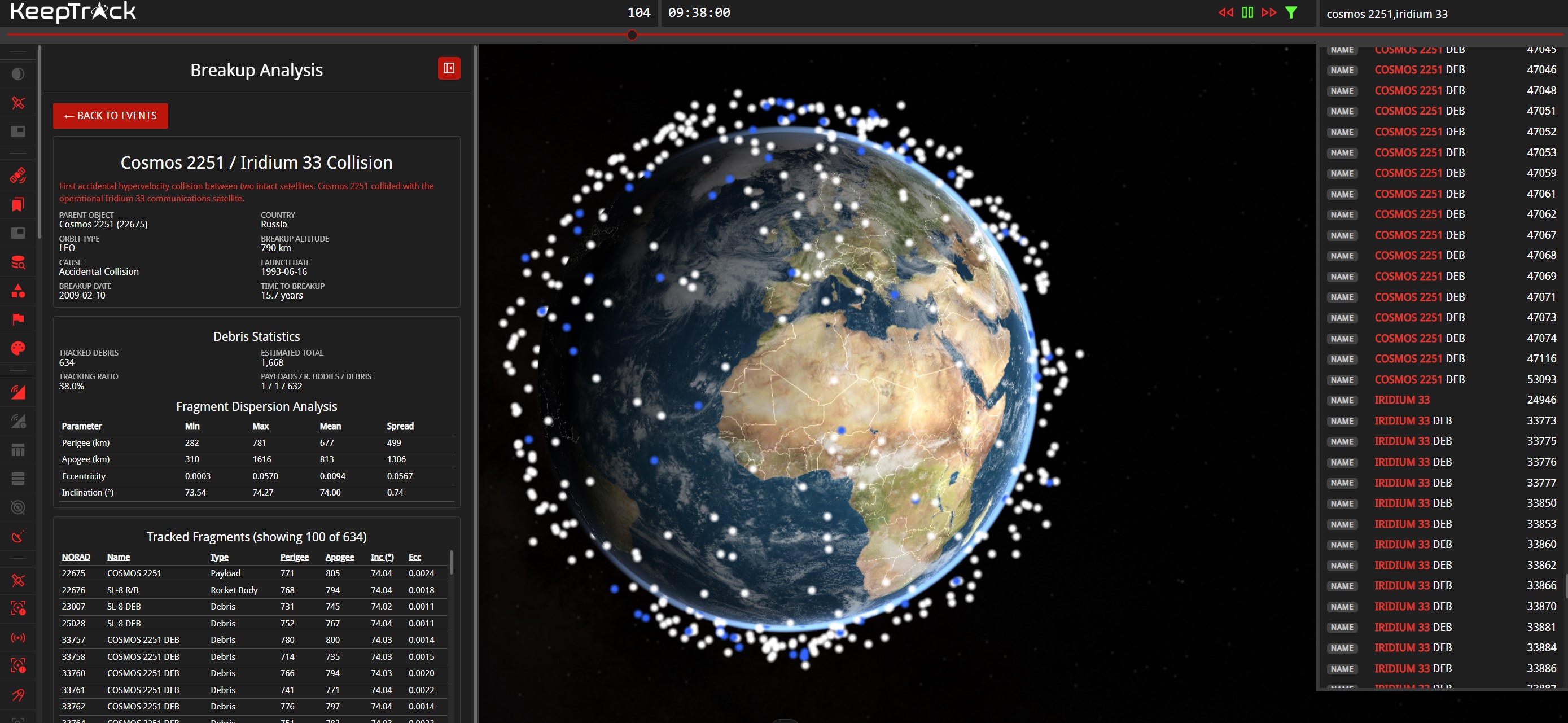
On February 10, 2009, an active Iridium communications satellite and a derelict Soviet military spacecraft slammed into each other 789 kilometers above Siberia. The collision produced more than 2,300 pieces of trackable debris that are still up there. Seventeen years later, the Iridium-Cosmos collision remains the event that made space debris a policy problem the world could no longer ignore.
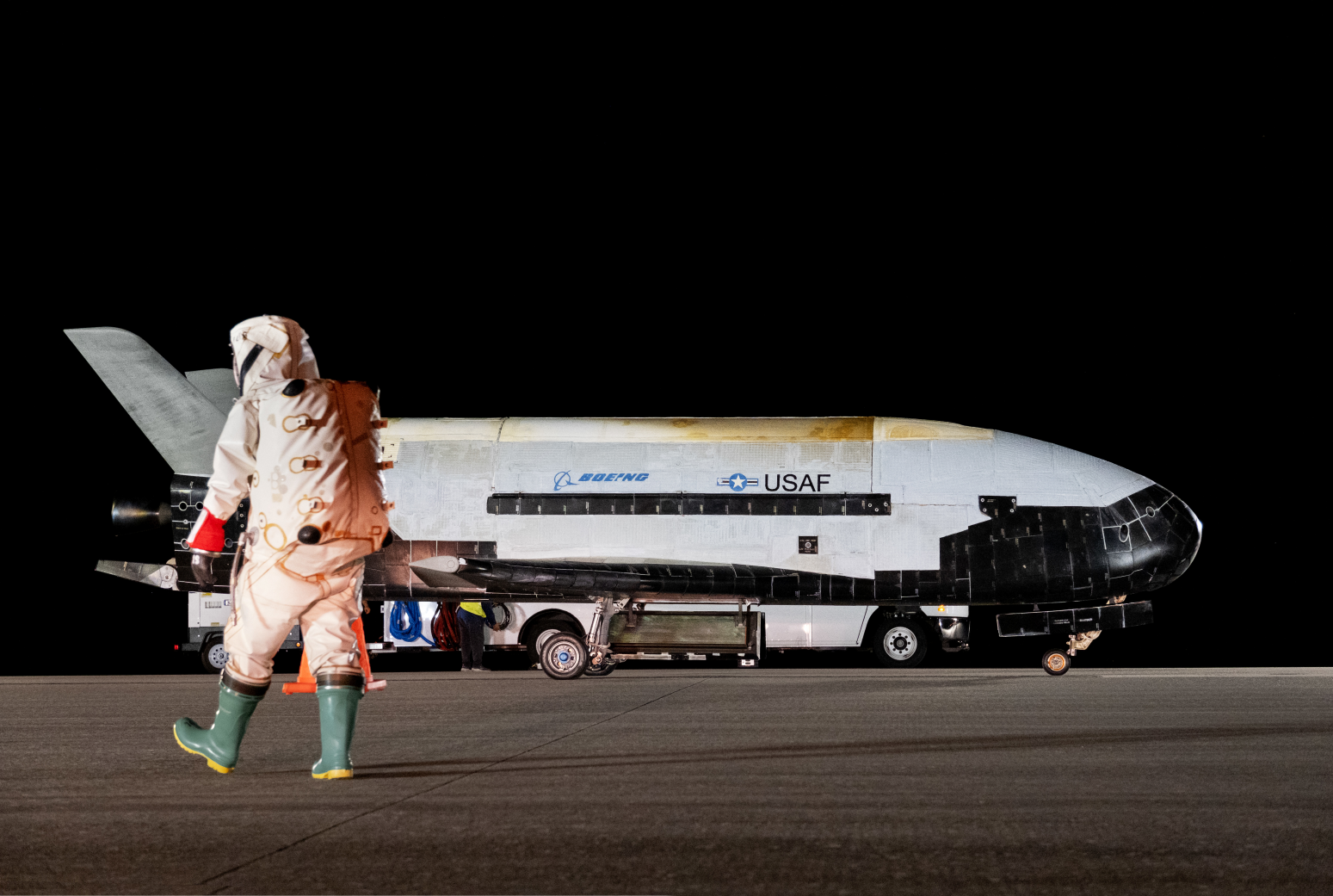
On April 22, 2010, an Atlas V lifted off from Cape Canaveral carrying a reusable robotic spaceplane so secret that the Air Force would not even confirm its mission duration. It came back 224 days later, lighter, quieter, and more operational than anyone outside Washington had expected. Fifteen years later, the X-37B is still flying, and the military still will not say what it does.

SpaceX hits a new milestone with 400 rocket landings, beta testing begins for Direct-to-Cell Starlink satellites, and more Starlink launches from California.