

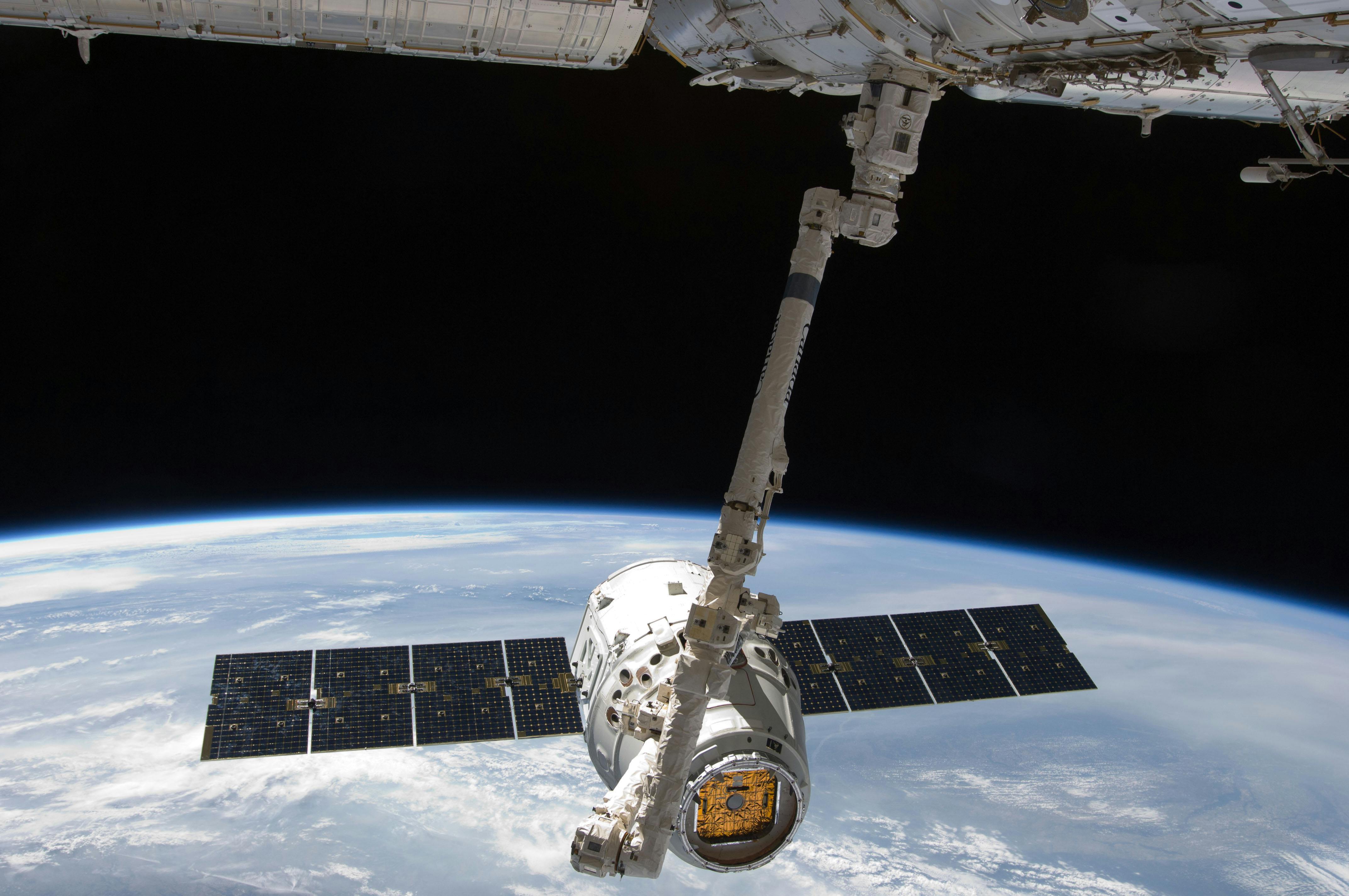
X Report 15 Aug 2025
SpaceX achieves significant milestones with multiple satellite launches and ongoing challenges in rural broadband funding. Noteworthy advances in Starlink capabilities enhance international connectivity.


Launch Date
January 11, 1979
Launch Site
PLMSC
Launch Pad
LC43/3
Launch Vehicle
Soyuz-U
NORAD ID
11247
International Designator
1979-001H
Decay Date
1/20/1979
Name
COSMOS 1070 DEB
Alternative Name
Nauka part
Type
Status
Owner
GUKOSR
Country
USSR
Constellation
N/A
Related Satellites
Major Events
N/A
Length
0
Diameter
0
Span
0
Dry Mass
0
Launch Mass
0
Shape
N/A
Radar Cross Section
Unknown
Visual Magnitude
Unknown
Color
Unknown
Material Composition
Unknown
Payload
Unknown
Purpose
Unknown
Mission
Unknown
Manufacturer
Unknown
Life Expectancy
Unknown
Bus
Unknown
Configuration
Unknown
Motor
Unknown
Equipment
Unknown
Power System
Unknown
ADCS
Unknown
Transmitter Frequency
Unknown
Learn more about satellites and other related topics.
SpaceX achieves significant milestones with multiple satellite launches and ongoing challenges in rural broadband funding. Noteworthy advances in Starlink capabilities enhance international connectivity.
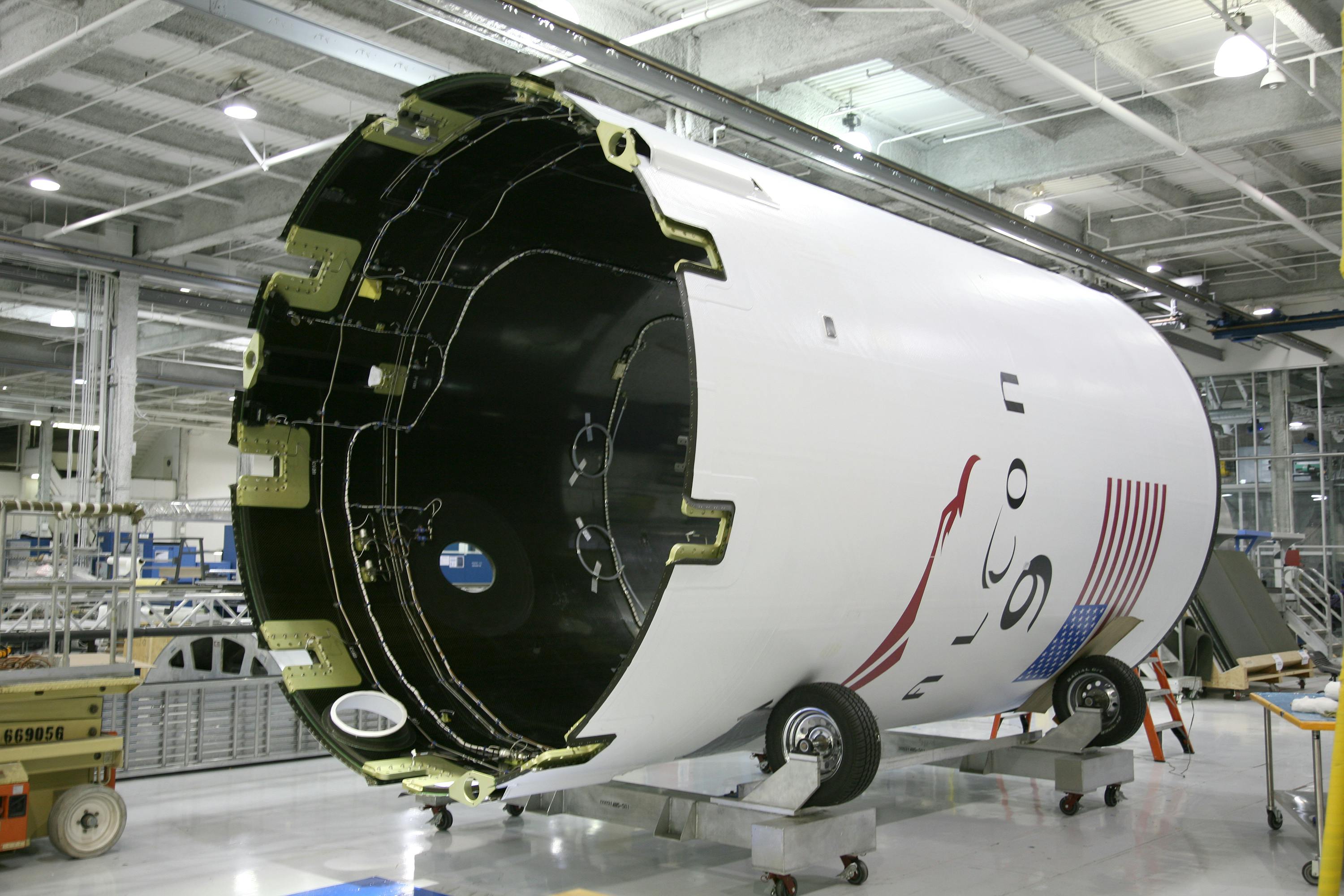
SpaceX flew a Falcon 9 booster for a record 35th time on July 10, deploying 29 Starlink satellites as direct-to-cell tech expands to pet collars.

SpaceX faces challenges with a Falcon 9 reentry issue, while continuing to expand its Starlink constellation with new launches.
Vandenberg Space Force Base opens a new launch site that may accommodate SpaceX's Starship. Meanwhile, Starlink continues to expand its service capabilities.
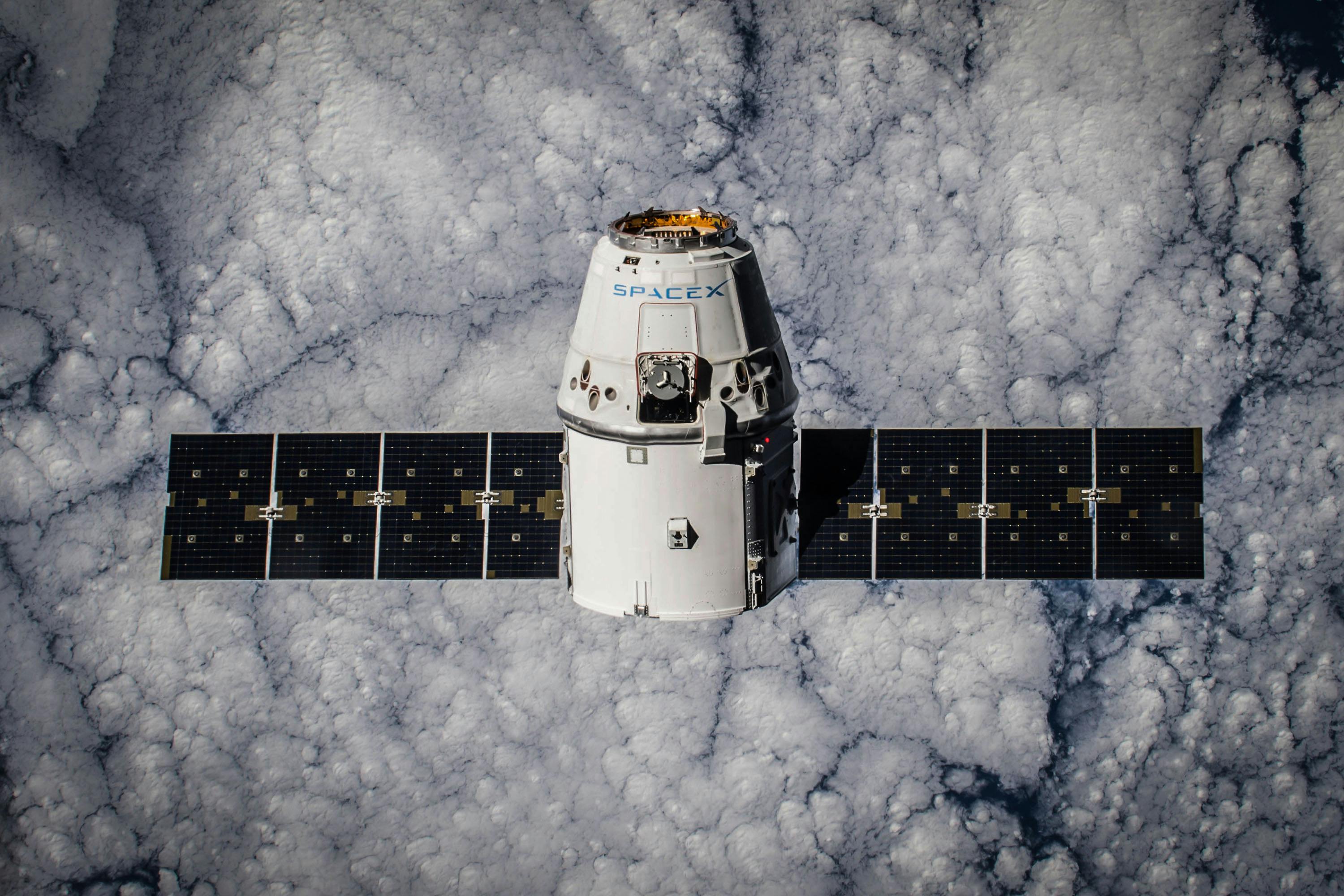
Severe weather conditions disrupt the launch of Amazon’s Project Kuiper satellites, highlighting ongoing challenges in satellite deployment amidst increasing competition in the space industry.
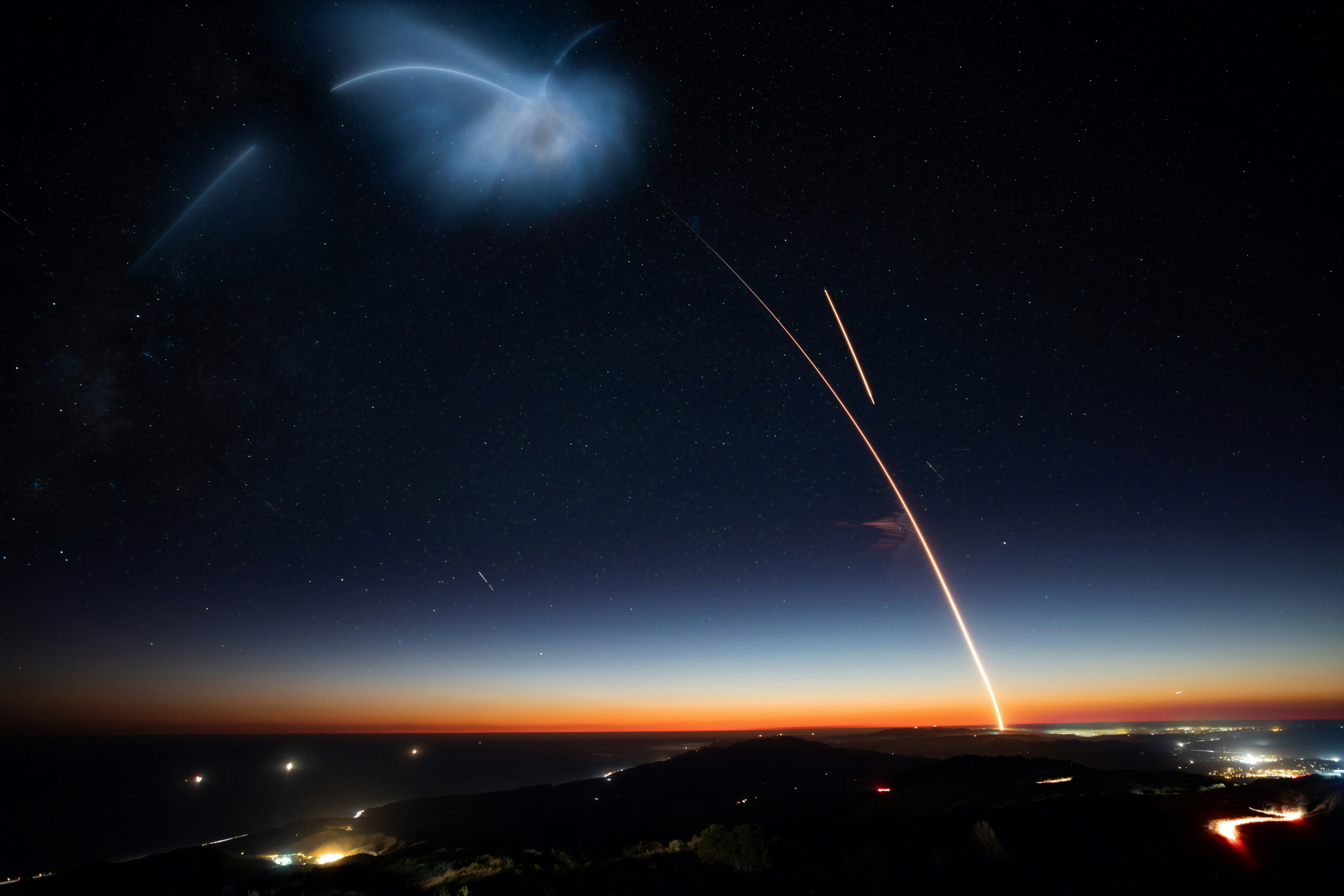
Starship Flight 12 status for May 2026: SpaceX targets mid-May with a revised trajectory, while Starlink 10-38 lofts 29 satellites from Cape Canaveral.
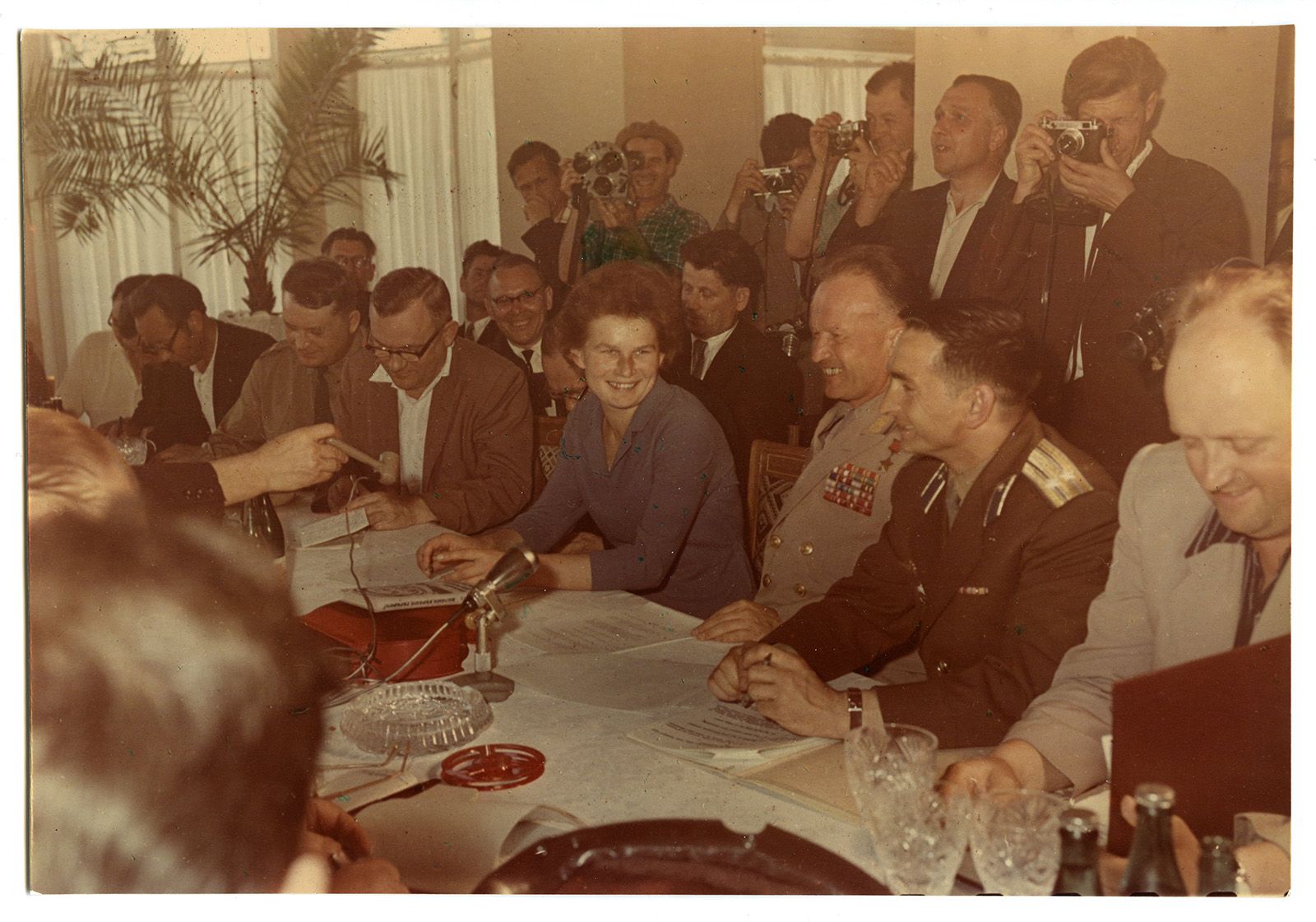
On 16 June 1963, a 26-year-old former textile worker named Valentina Tereshkova launched aboard Vostok 6 and spent nearly three days alone in orbit. She flew 48 times around the Earth, longer than every American astronaut combined, and spotted a dangerous flaw in her descent program that ground controllers had missed.
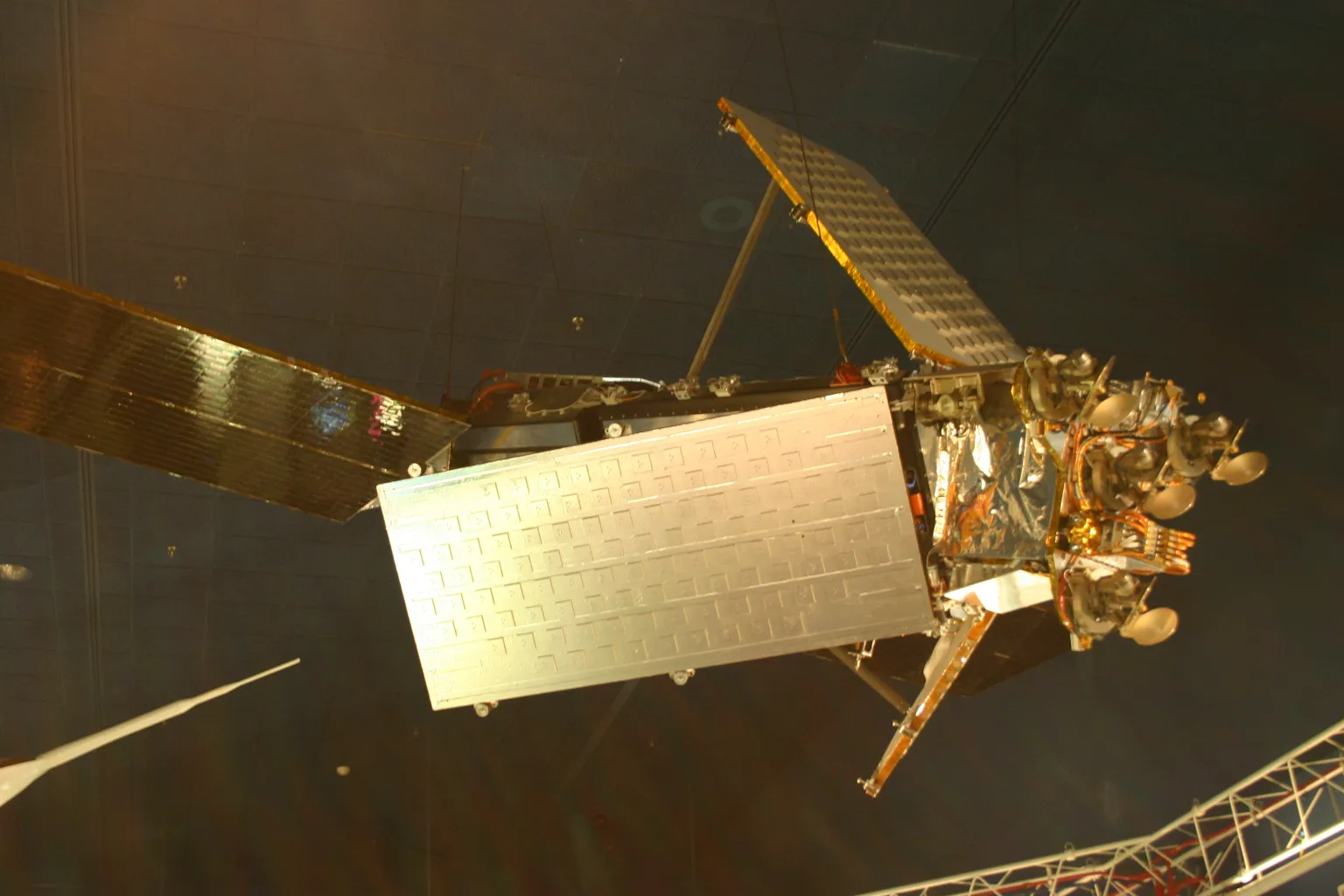
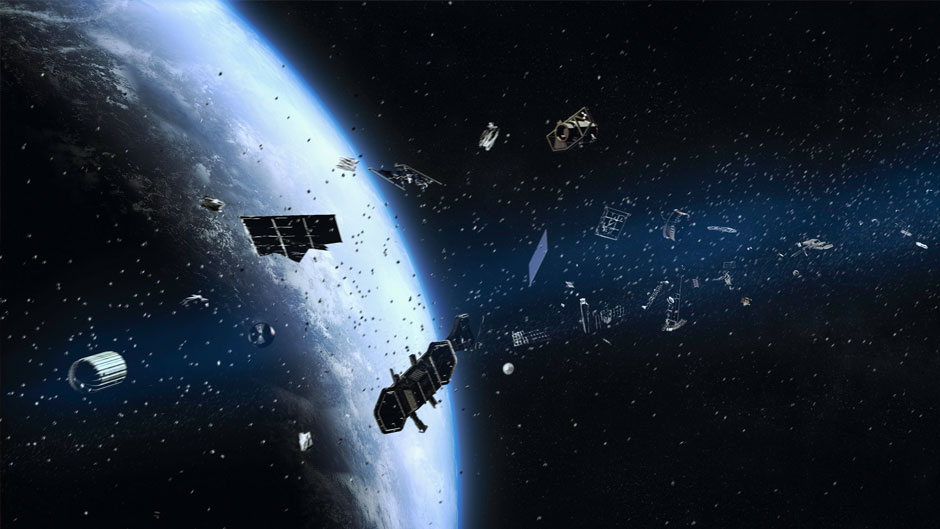
Seventeen years ago today, an operational American communications satellite and a dead Russian military relay crossed paths over Siberia. What happened next created more than 2,000 pieces of trackable debris - and fundamentally changed how the world thinks about space traffic.