


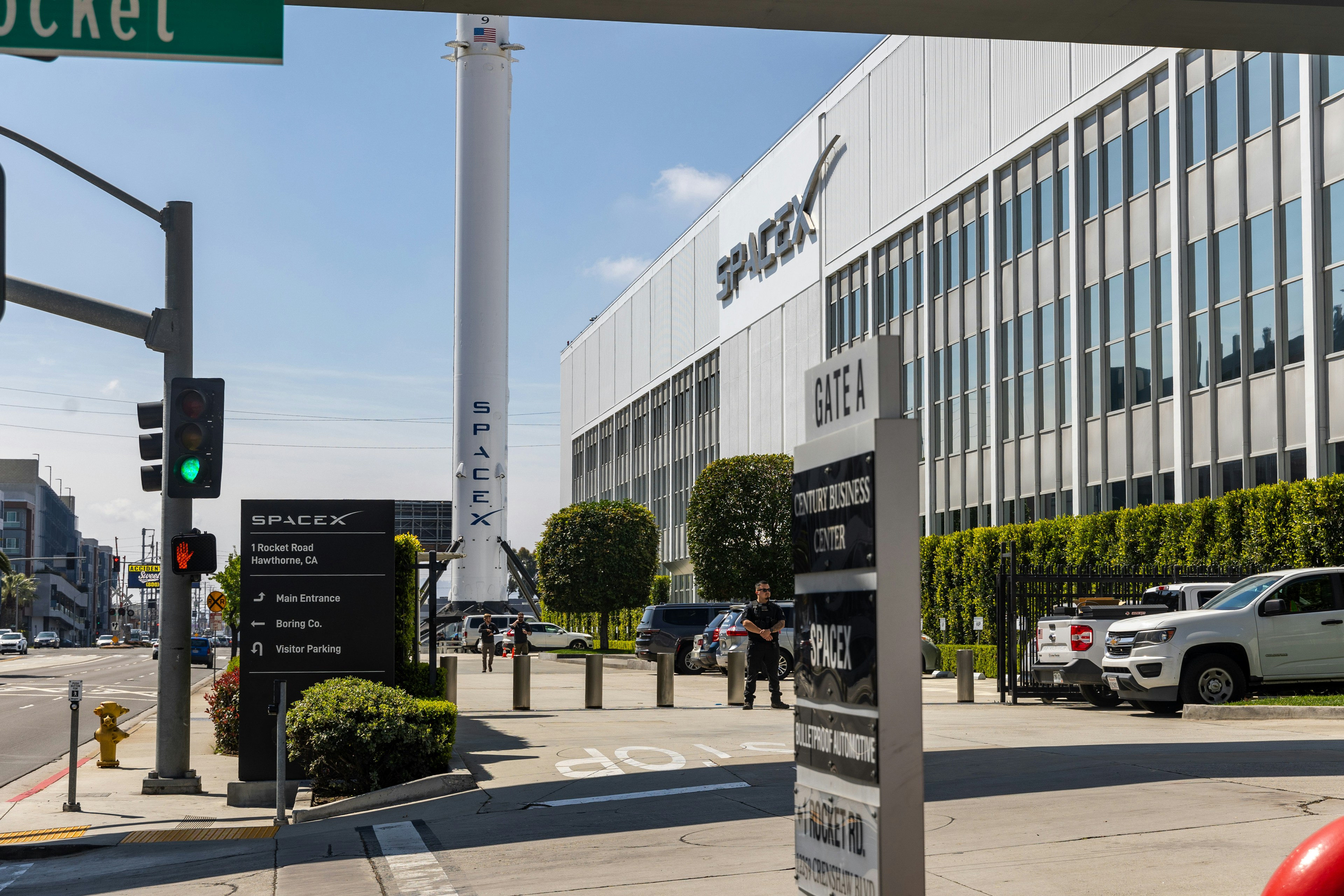
X Report 14 Jan 2025
SpaceX sets a new reusability record and continues its busy launch schedule with multiple Starlink missions.


Launch Date
July 14, 1978
Launch Site
Launch Pad
LC17A
Launch Vehicle
Delta 2914
NORAD ID
10981
International Designator
1978-071A
Epoch
Sat, 04 Jul 2026 05:57:49 GMT
Apogee
Calculating...
Perigee
Calculating...
Inclination
5.53°
Right Ascension
286.37°
Eccentricity
Calculating...
Argument of Perigee
6.08°
Period
1448.98 min
Mean Motion
0.99 rev/day
Latitude
Calculating...
Longitude
Calculating...
Altitude
Calculating...
Velocity
Calculating...
Name
GEOS-2
Alternative Name
Geos 2
Type
Status
Owner
ESA
Country
European Space Agency
Constellation
N/A
Related Satellites
Major Events
N/A
1 10981U 78071A 26185.24849528 -.00000299 00000-0 00000-0 0 9997
2 10981 5.5280 286.3669 0004267 6.0789 212.2316 0.99380539174162
Source: Celestrak
Apologies, there is no summary for this satellite yet. I am working to generate these for every object in the catalog, but it is going to take time.
Length
1.3
Diameter
1.6
Span
40
Dry Mass
240
Launch Mass
270
Shape
Cyl + 2 Ant
Radar Cross Section
1.9992
Visual Magnitude
Unknown
Color
Unknown
Material Composition
Unknown
Payload
Geos 2
Purpose
Research
Mission
Research
Manufacturer
BAEF
Life Expectancy
Unknown
Bus
ESA Geos
Configuration
Unknown
Motor
SNIA-BPD
Equipment
Unknown
Power System
Solar cells, batteries
ADCS
Unknown
Transmitter Frequency
Unknown
Learn more about satellites and other related topics.
SpaceX sets a new reusability record and continues its busy launch schedule with multiple Starlink missions.
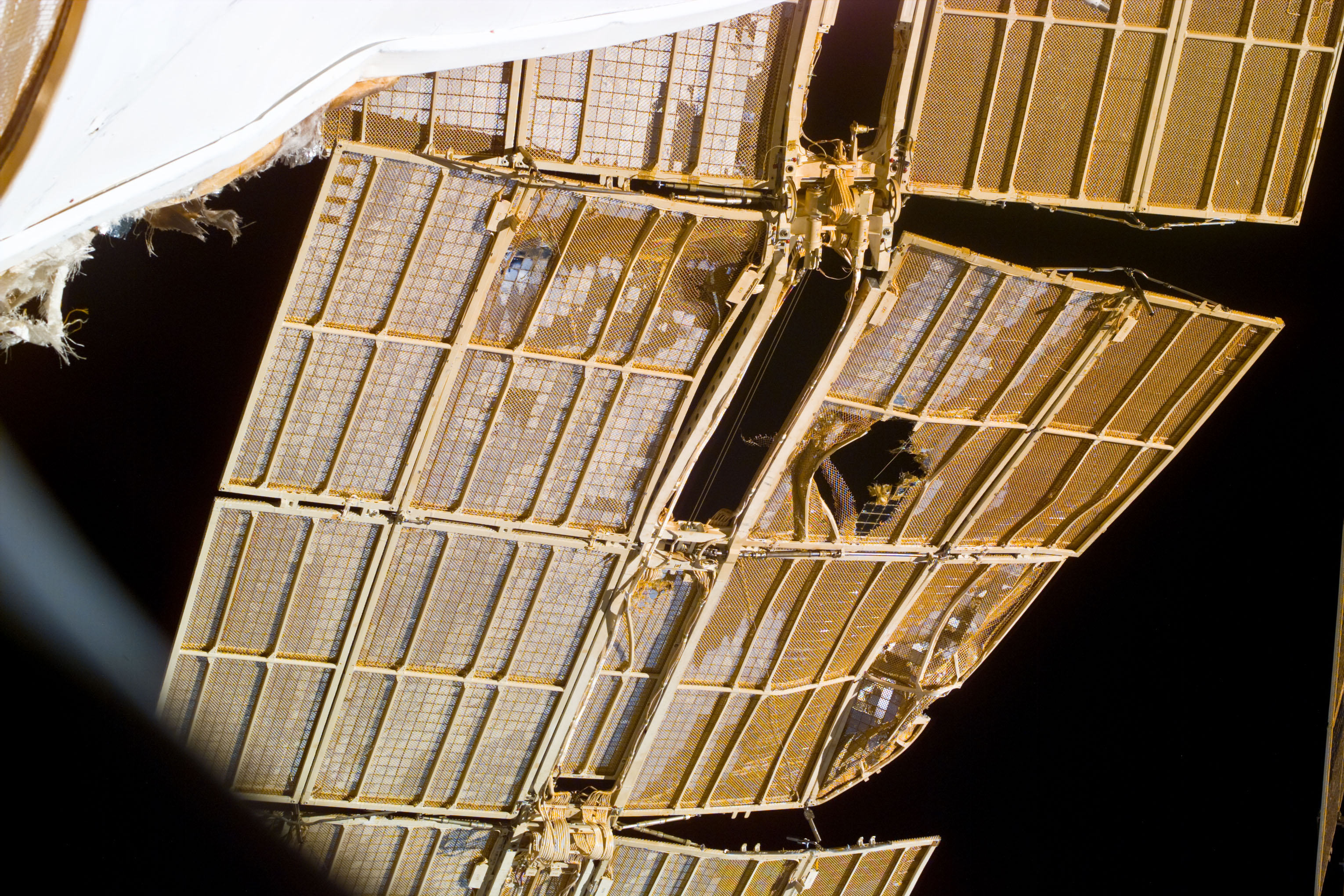
On 25 June 1997, a seven-ton cargo ship under hand control drifted into Mir's Spektr module, breached the hull, and left three crew members listening to their air hiss into space. It remains the worst collision in the history of human spaceflight.
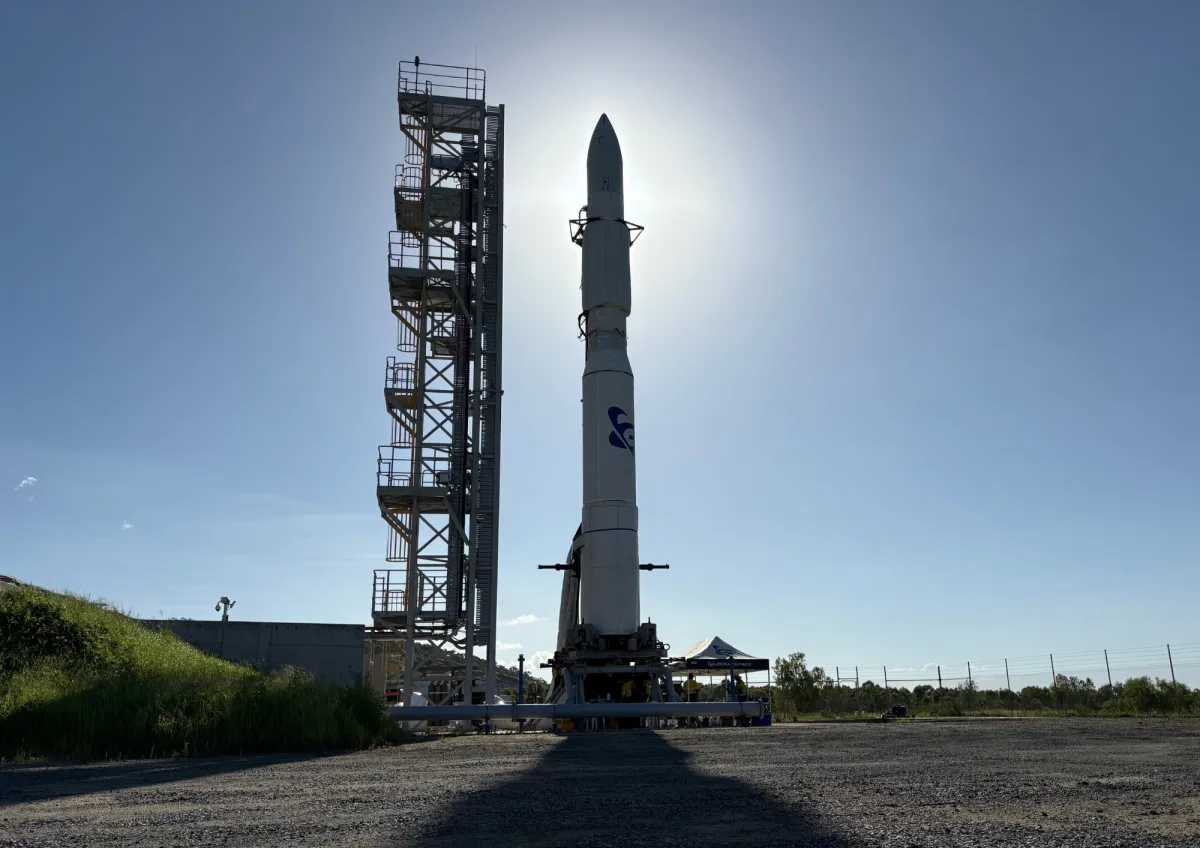
Key highlights include the launch of a Navy SEAL astronaut to the ISS, multi-billion dollar contracts awarded by the US Space Force, advancements in secure GPS technology, and a strategic ISR arrangement.
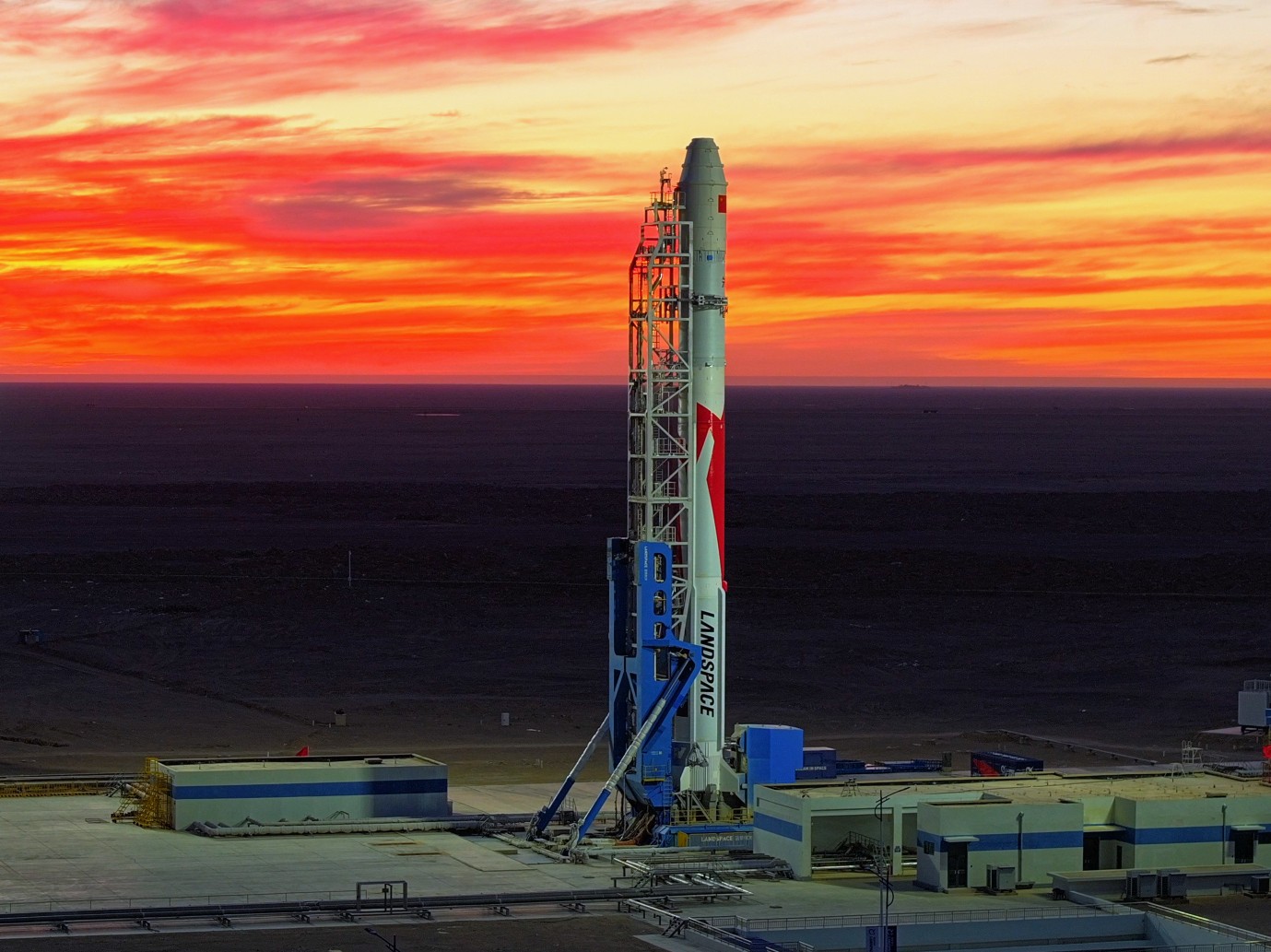
Artemis 2 astronauts arrive at KSC for April 1 launch. Four-person crew will fly lunar free-return trajectory, first crewed lunar mission since Apollo 17 in 1972.

SpaceX advances pre-launch tests amid Starlink deployment surge and strategic expansions in Texas.

Current number of Starlink satellites in orbit April 2026: 10,168 working of 10,177 tracked, 11,724 launched. Fleet health tops 99.9%.

SpaceX achieves significant milestones with the launch of 28 Starlink satellites and the final landing of the LZ-1 pad, marking key moments in their ongoing mission to expand satellite connectivity.
SpaceX prepares for a record-setting launch of Starlink satellites, while Iridium faces challenges against SpaceX's expanding services.