

Space Brief 4 Nov 2024
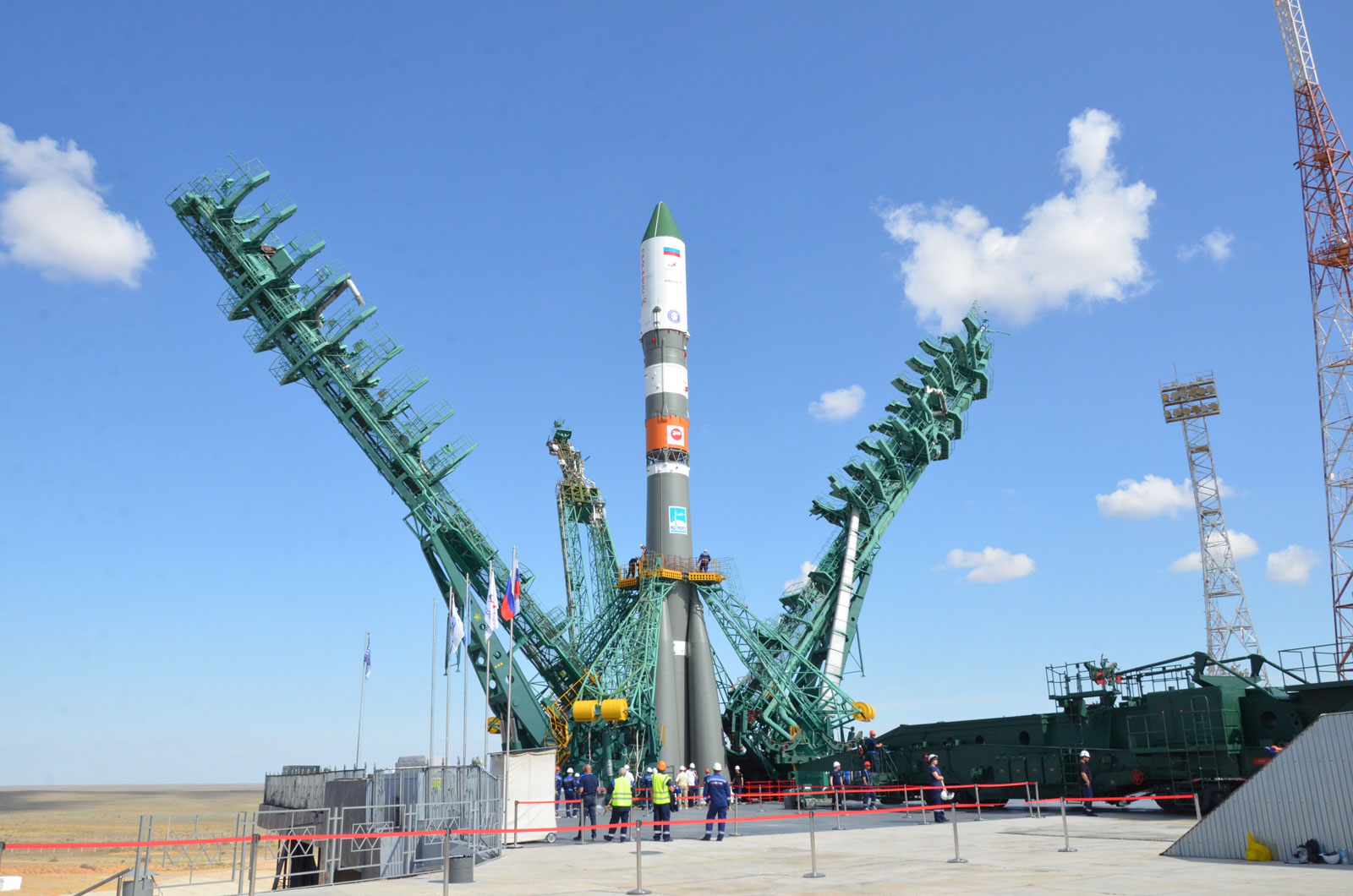
China's Tiangong space station completes crew rotation, Rocket Lab prepares for confidential launch, and Japan successfully launches military satellite with its H3 rocket.


Launch Date
April 20, 1977
Launch Site
Launch Pad
LC17B
Launch Vehicle
Delta 2914
NORAD ID
09933
International Designator
1977-029C
Decay Date
12/17/1989
Name
DELTA 1 R/B(2)
Alternative Name
Delta 130 Stage 3
Type
Status
Owner
GSFC
Country
United States
Constellation
N/A
Related Satellites
Major Events
N/A
Length
1.7
Diameter
0.9
Span
1.7
Dry Mass
83
Launch Mass
1123
Shape
Sphere + Cone
Radar Cross Section
4.0328
Visual Magnitude
Unknown
Color
Unknown
Material Composition
Unknown
Payload
Star 37E S/N 40048
Purpose
Unknown
Mission
Unknown
Manufacturer
THKE
Life Expectancy
Unknown
Bus
Star 37
Configuration
Unknown
Motor
Unknown
Equipment
Unknown
Power System
Unknown
ADCS
Unknown
Transmitter Frequency
Unknown
Learn more about satellites and other related topics.
China's Tiangong space station completes crew rotation, Rocket Lab prepares for confidential launch, and Japan successfully launches military satellite with its H3 rocket.

Crew-11 astronauts arrive in Houston following first-ever ISS medical evacuation. Starlink continues robust satellite deployment schedule with ongoing constellation expansion.
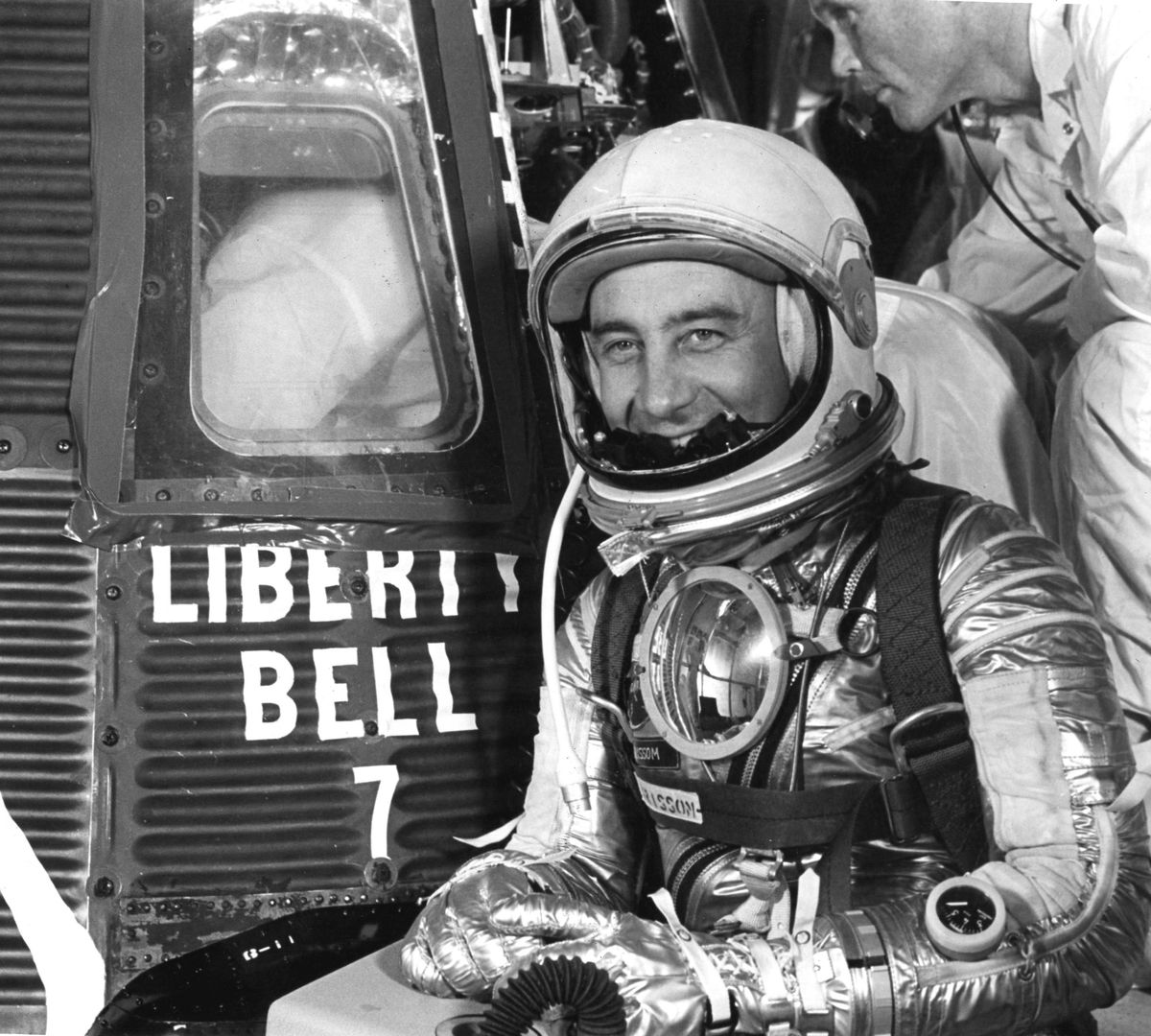
Sixty-four years ago, NASA made a decision that would shape the future of human spaceflight by selecting three astronauts to compete for America's first journey into space

Today's space brief covers SpaceX's latest Starlink missions, Satellogic's contract with Brazilian Air Force, OCX, and ATLAS project updates, and DARPA's insights on cybersecurity vulnerabilities.

SpaceX successfully launched the Transporter-15 mission, deploying 140 payloads, while Elon Musk addressed media narratives related to Starlink's humanitarian efforts following recent disasters.
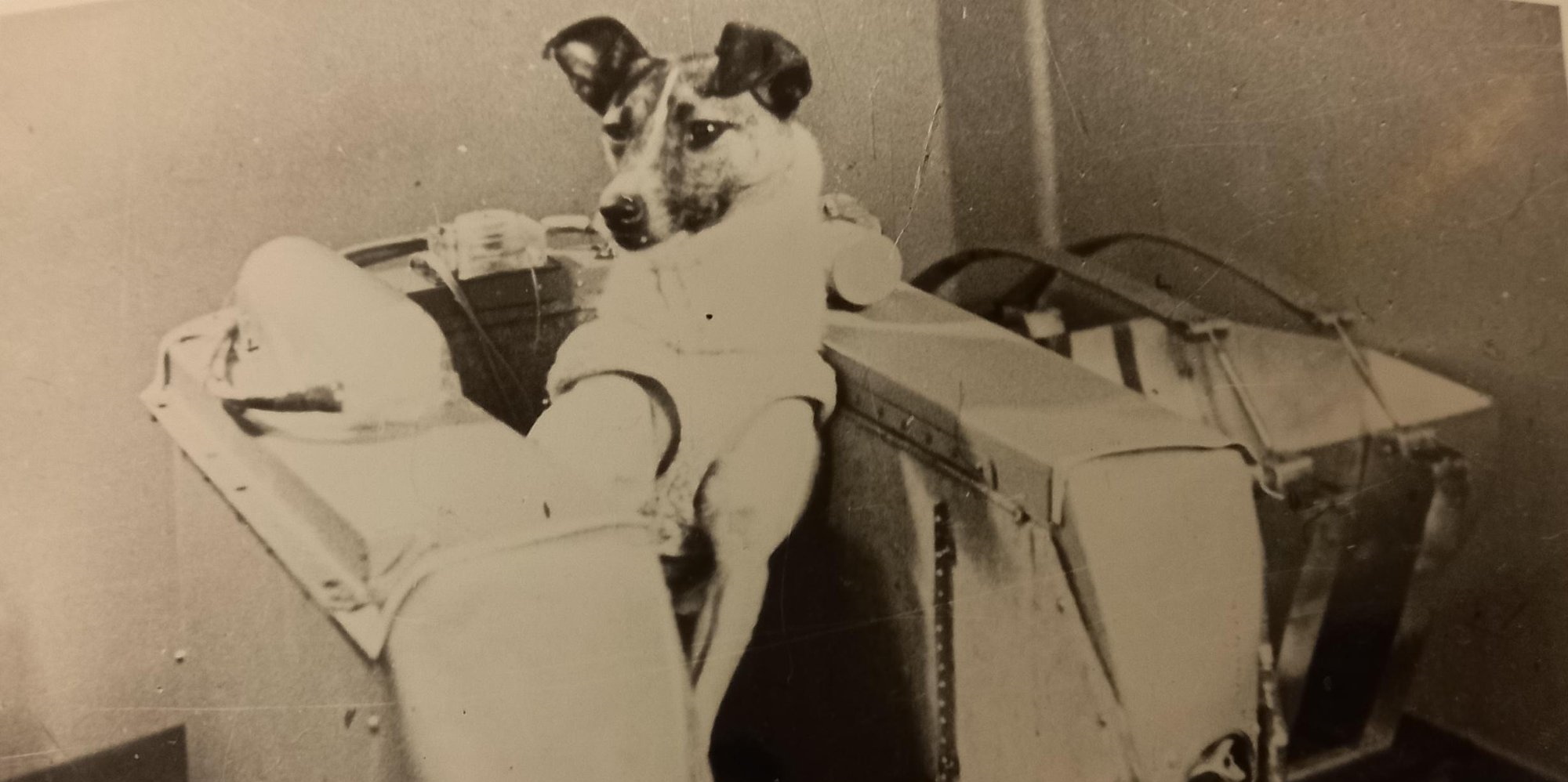
On April 14, 1958, Sputnik 2 burned up over the North Atlantic, carrying the remains of a stray dog from Moscow who had been dead for five months. The Soviet Union told the world she survived for days. It took forty-five years for the truth to come out.

Today's brief covers the future of military space operations, ESA's potential defense role, significant developments in satellite communications, and SpaceX's response to Artemis 3 comments.
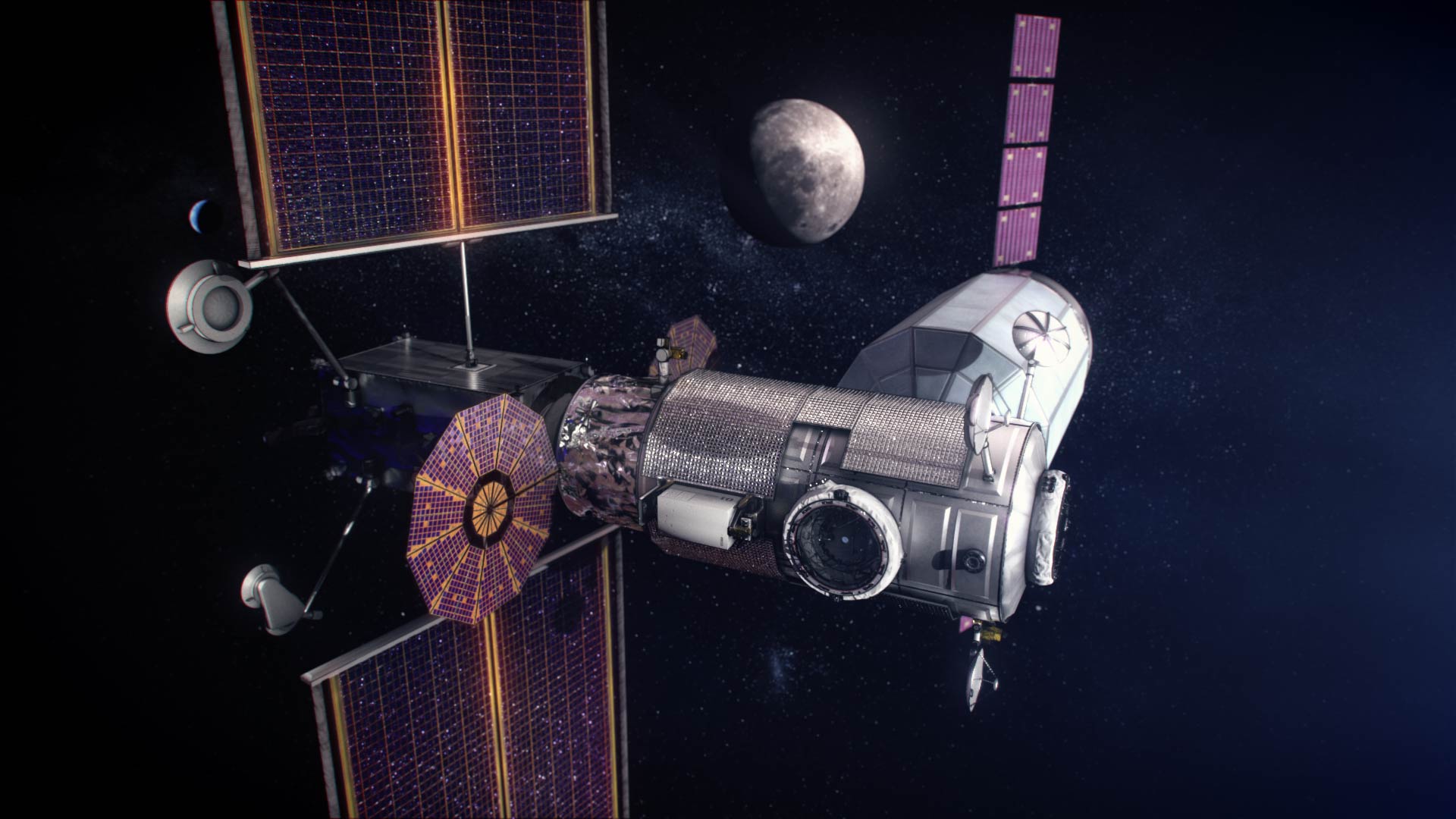
The volume of space between Earth and the Moon is roughly a thousand times larger than the orbit we actually watch, and almost none of it is under surveillance. As the U.S. and China race to build lunar outposts, the Space Force is scrambling to put eyes on a region it has been effectively blind to.