


Space Brief 4 Sep 2025
Today's briefing covers a surprise launch by Israel, a milestone missile contract for Lockheed Martin, and updates on Indian missile defense strategies.


Launch Date
April 11, 1977
Launch Site
PLMSC
Launch Pad
LC43/3
Launch Vehicle
Molniya 8K78M
NORAD ID
09913
International Designator
1977-027C
Decay Date
5/1/1977
Name
SL-6 PLAT
Alternative Name
BOZ
Type
Status
Owner
RVSN
Country
USSR
Constellation
N/A
Related Satellites
Major Events
N/A
Length
1
Diameter
2.3
Span
1
Dry Mass
328
Launch Mass
328
Shape
Cyl
Radar Cross Section
Unknown
Visual Magnitude
Unknown
Color
Unknown
Material Composition
Unknown
Payload
BOZ
Purpose
Unknown
Mission
Unknown
Manufacturer
NPOE
Life Expectancy
Unknown
Bus
BOZ
Configuration
Unknown
Motor
Unknown
Equipment
Unknown
Power System
Unknown
ADCS
Unknown
Transmitter Frequency
Unknown
Learn more about satellites and other related topics.
Today's briefing covers a surprise launch by Israel, a milestone missile contract for Lockheed Martin, and updates on Indian missile defense strategies.
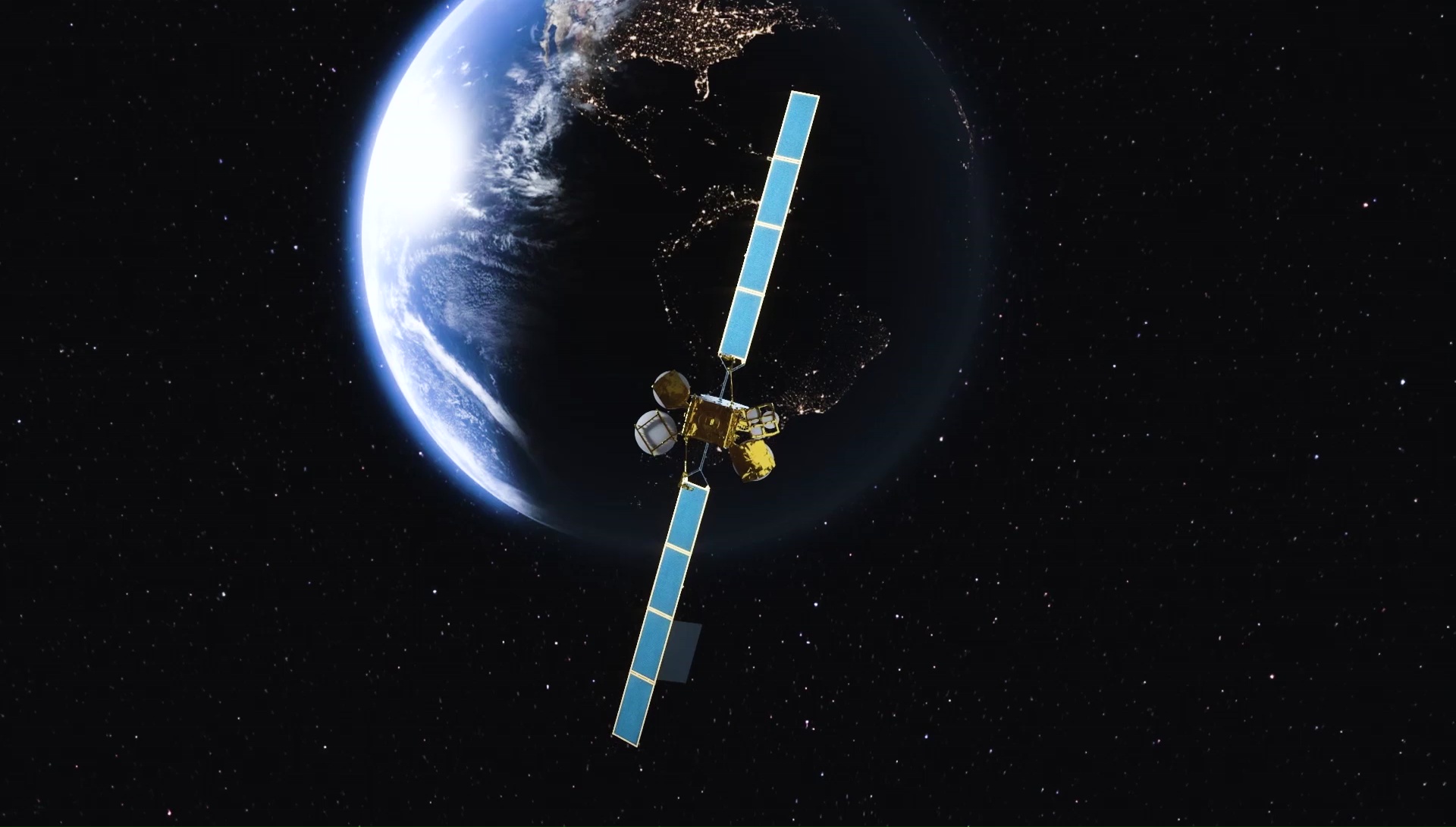
Europe's first high-power all-electric telecom satellite doesn't just sit above the Pacific - it got there on robotic arms and plasma thrusters, broke records doing it, and now keeps your airplane Wi-Fi running between LA and Tokyo.
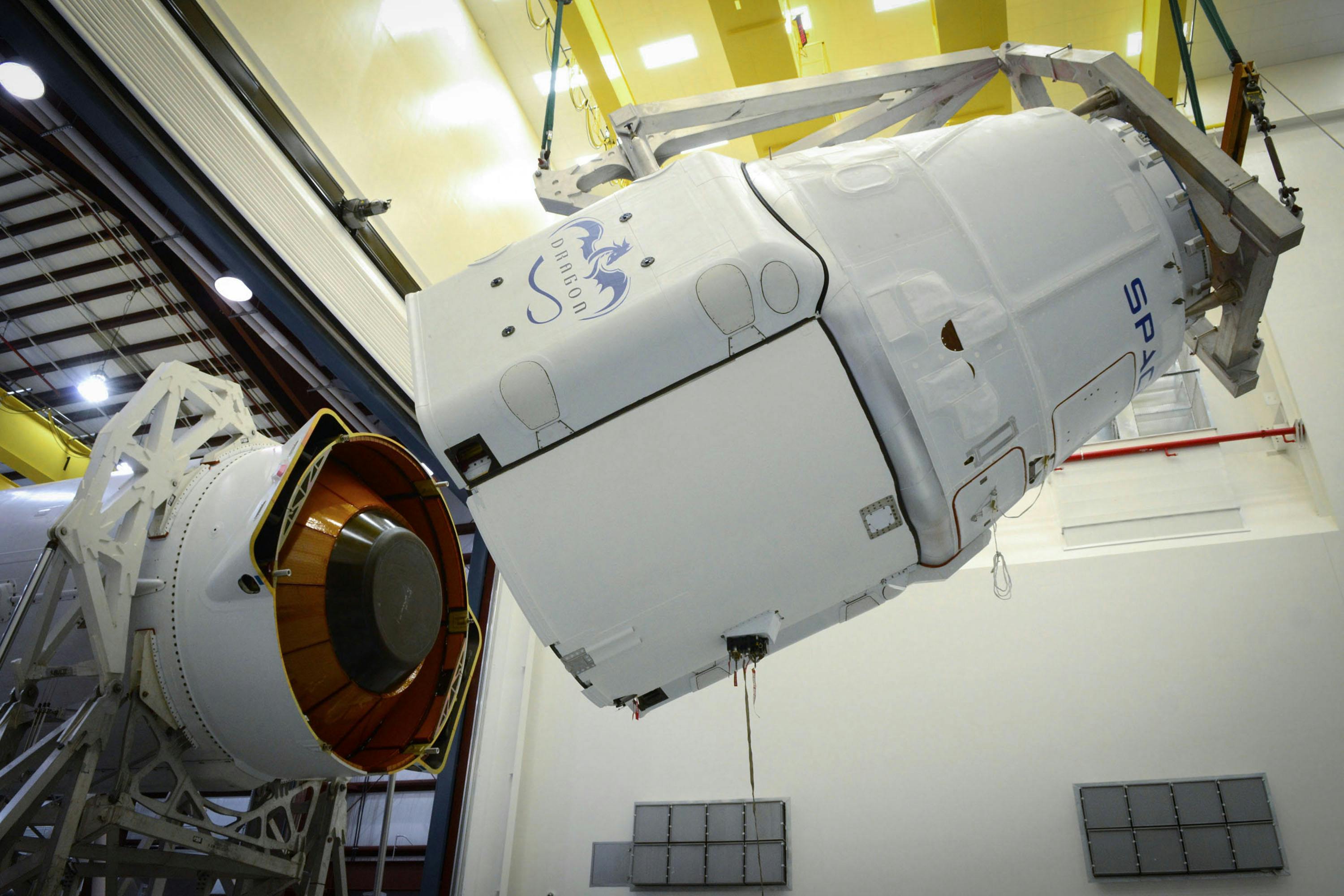
SpaceX Starfall reentry capsule debuted June 23: the 2,100 kg disk launched on a Falcon 9 from Cape Canaveral to demo cargo return from orbit.
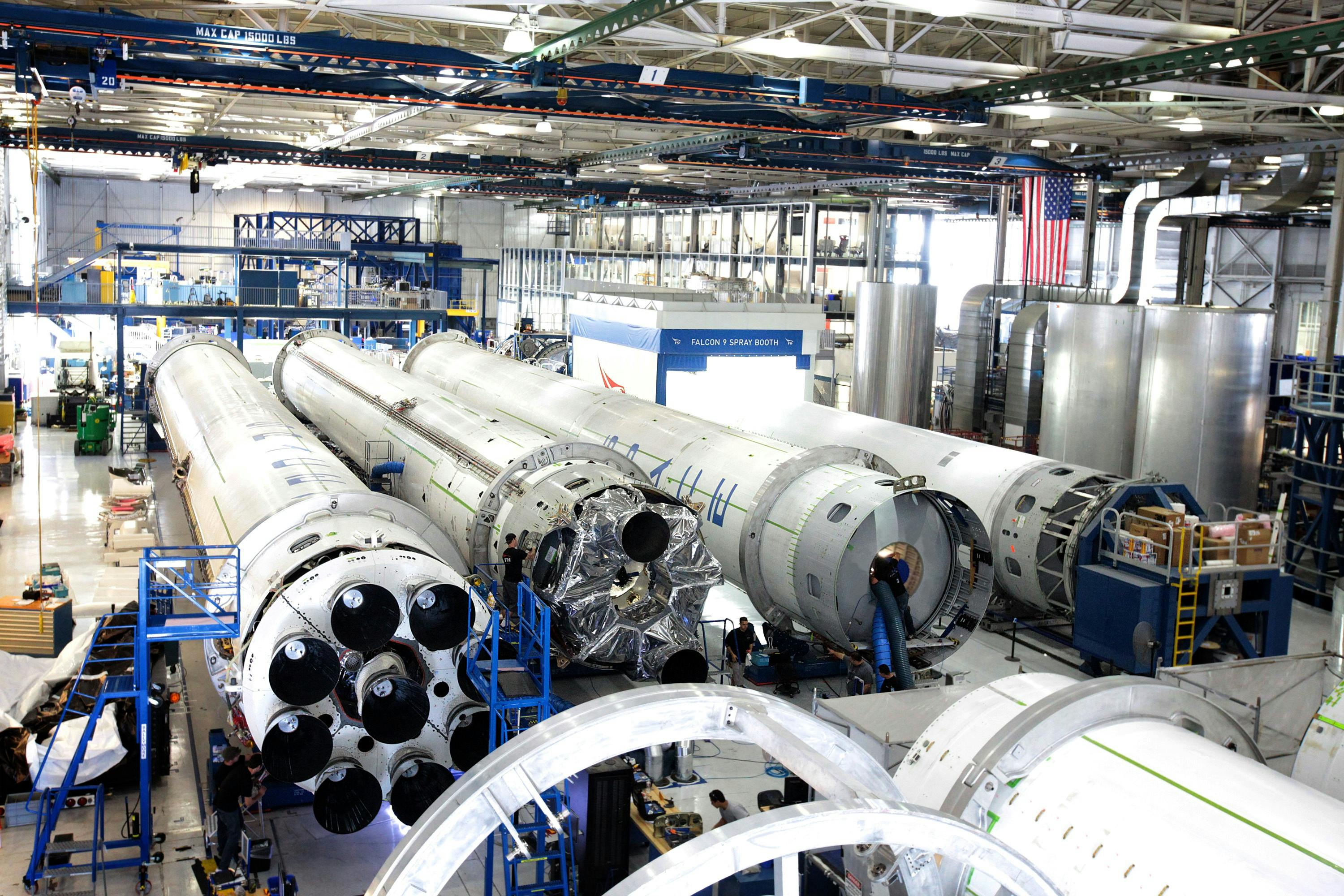
SpaceX successfully launched the Transporter-15 rideshare mission, deploying 140 payloads including significant international contributions. Meanwhile, the company progresses with Booster 19 stacking after the recent Booster 18 anomaly.
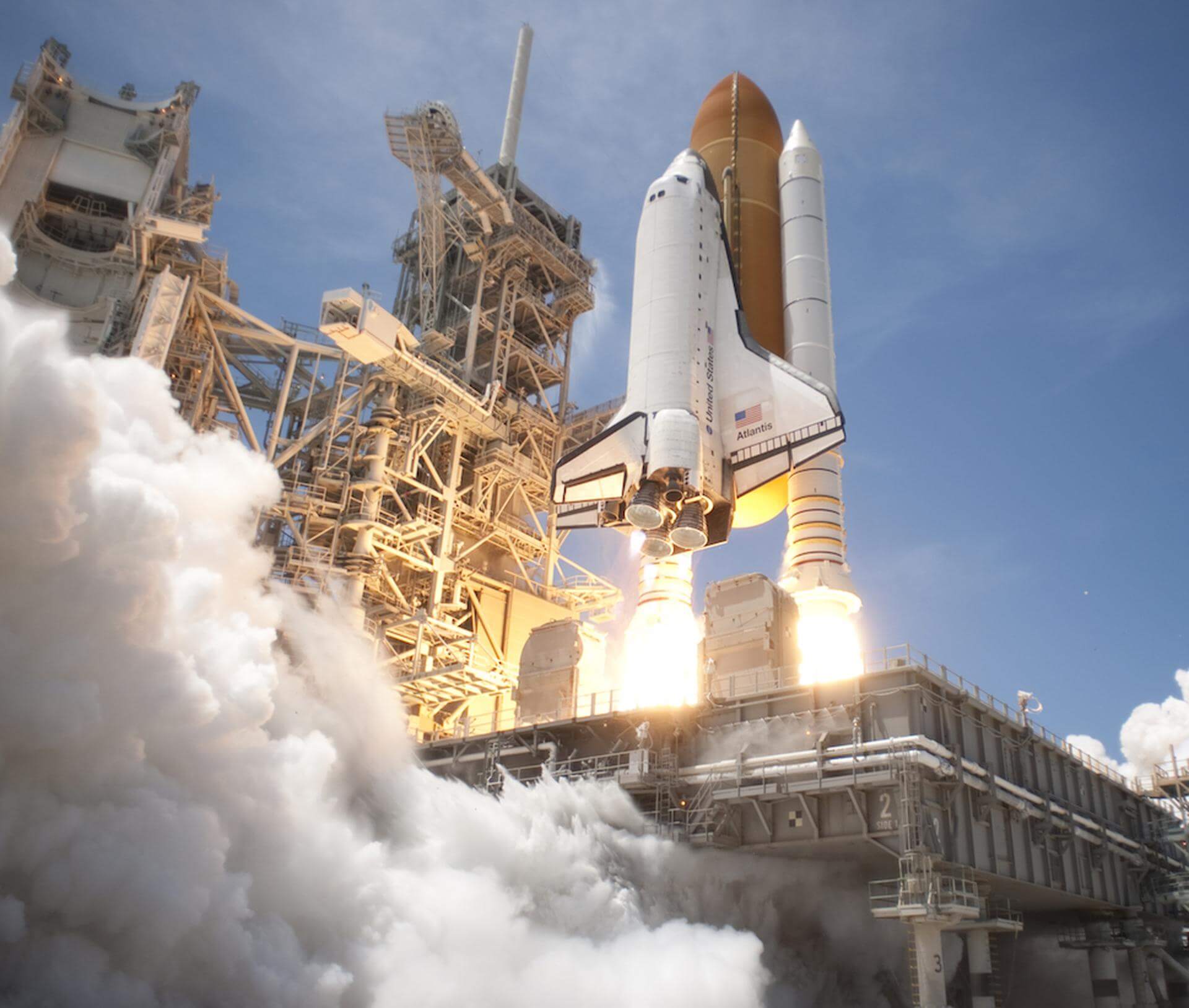
SpaceX Falcon 9 booster B1067 set for 36th flight Thursday with Starlink 10-42 mission from Cape Canaveral. Long March 10B debuts Friday in China.
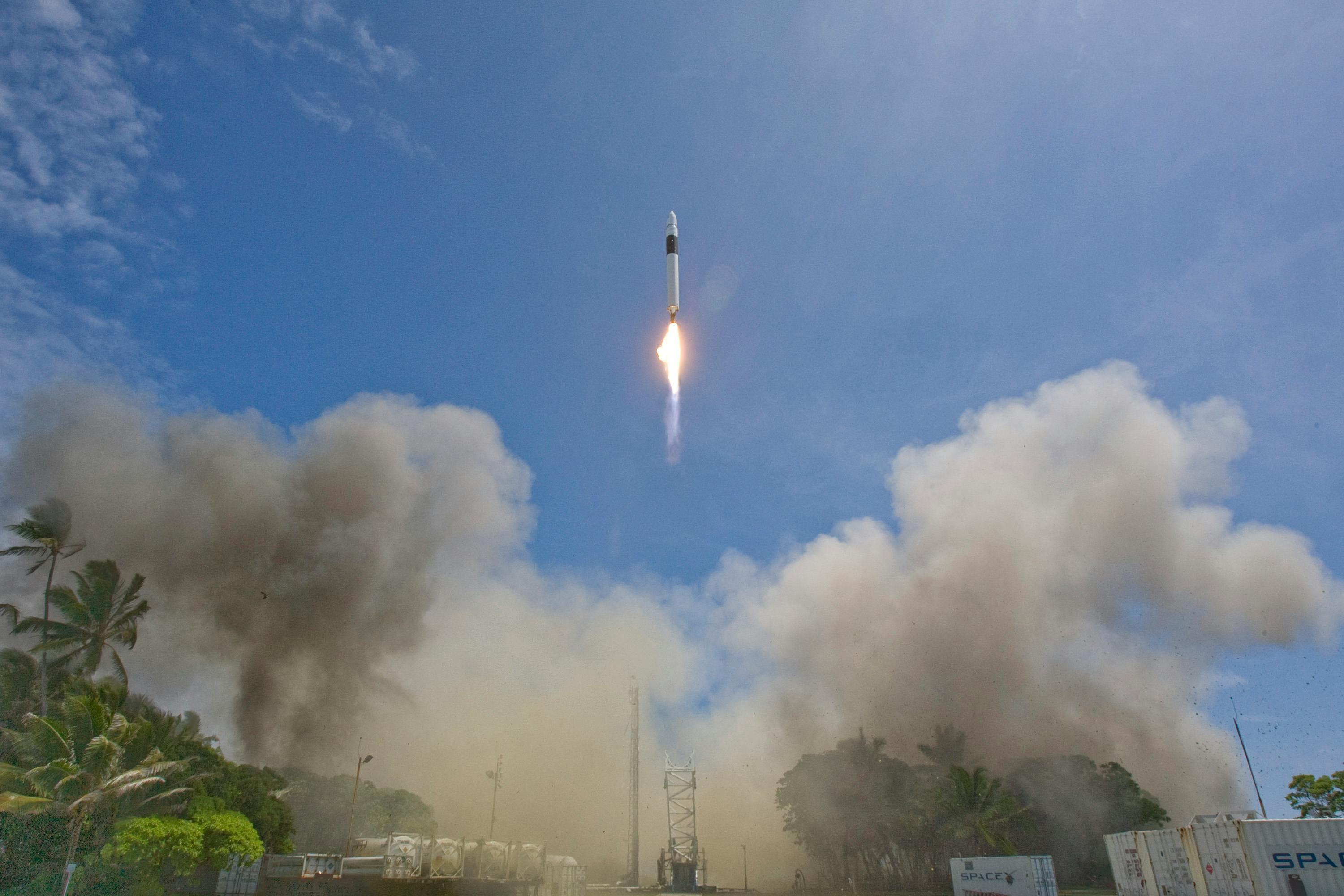
SpaceX celebrates significant milestones with its Starship preparations, approaches a landmark Falcon booster landing, and enhances the ISS orbit with Dragon technology.
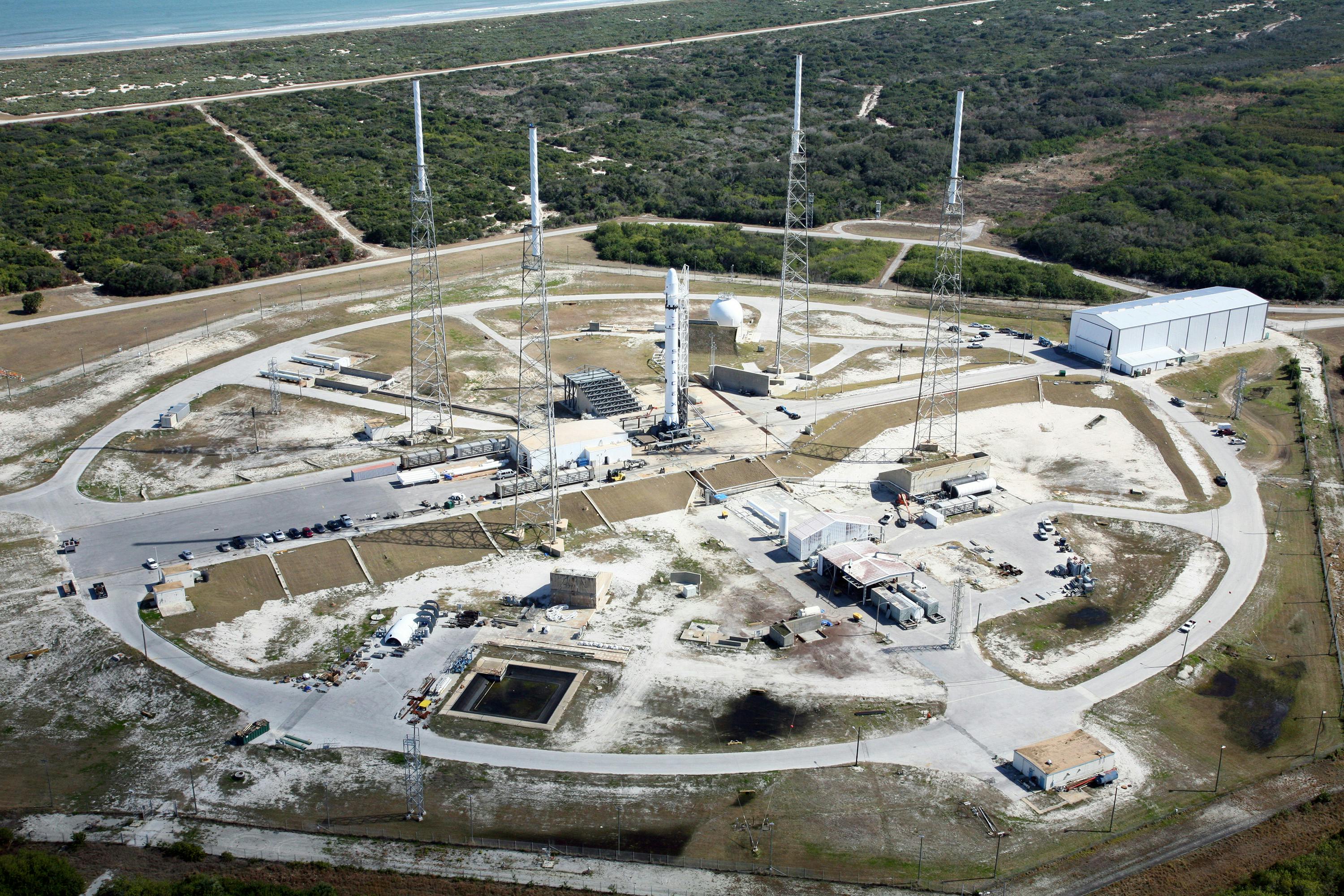
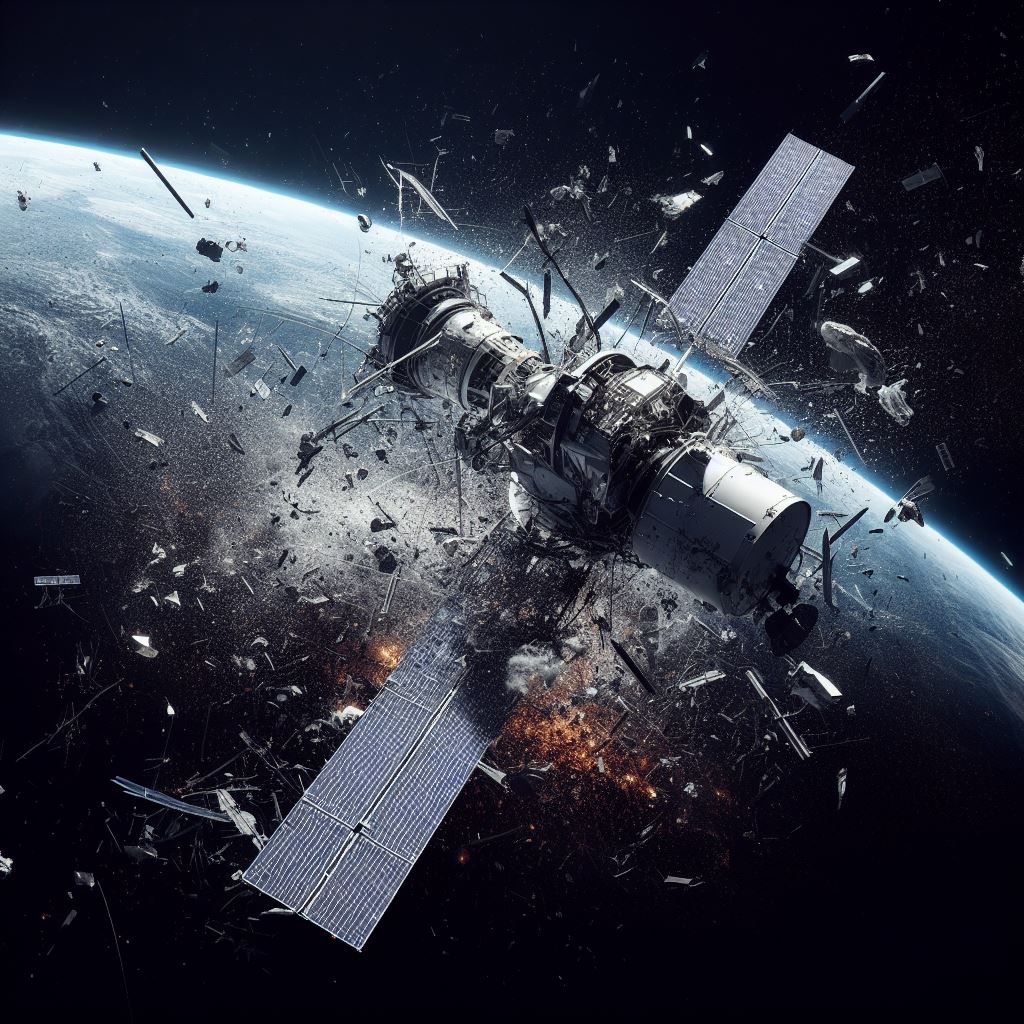
SpaceX's Transporter-17 rideshare carried 81 payloads including history's first nuclear-powered commercial satellite on July 7.
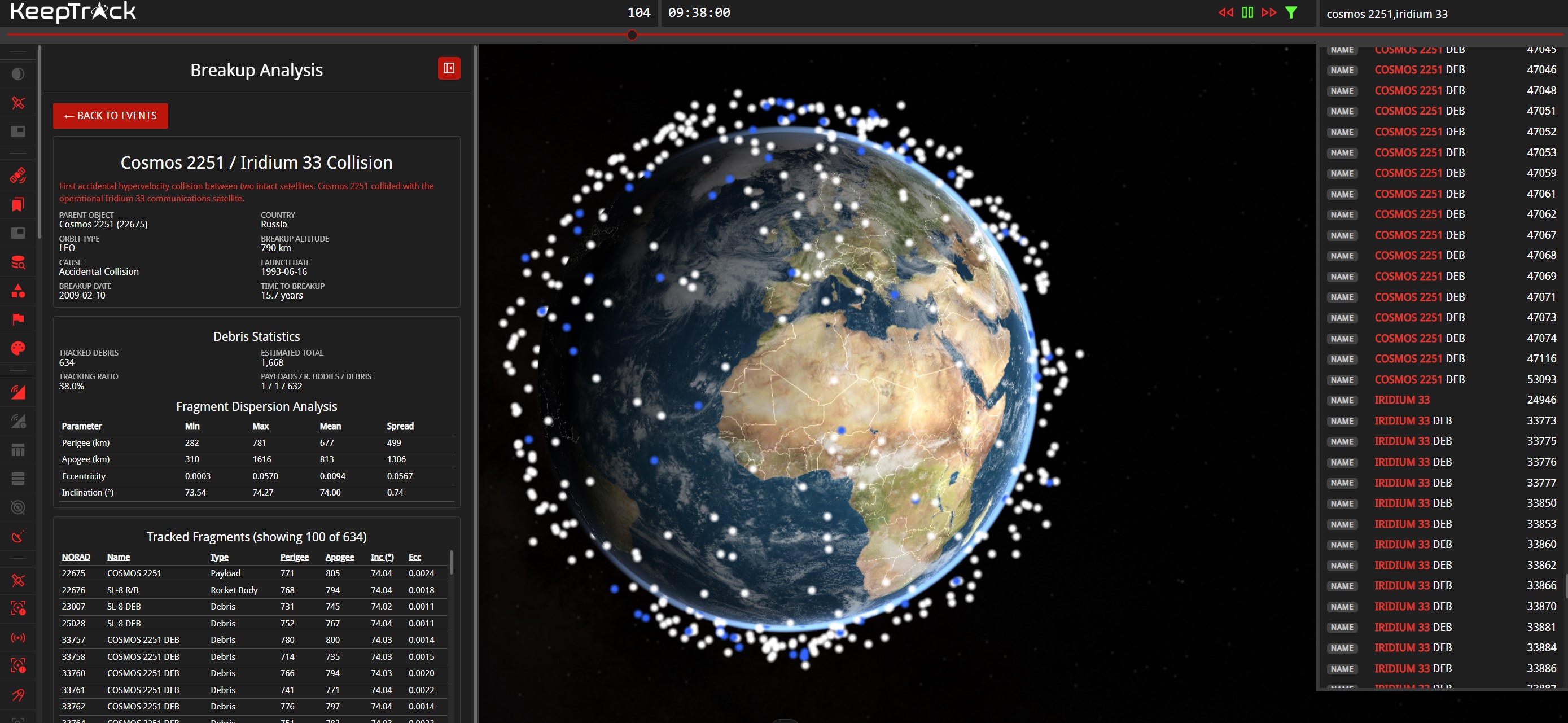
On February 10, 2009, an active Iridium communications satellite and a derelict Soviet military spacecraft slammed into each other 789 kilometers above Siberia. The collision produced more than 2,300 pieces of trackable debris that are still up there. Seventeen years later, the Iridium-Cosmos collision remains the event that made space debris a policy problem the world could no longer ignore.