SL-7 R/B (09906)

COSPAR: 1977-025B | Alt Name: Kosmos-2 (N125) Stage 2
DECAYED

Image
SL-7 R/B Satellite Image
Additional Sources
Launch Details

Launch Date

April 5, 1977

Launch Site

PLMSC

Launch Pad

LC133/3

Launch Vehicle

Kosmos 11K63

Orbital Elements

NORAD ID

09906

International Designator

1977-025B

Decay Date

3/25/1978

Basic Satellite Info

Name

SL-7 R/B

Alternative Name

Kosmos-2 (N125) Stage 2

Type

Rocket Body

Status

Space Junk

Owner

RVSN

Country

USSR

Constellation

N/A

Related Satellites

Major Events

N/A

Summary
A rocket body, also commonly referred to as an upper stage or spent rocket stage, is the structural shell left behind after a rocket has delivered its payload to orbit. These large and often heavy pieces of space hardware can remain in orbit for years, posing significant collision hazards as part of the growing space debris problem. If left uncontrolled, rocket bodies have the potential to reenter Earth's atmosphere unpredictably, which can lead to falling debris in populated areas. Additionally, they risk colliding with operational satellites or the International Space Station, creating more debris and putting human life at risk.
Physical Characteristics

Length

8

Diameter

1.6

Span

8

Dry Mass

840

Launch Mass

840

Shape

Cyl

Radar Cross Section

9.5099

Visual Magnitude

Unknown

Color

Unknown

Material Composition

Unknown

Technical Details

Payload

S1M

Purpose

Unknown

Mission

Unknown

Manufacturer

YUZH

Life Expectancy

Unknown

Bus

S1

Configuration

Unknown

Motor

Unknown

Equipment

Unknown

Power System

Unknown

ADCS

Unknown

Transmitter Frequency

Unknown

Satellite Articles

View All Posts »

Learn more about satellites and other related topics.

Hypersonica Missile Hits Mach 6 in Norway Flight Test | KeepTrack Space Brief

Hypersonica Missile Hits Mach 6 in Norway Flight Test | KeepTrack Space Brief

Hypersonica completes Mach 6+ hypersonic missile flight test in Norway covering 300+ km. Pentagon seeks commercial GEO spy satellites. Gilat wins $9M Israeli defense satcom deal.

Space Brief 21 Nov 2024

Space Brief 21 Nov 2024

Today's brief covers influential space events including Space Force's interest in Starship, U.S. military constellation advancements, and technological developments in counter-drone capabilities.

Starlink Satellite Count Hits 10,191, X Report 14 Apr 2026

Starlink Satellite Count Hits 10,191, X Report 14 Apr 2026

Starlink satellite count April 2026: 10,191 working of 10,209 in orbit. SpaceX flew its 1,000th Starlink of 2026 on April 14, adding 29 more sats.

Space Brief 31 Oct 2024

Space Brief 31 Oct 2024

SpaceX achieves a new launch record with its Starlink mission, NASA's Perseverance rover captures eerie Martian winds, and Buzz Aldrin endorses Trump. Plus, discussions around space debris and military space tech agreements.

White House Orders Space Nuclear Power by 2028 | KeepTrack Space Brief

White House Orders Space Nuclear Power by 2028 | KeepTrack Space Brief

White House directs NASA and Pentagon to field space nuclear power systems by 2028, with DoD demonstration required by 2031. Game-changer for military satellite power budgets.

GPS III SV10 Launches on Falcon 9, X Report 20 Apr 2026

GPS III SV10 Launches on Falcon 9, X Report 20 Apr 2026

GPS III SV10 launched April 21 on a SpaceX Falcon 9 with 3x better accuracy and 8x anti-jamming. Starlink stands at 10,263 working satellites.

X Report 28 May 2025

X Report 28 May 2025

Today marks significant milestones and setbacks for SpaceX as Starship Flight 9 completes a historic launch but ultimately suffers a loss of control. Additionally, a successful Starlink deployment continues to expand global internet coverage.

The Day Superpowers Shared Space

The Day Superpowers Shared Space

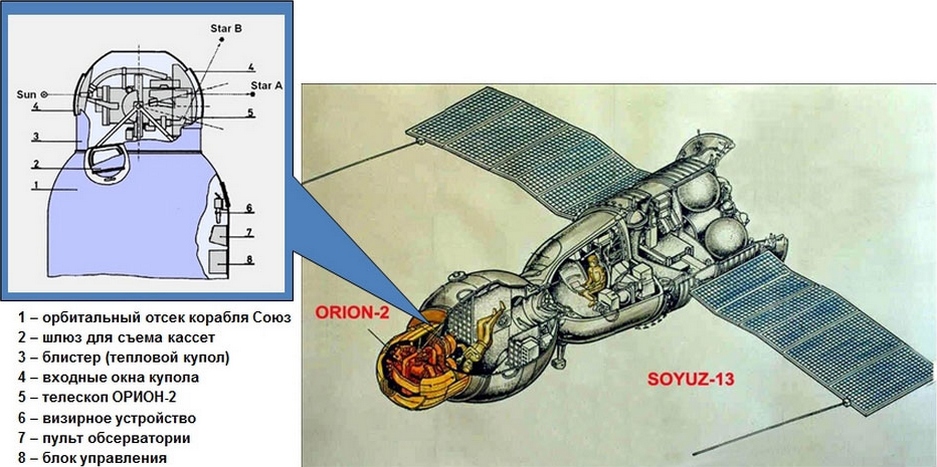
Exactly 52 years ago today, the Soviet Union launched Soyuz 13 - a scientific mission that marked the first time American astronauts and Soviet cosmonauts orbited Earth simultaneously. Armed with a revolutionary ultraviolet telescope, Pyotr Klimuk and Valentin Lebedev would discover elements never before seen in distant nebulae.