PAGEOS 1 DEB (09769)

COSPAR: N/A | Alt Name: deb Pageos
DECAYED

Image
PAGEOS 1 DEB Satellite Image
Additional Sources
Launch Details

Launch Date

June 24, 1966

Launch Site

AFWTR

Launch Pad

Unknown

Launch Vehicle

Unknown

Orbital Elements

NORAD ID

09769

International Designator

N/A

Decay Date

1/20/1977

Basic Satellite Info

Name

PAGEOS 1 DEB

Alternative Name

deb Pageos

Type

Debris

Status

Space Junk

Owner

LARCN

Country

United States

Constellation

N/A

Related Satellites

Major Events

N/A

Summary
Space debris, also known as space junk, encompasses all non-functional objects orbiting Earth such as defunct satellites, spent rocket stages, and fragments from collisions or disintegrations. Over time, this debris can accumulate and create an increasingly hazardous environment in orbit. Even tiny fragments, traveling at extremely high velocities, can inflict significant damage on operational satellites and spacecraft. If left unmanaged, the density of debris raises the risk of catastrophic collisions and further fragmentation, compounding the problem and threatening the safety and sustainability of space activities.
Physical Characteristics

Length

0

Diameter

0

Span

0

Dry Mass

0

Launch Mass

0

Shape

N/A

Radar Cross Section

Unknown

Visual Magnitude

Unknown

Color

Unknown

Material Composition

Unknown

Technical Details

Payload

Unknown

Purpose

Unknown

Mission

Unknown

Manufacturer

Unknown

Life Expectancy

Unknown

Bus

Unknown

Configuration

Unknown

Motor

Unknown

Equipment

Unknown

Power System

Unknown

ADCS

Unknown

Transmitter Frequency

Unknown

Satellite Articles

View All Posts »

Learn more about satellites and other related topics.

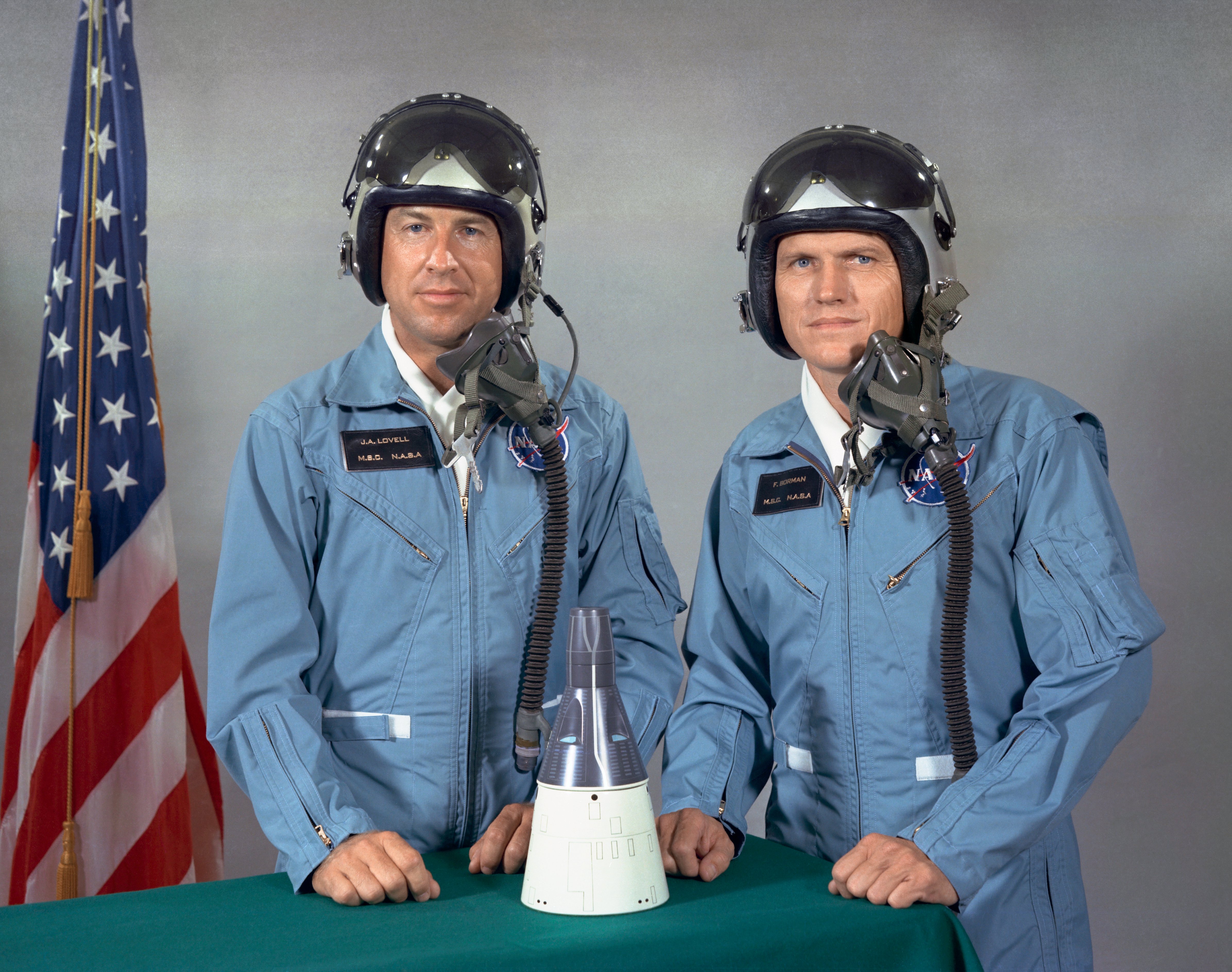
The Day Two Astronauts Proved We Could Reach the Moon

The Day Two Astronauts Proved We Could Reach the Moon

Sixty years ago, Frank Borman and James Lovell launched aboard Gemini 7 for a grueling 14-day mission that would prove humans could endure the journey to the moon and achieve the first true rendezvous in space

X Report 10 Nov 2025

X Report 10 Nov 2025

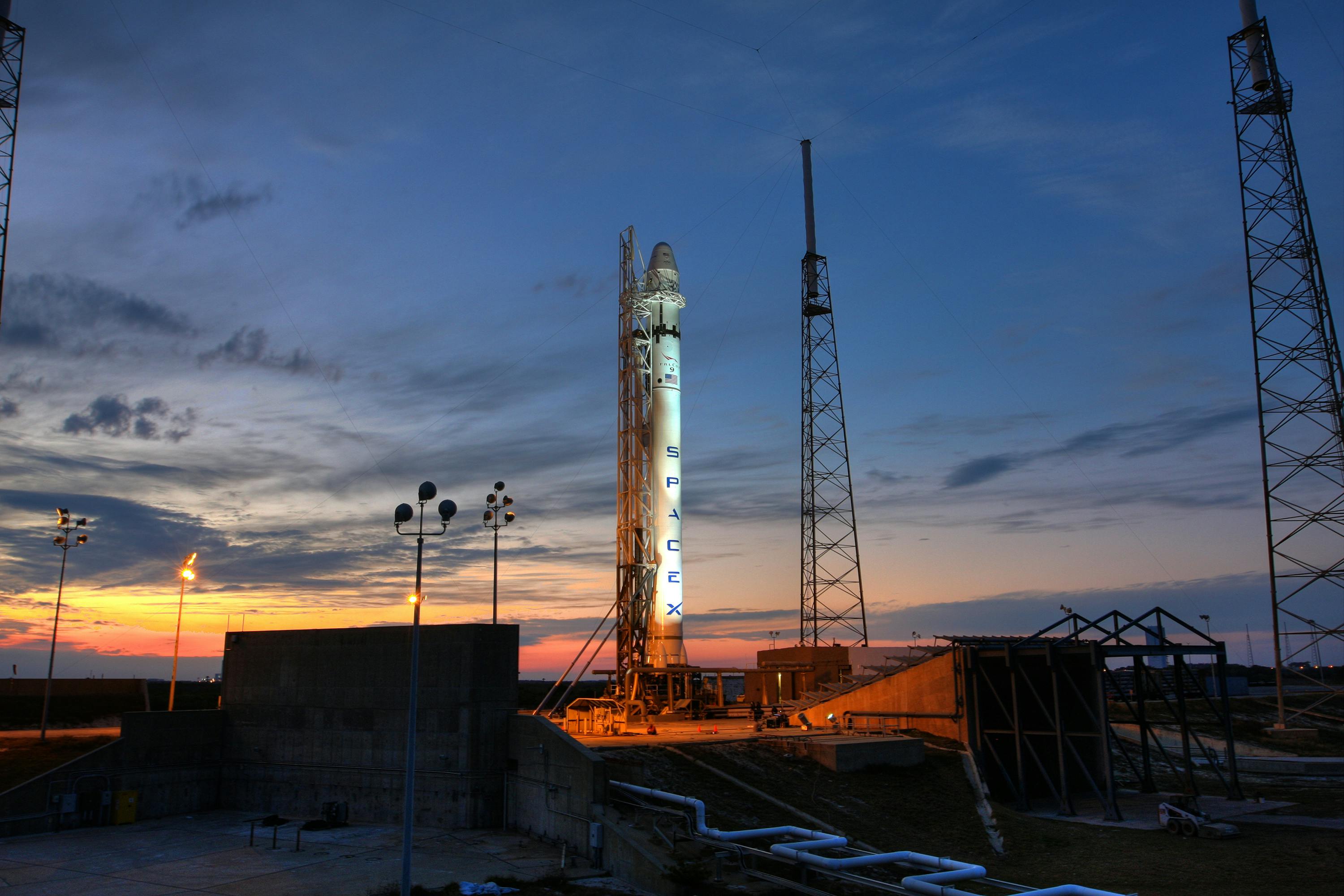
SpaceX successfully launched 29 Starlink satellites, bolstering its broadband network and expanding global internet coverage.

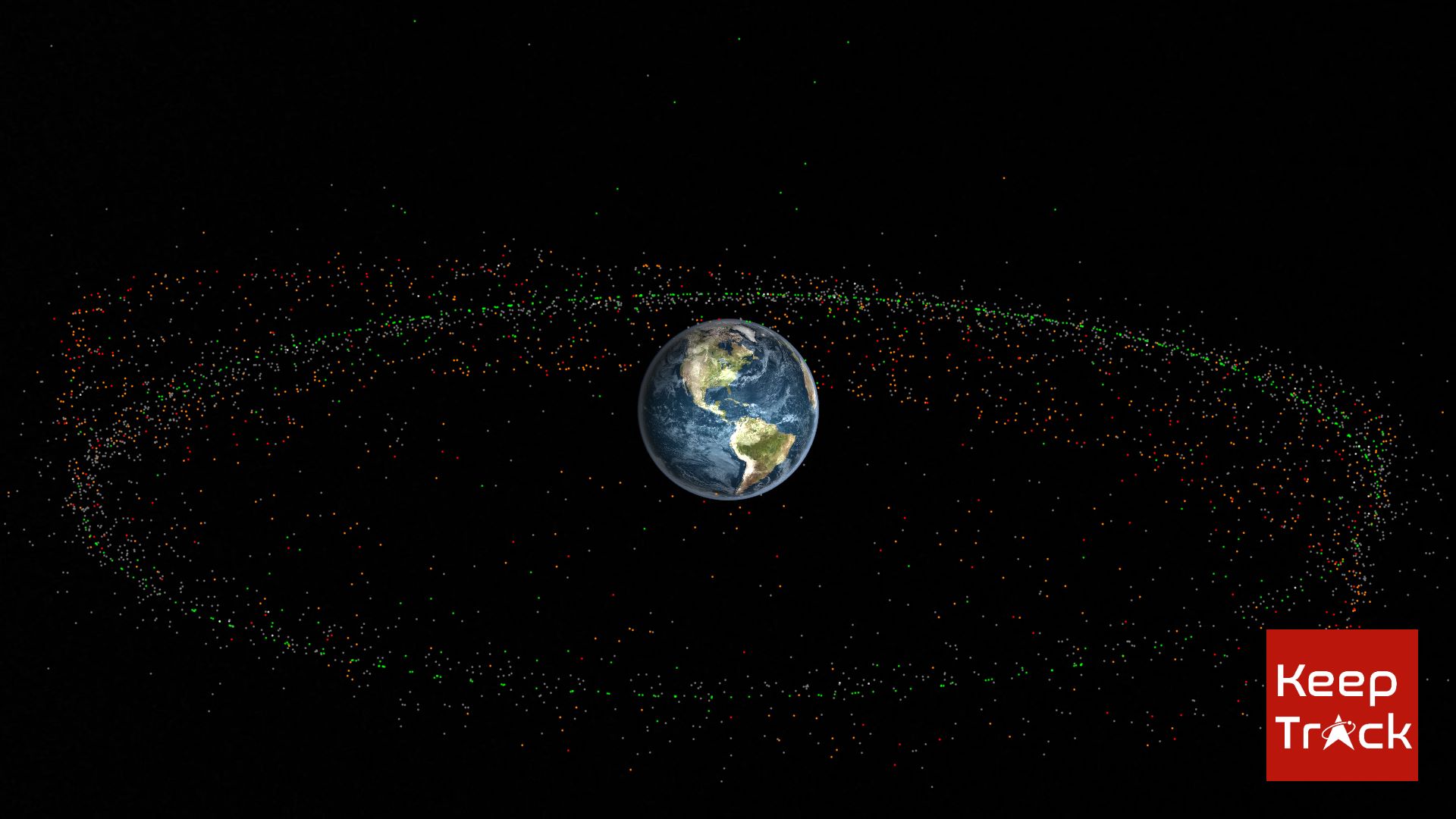
Geosynchronous Orbit (GEO)

Geosynchronous Orbit (GEO)

Understanding the unique orbital sweet spot that keeps satellites perfectly positioned above Earth

SpaceX Wins $178.5M Space Force Missile Tracking Contract | KeepTrack Space Brief

SpaceX Wins $178.5M Space Force Missile Tracking Contract | KeepTrack Space Brief

SpaceX awarded $178.5M Space Force contract for missile tracking satellite launches beginning 2027. Pentagon also extends GPS modernization support with $45M Raytheon order.

X Report 8 Jan 2025

X Report 8 Jan 2025

SpaceX gears up for distinctive Starship tests and milestone Starlink deployments as the new year takes off.

SpaceX Preps Seventh Starlink Launch of 2026 With 25 Satellites | KeepTrack X Report

SpaceX Preps Seventh Starlink Launch of 2026 With 25 Satellites | KeepTrack X Report

SpaceX readies Starlink 17-20 launch of 25 satellites to polar orbit from Vandenberg pad 4E — seventh Starlink mission of the year. 11,009 total Starlink satellites launched to date.

Musk Addresses Orbital Data Center Crowding Fears | KeepTrack X Report

Musk Addresses Orbital Data Center Crowding Fears | KeepTrack X Report

Elon Musk pushed back on orbital crowding concerns as SpaceX eyes data centers in space, with 10,584 Starlink satellites currently operational.

SpaceX Targets 600th Falcon Booster Landing on Starlink 17-22 | KeepTrack X Report

SpaceX Targets 600th Falcon Booster Landing on Starlink 17-22 | KeepTrack X Report

SpaceX attempts its 600th Falcon 9 booster landing during the Starlink 17-22 mission, adding 25 satellites from Vandenberg SFB.