

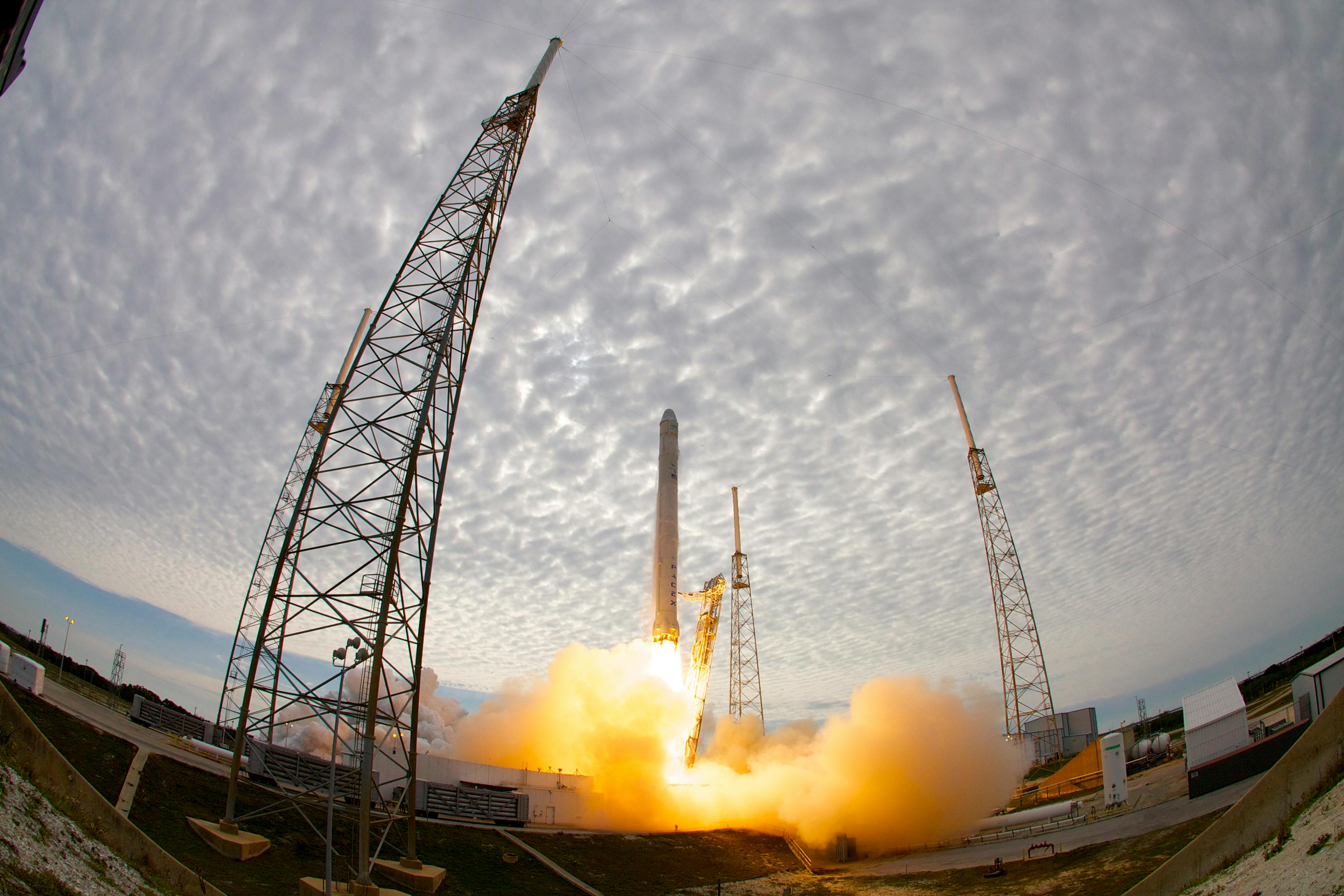
X Report 20 Jul 2025
SpaceX successfully launched 24 Starlink satellites, enhancing its constellation while continuing its leadership in satellite deployment for global internet coverage.



Launch Date
December 9, 1976
Launch Site
PLMSC
Launch Pad
LC132/2
Launch Vehicle
Kosmos 11K65M
NORAD ID
09605
International Designator
1976-120C
Decay Date
11/1/1981
Name
SL-8 DEB
Alternative Name
deb Kosmos-880
Type
Status
Owner
PKO
Country
USSR
Constellation
N/A
Related Satellites
Major Events
N/A
Length
0
Diameter
0
Span
0
Dry Mass
0
Launch Mass
0
Shape
N/A
Radar Cross Section
0.3382
Visual Magnitude
Unknown
Color
Unknown
Material Composition
Unknown
Payload
DS-P1-M part [RCS 0.34]
Purpose
Unknown
Mission
Unknown
Manufacturer
Unknown
Life Expectancy
Unknown
Bus
Unknown
Configuration
Unknown
Motor
Unknown
Equipment
Unknown
Power System
Unknown
ADCS
Unknown
Transmitter Frequency
Unknown
Learn more about satellites and other related topics.
SpaceX successfully launched 24 Starlink satellites, enhancing its constellation while continuing its leadership in satellite deployment for global internet coverage.

Today's Space Brief covers the reentry of Firefly's Blue Ghost moon lander, a compelling study on space debris exacerbated by climate change, and new advancements from the Vera Rubin Observatory.
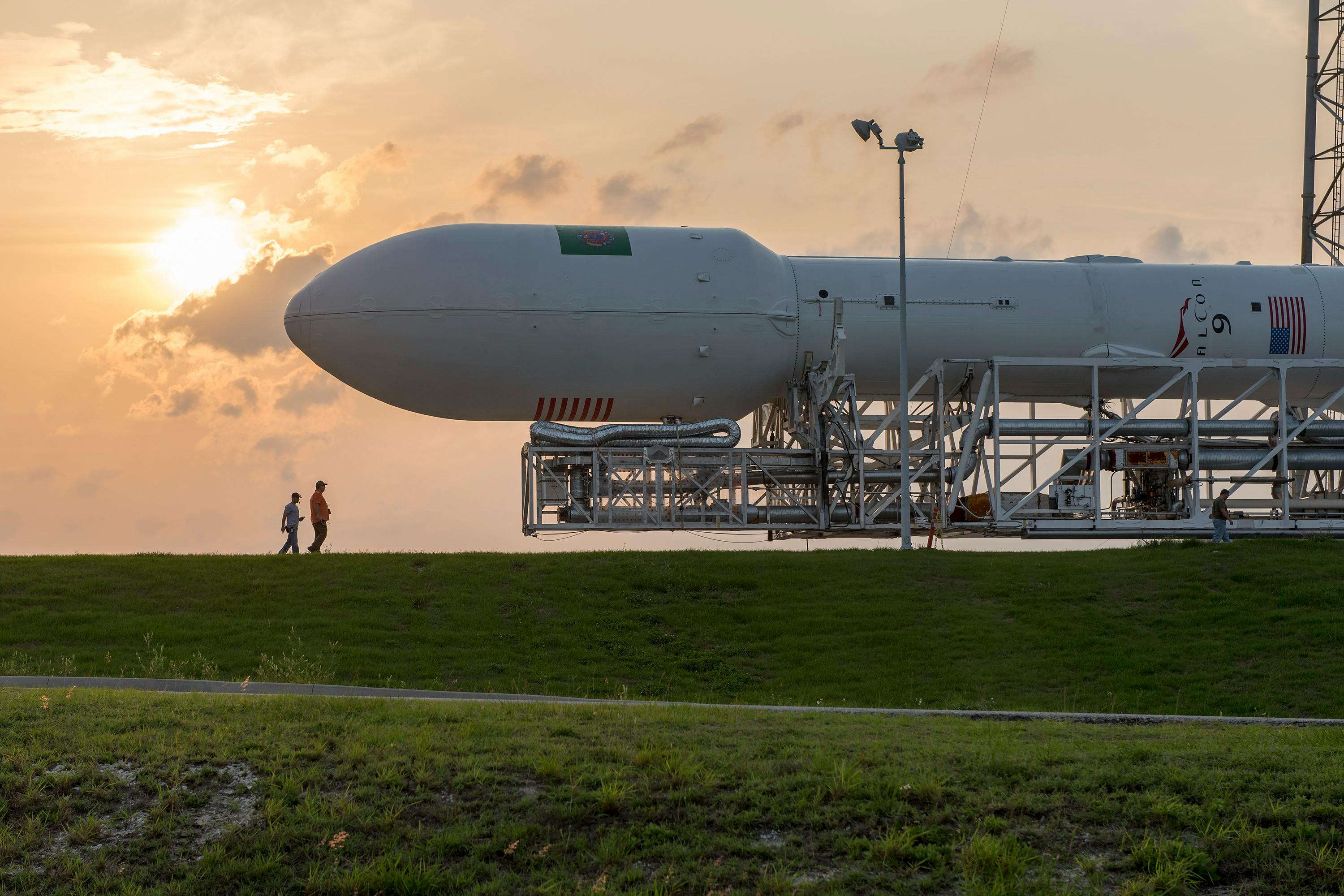
SpaceX faces a launch delay at Cape Canaveral and continues to advance Starship development.

Today's brief covers SpaceX's secretive military launch, advancements in nuclear fusion, and groundbreaking observations of dying stars and supernovae.
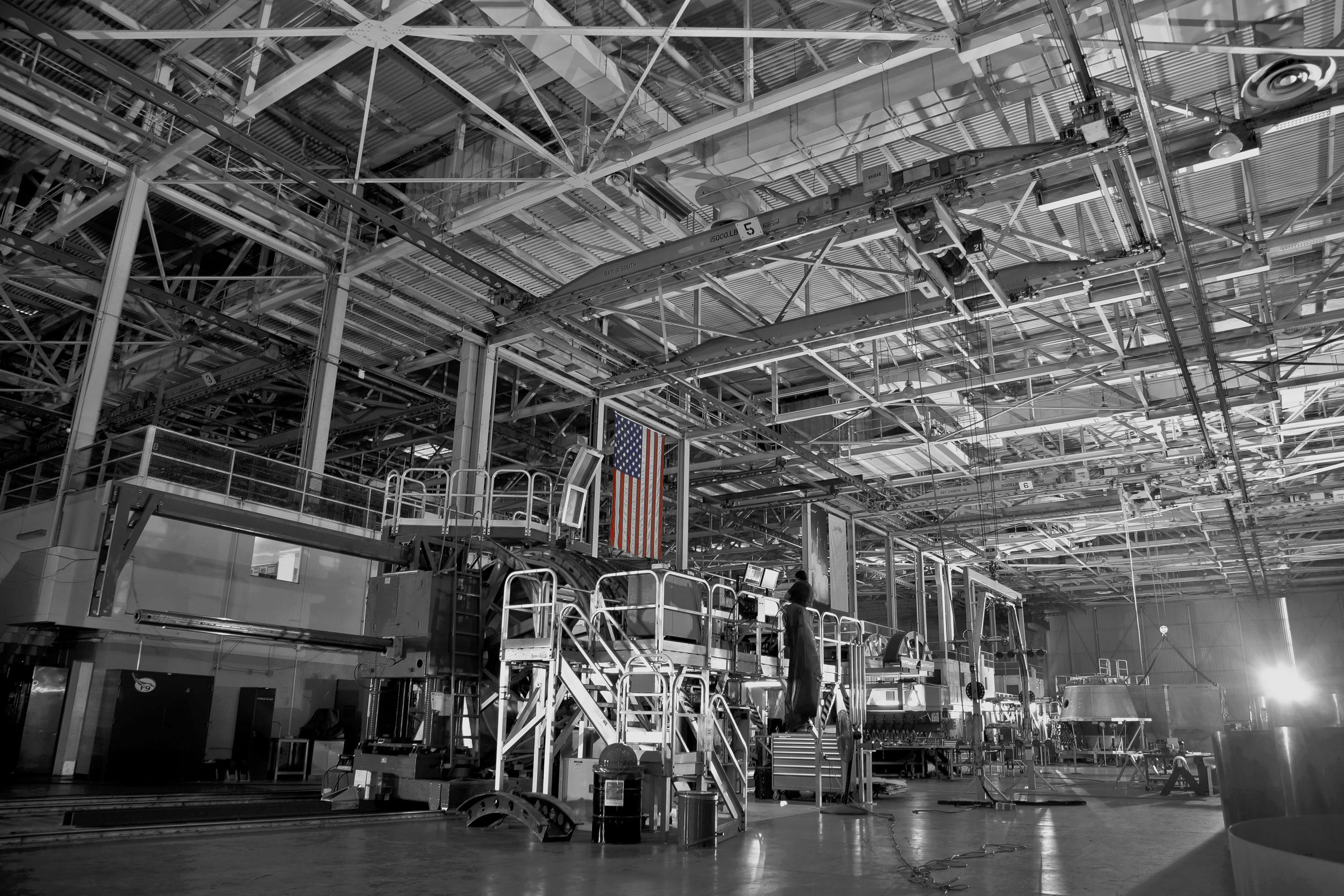
SpaceX breaks records with its 94th launch of the year while planning to ramp up Starship production to unprecedented levels.
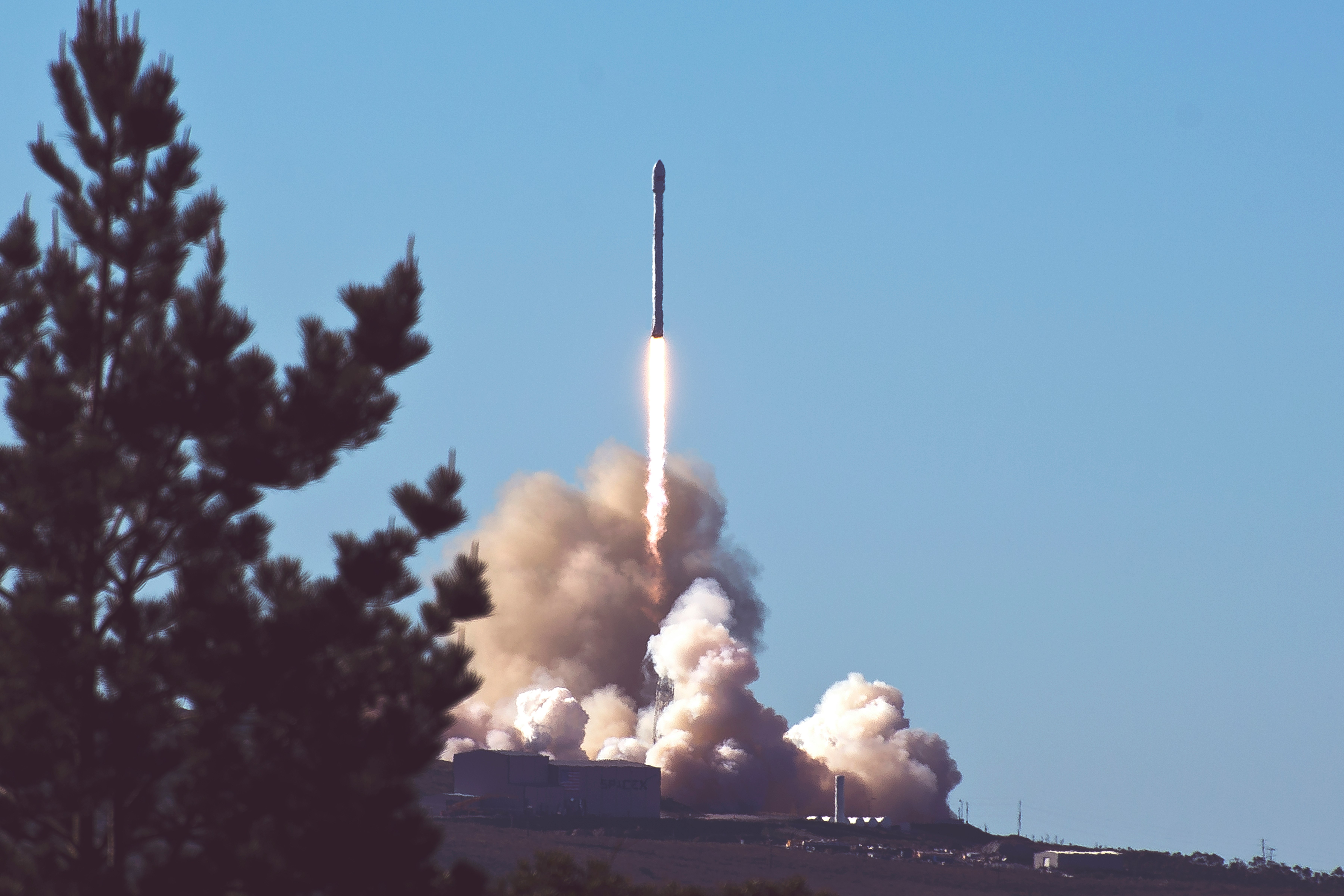
SpaceX launches Starlink satellites successfully, while Starbase inches closer to city status and business discussions intensify.
SpaceX continues its rapid launch cadence by deploying 28 Starlink satellites while expanding its service with collaborations such as United Airlines and Entel in Chile.
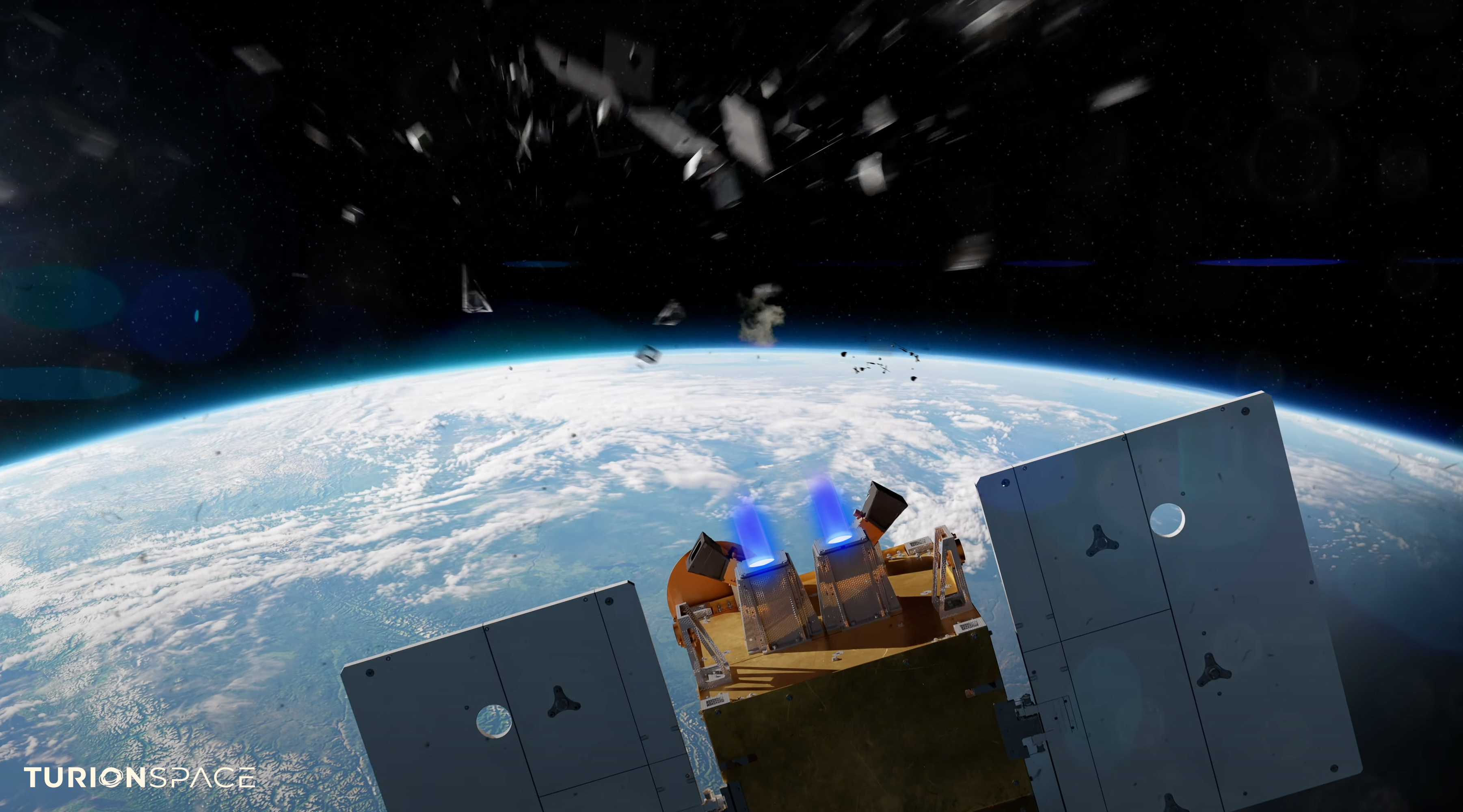
A 90-kilogram spacecraft with iodine thrusters and two Australian-built cameras is quietly building the case that tracking space debris is a business worth billions - and that a four-year-old startup from Irvine can own it.