

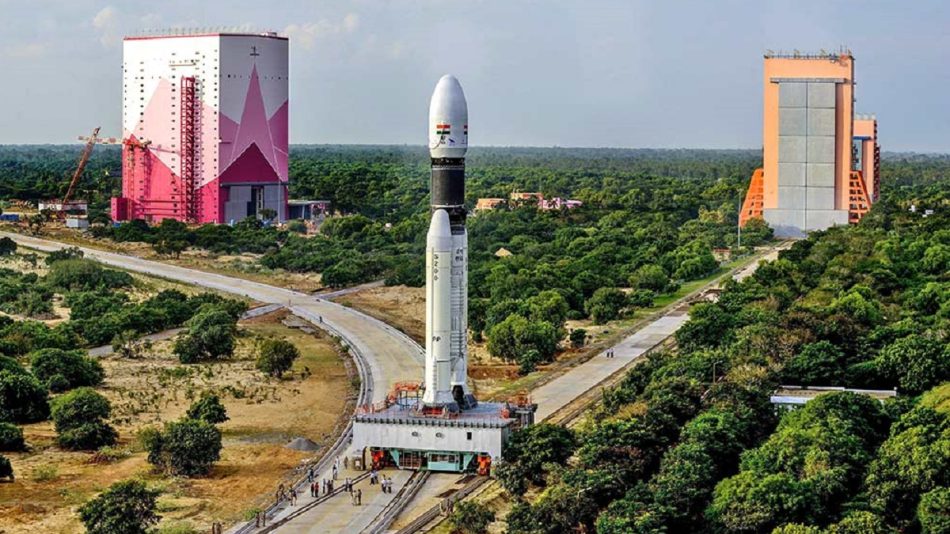
Kulasekarapattinam SSLV Launch Complex
India's second spaceport solves a geometry problem. How ISRO is building a dedicated small satellite facility that eliminates the costly dogleg maneuvers plaguing polar launches from Sriharikota.



Launch Date
December 9, 1976
Launch Site
PLMSC
Launch Pad
LC43/4
Launch Vehicle
Soyuz-U
NORAD ID
09603
International Designator
1976-119D
Decay Date
12/15/1976
Name
SL-3 DEB
Alternative Name
Sensor cover
Type
Status
Owner
GUKOSR
Country
USSR
Constellation
N/A
Related Satellites
Major Events
N/A
Length
0
Diameter
0
Span
0
Dry Mass
0
Launch Mass
0
Shape
N/A
Radar Cross Section
Unknown
Visual Magnitude
Unknown
Color
Unknown
Material Composition
Unknown
Payload
Zenit-2M sensor cover
Purpose
Unknown
Mission
Unknown
Manufacturer
TSSKB
Life Expectancy
Unknown
Bus
Zenit deb
Configuration
Unknown
Motor
Unknown
Equipment
Unknown
Power System
Unknown
ADCS
Unknown
Transmitter Frequency
Unknown
Learn more about satellites and other related topics.
India's second spaceport solves a geometry problem. How ISRO is building a dedicated small satellite facility that eliminates the costly dogleg maneuvers plaguing polar launches from Sriharikota.
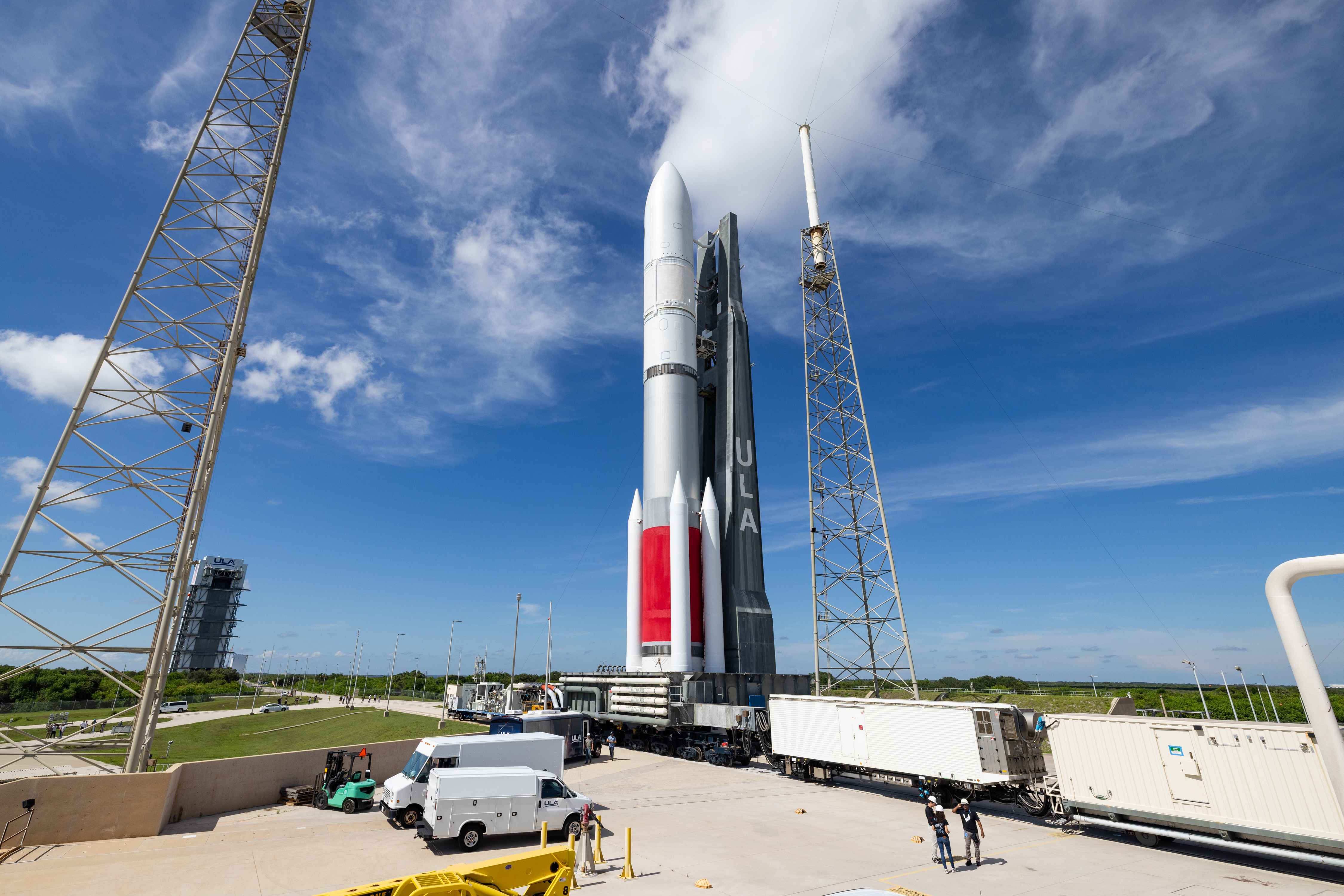
Senate clears $839B defense spending bill ensuring Pentagon space domain funding. L3Harris reaffirms space sector commitment amid Golden Dome expansion. York Space raises $629M in public offering.
Today's updates focus on significant developments in U.S. national security space launches, Army space training, potential shifts in satellite procurement strategies, and the Meteor 2-21 satellite.
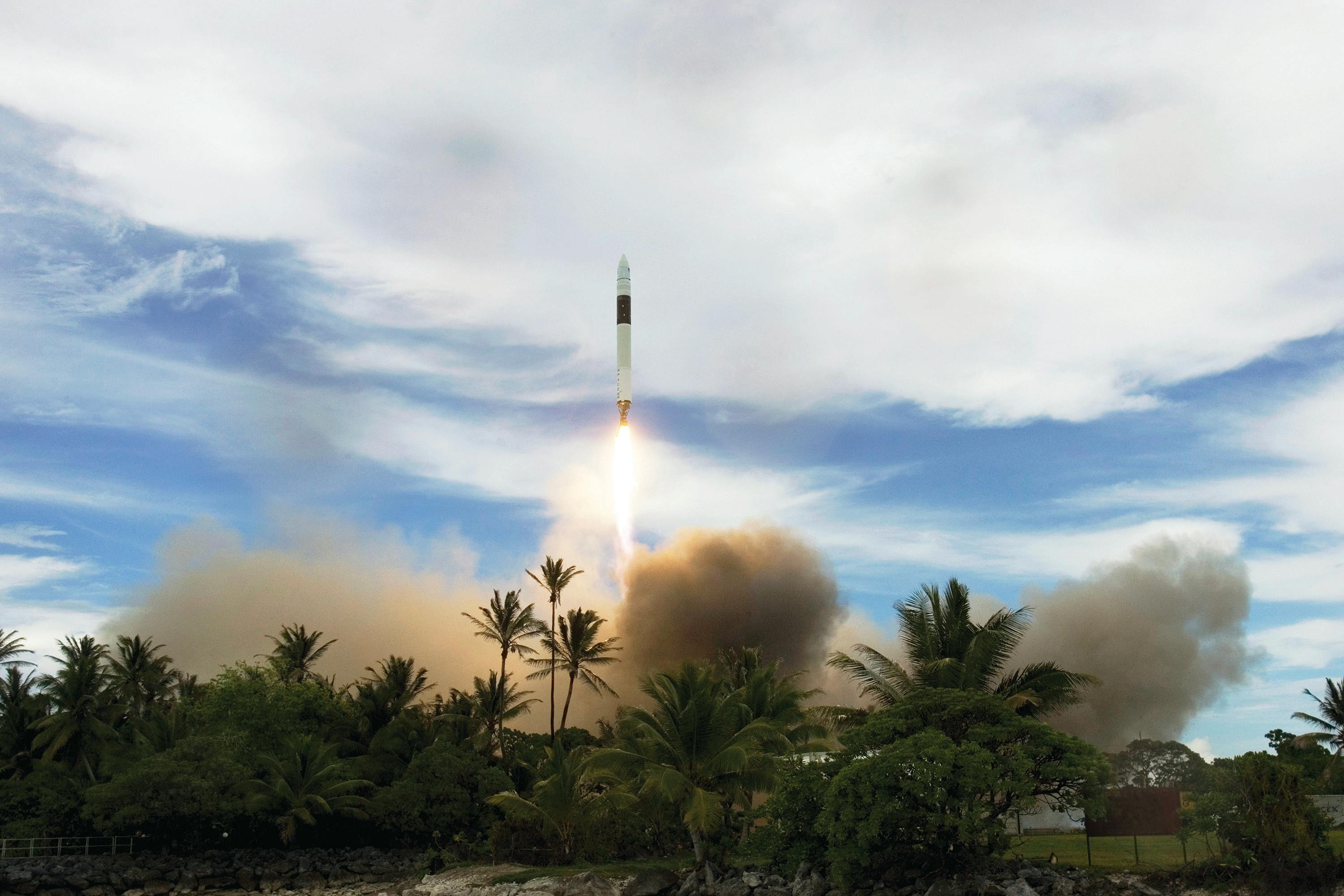
SpaceX prepares for its 560th Falcon 9 launch, aiming to deploy 29 Starlink satellites from Kennedy Space Center, while the Bandwagon-4 mission continues to showcase successful rocket landings.

Today's brief covers key industry movements in space logistics and satellite production, including Rocket Lab's new U.S. Air Force contract, Sierra Space's strides in GPS technology, and more.
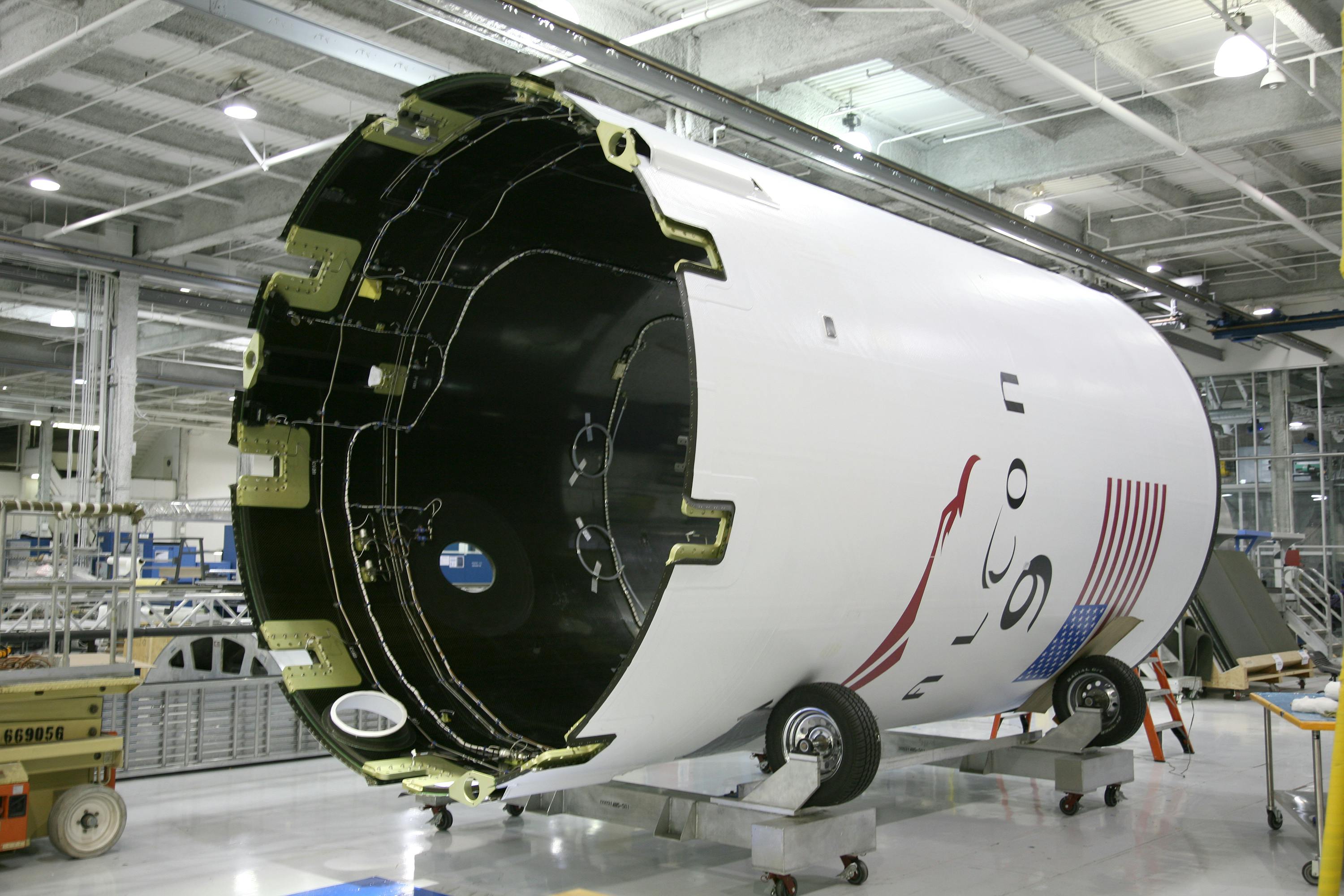
SpaceX successfully launched 28 Starlink satellites from Florida, marking a significant milestone in their deployment strategy. This follows the recent launch of 26 satellites from California, highlighting ongoing expansion efforts.
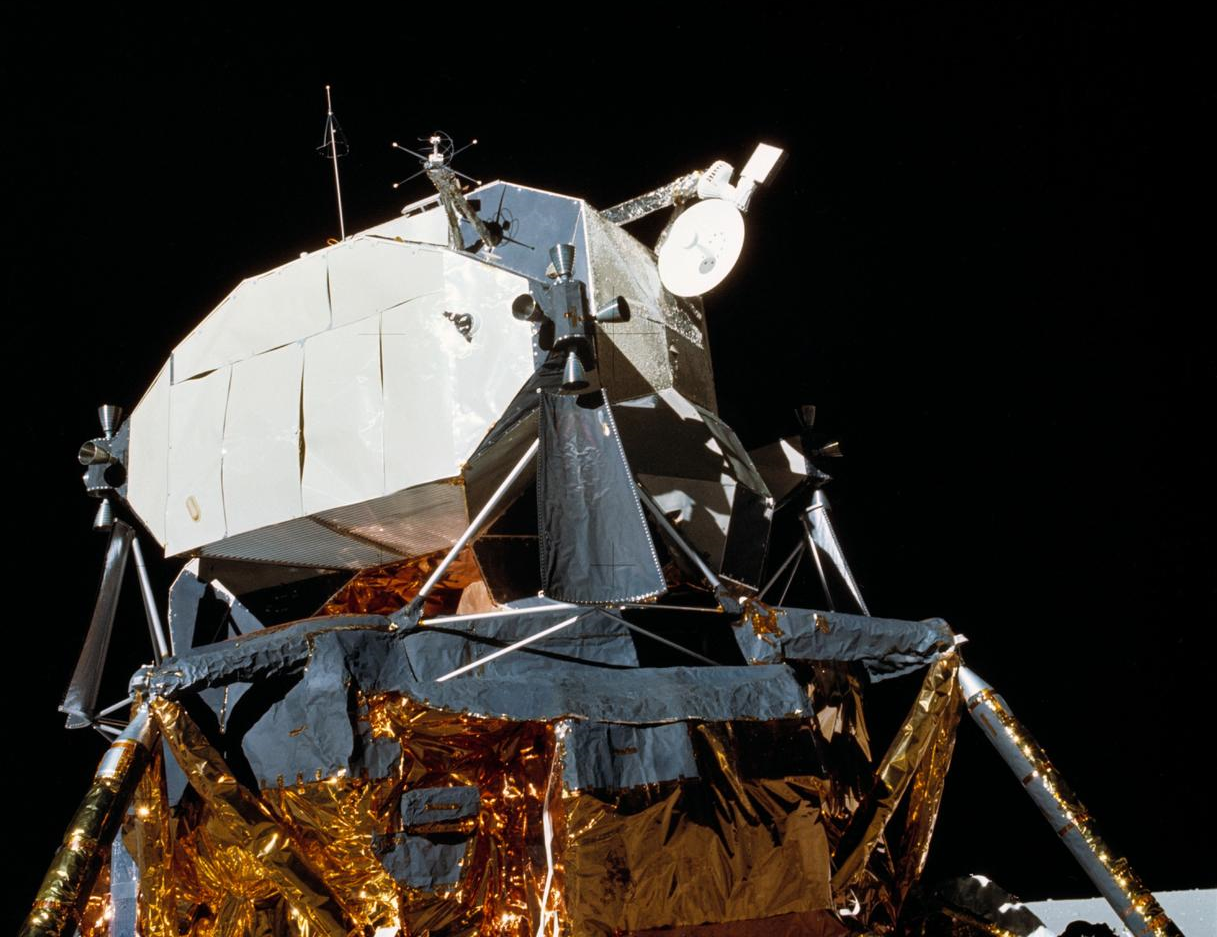
Six hours behind schedule, with a backup engine system shuddering in lunar orbit and mission controllers in Houston running out of options, Apollo 16 came within one meeting of being sent home without landing. The problem was a wobble in a gimbal. The solution was math done under pressure.
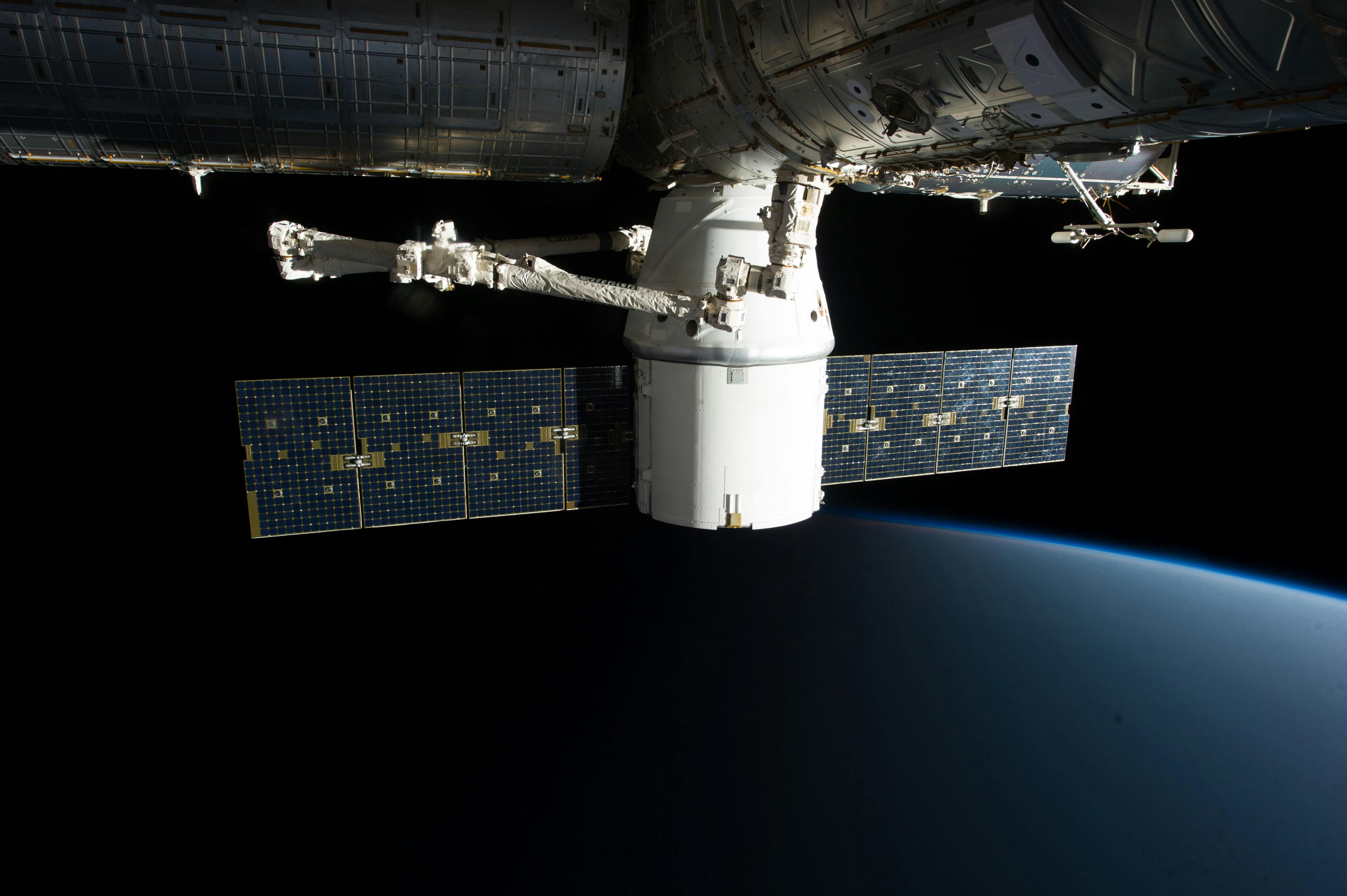
SpaceX's 100th Falcon 9 mission successfully launched 24 Starlink satellites, continuing to expand its broadband constellation.