COSMOS 860 DEB (09539)

COSPAR: 1976-103E | Alt Name: deb Kosmos-860
DECAYED

Image
COSMOS 860 DEB Satellite Image
Additional Sources
Launch Details

Launch Date

October 17, 1976

Launch Pad

LC90

Launch Vehicle

Tsiklon-2

Orbital Elements

NORAD ID

09539

International Designator

1976-103E

Decay Date

11/12/1976

Explore in the Catalog
Basic Satellite Info

Name

COSMOS 860 DEB

Alternative Name

deb Kosmos-860

Type

Debris

Status

Space Junk

Owner

VMF

Country

USSR

Constellation

N/A

Related Satellites

Major Events

N/A

Summary
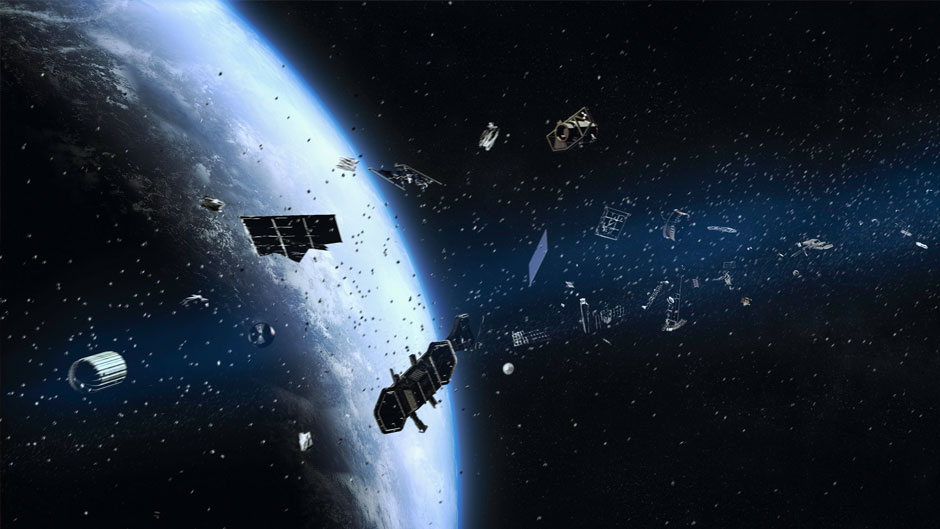
Space debris, also known as space junk, encompasses all non-functional objects orbiting Earth such as defunct satellites, spent rocket stages, and fragments from collisions or disintegrations. Over time, this debris can accumulate and create an increasingly hazardous environment in orbit. Even tiny fragments, traveling at extremely high velocities, can inflict significant damage on operational satellites and spacecraft. If left unmanaged, the density of debris raises the risk of catastrophic collisions and further fragmentation, compounding the problem and threatening the safety and sustainability of space activities.
Physical Characteristics

Length

0

Diameter

0

Span

0

Dry Mass

0

Launch Mass

0

Shape

N/A

Radar Cross Section

Unknown

Visual Magnitude

Unknown

Color

Unknown

Material Composition

Unknown

Technical Details

Payload

Unknown

Purpose

Unknown

Mission

Unknown

Manufacturer

Unknown

Life Expectancy

Unknown

Bus

Unknown

Configuration

Unknown

Motor

Unknown

Equipment

Unknown

Power System

Unknown

ADCS

Unknown

Transmitter Frequency

Unknown

Satellite Articles

View All Posts »

Learn more about satellites and other related topics.

Space Brief 22 Jun 2025

Space Brief 22 Jun 2025

Today's briefing covers a last-minute abort of a SpaceX Starlink launch, NASA's preparation for hypersonic tests, Airbus's progress in its space business, and more exciting developments in satellite tracking and reusable spaceflight.

Space Brief 29 Jun 2025

Space Brief 29 Jun 2025

Today's space brief covers SpaceX's new contract with the U.S. Space Force, multiple Starlink launches, Rocket Lab's rapid launch success, and the final mission of Japan's H-IIA rocket.

SpaceX Plans Seven Rocket Launches From Six Global Sites This Week | KeepTrack X Report

SpaceX Plans Seven Rocket Launches From Six Global Sites This Week | KeepTrack X Report

SpaceX targets seven rocket launches from six global sites this week including two Falcon 9 missions from California. 29 Starlink satellites successfully deployed from Cape Canaveral on January 18.

Crew-11 Completes First-Ever ISS Medical Evacuation, SpaceX Sets Pad Record | KeepTrack X Report

Crew-11 Completes First-Ever ISS Medical Evacuation, SpaceX Sets Pad Record | KeepTrack X Report

Crew-11 astronauts splashdown off California in first-ever ISS medical evacuation. SpaceX sets pad turnaround record at Cape Canaveral with Starlink 6-98 deploying 29 satellites.

China's 75 Unusual GEO Maneuvers Flagged by CSIS | KeepTrack Space Brief

China's 75 Unusual GEO Maneuvers Flagged by CSIS | KeepTrack Space Brief

CSIS analysis identifies 75 unusual orbital maneuvers by Chinese GEO satellites over 10 years, consistent with military reconnaissance. Track GEO objects via KeepTrack.

SpaceX Hits 50 Launches, Falcon Heavy Scrub, X Report 28 Apr 2026

SpaceX Hits 50 Launches, Falcon Heavy Scrub, X Report 28 Apr 2026

SpaceX hit 50 launches in 2026 on April 26. Falcon Heavy's ViaSat-3 mission, only its 12th flight, scrubbed on weather at Kennedy; new date pending.

Artemis 2 Crewed Lunar Flyby Scheduled for April 1 | KeepTrack Space Brief

Artemis 2 Crewed Lunar Flyby Scheduled for April 1 | KeepTrack Space Brief

NASA's Artemis II launches 4 astronauts on lunar flyby April 1. Soyuz-5 inaugural flight confirmed for April 3. Space warfare doctrines shift toward agentic AI for faster decision loops.

The Day Superpowers Shared Space

The Day Superpowers Shared Space

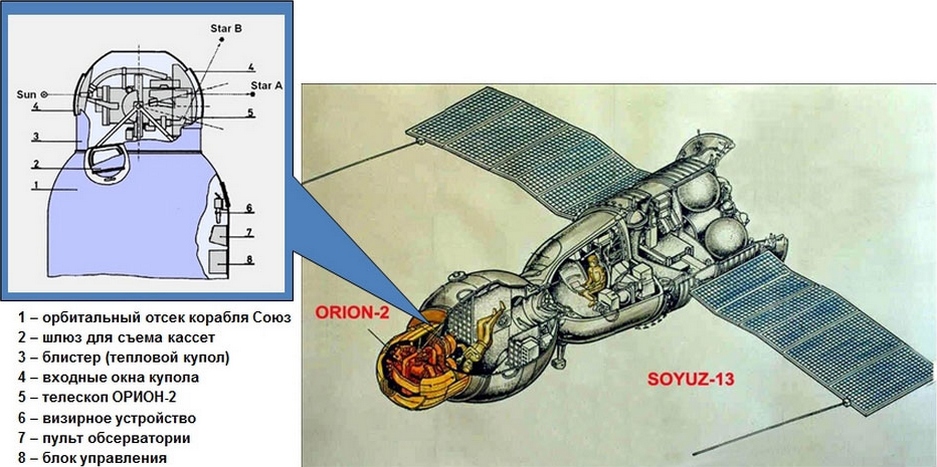
Exactly 52 years ago today, the Soviet Union launched Soyuz 13 - a scientific mission that marked the first time American astronauts and Soviet cosmonauts orbited Earth simultaneously. Armed with a revolutionary ultraviolet telescope, Pyotr Klimuk and Valentin Lebedev would discover elements never before seen in distant nebulae.