COSMOS 856 DEB (09448)

COSPAR: 1976-096E | Alt Name: Kapsula Kosmosa-856
DECAYED

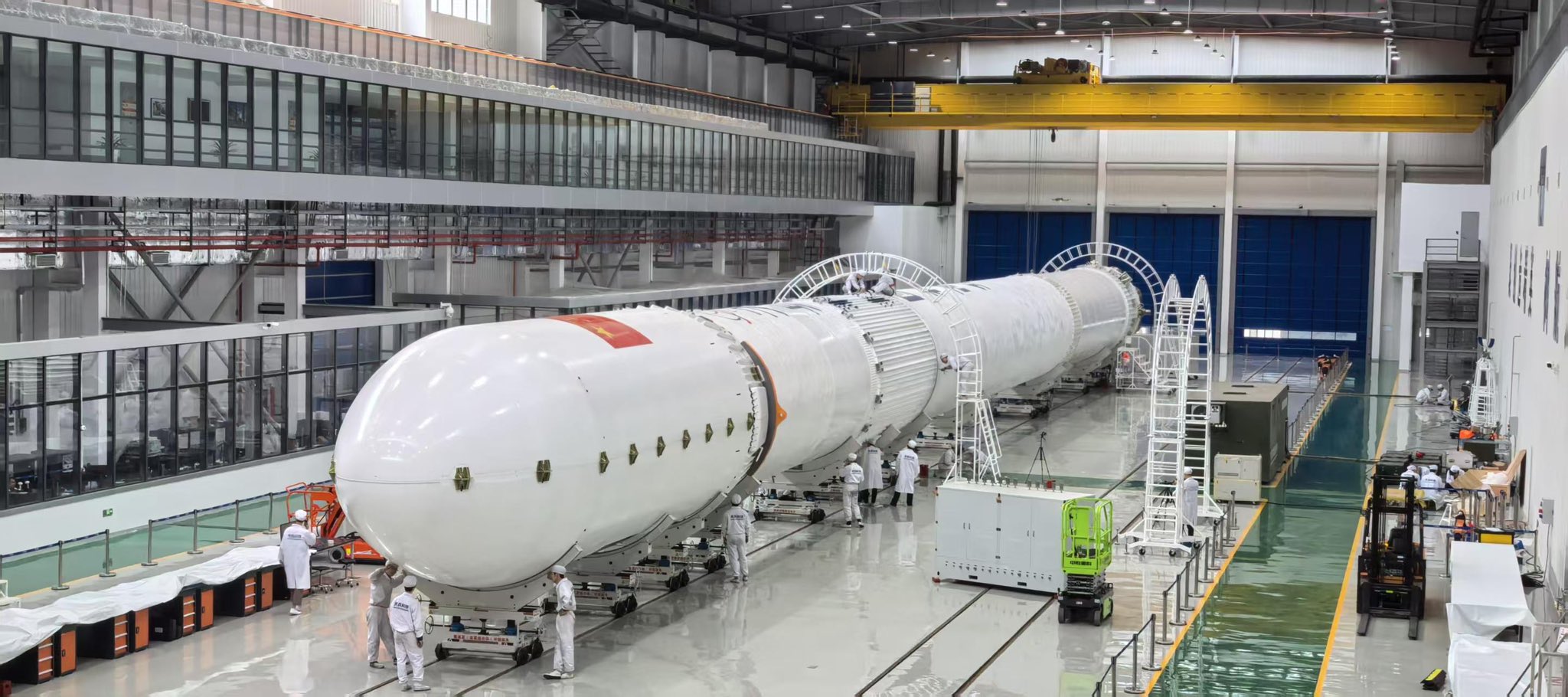
Image
COSMOS 856 DEB Satellite Image
Additional Sources
Launch Details

Launch Date

September 22, 1976

Launch Pad

LC31

Launch Vehicle

Soyuz-U

Orbital Elements

NORAD ID

09448

International Designator

1976-096E

Decay Date

10/16/1976

Basic Satellite Info

Name

COSMOS 856 DEB

Alternative Name

Kapsula Kosmosa-856

Type

Debris

Status

Space Junk

Owner

TSSKB

Country

USSR

Constellation

N/A

Related Satellites

Major Events

N/A

Summary
Space debris, also known as space junk, encompasses all non-functional objects orbiting Earth such as defunct satellites, spent rocket stages, and fragments from collisions or disintegrations. Over time, this debris can accumulate and create an increasingly hazardous environment in orbit. Even tiny fragments, traveling at extremely high velocities, can inflict significant damage on operational satellites and spacecraft. If left unmanaged, the density of debris raises the risk of catastrophic collisions and further fragmentation, compounding the problem and threatening the safety and sustainability of space activities.
Physical Characteristics

Length

1

Diameter

1.8

Span

1.8

Dry Mass

630

Launch Mass

630

Shape

Cyl

Radar Cross Section

Unknown

Visual Magnitude

Unknown

Color

Unknown

Material Composition

Unknown

Technical Details

Payload

Nauka 23KS No. 1L

Purpose

Unknown

Mission

Unknown

Manufacturer

TSSKB

Life Expectancy

Unknown

Bus

Nauka

Configuration

Unknown

Motor

Unknown

Equipment

Unknown

Power System

Unknown

ADCS

Unknown

Transmitter Frequency

Unknown

Satellite Articles

View All Posts »

Learn more about satellites and other related topics.

X Report 9 Jul 2025

X Report 9 Jul 2025

SpaceX successfully launched 28 Starlink satellites, marking a significant milestone with its 500th orbital mission. Both launches underscore the company's commitment to expanding its satellite internet constellation and solidifying its position in the space industry.

SpaceX Unveils Space Traffic Management System, Bahamas Landings Resume | KeepTrack X Report

SpaceX Unveils Space Traffic Management System, Bahamas Landings Resume | KeepTrack X Report

SpaceX unveils new space traffic management system for orbital coordination. Bahamas grants permission for rocket landings after Starship debris pause. Musk proposes lunar satellite catapult.

SpaceX Orbits 7.5-Ton SiriusXM Satellite & 24 Starlinks | KeepTrack X Report

SpaceX Orbits 7.5-Ton SiriusXM Satellite & 24 Starlinks | KeepTrack X Report

SpaceX completed two launches June 28, orbiting the 15,000-lb SXM-11 satellite and 24 Starlink V2 craft from Vandenberg.

X Report 12 Nov 2024

X Report 12 Nov 2024

SpaceX prepares for a monumental sixth Starship test flight while achieving a historic Falcon 9 booster landing. Meanwhile, a Starlink satellite lights up the night sky as it reenters Earth's atmosphere.

Second Starlink Satellite Generates Debris; Falcon 9 Booster Flies 34th Mission | KeepTrack Space Brief

Second Starlink Satellite Generates Debris; Falcon 9 Booster Flies 34th Mission | KeepTrack Space Brief

Second Starlink satellite malfunctioned on orbit and generated debris within three months of prior event. Falcon 9 booster completed record 34th mission from Cape Canaveral.

Space Brief 2 Jul 2025

Space Brief 2 Jul 2025

Explore today's major events in space, including military advancements in satellite tracking, new missile defenses, and significant defense funding decisions.

FCC Approves 7,500 More Starlink Satellites, SpaceX Wins $739M Launch Contract | KeepTrack X Report

FCC Approves 7,500 More Starlink Satellites, SpaceX Wins $739M Launch Contract | KeepTrack X Report

FCC approves 7,500 additional Starlink Gen2 satellites. Space Force awards SpaceX $739M for nine national security launches. NASA plans Crew-11 medical evacuation from ISS on January 14.

The Day America Sent Two Secrets to the Sky

The Day America Sent Two Secrets to the Sky

Sixty-five years ago, America launched two very different space missions within hours of each other - one broadcast live to a fascinated nation, the other quietly reaching orbit from a fog-shrouded California launchpad while no one was watching